You’re driving down a country road, and there it is—a large, sturdy hawk perched on a telephone pole, scanning the fields. Or maybe you’re on a hike and see a broad-winged bird circling high above. Chances are, you’re looking at a red-tailed hawk. It’s North America’s most common and widespread Buteo hawk, a bird so ubiquitous that Hollywood uses its piercing cry for almost every eagle or hawk scene (seriously, listen for it next time). But for a beginner, telling a red-tail from a Cooper’s hawk or a red-shouldered hawk can feel confusing. This guide cuts through the noise. We’re going beyond the textbook description to the practical, often-overlooked details that make identification click.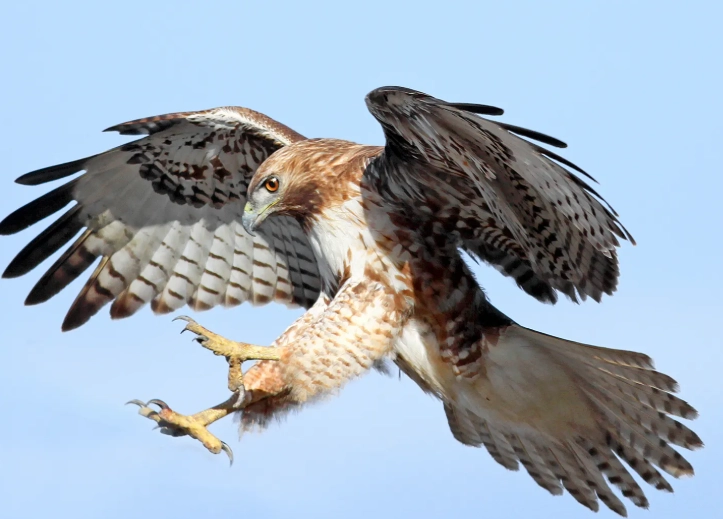
What's Inside This Guide
The Belly Band is Your Best Clue (Not Just the Tail)
Everyone talks about the red tail. It’s in the name. But here’s the first insider tip: you often can’t see the red tail. When a red-tailed hawk is perched, the tail might be folded or in shadow. Juveniles don’t have a red tail at all—theirs is brown and banded. So, what should you look for first? The belly.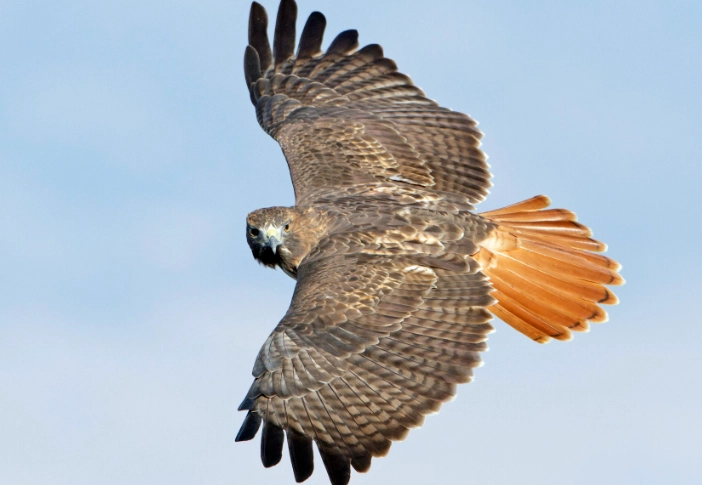
Most adult red-tailed hawks sport a distinctive, streaky band of dark feathers across their midsection. Birders call this the “belly band.” It’s a messy, sometimes faint, sometimes very bold, smattering of brown or reddish streaks on a white or pale background. This band is your most reliable, consistent field mark from below, whether the bird is perched or flying.
Breaking Down the Anatomy
Let’s get specific. When you have a good, close view, run through this checklist:
- Head: Relatively pale, often with a darker “commuter’s cap” of streaks. The beak is short, dark, and hooked.
- Chest & Belly: Look for that belly band. Above it, the chest is usually clean and pale.
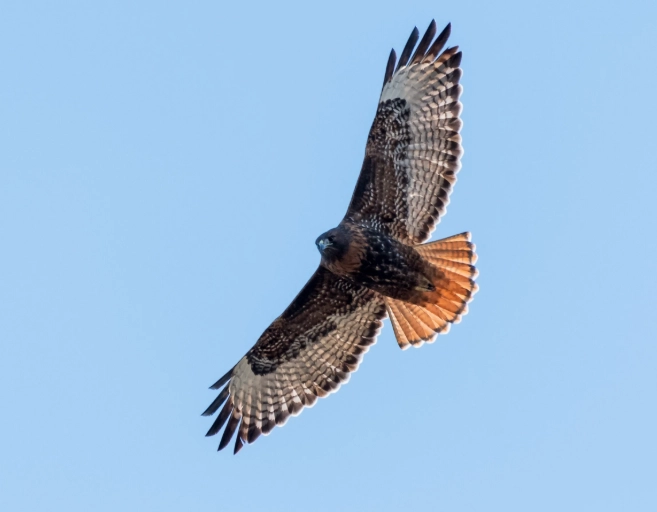
- Back & Wings: From above, adults are a rich brown. A key detail often missed: look for dark patagial bars. These are dark marks on the front leading edge of the wing, from the shoulder to the wrist. They are visible in flight from below and are a dead giveaway against similar hawks.
- Tail: Yes, the tail. Adults have that gorgeous cinnamon-red tail, usually with a narrow dark band at the very tip. Juveniles have a brown, finely banded tail. Remember, the red tail is a mark of maturity, typically coming in during the bird’s second year.
Master the Soaring Silhouette
You’ll often see red-tails as specks in the sky. Shape is everything here. Think stocky, powerful, and broad.
Their wings are wide, with rounded tips and a noticeable “bulge” at the wrists. When soaring, they hold their wings in a slight dihedral—a shallow V-shape—but it’s less pronounced than a turkey vulture’s. The tail is wide and fan-shaped, often spread when soaring. The whole impression is of a sturdy, capable flying machine built for patrolling open spaces, not a nimble forest hunter.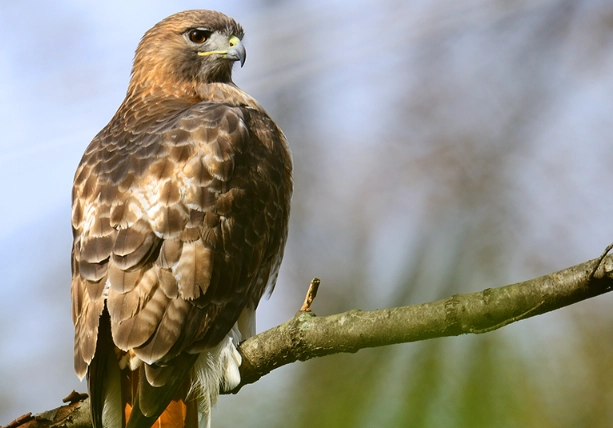
Compare that to a falcon’s pointed wings or an eagle’s flat, plank-like wingspan. The red-tail’s shape broadcasts its lifestyle: scanning for rodents from a perch or a thermal, not chasing birds through trees.
Listen Up: That Iconic Screech
Close your eyes and think “bald eagle cry.” What you’re probably imagining is the call of the red-tailed hawk. It’s a long, descending, hoarse scream: keeeeer-r-r-r. It’s a sound of open country, often given during courtship or when defending territory.
This is a huge help. If you hear that classic screech and see a large hawk, you’ve almost certainly found your red-tail. Other common Buteo hawks have very different voices. The red-shouldered hawk, for example, has a loud, repetitive kee-yah, kee-yah call. The broad-winged hawk gives a thin, high-pitched whistle.
Where and When to Look
Red-tailed hawks are habitat generalists, but they have clear preferences. You won’t find them deep in unbroken forest. They are hunters of the edge.
- Prime Real Estate: Look for them along highways with open median strips, perched on the very top of lone trees in fields, on fence posts, power poles, and barns. They need a high vantage point and open ground to hunt.
- Seasonal Activity: They are year-round residents across most of the U.S. In my experience, they become more visible in late fall and winter. With leaves off the trees, their bulky stick nests (often used for years) are easier to spot. Hunting activity also seems more obvious against a barren landscape.
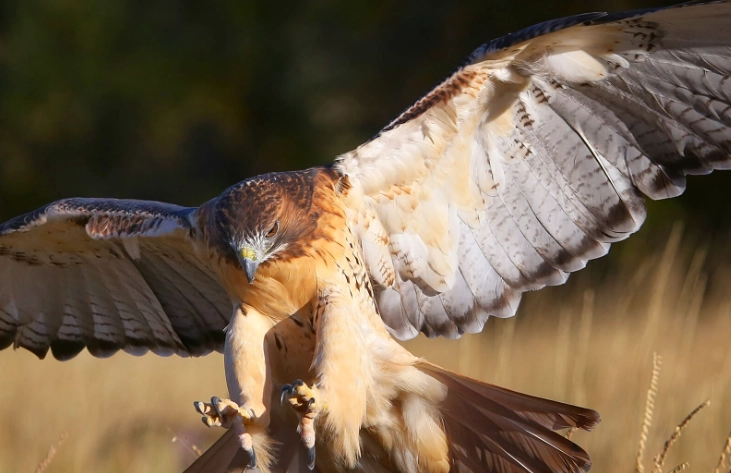
- The Hunting Scene: Watch for the classic “still hunt.” They’ll perch motionless for long periods, then drop like a stone onto an unsuspecting vole or mouse. In flight, they might hover in place against the wind (called “kiting”) before striking.
Common Mix-Ups and How to Avoid Them
This is where most beginners get tripped up. Let’s clear up the two most frequent confusions.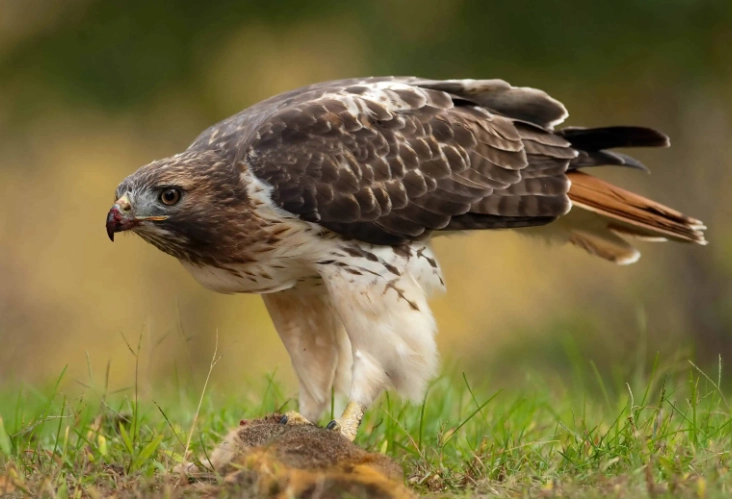
| Feature | Red-Tailed Hawk | Red-Shouldered Hawk | Cooper's Hawk |
|---|---|---|---|
| Overall Shape | Stocky, broad-winged, short neck. | Slender, with longish tail and neck. Wings appear pushed forward. | Crow-sized, long-tailed, rounded wings. Built like a “flying cross.” |
| Key Mark (Perched) | Belly band; pale head with dark cap. | Heavily barred orange-ish breast; strongly banded tail. | Steely blue-gray back (adult); rusty barred chest; fierce “angry” face. |
| Key Mark (Flying) | Dark patagial bars; broad, fanned tail. | Pale crescent (“windows”) near wingtips; strongly banded tail. | Long tail with rounded tip; rapid flap-flap-glide flight. |
| Typical Habitat | Open country, fields, highways. | Wooded swamps, forested streams. | Woodlands, suburbs, bird feeders. |
| Common Pitfall | Mistaking a juvenile (no red tail) for another species. | Seeing a barred chest and thinking “hawk” without noting the slender shape. | Seeing a large accipiter and calling it a red-tail because it’s near a yard. |
The Cooper’s hawk mix-up is especially common in backyards. People see a large hawk take a dove and think “red-tail.” But red-tails rarely hunt at bird feeders; they’re after ground mammals. That backyard bandit is almost always a Cooper’s or sharp-shinned hawk. Remember: long tail + rounded wings + woods/suburbs = likely Cooper’s. Stocky build + belly band + open areas = red-tail.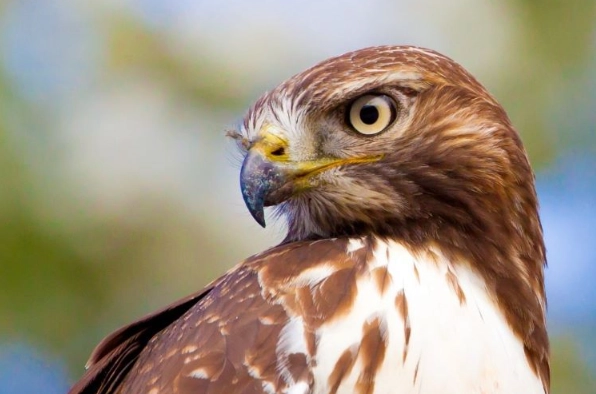
Your Red-Tailed Hawk Questions, Answered
Once you start looking, you’ll see red-tailed hawks everywhere. That silhouette on the lamp post, that broad-winged shape circling over the field. Use the belly band as your anchor, the shape as your confirmation, and the screech as your cheat code. It transforms a blurry brown bird into a known neighbor. Grab your binoculars, find a roadside pull-off with a view, and put this guide to the test. The most common hawk in America is waiting for you to finally recognize it.
Reader Comments