In This Guide
You've seen them, right? Those little gray-blue birds with the ridiculously loud calls, hopping headfirst down tree trunks like they've forgotten which way is up. White-breasted Nuthatches. They're a staple at backyard feeders, snatching a sunflower seed and then zipping off to wedge it into bark and hammer it open. But have you ever stopped to wonder, especially in the spring, where do White-breasted Nuthatches nest? Where do these energetic acrobats go to raise their noisy families?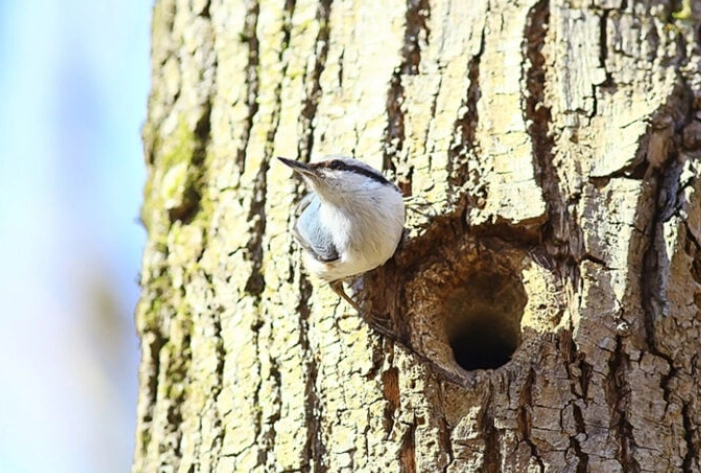
It's a question that took me a while to answer myself. For years, I just enjoyed their visits. Then, one spring, I noticed a pair of nuthatches becoming very, very interested in an old, gnarled oak limb at the back of my property. They weren't just foraging; they were going in and out of a small hole, over and over, sometimes with bits of stuff in their beaks. That was my lightbulb moment. Their secret world was right there, hidden in plain sight.
So, let's pull back the bark and look inside. The answer to "where do White-breasted Nuthatches nest?" is fascinating, specific, and full of clever adaptations. It's also something you can directly influence to help these charming birds thrive.
The Prime Real Estate: Natural Nesting Sites
In the wild, away from our bird feeders and nest boxes, these birds are masters of repurposing. Their choice of home isn't random; it's a carefully selected fortress.
Dead and Decaying Wood is King
Forget healthy, solid hardwood. A White-breasted Nuthatch's dream home starts with a tree that's seen better days. Soft, decaying wood is easier for them to work with. They'll take a cavity started by a Downy Woodpecker or a Flicker and get to work on renovations. Using their sharp beaks, they'll chip away at the interior, widening it just so and smoothing out the rough edges. They're also notorious for smearing sticky conifer resin or even crushed insects around the entrance hole. The prevailing theory? It's a deterrent to keep predators and competitors, like squirrels or other cavity-nesting birds, from trying to enter. Pretty smart, huh?
So, when you ask where do White-breasted Nuthatches nest in a forest, look for standing dead trees (snags) or live trees with large, dead branches. These are the condominium complexes of the cavity-nesting world.
Favorite Tree Species
They aren't terribly picky about tree species, but they do show preferences based on what's available and the wood's workability. Oaks, maples, beeches, and poplars are common hosts. In more coniferous forests, they'll readily use old pines or firs. The key is the presence of the right kind of cavity, not the specific type of tree.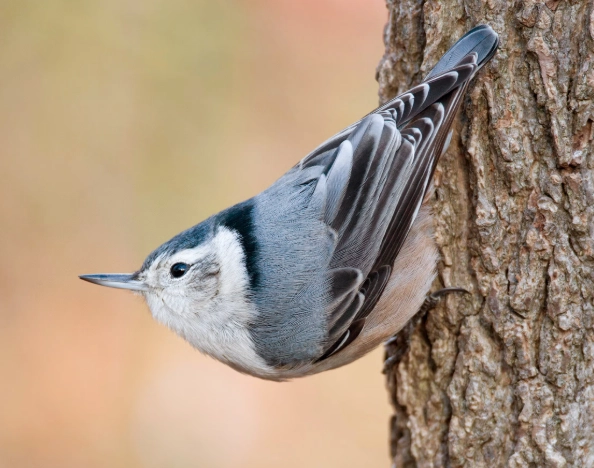
Height and Location
Nest height can vary wildly. I've seen records of nests as low as 5 feet off the ground and as high as 90 feet. Typically, they seem to favor the 15-40 foot range. It's a compromise—high enough to be safe from many ground predators, but not so high that the daily commute is exhausting. The cavity itself is usually on the underside of a branch or in a limb, not the main trunk, which might offer some protection from rain dripping straight in.
Here’s a breakdown of their typical natural nesting preferences:
| Feature | Typical Preference | Why It Matters |
|---|---|---|
| Cavity Source | Old Woodpecker Holes, Natural Decay | They are adapters, not builders. Saves energy. |
| Tree Condition | Dead Wood (Snags) or Dead Limbs | Softer wood is easier to modify and shape. |
| Entrance Hole | 1-1.5 inches in diameter | Just big enough for them, too small for many competitors. |
| Nest Height | 15 to 40 feet common | Balances safety and accessibility. |
| Interior | Lined with bark strips, grass, fur | Creates a soft, insulated cup for the eggs. |
Bringing the Nesting Site to You: Backyard Nest Boxes
This is where it gets exciting for us backyard birders. White-breasted Nuthatches will readily use properly designed nest boxes. Getting them to raise a family in your yard is an incredible experience. But you can't just hang any old birdhouse and expect success. Their requirements are specific.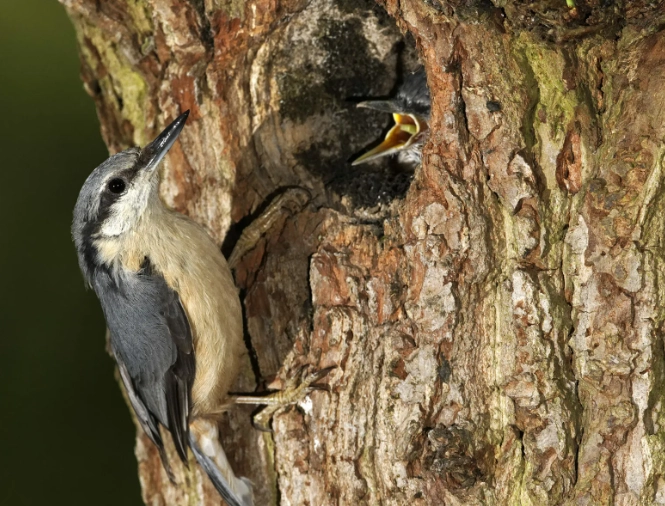
The million-dollar question for many is: will a White-breasted Nuthatch use a nest box? Absolutely. But it has to feel like a natural cavity to them.
The Perfect Nuthatch Nest Box Blueprint
Forget the cute, brightly painted houses. Think minimalist, functional, and safe.
- Dimensions: The floor should be about 4x4 inches. The interior height from floor to ceiling should be 8-10 inches. This gives them room to build their nest at the bottom while keeping the eggs deep and protected.
- The Entrance Hole: This is critical. The diameter should be 1 1/4 inches (32mm). A 1-inch hole is too small for a comfortable fit. A 1.5-inch hole starts to invite larger, more aggressive birds like starlings or even squirrels. The 1.25-inch size is the sweet spot—perfect for nuthatches and chickadees, but excluding many troublemakers. The hole should be placed 6-8 inches above the floor.
- Material: Untreated, rough-cut wood like cedar or pine is ideal. It breathes better than plastic and mimics tree bark. Avoid pressure-treated lumber.
- No Perch: Do not add a perch below the hole. Cavity nesters don't need them, and perches only give predators and competitors like house sparrows an easier way to hassle the occupants.
- Ventilation & Drainage: Small holes near the top of the side walls for ventilation, and small holes in the floor or gaps at the corners for drainage are essential. A wet nest is a death sentence for chicks.
Where to Place Your Nest Box
Location is just as important as the box itself. Mount the box on a tree trunk or a sturdy post. Face the entrance away from prevailing winds and strong afternoon sun (north or east-facing is often good). Height is flexible; 5-15 feet is fine if you can safely monitor it. I've had most success around 8-10 feet high.
Make sure the front panel is hinged or removable for end-of-season cleaning. And yes, you MUST clean it out after the breeding season (late fall). This removes parasites and makes it ready for next year's tenants, who might use it as a winter roost spot.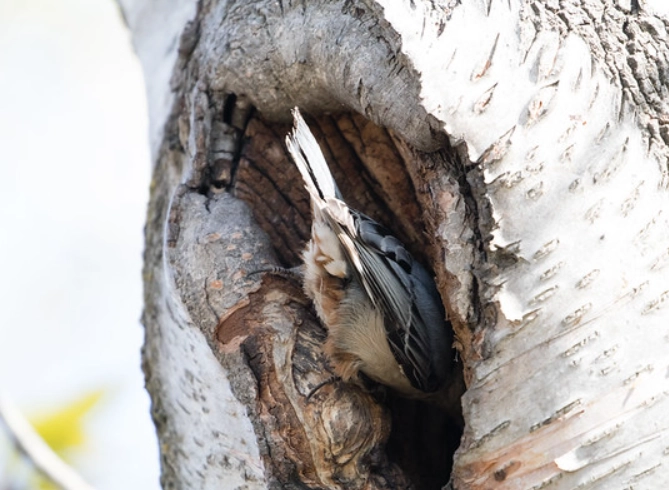
Inside the Nest: From Eggs to Fledglings
Once you've provided the perfect spot and a pair moves in, the real magic begins. So, what happens inside that dark cavity?
The Nest Itself
The female does most of the interior decorating. She creates a soft cup from fine materials like bark strips (especially from cedar or grapevine), grass, and often copious amounts of fur or feathers. I've read accounts of nests lined with rabbit fur, dog hair, and even feathers from other birds. They make a cozy, insulated bed for the eggs.
The Family Life Cycle
The female lays 5-9 small, white eggs speckled with reddish-brown. She does almost all the incubating, which lasts about 12-14 days. During this time, the male is a dutiful partner, feeding her regularly. I've watched this—the male flies to the entrance, calls softly, and the female pops her head out to take a spider or a seed before slipping back inside.
Once the eggs hatch, both parents become a non-stop bug-delivery service. For the next 14-18 days, they are in constant motion, catching caterpillars, spiders, beetles, and other insects to stuff into the hungry mouths of their chicks. This is why having native plants that host insects is so crucial—it provides the natural baby food.
Then comes fledging day. It's chaotic and wonderful. The young birds, looking like slightly scruffy versions of their parents, tumble out of the hole one by one. They can't fly well at first, so they hop and flutter in the branches nearby. The parents continue to feed them for several weeks as they learn to forage. This is a vulnerable time, so keep cats indoors.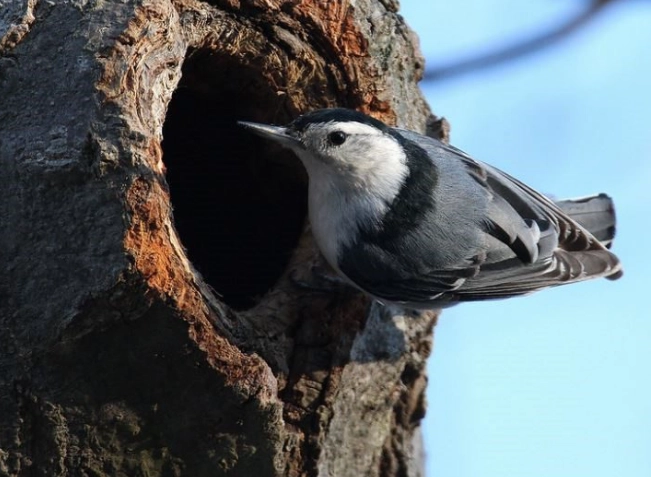
To understand the delicate development of those nestlings, the Cornell Lab's All About Birds species guide has detailed, scientifically accurate information on their life history that's invaluable for the curious observer.
Common Questions (Stuff You're Actually Wondering)
Let's tackle some of the specific questions that pop up when you're trying to figure out where do White-breasted Nuthatches nest.
Do they use the same nest every year?
Generally, no. They typically excavate a new cavity or clean out and refurbish a different one each spring. However, they are fiercely loyal to their territory. So while they might not use the exact same hole, they'll almost certainly nest in the same patch of woods or your backyard year after year if conditions are good.
How can I tell if a nest box is occupied?
Watch for the telltale signs. The most obvious is the pair carrying nesting material in—bits of bark, fur, etc. Listen for the soft, conversational calls between the pair near the box. Once incubation starts, you'll see one bird (the female) disappear inside for long periods, while the other visits frequently to feed her. Don't tap on or open the box during this critical time.
What time of year do they nest?
This varies by latitude. In most of their range, nest building can start as early as late March or April. Egg-laying is often in April or May. You might see activity well into June, especially if a pair attempts a second brood, which is not uncommon.
What are their biggest nesting threats?
In natural settings, the lack of dead wood (due to forestry "clean-up" practices) is a huge problem. In backyards, it's predators: snakes, raccoons, and especially domestic cats. Competition from non-native birds like European Starlings and House Sparrows is also a serious issue, which is why that precise entrance hole size is so important.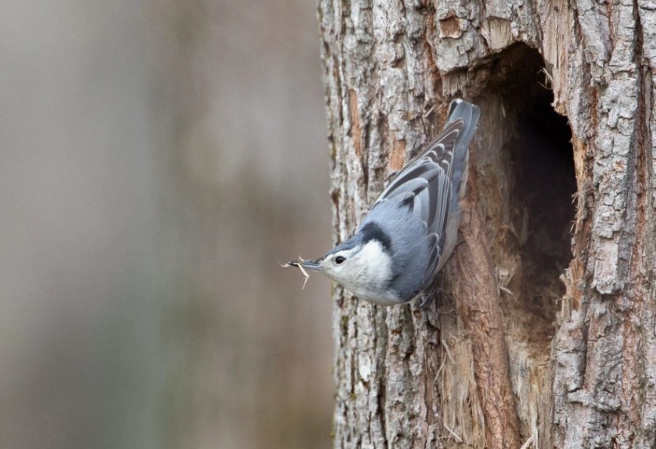
Beyond the Box: Creating a Nuthatch-Friendly Habitat
A nest box is a great start, but it's just one piece of the puzzle. To truly answer where do White-breasted Nuthatches nest successfully, you need to think about the whole habitat.
- Food Year-Round: Keep those feeders stocked with sunflower seeds and suet, especially in winter. But also plant native oaks, pines, and other trees that produce natural seeds and host caterpillars.
- Water: A clean birdbath, ideally with a dripper or mister, is a major attractant.
- Safety: Keep cats indoors. Minimize pesticide use to ensure a healthy insect population for their young.
- Think Vertical: They need mature trees. If you're planting for the future, plant a tree today. Even a single mature tree can be a nesting hub.
It all connects. The tree provides the potential cavity. The insects in the tree and your garden feed the chicks. The seeds and suet at your feeder help the adults survive the winter so they're ready to breed in your backyard come spring.
So, the next time you see that flash of gray and white spiraling down a trunk, you'll know exactly what they're looking for. You'll understand the hidden world inside the trees. And with a little effort—a properly built box, a safe place to mount it, and a welcoming habitat—you might just get to witness the entire miraculous process from your kitchen window. That's the real reward. It's not just about knowing where they nest; it's about helping them do it successfully, right there with you.
Honestly, watching that first nuthatch chick peek its head out of a box you put up is a feeling that beats just about anything. It makes all the squirrel-battling and box-building totally worth it. Go give it a try.
Reader Comments