You're in your backyard, binoculars in hand. A flash of red catches your eye. A Northern Cardinal. Beautiful. You note it down. But what if that simple act of noticing could unlock a deeper world? What if you could understand why it's singing that specific song, what it's building its nest with, or how its behavior predicts the weather? That's the leap from casual bird watching to applied ornithology. It's not about memorizing every feather; it's about learning the language of birds. This guide is your bridge.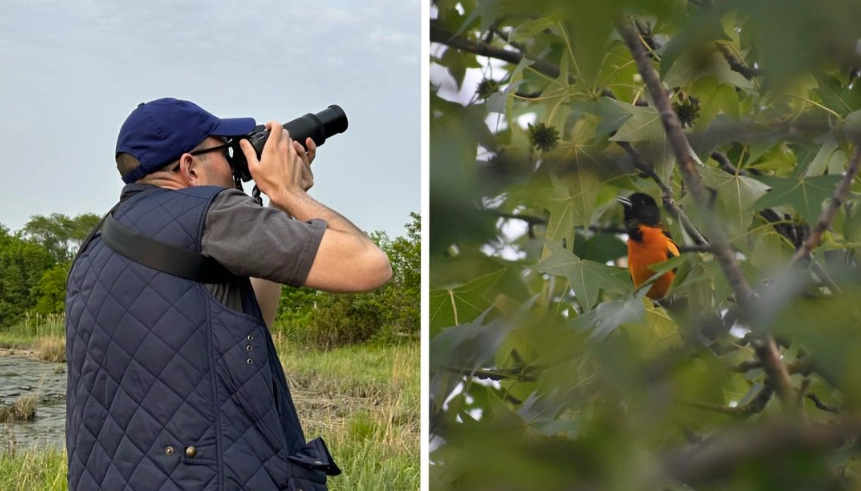
I've spent over a decade in muddy boots, my notebook smudged with rain and pencil lead. I've made every mistake—buying the wrong gear, misidentifying common birds, and wasting hours in the wrong habitat. More importantly, I've learned how to correct them. Here, I'll share the core ornithology skills that transformed my birding from a hobby into a meaningful practice, and how they can do the same for you.
Your Quick Path to Better Birding
The Ornithologist's Toolkit: Gear That Actually Works
Let's get the shopping list out of the way. You don't need the most expensive gear, but you need the right gear. A common trap is prioritizing camera megapixels over optical clarity. If you can't see the bird clearly, a perfect photo is meaningless for learning.
The cornerstone is a good pair of binoculars. Forget zoom power; focus on two numbers: magnification and objective lens size (e.g., 8x42). An 8x or 10x magnification is ideal for stability and field of view. The second number (42) affects light gathering—crucial for dawn and dusk. I recommend an 8x42 for most beginners. Brands like Vortex, Nikon, and Celestron offer excellent "roof prism" models in the $200-$400 range with lifetime warranties.
Your field guide should be digital and physical. The Merlin Bird ID app by the Cornell Lab of Ornithology is revolutionary for sound identification. But also carry a paperback like Sibley's—battery never dies, and comparing illustrations side-by-side trains your eye better than scrolling.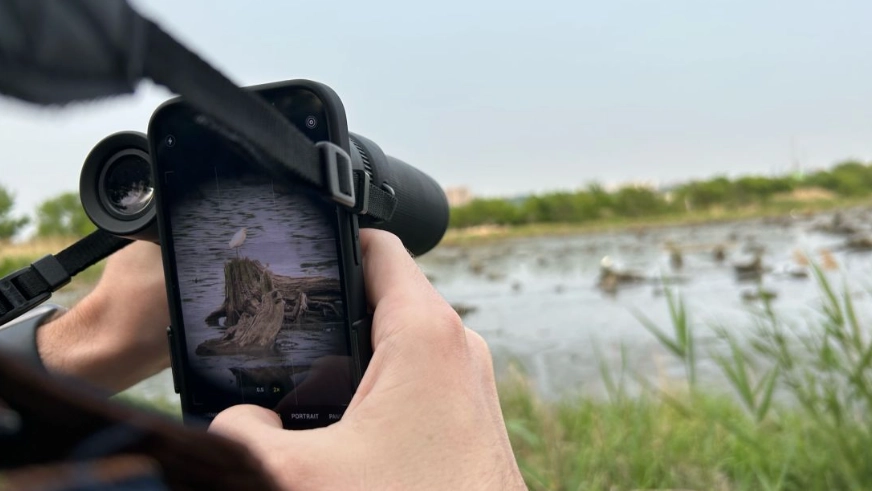
The most underrated tool? A simple, weatherproof notebook and a mechanical pencil. Jotting notes on posture, habitat, and behavior forces you to observe details your camera ignores.
Binoculars Breakdown: Key Specs Decoded
| Specification | What It Means | Beginner Sweet Spot | Why It Matters |
|---|---|---|---|
| Magnification (e.g., 8x) | How many times closer the object appears. | 8x or 10x | Higher than 10x is hard to hold steady without a tripod. 8x offers a wider, brighter view. |
| Objective Lens Diameter (e.g., 42mm) | The size of the front lenses, measured in millimeters. | 32mm to 42mm | Larger lenses gather more light for better viewing in low light, but add weight. |
| Field of View | The width of the area you see at a specific distance. | Wider is better (e.g., 400+ ft at 1000yds) | A wide field makes it easier to locate and follow fast-moving birds in bushes or sky. |
| Close Focus | The minimum distance at which binoculars can focus. | Under 10 feet | Essential for observing butterflies, dragonflies, or birds at very close range. |
| Waterproof & Fogproof | Nitrogen or Argon purged to prevent internal fogging. | Essential | Protects your investment from rain, humidity, and sudden temperature changes. |
The Five Foundational Skills of Field Ornithology
Skills separate a birder from a bird watcher. These aren't just tips; they're systematic approaches used by professionals.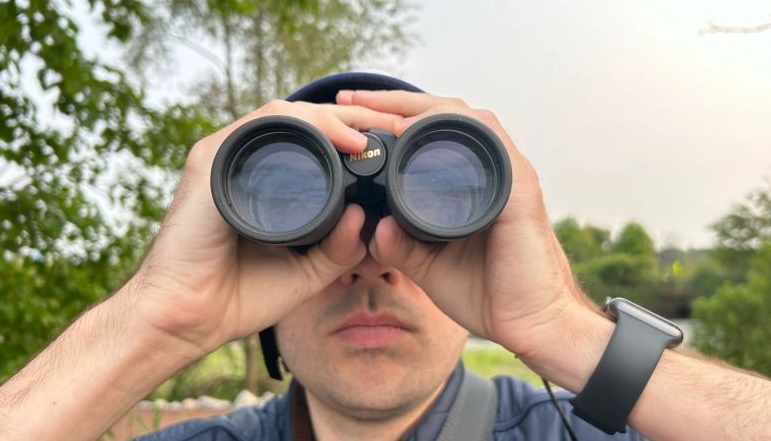
1. Strategic Observation & Habitat Selection
Don't just wander. Birds occupy specific niches. Want warblers? Look in deciduous canopies in spring. Sparrows? Grassy fields with shrubs. Ducks? Open water. Research habitats like edges (where forest meets field), wetlands, and successional growth. A local park might have 20 species, but a managed wetland reserve could have 100. Use resources like eBird's "Explore Hotspots" map to see where others are finding birds near you.
2. The GISS Method: Identification Before Details
GISS stands for General Impression of Size and Shape. Before you see color or markings, ask: Is it sparrow-sized or crow-sized? Does it have a long tail (mockingbird) or a short, notched tail (starling)? What's its silhouette? This method works in poor light or at a distance. A flying hawk's wing shape—broad and rounded vs. long and pointed—tells you more than any field guide page at that moment.
3. Mastering Bird Sound Identification
This is the single biggest skill upgrade. Most birds are heard, not seen. Start with the common ones in your area. Don't just try to remember the song; describe it to yourself. Is it a whistled phrase (Northern Cardinal), a rapid chatter (House Wren), or a harsh call (Blue Jay)? Use mnemonics: "Quick, three beers!" for the Olive-sided Flycatcher. Record snippets on your phone (even if poor quality) to review later with Merlin.
4. Systematic Note-Taking & Field Journaling
Your memory is unreliable. A field journal isn't a list; it's a story. Note the date, location, weather, habitat. Then, for each species: abundance, behavior (feeding, singing, preening), and interactions. Sketching, even badly, forces incredible attention to detail. Did you see a Robin pulling a worm? Note the technique. This data becomes invaluable over time, revealing patterns.
5. Ethical Fieldcraft: The Bird's Welfare First
Ornithology is about understanding, not disturbing. Keep a respectful distance. Use your binoculars and scope; never chase a bird to get a photo. Avoid playing recorded calls excessively, especially during nesting season—it stresses birds and can lure them away from their nests. Stay on trails to minimize habitat damage. Your patience will often yield better observations than aggressive pursuit.
Going Beyond Identification: Reading Avian Behavior
Once you know what it is, the real fun begins: figuring out what it's doing. Behavior is the key to ecology.
Feeding Behavior: How a bird eats tells you about its niche. A woodpecker hammering (foraging on trunks) is different from a flycatcher sallying out from a perch (aerial insect hunting) or a duck dabbling (filtering water). Notice the substrate—ground, leaves, bark, air.
Vocalizations & Their Context: Birds don't sing because they're happy. That complex song is a territorial broadcast and mate attractant. Sharp, metallic "chip" notes are often contact or alarm calls. Learning the context—song from a high perch in spring vs. alarm calls near a nest—adds a narrative layer to your outing.
Social Structure: Are they solitary (like most hawks), in pairs (mated cardinals), or in flocks (waxwings, starlings)? Flock composition can change with seasons—winter foraging flocks often mix species, which is a great survival strategy for finding food and avoiding predators.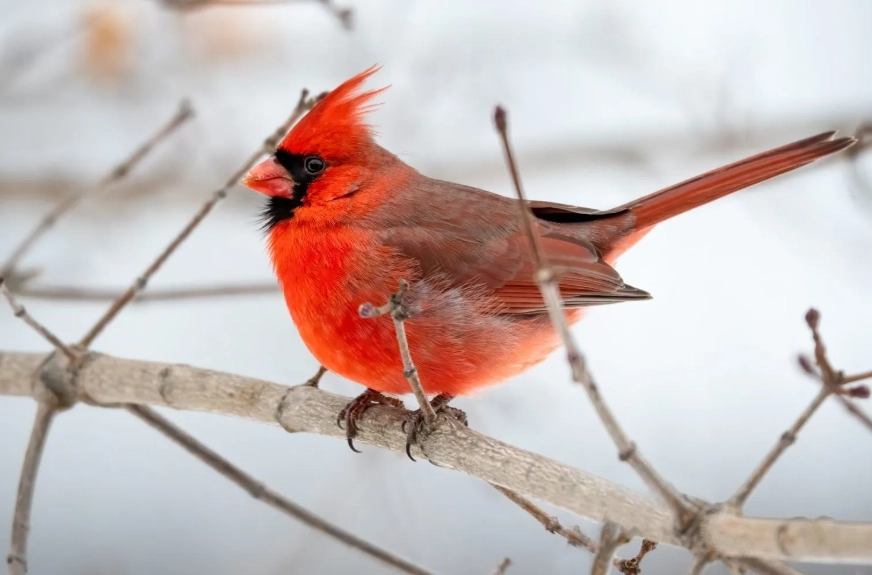
Your Observations Matter: Joining the Citizen Science Movement
This is where your hobby contributes to real science. Ornithology relies heavily on vast datasets that professionals alone could never collect.
The premier platform is eBird, managed by the Cornell Lab of Ornithology. Submitting your checklists creates a permanent, scientific record of what you saw, where, and when. This data tracks migration timing, population trends, and range shifts due to climate change. Your backyard list is a tiny data point; combined with millions of others, it becomes a powerful conservation tool.
Consider targeted projects like the Christmas Bird Count or Project FeederWatch. These structured efforts provide critical winter population data. The feeling of knowing your Sunday morning observations helped a researcher publish a paper on habitat loss is unparalleled.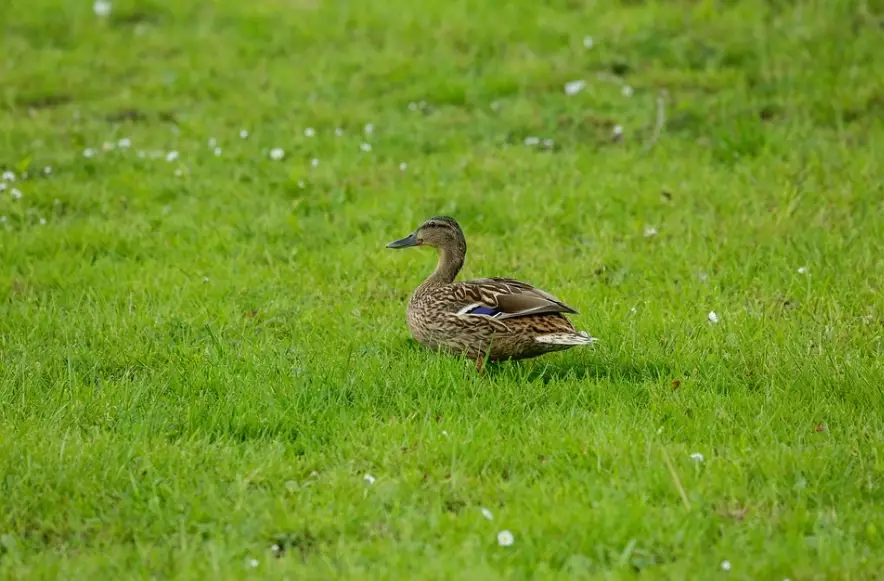
Answers to the Questions Birders Actually Ask
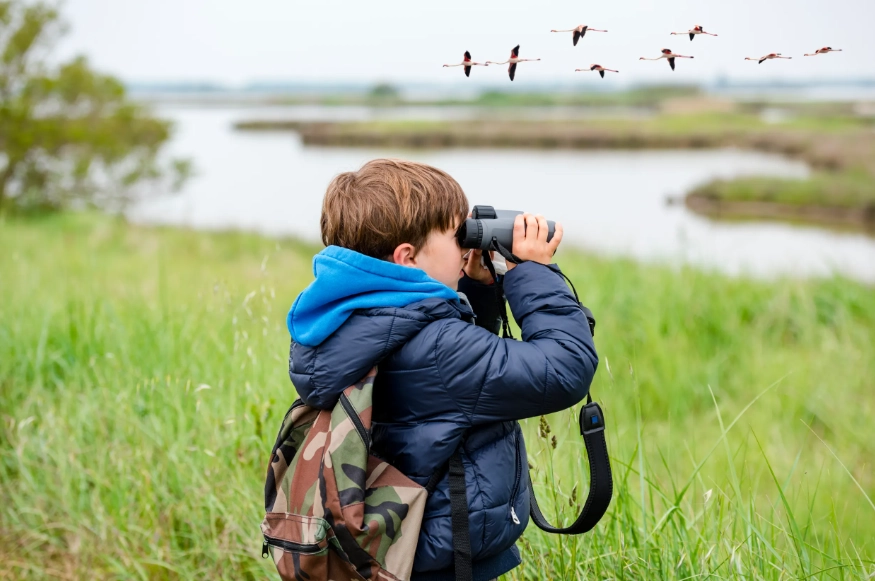
The journey from spotting a red bird to understanding the life of a Northern Cardinal is the essence of bird watching ornithology. It turns a pleasant walk into a lifelong pursuit of discovery. It's not about knowing everything; it's about knowing how to look, listen, and learn. Grab your binoculars, leave the pressure behind, and go see what the birds have to teach you today.
Reader Comments