Let's cut to the chase. A truly great birding lodge isn't just a place to sleep. It's the launchpad for your most memorable avian encounters. It's the spot where a local guide points out a bird you'd have walked right past, where you share stories with fellow enthusiasts over dinner, and where you fall asleep to the sounds of the forest you came to explore. Over years of chasing birds across continents, I've learned that the right lodge can make or break a trip. This guide isn't a generic list. It's a curated look at what makes a lodge exceptional, with specific recommendations and the hard-won advice you need to choose your own perfect basecamp.
Your Quick Guide to Birding Paradise
- How to Choose the Right Birding Lodge for You?
- World's Top Birding Lodges at a Glance
- 1. Cristalino Jungle Lodge – The Amazonian Immersion
- 2. The Masai Mara's Governors' Camp – Safari & Sky Combined
- 3. Asa Wright Nature Centre – The Caribbean Classic
- 4. Cabañas San Isidro – The Andean Cloudforest Gem
- 5. Borneo Rainforest Lodge – The Ultimate Dipterocarp Experience
- What Makes a Lodge Truly ‘Bird-Friendly’?
- Your Birding Lodge Questions, Answered
How to Choose the Right Birding Lodge for You?
Before we get to the list, let's talk strategy. Picking a lodge based solely on a "top 10" list is a common mistake. The best lodge for a solo photographer seeking rare antbirds is different from the best for a family wanting toucans and comfort. Ask yourself these questions first:
What's your target ecosystem? Amazon basin? African savanna? Southeast Asian rainforest? This narrows the continent, then the country.
What's your budget reality? Lodges range from $150 to $1,500+ per night. The price usually includes meals and guided walks, but rarely international flights.
How important are guide expertise and lodge ethics? A lodge with resident PhD ornithologists is a different beast from one with general naturalist guides. Check if they support local conservation projects—this often correlates with a deeper commitment.
What's your tolerance for adventure? Some lodges require small plane flights and boat rides. Others are a 2-hour drive from an airport. The journey is part of the experience.
World's Top Birding Lodges at a Glance
Here’s a snapshot of five standout lodges across the globe. This table gives you the hard facts; the detailed profiles below give you the feel, the specific birds, and the quirks.
| Lodge Name | Location | Key Bird Species | Price Range (per night, all-inclusive) | Best For |
|---|---|---|---|---|
| Cristalino Jungle Lodge | Southern Amazon, Brazil | Harpy Eagle, Amazonian Parrotlet, Pompadour Cotinga | $$$ ($500 - $700) | Serious listers, Amazon specialists, photography |
| Governors' Camp | Masai Mara, Kenya | Secretarybird, Lilac-breasted Roller, Martial Eagle | $$$$ ($700 - $1000+) | Combining big game & birds, luxury safari experience |
| Asa Wright Nature Centre | Trinidad, Caribbean | Oilbird, Bearded Bellbird, 15+ hummingbird species | $$ ($250 - $400) | Ease of access, hummingbird fans, classic Neotropical birding |
| Cabañas San Isidro | Andean Cloudforest, Ecuador | Andean Cock-of-the-rock, Giant Antpitta, Mountain Toucan | $$ ($200 - $350) | Cloudforest endemics, value, family-run authenticity |
| Borneo Rainforest Lodge | Danum Valley, Sabah, Malaysia | Rhinoceros Hornbill, Bornean Bristlehead, Storm's Stork | $$$ ($450 - $650) | Asian rainforest megafauna, canopy walks, research-based guiding |
1. Cristalino Jungle Lodge – The Amazonian Immersion
Cristalino Jungle Lodge: Deep Amazon Access
Location: Alta Floresta, Mato Grosso, Brazil. You fly into Alta Floresta (from Sao Paulo or Cuiabá), then it's a 1.5-hour van ride followed by a 30-minute boat trip up the Cristalino River. The journey feels like an expedition.
The Vibe: This isn't luxury in the marble-bathroom sense. It's luxury in the "we own a 28,000-acre private reserve" sense. The focus is entirely on the forest. The bungalows are comfortable but rustic, with open-air showers. The real living room is the communal deck overlooking the river.
Birding Setup: The guides are exceptional. Many are researchers who have published papers on the local avifauna. They know not just the birds, but their behavior. The lodge's two canopy towers (one 50m high) are game-changers for seeing canopy flocks and raptors. I once spent a morning on the tower watching a pair of Ornate Hawk-Eagles preening, an experience impossible from the ground.
Logistics & Cost: All-inclusive packages (transfer, lodging, meals, guided activities) start around $500/night. Book at least 6-8 months in advance for the dry season (June-October). The wet season (Nov-April) is hotter, buggier, but fantastic for riverine species and has fewer visitors.
Personal Take: This is arguably the best-managed, most scientifically-oriented birding lodge in the entire Amazon basin. If your goal is depth over comfort, this is your spot.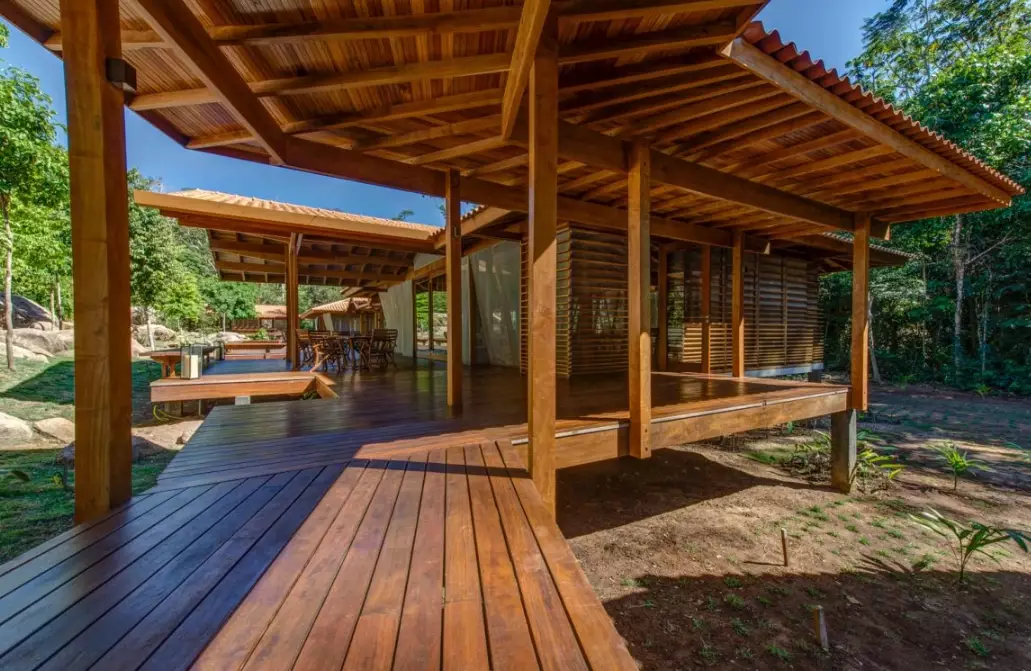
2. The Masai Mara's Governors' Camp – Safari & Sky Combined
Governors' Camp: Birds Among the Beasts
Location: Masai Mara National Reserve, Kenya. A short flight from Nairobi directly to the camp's airstrip.
The Vibe: Classic, elegant safari. Large, luxurious tents on permanent platforms along the Mara River. You'll hear hippos grunting at night. While most guests are here for lions and elephants, the birding is world-class and the guides are knowledgeable on all fronts.
Birding Setup: Birding happens on game drives. The open savanna makes for easy spotting. Your guide will point out the dazzling Lilac-breasted Rollers, massive Martial Eagles on treetops, and the prehistoric-looking Secretarybird stalking through the grass. The camp itself attracts bushshrikes, weavers, and kingfishers.
Logistics & Cost: This is high-end, often $800-$1200/night all-inclusive. The "shoulder seasons" (May-June, Oct-Nov) offer great value, with the wildebeest migration often in the area and resident birds still prolific.
Personal Take: It's expensive, yes. But for seamlessly blending incredible mammal viewing with effortless, productive birding in stunning comfort, it's hard to beat. It's the perfect "compromise" destination for a birder with a non-birding partner who dreams of an African safari.
3. Asa Wright Nature Centre – The Caribbean Classic
Asa Wright: The Accessible Wonder
Location: Arima Valley, Trinidad. Just a 90-minute drive from Port of Spain's international airport.
The Vibe: Feels like visiting a knowledgeable friend's estate. The main verandah is legendary—rows of chairs facing a bank of hummingbird and fruit feeders. You can sit with a coffee and see a dozen species before breakfast. It's social, relaxed, and incredibly productive.
Birding Setup: The star is the accessible Oilbird cave—the only place in the world you can easily see these nocturnal, fruit-eating oddities. Guided walks on the property's trails yield antbirds, manakins, and the deafening call of the Bearded Bellbird. It's ideal for beginners or those with mobility concerns, as much can be seen close to the lodge.
Logistics & Cost: Excellent value at $250-$400/night, including all meals and guided walks. You can book shorter stays (3 nights is common). No fancy transport needed—a standard taxi from the airport works.
Personal Take: Asa Wright is the most beginner-friendly world-class birding lodge. The "bang for your buck" and ease of logistics are unmatched. The downside? It can feel a bit like a birding factory at peak times. For a more intimate feel, ask for a room further from the main building.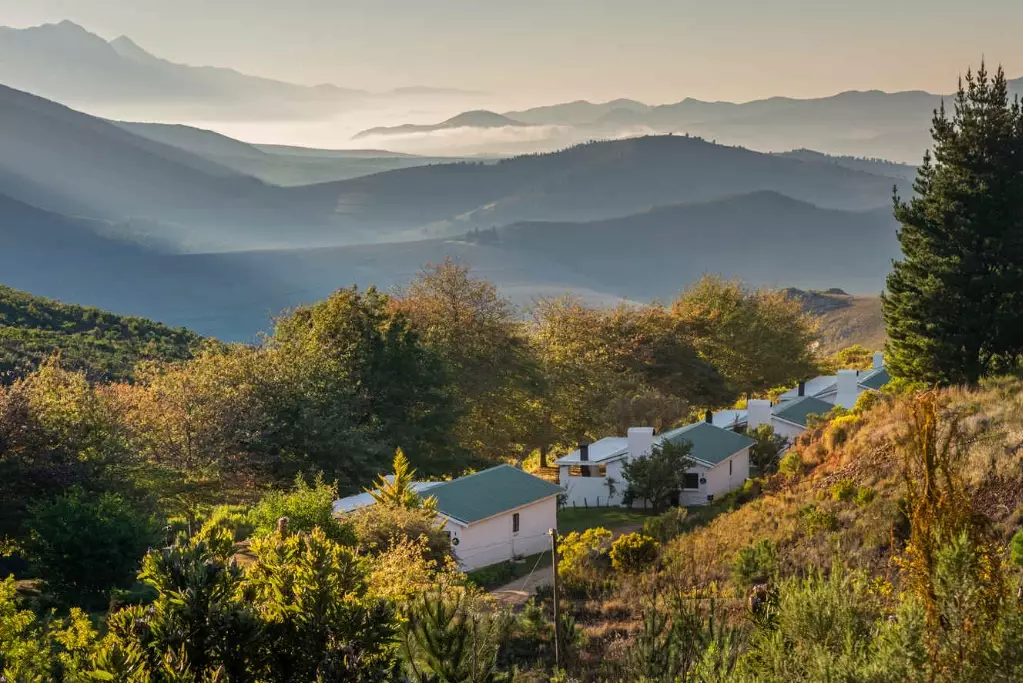
4. Cabañas San Isidro – The Andean Cloudforest Gem
Cabañas San Isidro: The Family-Run Cloudforest Haven
Location: Cosanga, Ecuador, on the eastern Andean slope. About a 2.5-hour drive from Quito.
The Vibe: Cozy, authentic, and family-run. The main lodge is a beautiful wooden building with a massive fireplace. The cabins are simple but warm. It feels like a mountain retreat. The family's dedication to conservation is palpable—they've reforested much of the area.
Birding Setup: The lodge's "Antpitta Restaurant" is famous. They've habituated several species, including the elusive Giant Antpitta, to come for worm feedings—a surreal and guaranteed photo op. The trails wind through stunning cloudforest loaded with tanagers, flycatchers, and the spectacular Andean Cock-of-the-rock (a lek is nearby).
Logistics & Cost: Very reasonable at $200-$350/night full board. Often combined with a trip to the nearby Guango Lodge for hummingbirds. You'll need to arrange a driver from Quito (the lodge can help).
Personal Take: This is my top recommendation for value and authenticity in South America. The antpitta experience alone is worth the trip. It's less polished than some luxury lodges, but that's part of its charm. The home-cooked Ecuadorean meals are a delight.
5. Borneo Rainforest Lodge – The Ultimate Dipterocarp Experience
Borneo Rainforest Lodge: Asia's Rainforest Cathedral
Location: Danum Valley Conservation Area, Sabah, Malaysian Borneo. A 2.5-hour drive from Lahad Datu (which you fly into from Kota Kinabalu).
The Vibe: A stunning architectural feat nestled in primary rainforest. The design is open-air, connecting you constantly with the sights and sounds of the jungle. It's upscale but not stuffy.
Birding Setup: The 300m-long, 27m-high canopy walkway is the centerpiece. Being at eye-level with fruiting figs brings in hornbills, barbets, and the elusive Bornean Bristlehead. Ground-level trails are excellent for pittas, broadbills, and pheasants. Guides are sharp and the research station nearby means the science is top-notch.
Logistics & Cost: $450-$650/night for all-inclusive packages. The drive in is rough but part of the adventure. The dry season (March-October) is best. This is a bucket-list trip for serious Asia birders.
Personal Take: The most immersive way to experience Southeast Asia's rainforest avifauna. The lodge's scale and the quality of the forest are breathtaking. It's not cheap, but the experience of waking up in an untouched valley, with gibbons calling and hornbills flying past your balcony, is priceless.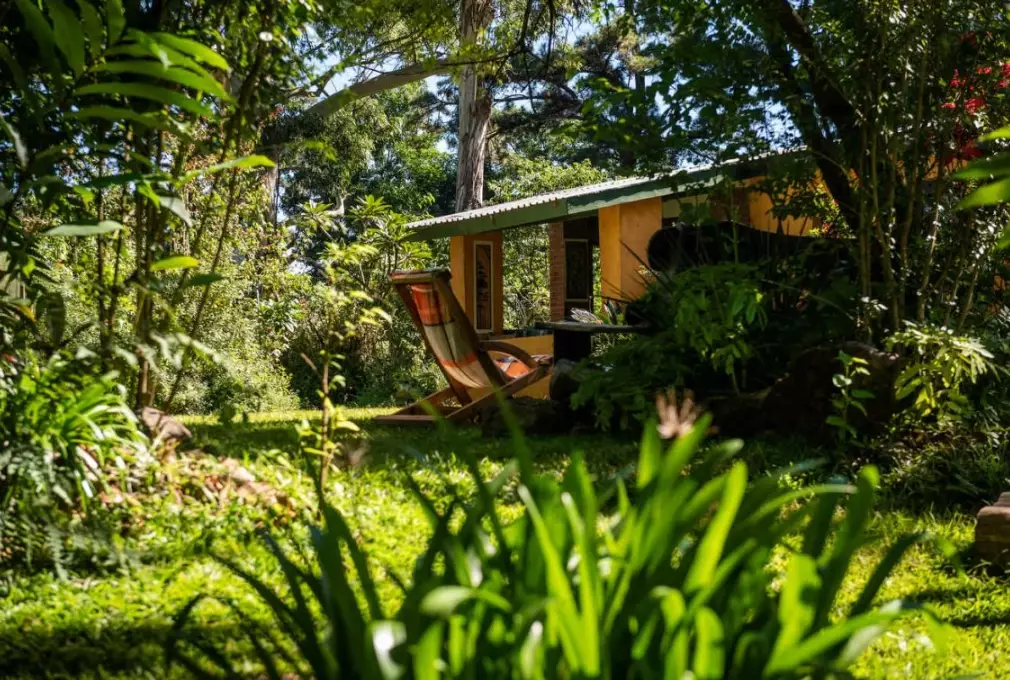
What Makes a Lodge Truly ‘Bird-Friendly’?
Beyond a good guide, look for these often-overlooked signs of a lodge that genuinely prioritizes birds and habitat:
Native Landscaping: Does the lodge plant native, bird-attracting trees and shrubs instead of manicured lawns? A lodge with fruiting and flowering native plants will have resident birds right outside.
Water Management: Bird baths or small, clean water features are magnets, especially in dry habitats.
Safe Glass: A major bird killer. The best lodges use frosted glass, decals, or special UV patterns on large windows to prevent collisions. It's a small detail that speaks volumes.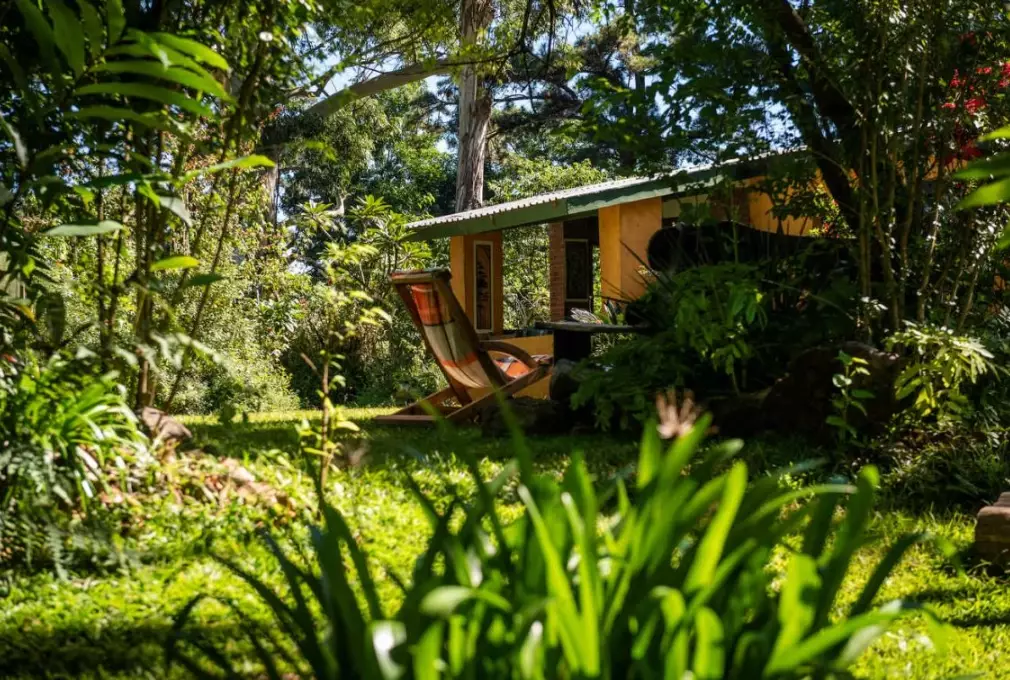
Conservation Fees: Does a portion of your stay fee go directly to a local conservation trust or land purchase? For example, Cristalino's fees directly fund their private reserve.
Quiet Policies: Lodges that enforce quiet hours, especially at dawn and dusk, and limit generator use show respect for the natural soundscape—and for birders trying to listen for calls.
Reader Comments