You're scanning a tree full of berries, and suddenly the whole thing seems to shimmer. Not with light, but with movement. Dozens of sleek, silky birds materialize, plucking fruit with quiet efficiency. No squawking, just a chorus of faint, high-pitched trills. You've found a flock of cedar waxwings, and it feels like stumbling into a secret, elegant party.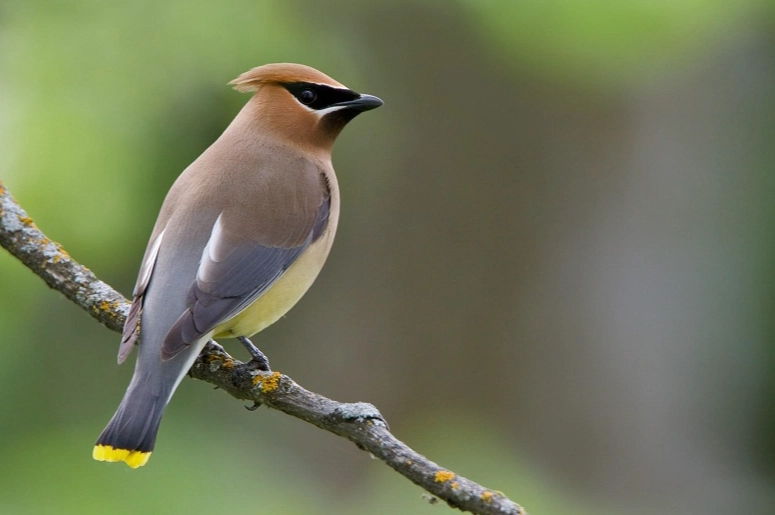
For many birders, the cedar waxwing (Bombycilla cedrorum) is a bucket-list bird that's deceptively common. They're widespread across North America, yet their nomadic, fruit-driven lifestyle makes them unpredictable. One day your crabapple tree is empty, the next it's hosting thirty of these masked bandits. This guide cuts through the guesswork. We'll cover exactly how to spot them, decode their behavior, and understand why they're one of the most fascinating birds at the edge of your binoculars.
What's in this guide?
Spot the Waxwing: The Definitive ID Checklist
Forget vague descriptions. Identifying a cedar waxwing is about a specific combination of features. Get one wrong, and you might be looking at something else.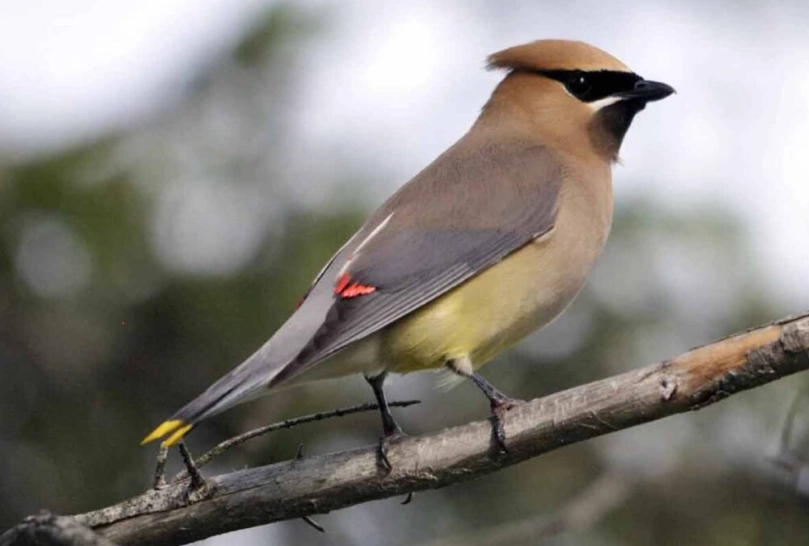
The Silhouette and Texture first. They have a sleek, crested head that often lies flat, giving them a streamlined, almost smoothed-back look. Their body is supremely soft-looking, like brown velvet or suede. This "softness" is a huge clue—it's why their genus name is Bombycilla, meaning "silk tail."
Pro Tip: The Common Mix-Up
New birders often confuse waxwings with female northern cardinals from a distance due to the crest and general size. The cardinal is thicker, with a massive conical bill and a long, red-tinged tail. The waxwing is all smooth lines, a tiny dark bill, and a short, crisp yellow-tipped tail. Look at the bill first; it's the quickest differentiator.
Now, move in for the detailed markings:
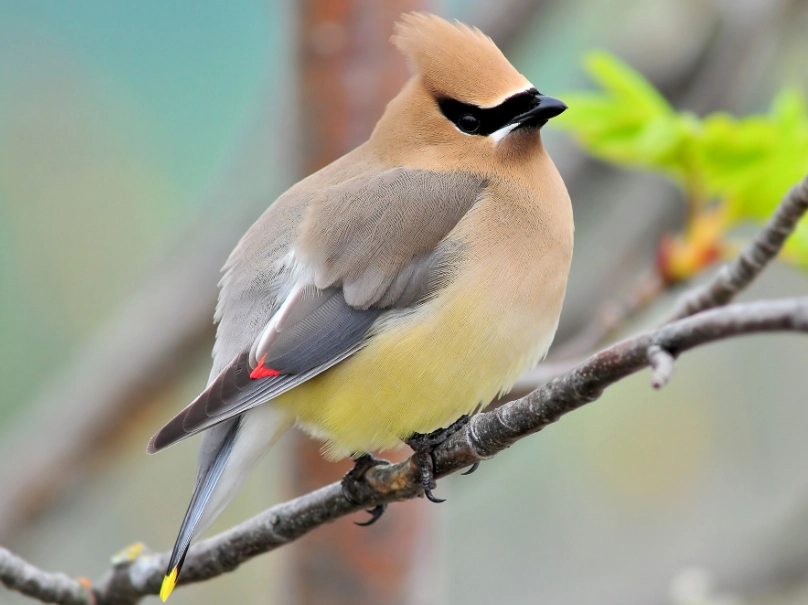
- The Black Mask: It's not just around the eyes. It's a sharp, bold band that runs from the bill, through the eye, and widens towards the back of the head. It looks like they're wearing a Zorro mask made of sleek satin.
- The Waxy Red Tips: The namesake feature. On the secondary wing feathers, you'll see red, shiny tips that look like drops of sealing wax. These increase in number with age. Don't expect to see them on every bird in a distant flock, but if you get a good close view, they're unmistakable.
- The Yellow Tail Band: A crisp, bright yellow band at the very end of the tail. It's like someone dipped the tail in paint. This is often more visible than the wing tips.
- The Pale Belly: Their underside fades from soft brown on the chest to a pale, buttery yellow on the belly, with subtle white undertail coverts.
| Feature | What to Look For | Common Mistake |
|---|---|---|
| Head & Bill | Sleek, flat crest. Very short, dark, straight bill. | Confusing with the larger, triangular bill of a starling or the massive bill of a cardinal. |
| Body Texture | Soft, smooth, silky appearance. Uniform brown-gray. | Mistaking for the streaky, coarse texture of a sparrow or the iridescent sheen of a starling. |
| Key Color Mark | Sharp black mask through eye. Yellow tail tip. (Red wing tips a bonus). | Focusing only on the crest and missing the critical mask. |
| Behavior in View | Social, perched upright in groups in treetops. Erratic flycatcher-like sallies for insects. | Expecting them at seed feeders on the ground. They are almost exclusively tree-top berry feeders. |
Listen for Them: Decoding the Waxwing's Social Chatter
Your ears will find them before your eyes do. Cedar waxwing calls aren't songs; they're constant, quiet social notes. If you hear a high, thin, hissy "sreeeeee" or a rapid, trilled "bzee-bzee-bzee" coming from a tree, freeze. That's the sound of a feeding flock.
It's easy to miss. It blends into the background rustle of leaves. I've spent minutes scanning a tree for a warbler, only to realize the soft trills I was dismissing as "background noise" were actually two dozen waxwings gossiping above me. The call is so high-pitched that some people lose the ability to hear it as they age.
They're not completely silent in flight either. Listen for a very faint, sibilant see note as a flock passes overhead, often heard on late summer or fall evenings as they move to a roost.
Why Don't They Have a Real Song?
Most songbirds sing to defend territories and attract mates. Cedar waxwings don't hold traditional breeding territories in the same way. They're colonial nesters, often nesting in loose clusters where food is abundant. Their social bonds are maintained through constant visual and auditory contact—that gentle trilling—rather than loud, broadcast songs. It's a subtle but crucial distinction in their ecology.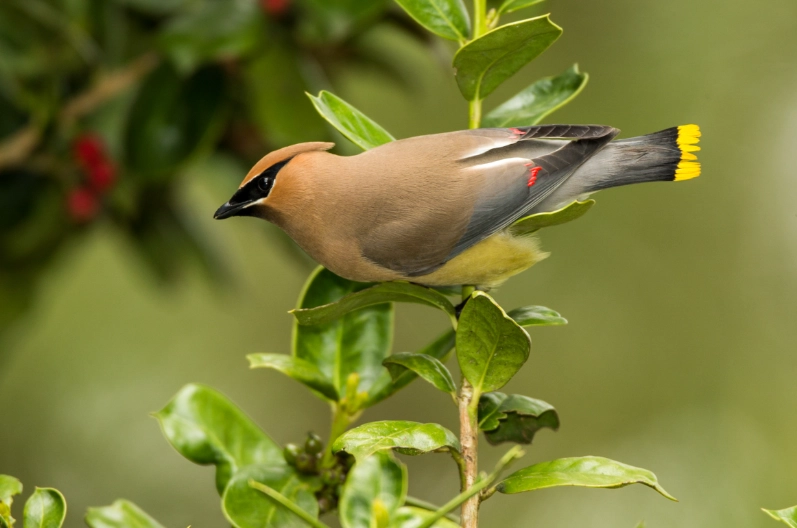
Find the Food, Find the Flock: Their Nomadic Lifestyle
This is the golden rule: cedar waxwing location = fruit location. They are obligate frugivores for much of the year. Their movements are a live map of ripening berries across the continent.
Their year starts in late winter and early spring, often with large flocks still relying on leftover fruit—crabapples, hawthorns, the berries of ornamental junipers and cedars (hence the name). As spring progresses, they switch to protein, performing dazzling aerial maneuvers to catch insects, which is crucial for feeding their young.
Come summer and fall, it's a berry bonanza. They track waves of ripening fruit:
- Early Summer: Serviceberries, mulberries, early cherries.
- Mid-Late Summer: Raspberries, blackberries, elderberries.
- Fall/Winter: Dogwood berries, mountain ash berries, viburnum, and especially the fruit of the introduced Morrow's Honeysuckle.
That last one is critical. The spread of this invasive shrub has likely altered waxwing behavior and even their appearance. The orange pigment in honeysuckle berries can cause their normally yellow tail bands to turn orange—a visible sign of their diet in the landscape.
Their foraging strategy is methodical. A flock descends on a tree, often perching in a row along a branch. They'll pluck a berry, toss it back in their throat, and sit still while digesting it before taking the next one. You'll rarely see frantic feeding. It's more like a dignified harvest.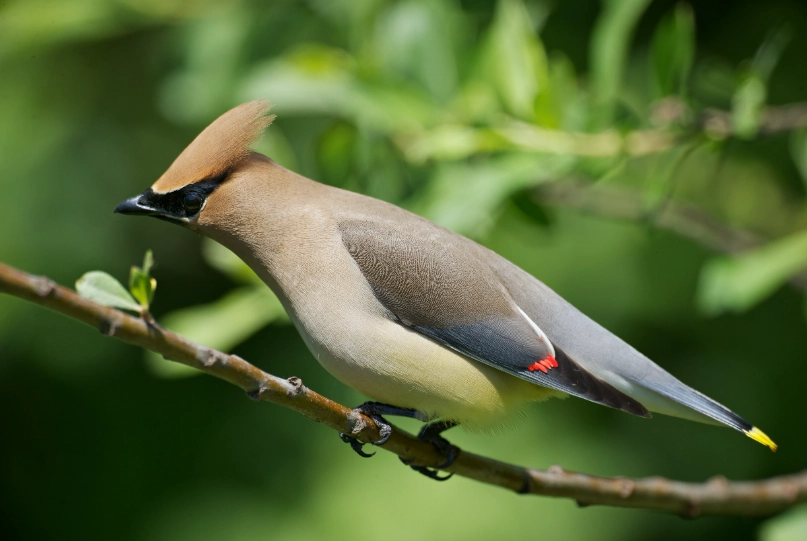
A Backyard Strategy: Can You Attract Waxwings?
You won't attract them with a tube feeder full of sunflower seeds. Attracting waxwings is a long-game habitat play. It's about creating a fruit station, not a feeder.
Step 1: Plant for Them. This is the most effective method. Choose native trees and shrubs that fruit at different times. Serviceberry (Amelanchier) is a superstar—it fruits early, and the birds love it. Dogwoods, winterberry holly (requires a male and female plant), chokeberry (Aronia), and native viburnums are excellent. Even a crabapple tree can be a waxwing magnet in late winter.
Step 2: Provide Water, Preferably Moving. Waxwings need to drink a lot, especially after eating dry, pithy berries. A birdbath is good. A birdbath with a dripper or a gentle mister is irresistible. I've seen a flock of 50 descend on my yard, bypassing the berry bushes entirely to take turns at the bubbling rock.
Step 3: The "Last Resort" Offering. If you have no berry plants, you can try offering chopped raisins or currants soaked in water until plump, or even small slices of apple, on a platform feeder. It's hit or miss, but during a harsh winter when natural fruit is scarce, they might investigate. Never offer dry raisins, as they can swell in a bird's gut.
The reward? A flash of elegance. Watching them interact is a lesson in avian manners. They'll pass a berry from one bird to another in a ritual that cements pair bonds. They feed with a peaceful coordination you don't see at a crowded finch feeder.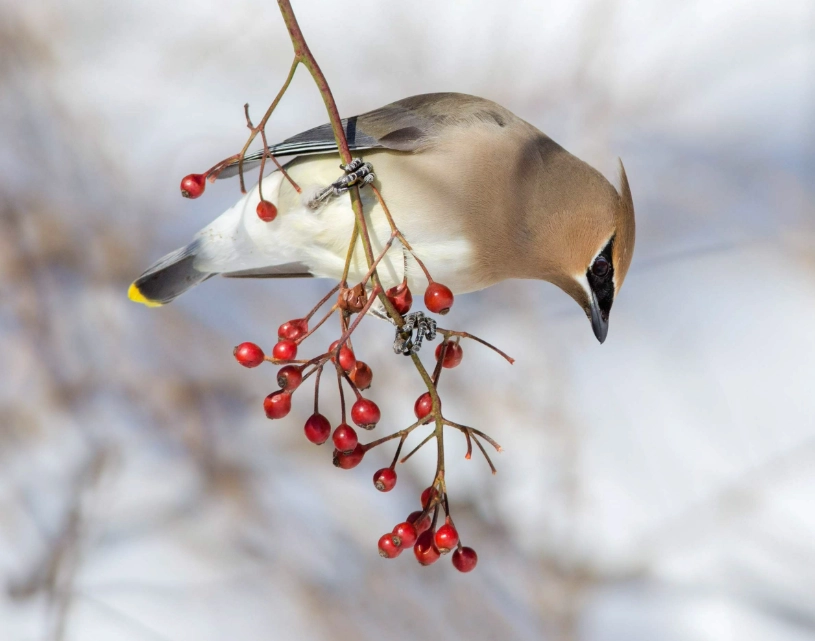
Your Cedar Waxwing Questions Answered
Let's tackle the specific, gritty questions that pop up when you're actually in the field or planning your garden.
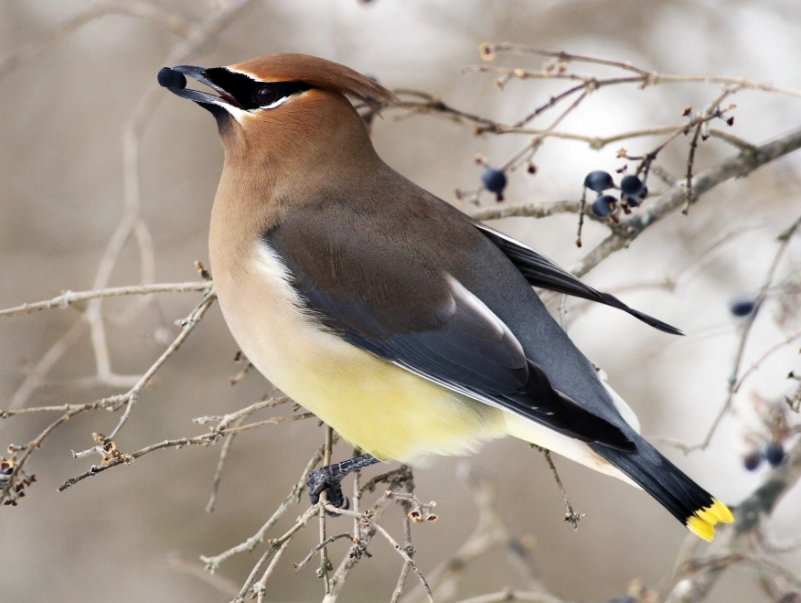 Finding cedar waxwings shifts your perspective. You start looking at landscapes in terms of fruit resources. You learn to listen for that faint, high trill above the wind. And when you finally see that flock, moving with a quiet, silken purpose, it feels less like spotting a bird and more like being let in on a secret. They remind you that beauty in nature isn't always loud and flashy—sometimes it's a masked face in a berry bush, sharing a meal with perfect, silent manners.
Reader Comments