I remember the first time I truly saw a kestrel. Not just a blur in the distance, but the real deal. I was on a slow walk along a fence line in early spring, and there it was, about fifty yards ahead. A small, pointy-winged shape hanging in the air, facing the wind, tail fanned. It hung there, utterly still yet vibrating with energy, then dropped like a stone into the tall grass. That moment—the dramatic hover, the precision strike—is what hooks most people on North America's smallest and most colorful falcon, the American kestrel. But there's a lot more to them than just a cool hunting trick, and a lot of subtle details most casual observers miss.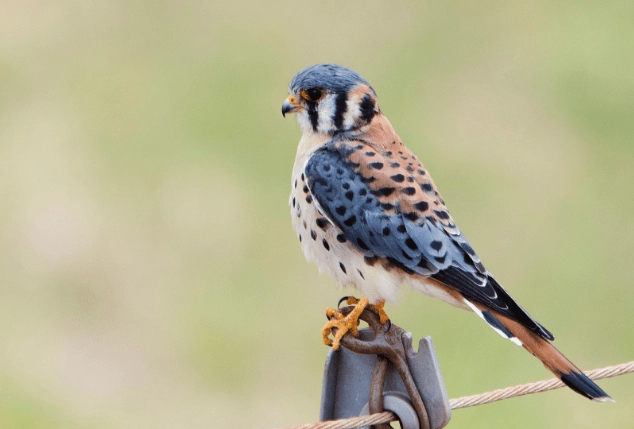
Your Quick Guide to Kestrels
Why This Tiny Falcon is a Master of Adaptation
Forget the image of a massive peregrine stooping on ducks. The American kestrel is the falcon world's versatile specialist. They thrive where other raptors might struggle: along highways, in agricultural fields, pastures, and even urban edges. Their success comes from a toolkit built for a specific niche.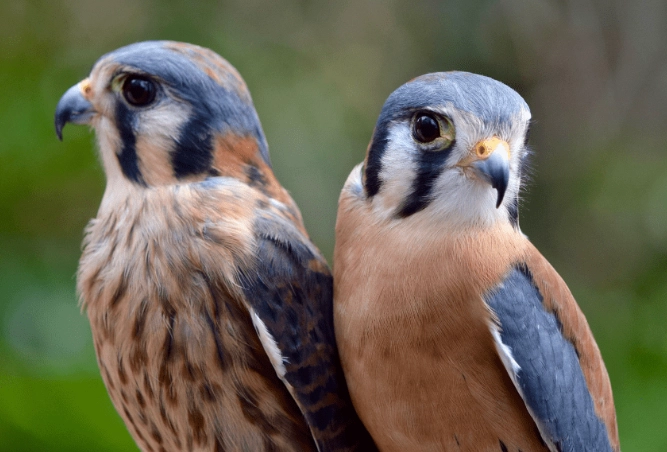
They're visual hunters first. Studies referenced by the Cornell Lab of Ornithology suggest kestrels can see ultraviolet light. This isn't for light shows; it lets them track the urine trails of small rodents like voles, which glow under UV. Think of it as a built-in prey-tracking system. Their famous hover isn't just for show—it's an energy-efficient way to scan a patch of ground with pinpoint accuracy before committing to a dive.
But here's a nuance most guides don't mention: that hover is weather-dependent. On a perfectly calm day, you might not see it much. They'll opt for perch-hunting from a wire or pole. They're pragmatic. The hover kicks in when there's a steady breeze to lean against, turning them into living kites. Watching for this condition-based behavior is a sign you're moving past beginner ID.
How to Identify an American Kestrel: A Step-by-Step Guide
So you see a small raptor. Is it a kestrel, a sharp-shinned hawk, or a merlin? This is where people get tripped up. Let's break it down, because color alone can be misleading, especially with females and juveniles.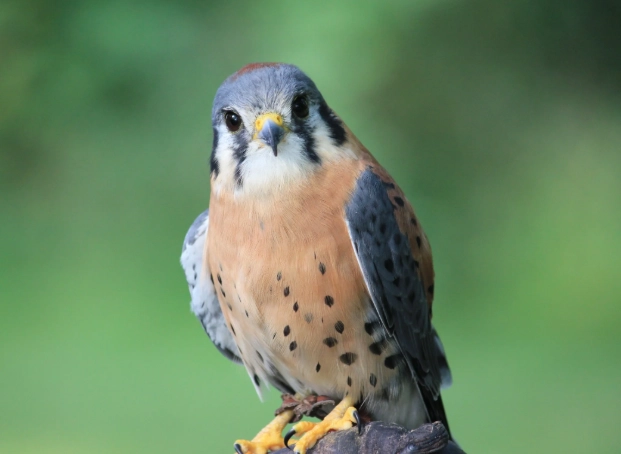
Key Identification Markers (The Non-Negotiables)
For Males: The pretty boys. Look for the combination of rufous (reddish-brown) back and tail with a blue-gray crown and wings. The black facial markings ("mustache" marks) are vertical and distinct. The tail has a single, broad black band at the tip. In flight, the underside of the wing shows two distinct black spots on the primary feathers—a dead giveaway.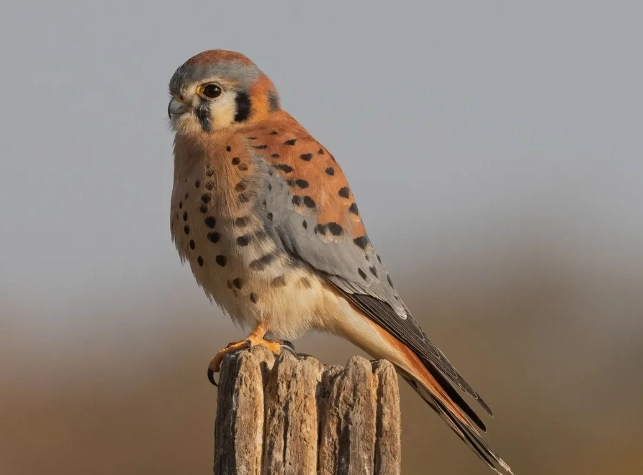
For Females & Juveniles: This is where confusion sets in. They lack the blue-gray. Females are rufous all over back and wings, with dense black barring. Their tail has multiple narrow black bands. The facial pattern is there but less stark. Juveniles look like paler, streaky versions of females. The biggest mistake? Calling a female kestrel a "sparrowhawk" (an old name for sharp-shinned hawk). The kestrel's pointed wings and long tail are the giveaways against the accipiter's short, rounded wings and long, narrow tail.
| Feature | American Kestrel (Male) | American Kestrel (Female) | Sharp-shinned Hawk (Similar Size) |
|---|---|---|---|
| Primary ID Clue | Rufous back, blue-gray wings, hovering | Rufous back/wings with heavy barring, long tail | Short, rounded wings, long narrow tail, flies with quick flaps & glide |
| Head Profile | Small, with distinct vertical "mustache" | Same facial pattern, less contrast | Small head that barely projects past wings in flight |
| Typical Perch | Upright on wires, fence posts, tips of branches | Same as male | Hidden inside tree canopy, rarely on open wires |
| Flight Style | Light, buoyant; frequent hovering; pointed wings | Same as male | Accelerating bursts of flaps, agile in woods |
Beyond the Hover: Decoding Kestrel Behavior & Habitat
Finding them is about understanding their grocery store. They need open space for hunting and vertical structures for perching and nesting.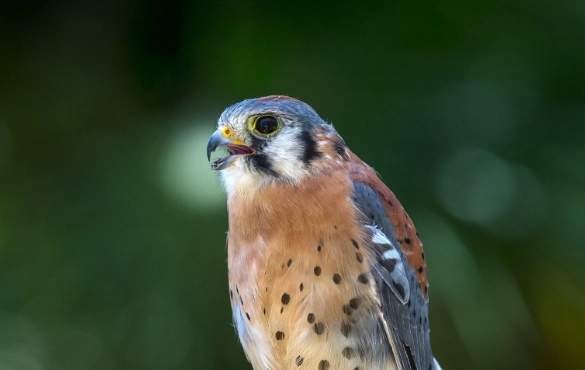
Prime Kestrel Real Estate:
- Agricultural Land: Hayfields, fallow fields, pastures. The mix of grass and perches (fence posts) is ideal.
- Grasslands & Meadows: Natural versions of the above, especially with rodent populations.
- Highway Corridors: The grassy verges are great hunting grounds, and the utility poles are perfect lookouts. It's a risky life but a productive one.
- Urban Edges: Large parks, airports, golf courses. Anywhere with minimal tree cover and lots of grass.
Their diet is more varied than you might think. Yes, it's mostly voles and mice. But they're also adept at catching large insects (grasshoppers, dragonflies), small birds, and even reptiles like lizards. I've watched one in Arizona methodically work a rock pile for whiptail lizards for twenty minutes. They adjust their menu to the local deli.
Vocalizations are another clue. Their call is a high, rapid "klee-klee-klee" or "killy-killy-killy." It's not the scream of a red-tailed hawk. It's insistent and almost frantic-sounding. You hear that near a potential nest cavity, you've found them.
Are Kestrels in Trouble? Understanding Conservation Status
This is the sobering part. Data from long-term surveys like the Breeding Bird Survey indicate that American kestrel populations have been declining in many areas across North America. They're not endangered globally, but the trend is worrying enough that they're a species of conservation concern.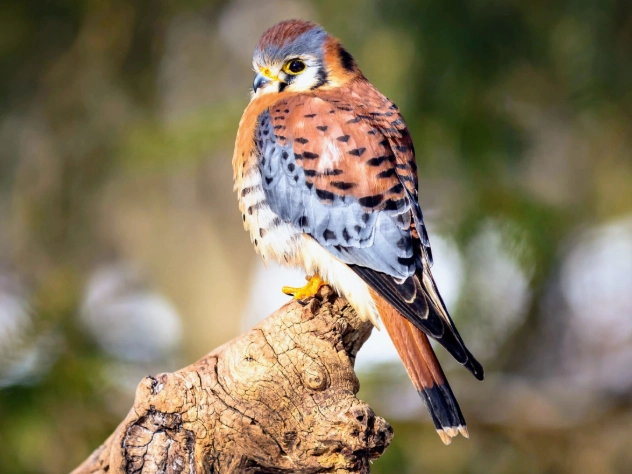
The causes aren't simple, but a few big ones stand out:
- Habitat Loss: Clean farming, fewer fence posts (switched to metal T-posts they can't grip), and the loss of old trees with natural cavities.
- Fewer Nest Sites: They are secondary cavity nesters. They don't excavate holes; they need woodpecker holes or natural hollows. As we clean up dead trees (snags), we remove their apartments.
- Prey Reduction & Pesticides: Fewer insects and rodents mean less food. Pesticides can also accumulate in their systems or poison their prey directly.
What can you do? If you have suitable land, put up a properly designed kestrel nest box. The specs matter—the right size, hole diameter, and height matter. The American Kestrel Partnership has excellent, research-backed plans. It's one of the most direct ways to help.
Reader Comments