Quick Guide
- More Than Just a Pretty Face: Getting to Know Sialia sialis
- The Eastern Bluebird Diet: It's Not About Sunflower Seeds
- The Heart of the Matter: Eastern Bluebird Nesting and the Perfect Box
- Beyond the Box: Creating an Irresistible Eastern Bluebird Habitat
- The Not-So-Pretty Part: Dealing with Competitors and Problems
- Your Eastern Bluebird Questions, Answered
- Be Part of the Story: Conservation and Citizen Science
I still remember the first time I saw one. It was a dreary March morning, the kind where winter just won't let go, and everything was shades of brown and gray. Then, on a fence post, there it was. A male eastern bluebird, sitting perfectly still. That vibrant blue on its back and head looked impossible, like someone had dipped a brush in a piece of the summer sky and painted it right there. The rusty red on its breast was warm and rich. It just took my breath away. I was hooked instantly. If you're reading this, you've probably had a moment like that, or you desperately want to. You want that flash of blue in your own yard.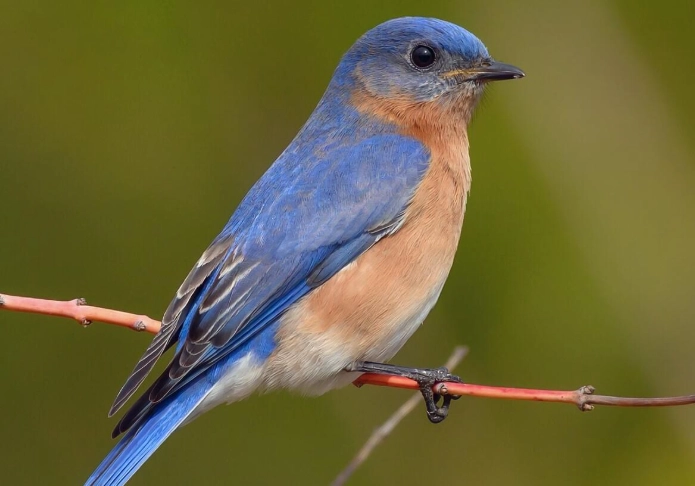
But here's the thing I learned the hard way: wanting eastern bluebirds and actually getting them to move in are two very different games. For years, I put up a generic birdhouse, tossed out some cheap seed mix, and wondered why I only ever saw sparrows. It was frustrating. It felt personal. Turns out, I was doing almost everything wrong. The eastern bluebird has very specific needs, and if you don't meet them, they'll simply live somewhere else.
This guide is everything I wish I'd known twenty years ago. We're not just going to skim the surface. We're going to dig deep into what makes an eastern bluebird tick—what they eat, where they sleep, how they raise their kids, and why they might be avoiding your property. We'll talk about the real problems (hello, house sparrows and starlings) and the practical, sometimes nitty-gritty solutions. My goal is to turn your yard into a place an eastern bluebird family would choose, not just visit. Let's get into it.
More Than Just a Pretty Face: Getting to Know Sialia sialis
Before you start buying birdhouses and mealworms, it helps to know who you're inviting over. The eastern bluebird (Sialia sialis) is a small thrush, related to robins and hermit thrushes. They're about 6 to 8 inches long—think a bit smaller than a robin. That size fact is crucial when we talk about nest boxes later.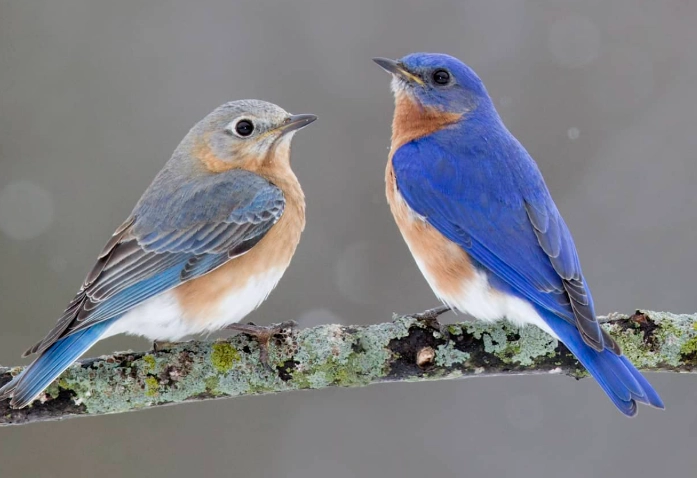
Spotting them is usually straightforward, but beginners sometimes mix them up.
Males are the showstoppers. Bright royal blue on the head, back, wings, and tail. A chestnut-red breast and throat, and a clean white belly. In bright sunlight, that blue can look almost electric.
Females are more subdued, but beautiful in their own right. They have grayish-blue wings and tail, a more muted orange-brown breast, and a gray crown and back. Their coloring is perfect camouflage while sitting on a nest.
Juveniles (the babies after they leave the nest) are spotted. They have a speckled breast and blue flecks in their wings and tail. They look quite different from their parents for the first few months.
Common Mix-Up: People sometimes confuse them with blue jays or indigo buntings. Blue jays are much larger, louder, have a crest, and have white and black markings. Male indigo buntings are all-over deep blue, without the eastern bluebird's rusty breast. Once you see the combination of blue and red, you'll know.
Where Do Eastern Bluebirds Live? (Hint: It's Not Deep Forest)
This is the first big mistake people make. You won't find an eastern bluebird in the middle of a dense, dark forest. They are birds of open country. Historically, they lived in meadows, prairies, parklands, and open woodlands with scattered trees. They need short grass or low vegetation to hunt insects, and they need perches—like fence lines, lone trees, or power lines—to spot their prey from.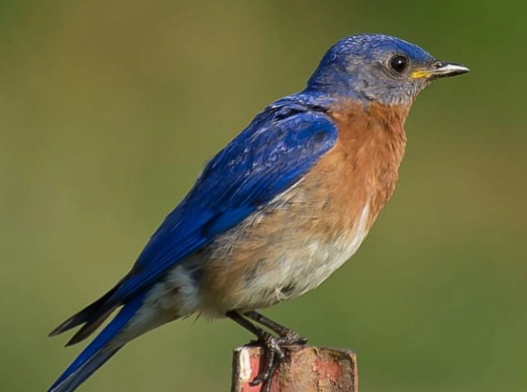
The problem is, a lot of that habitat has disappeared. Farms have become suburbs with manicured lawns and few trees, or they've been left to grow into thickets. This is a huge part of why eastern bluebird populations crashed in the mid-20th century. They were running out of homes and food.
So, what saved them? In a word, us. The widespread establishment of bluebird trails—lines of properly built and monitored nest boxes—provided the nesting cavities they desperately needed. Organizations like the North American Bluebird Society have been instrumental in this recovery. It's a fantastic conservation success story that you can literally be a part of in your own backyard.
Their range covers most of eastern North America, from southern Canada down to the Gulf states, and as far west as the Rocky Mountains. Some even stick around in milder parts of their range during winter, which is great news for year-round viewing.
The Eastern Bluebird Diet: It's Not About Sunflower Seeds
If you want to attract eastern bluebirds, you have to speak their language, and their language is food. Here's where I messed up for years. I filled a tube feeder with black oil sunflower seeds and waited. Bluebirds never came. Why? Because eastern bluebirds are primarily insectivores. About 70% of their diet, especially during spring and summer when they're feeding hungry chicks, is made up of insects and other invertebrates.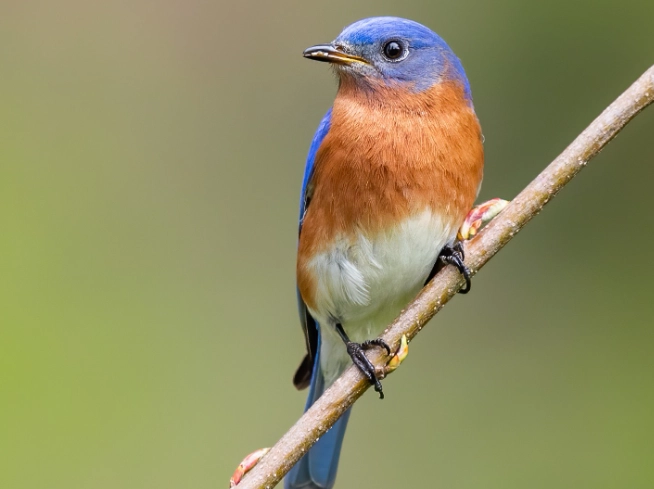
They are masterful hunters. They practice what's called "perch-and-pounce" hunting. They'll sit on a low branch, fence post, or even a dedicated "feeding station" perch, watch the ground intently, and then drop down to snatch a caterpillar, beetle, or spider. They also catch insects in mid-air sometimes.
I put up a simple wooden perch near my garden, just a 4-foot tall stake with a crossbar. Watching a male eastern bluebird use it as his hunting headquarters is better than TV. He'll sit there, tail flicking, head tilting, and then—zip!—he's down and back with a grasshopper.
In fall and winter, when insects are scarce, their diet shifts. This is when they rely more on wild fruits and berries. This seasonal shift is key to understanding how to feed them year-round.
So, what should you offer? Let's break it down in a way that's easy to follow.
| Food Type | Specific Examples | When to Offer | How to Offer It | My Experience & Tips |
|---|---|---|---|---|
| Live Insects (The Gold Standard) | Mealworms (live or dried), crickets, waxworms. | Spring/Summer (breeding season), year-round to establish a routine. | In a shallow ceramic or plastic dish (to prevent escape). Mounted on a post or deck railing. | Live mealworms work best to initially attract them. They wiggle and catch the eye. Dried are cheaper and easier for maintenance feeding once they know the spot. |
| Soft Fruits & Berries | Chopped raisins (soaked in water first!), blueberries, cranberries, currants. | Fall and Winter primarily. | Same shallow dish as insects. Can also be offered on a platform feeder. | Soaking raisins is non-negotiable. Dry ones can swell in a bird's gut. I mix soaked raisins with a few mealworms in winter. |
| Specialized Feeds | Suet blends with insects or fruit, “bluebird nuggets” (commercial mixes). | Year-round, but especially in cold weather. | In a suet cage or small dish. Avoid tall seed feeders. | Look for suet labeled "insect" or "fruit." The peanut-heavy ones are less appealing. This is a great winter energy source. |
| What to AVOID | Traditional bird seed mixes (millet, sunflower, corn). Bread, crackers, salty snacks. | Never. | N/A | This stuff will attract house sparrows and starlings, which are your eastern bluebird's biggest competitors. It does more harm than good. |
Water is just as important as food. A eastern bluebird needs to drink and bathe. A simple, shallow birdbath (2 inches deep max) with a rough bottom for grip, placed in the open but near some cover, will get tons of use. A dripper or mister will make it irresistible.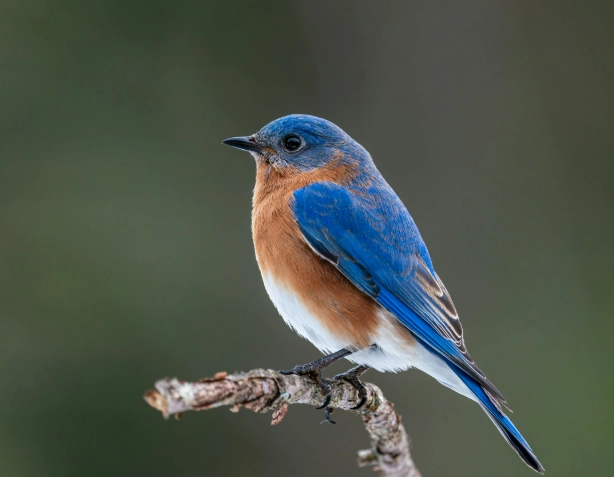
The Heart of the Matter: Eastern Bluebird Nesting and the Perfect Box
This is the single most important thing you can do. Providing a proper nest box is like putting a "For Rent" sign on a perfect apartment. But not just any box. A wrong box is a death trap. It can overheat chicks, let predators in, or be taken over by the wrong birds.
Eastern bluebirds are cavity nesters. They don't build hanging nests in tree branches like robins. They need a hole to nest in. In nature, they used old woodpecker holes or natural tree cavities. Those are scarce now. A well-designed nest box replaces that scarce resource.
Specifications for a Safe Eastern Bluebird House
Forget the cute, decorative birdhouses from the garden center. An effective eastern bluebird nest box is functional and built to precise standards. The Cornell Lab of Ornithology and the North American Bluebird Society have spent decades refining these designs. Here's what matters:
- Floor Dimensions: About 4" x 4" or 5" x 5". Enough room for a nest and 4-6 chicks.
- Depth (from floor to entrance hole): At least 6 inches. This keeps the nest deep enough to be safe from predators reaching in.
- The Entrance Hole: This is CRITICAL. It must be exactly 1.5 inches in diameter. A 1.5" hole is big enough for an eastern bluebird but (usually) too small for the larger European starling. It's your first line of defense.
- Hole Placement: About 6 inches above the floor.
- Material: Untreated, rough-cut cedar or pine is best. It breathes and doesn't overheat like plastic or metal. Avoid painting the inside; the outside can be painted a light color to reflect heat.
- Ventilation: Gaps under the roof or holes near the top for air flow.
- Drainage: Holes in the floor corners so water doesn't pool.
- NO PERCH: Do not add a perch below the entrance hole. Bluebirds don't need it, and it gives sparrows and other competitors a place to sit and harass them.
- Easy Access for Monitoring: A side or front that opens cleanly so you can check on the nest. This is not optional—monitoring is key to success.
Pro Tip: Mounting is Everything. Place the box 4 to 6 feet high on a metal pole or wooden post. Use a predator guard (a metal baffle) below the box. Never nail it to a tree—it makes it easy for raccoons, snakes, and cats to raid it. Face the entrance hole away from prevailing winds and afternoon sun (east is often good). Place it in open area, at least 50-100 feet from heavy brush or woods, with a clear flight path.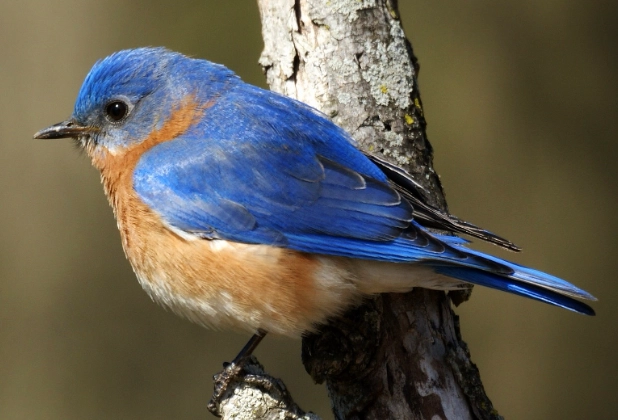
The Nesting Cycle: What to Expect
If you get a pair, here's the beautiful drama you'll witness.
Courtship & Nest Building (Early Spring): The male picks the site and shows it to the female, fluttering in and out of the hole. If she approves, she builds the nest alone, using fine grasses or pine needles. It takes her several days.
Egg Laying & Incubation: She lays one pale blue egg per day, usually until she has 4-6 eggs. Then she starts incubating them for about 12-14 days. During this time, the male often feeds her.
The Brood: The chicks hatch naked and helpless. Both parents work non-stop, making hundreds of trips a day to bring insects to the gaping mouths. This is when your mealworm feeder becomes the busiest restaurant in town. The chicks grow incredibly fast and are ready to fledge (leave the nest) in about 15-20 days.
And then, they often do it all over again.
Eastern bluebirds commonly have two, sometimes three broods per season. After the first brood fledges, the female will often start building a new nest right on top of the old one in the same box. This is why monitoring and cleaning out the old nest after the young have left is so important.
Beyond the Box: Creating an Irresistible Eastern Bluebird Habitat
A nest box and a mealworm dish are a great start, but to truly make your property a eastern bluebird haven, think bigger. Think like a property developer for birds.
- Open Space: They need room to hunt. If your yard is small, that's okay. But minimize thick, tall vegetation right around the box. A mowed lawn, a meadow area, or a garden bed works.
- Perching Network: Create a network of hunting perches. Dead tree snags (if safe), tall stakes, a clothesline pole, or a decorative shepherd's hook. Space them around the open area.
- Native Plants for Food: Plant native trees and shrubs that produce berries they love. Dogwood, red cedar, holly, serviceberry, sumac, and pokeweed are all excellent. You're creating a natural supermarket for fall and winter. The National Audubon Society's Native Plants Database is a fantastic tool to find bird-friendly plants for your exact zip code.
- Go Easy on Pesticides: This is huge. If you spray to kill all insects, you're wiping out the eastern bluebird's grocery store. Tolerate a few bugs in your garden. They'll help you control them!
The Not-So-Pretty Part: Dealing with Competitors and Problems
Nobody likes to talk about this, but if you don't address it, you will fail. I had a pair of lovely eastern bluebirds evicted by house sparrows two seasons in a row before I got serious.
House Sparrows and European Starlings are non-native, invasive species. They are aggressive, will kill adult bluebirds, destroy eggs, and throw chicks out of the nest. They are public enemy number one. Starlings are mostly deterred by that 1.5" entrance hole. House sparrows, unfortunately, can still fit.
What can you do?
- Do NOT use generic bird seed. This is the biggest attractant for sparrows.
- Monitor your box weekly. If you see a sparrow building a messy nest of straw and trash, remove it immediately. Persistence is key.
- Consider box placement. Sparrows prefer boxes near buildings. Bluebirds prefer more open areas.
- As a last resort in persistent cases, some bluebird trail managers use specific traps for house sparrows (where legal). It's a tough topic, but protecting native species like the eastern bluebird sometimes requires difficult management. Always check local regulations.
Other natives like tree swallows or house wrens might also compete for the box. This is a trickier situation, as they are native and protected. The common solution is to put up two boxes, pairing them about 15-25 feet apart. Tree swallows are territorial with their own kind but will often tolerate a eastern bluebird pair in a nearby box, creating a nice little neighborhood.
Predators like raccoons, snakes, and cats are a real threat. That's why the metal pole, predator baffle, and correct hole depth are non-negotiable safety features. Don't skip them.
Your Eastern Bluebird Questions, Answered
I get a lot of emails with questions. Here are the most common ones that pop up.
How long do eastern bluebirds live?
In the wild, typically 6-10 years if they survive their first year. The oldest known eastern bluebird, according to bird banding records, was over 10 years old. That's a lot of broods of chicks from one pair!
Do eastern bluebirds mate for life?
Not exactly "for life," but they are often seasonally monogamous. A pair will usually stay together for an entire breeding season to raise their broods. They may reunite the next year, or they may find new mates. It's more of a business partnership for the season than a lifelong romance.
Where do they go in winter?
It depends. Populations in the northern parts of their range (like Canada and the northern U.S.) generally migrate south to the southeastern U.S. or Mexico. Birds in the central and southern parts of their range often stick around year-round, forming loose flocks that roam looking for berry crops. If you provide food and water in winter, you might keep your local birds nearby.
Why are they called "bluebirds of happiness"?
It's a cultural symbol, really. Their stunning color appears just as winter breaks and spring arrives, literally bringing color back to a gray world. They've been featured in songs, poetry, and folklore for centuries as a sign of hope, joy, and the return of good times. Having them in your yard really does feel like a little dose of happiness.
My bluebirds built a nest but then abandoned it. What happened?
This is heartbreaking but common. It could be a predator disturbed them (like a snake peeking in). The female might have had an accident. Or, sometimes, house sparrows harassed them until they gave up. Frequent, quiet monitoring helps you spot trouble early. Don't give up—clean out the old nest and they, or another pair, might try again.
Be Part of the Story: Conservation and Citizen Science
When you put up a nest box, you're not just getting pretty birds. You're joining a nationwide network of citizen scientists who helped pull the eastern bluebird back from decline. It's a powerful feeling.
You can contribute data to projects like NestWatch from the Cornell Lab. By logging your nest box activity—when eggs are laid, how many hatch, how many fledge—you provide valuable scientific data that helps researchers track the health of populations.
Supporting organizations that preserve open land and promote native habitat is another big way to help. The loss of those open spaces is an ongoing threat. The U.S. Fish and Wildlife Service has partnerships and programs focused on grassland bird conservation, which benefits bluebirds tremendously.
So, there you have it. It's more than just a birdhouse. It's about creating a specific kind of space, offering the right food, and being a diligent landlord. It requires a bit of effort and learning. There will be setbacks—a nest taken over, a predator raid, a pair that just doesn't show up one year.
But let me tell you, the first spring you see a fuzzy chick head peeking out of your box, or you watch a fledgling take its first wobbly flight from your perch to a nearby branch, every bit of that effort is worth it. You've not just attracted a bird; you've provided a home. You've added a thread to that conservation success story. And you've guaranteed yourself a front-row seat to one of nature's most cheerful performances, right outside your window.
Start with a proper box on a safe pole. Get a bag of mealworms. Be patient. And get ready for a splash of blue that changes everything.
Reader Comments