Quick Guide
- What Exactly Is a Muscovy Duck?
- Identifying a Muscovy Duck: Looks, Sounds, and Behavior
- The Big Question: Should You Raise Muscovy Ducks?
- Muscovy Duck Care: Housing, Diet, and Health
- Muscovy Duck Eggs and Meat: The Practical Output
- Wild and Feral Muscovy Ducks: The Complex Reality
- Answering Your Top Muscovy Duck Questions
- Final Thoughts: Are They Right For You?
You've seen them, right? Those big, quiet ducks with the funny red faces, sometimes perched in a tree like they forgot they're supposed to be in the water. Maybe you're thinking about getting a few for your backyard, or perhaps you're just curious about the odd-looking ducks at the local pond. Either way, you've probably got questions.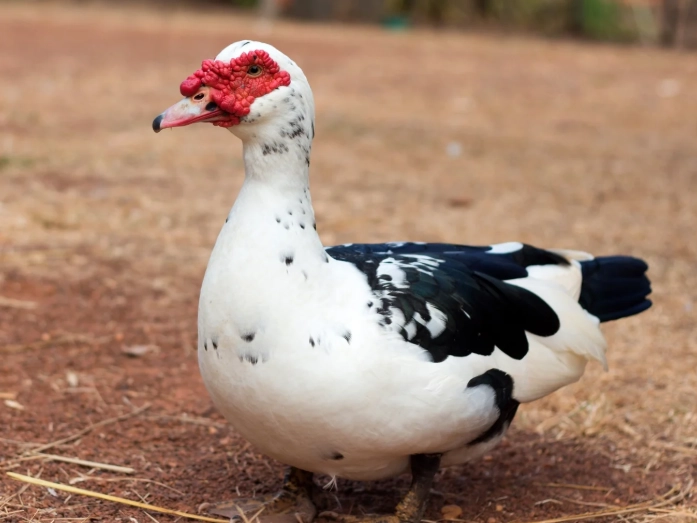
I remember the first time I saw a muscovy duck up close. It was at a friend's small farm, and I was struck by how different it seemed from the mallards I was used to. It was calmer, almost aloof, and its face looked like it was made of bumpy red wax. That curiosity turned into a deep dive, and after years of talking to breeders, reading research, and yes, keeping a few myself, I've learned a thing or two. Let's get into it.
What Exactly Is a Muscovy Duck?
First things first, let's clear up some confusion. The muscovy duck (Cairina moschata) is a bit of an oddball in the duck world. For starters, it's not even closely related to the common mallard, which is the ancestor of most domestic duck breeds. It's a separate species altogether, originally from Mexico, Central, and South America. The name "Muscovy" is a bit of a historical misnomer—it has nothing to do with Moscow. Some historians think it might be a corruption of the Muisca people of Colombia.
Key Distinction: Unlike the quacking ducks you know, muscovy ducks are mostly silent. Drakes (males) make a low, breathy hiss, and hens (females) make a soft, cooing trill. No loud quacking. This alone makes them a favorite for suburban homesteaders with close neighbors.
They were domesticated by indigenous peoples in the Americas long before Europeans arrived. Spanish explorers then brought them back to Europe, and from there, they spread across the world. Today, you'll find them in three main contexts: as a popular meat bird in many countries (especially in France, where they are used for foie gras), as feral populations in urban and suburban areas (particularly in Florida and Texas), and as backyard poultry for eggs, meat, and pest control.
Identifying a Muscovy Duck: Looks, Sounds, and Behavior
Physical Appearance
You can't miss them. Adult muscovy ducks are large, sturdy birds. Drakes can weigh a hefty 10-15 pounds, while hens are smaller at 6-8 pounds. Their most striking feature is the bare, carunculated (that's the fancy word for bumpy) red skin on their face, from their eyes to the base of their bill. Males have much more pronounced caruncles, especially as they age, making them look quite prehistoric.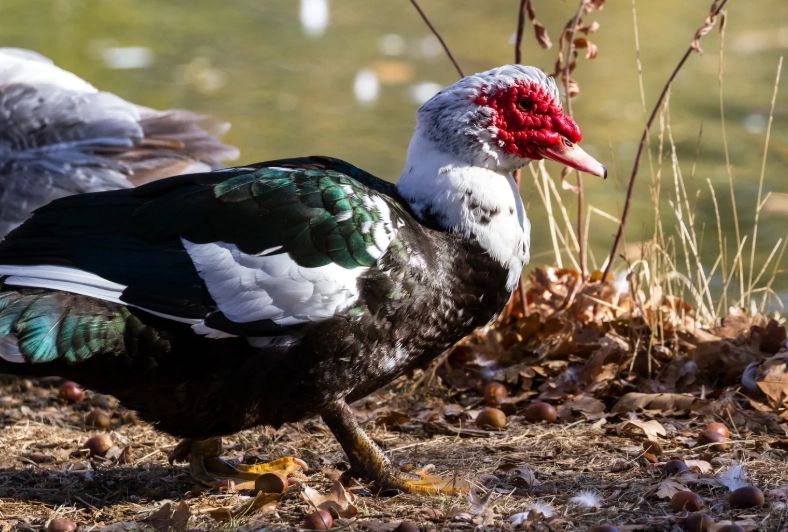
Their plumage varies. Wild-type coloring is mostly black with glossy green and purple iridescence on the wings, and large white patches on the wings. Domesticated varieties, however, come in a whole rainbow: solid white, blue, chocolate, lavender, and pied patterns. Their feet have strong, sharp claws—perfect for perching.
Behavior and Temperament
This is where muscovies really stand out. They are often described as the "dogs of the duck world" for their calm and sometimes curious demeanor. They're less skittish than many duck breeds. They are excellent foragers, happily consuming a huge amount of insects, slugs, snails, and even small mice. Many people keep them primarily as organic pest control.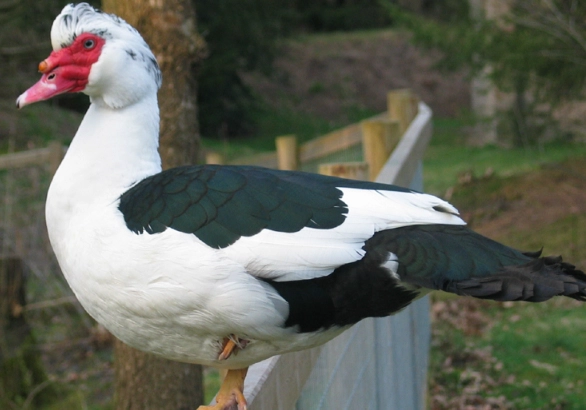
They are also perching birds. Given the chance, they will roost on fences, low tree branches, or the roof of their coop. If you provide nesting boxes, place them off the ground. They are good fliers, especially the lighter females, so if you don't want them wandering, you may need to clip one wing.
A word of caution from experience: Their calm nature can sometimes be mistaken for dullness, but they're quite intelligent in their own way. I've had one that learned to open a simple latch by wiggling it with her bill. They're problem solvers, especially when food is involved.
The Big Question: Should You Raise Muscovy Ducks?
Let's be practical. You're probably wondering if they're right for your situation. Like anything, they come with a list of pros and cons that you need to weigh honestly.
Advantages of Keeping Muscovies
- Quietness: The lack of loud quacking is their biggest selling point for residential areas.
- Excellent Foragers: They drastically reduce tick, mosquito, fly, and slug populations. They'll clean up spilled grain in a poultry yard too.
- Lean, Red Meat: Their meat is often compared to roast beef or veal—very lean, flavorful, and not greasy like some duck meat.
- Low Feed Costs: If given space to forage, they supplement a significant portion of their diet.
- Hardiness: They are generally resistant to many common poultry diseases.
- Good Mothers: Muscovy hens are famously broody and protective, hatching large clutches and raising ducklings with great care.
Disadvantages and Challenges
- The Mess Factor: All ducks are messy with water. They will turn any small puddle into a muddy wallow. You need to manage their water area.
- Potential Aggression in Drakes: During breeding season, drakes can become territorial and aggressive towards other drakes, and sometimes even towards other poultry or pets. It's manageable but something to watch.
- They Can Fly: If not pinioned or wing-clipped, lighter birds may fly over fences.
- Slow to Mature: They take longer to reach butchering size (around 16-20 weeks) compared to fast-growing meat ducks like Pekins.
- Feral Population Stigma: In some areas with invasive feral populations (like parts of Florida), they are viewed as pests, and local regulations may restrict ownership.
So, are they worth it? If you have the space, don't mind some mud, and value quiet pest control over rapid egg production, then absolutely. The unique meat is a fantastic bonus.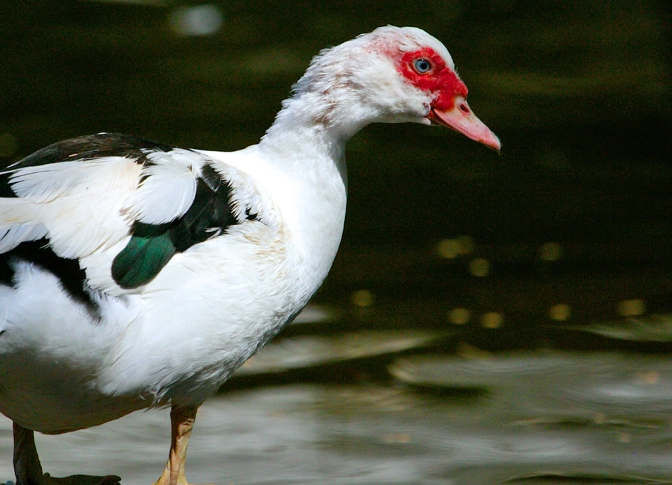
Muscovy Duck Care: Housing, Diet, and Health
Housing and Space Requirements
They don't need a pond, but they do need constant access to clean, deep enough water to submerge their entire head. This is crucial for cleaning their eyes and nostrils. A sturdy tub or a small child's pool works great. Their housing should be secure from predators, dry, and well-ventilated. Because they perch, provide roosting bars. Allow at least 10-15 square feet of run space per bird minimum; more is always better.
Predator Alert: Raccoons, foxes, and birds of prey are the main threats. Ensure their nighttime coop is fortress-like with hardware cloth, not just chicken wire. Their calm nature makes them vulnerable if not properly protected.
What Do You Feed a Muscovy Duck?
They are omnivorous scavengers. A good quality waterfowl or all-flock pellet should be the base of their diet, especially for laying hens. Avoid chicken feed that isn't formulated for ducks, as it may lack necessary niacin. But the joy of keeping muscovies is watching them work. They will devour:
- Mosquito larvae from water
- Slugs and snails (they're a game-changer for gardeners)
- Ticks and flies
- Weeds and grass
- Leftover garden produce (lettuce, tomatoes, etc.)
Always provide insoluble grit (like small stones) to help them grind food in their gizzard.
Common Health Issues
They are famously hardy, but not invincible. The main issues usually stem from nutritional deficiencies (niacin is critical for ducklings) or poor husbandry (dirty water leading to eye infections). Bumblefoot, a bacterial infection of the footpad, can occur if they are on rough, hard surfaces. Parasites like worms are possible but less common in well-managed flocks that have space to roam.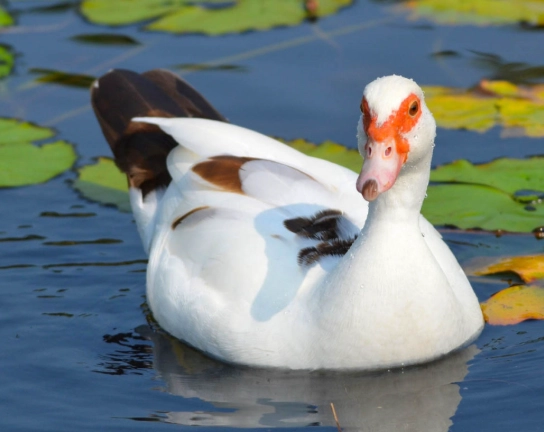
For detailed, science-backed information on waterfowl health, the Merck Veterinary Manual's section on ducks and geese is an authoritative resource.
Muscovy Duck Eggs and Meat: The Practical Output
The Eggs
Muscovy duck eggs are a topic of much discussion. The hens are seasonal layers, meaning they lay most of their eggs in the spring and summer. Don't expect daily eggs like a chicken. A good hen might lay 60-120 large, white eggs per year. The eggs are rich, with large, creamy yolks, perfect for baking. The shells are thicker than chicken eggs, making them excellent for preserving or pickling.
My take on the eggs: They are superb for custards and pasta. The richness is unmatched. But if your primary goal is a steady daily egg supply, you might want to supplement with chickens. Muscovies are more about the meat and pest control.
The Meat: A Culinary Secret
This is where the muscovy duck truly shines. The meat is dark, lean, and almost completely devoid of the layer of fat you find under the skin of a Pekin duck. The flavor is robust, often described as more "meaty" than "gamey." Because it's so lean, it can dry out if overcooked—low and slow roasting or braising works best.
In many culinary traditions, especially French, the muscovy duck is the preferred breed for making magret (the breast of a fattened duck) and confit. The Poultry Extension Alliance, a collaboration of major US universities, notes its economic importance as a meat bird worldwide.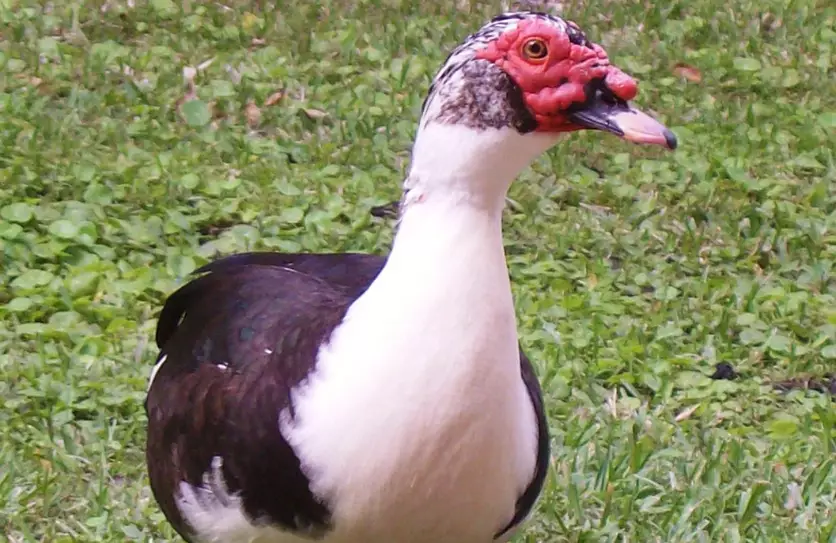
| Aspect | Muscovy Duck Meat | Common Pekin Duck Meat |
|---|---|---|
| Fat Content | Very low (lean) | High (fattier) |
| Texture | Firm, beef-like | Tender, softer |
| Flavor Profile | Rich, meaty, robust | Milder, classic "duck" flavor |
| Best Cooking Methods | Roasting to medium-rare, braising, grilling | Slow roasting, confit, to render fat |
| Dressing Weight | Higher meat-to-bone ratio | Standard ratio |
Wild and Feral Muscovy Ducks: The Complex Reality
This is a touchy subject. In their native range in the Americas, muscovy ducks are a natural part of the ecosystem. However, due to escaped or released domestic birds, they have established feral populations in many parts of the world, including the United States, Europe, and New Zealand.
In places like Florida, they are incredibly common in suburban parks and canals. The U.S. Fish and Wildlife Service provides information on their status. The debate centers on whether they are invasive. They can compete with native waterfowl for nesting sites, and their droppings can foul areas. However, they also control pest insects.
It's a messy ecological picture (literally and figuratively). The takeaway? If you keep muscovy ducks, be a responsible owner. Don't release them into the wild, and check your local ordinances.
Answering Your Top Muscovy Duck Questions
Final Thoughts: Are They Right For You?
Look, muscovy ducks aren't for everyone. If you want a pristine, manicured backyard, they will challenge that vision. If you need a daily egg machine, they'll disappoint you. But if you want a fascinating, quiet, and highly useful bird that turns pests into delicious meat and enriches your garden ecosystem, then you've found your match.
They have personality. They're resilient. And they connect you to a much older tradition of poultry keeping than the modern industrial breeds. Watching a muscovy duck methodically patrol a garden bed, snapping up every slug in sight, is a deeply satisfying thing.
Do your homework on local laws. Start small—maybe with a trio of two hens and a drake. Provide clean water, secure housing, and good food. You might just find that these odd-looking, quiet ducks become the most interesting part of your backyard.
The biggest surprise for me was never the eggs or the meat, though both are great. It was simply how pleasant it is to have such quiet, busy creatures around. They don't demand attention, but they reward observation. Just keep that water tub clean—trust me on that one.
Reader Comments