I’ll be honest, my first purple martin house was a disaster. I bought a cute, cheap wooden one, hung it from a branch for “shelter,” and waited. Sparrows moved in immediately. Starlings followed. I never saw a single purple martin. It took me years of talking to seasoned “landlords” and making every mistake in the book to realize attracting these incredible birds isn't about putting up any birdhouse. It's about meeting their very specific, non-negotiable needs. If you get it right, you’re rewarded with a summer-long aerial ballet of chattering, diving insect-eaters that become genuine backyard neighbors. Let’s cut through the myths and get you started the right way.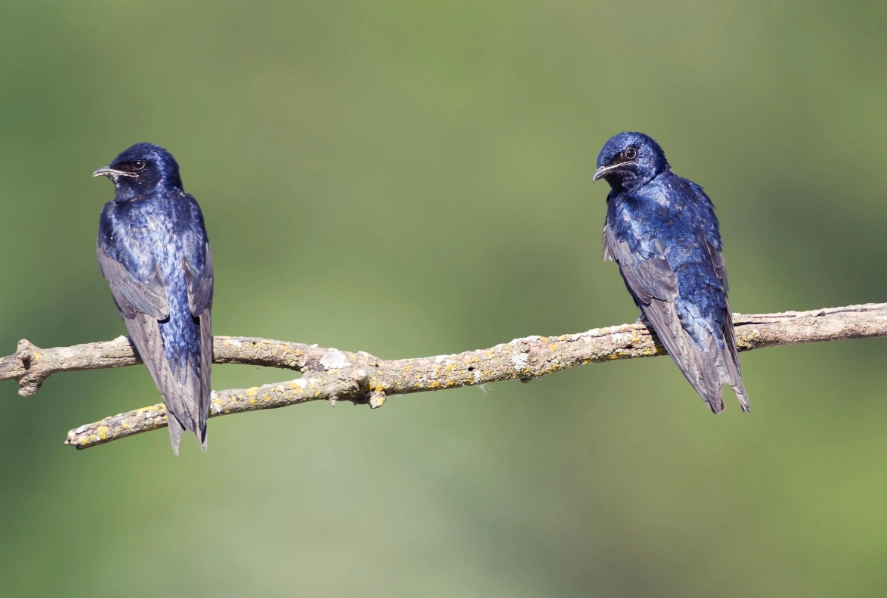
What You'll Learn in This Guide
Understanding Your Future Tenants
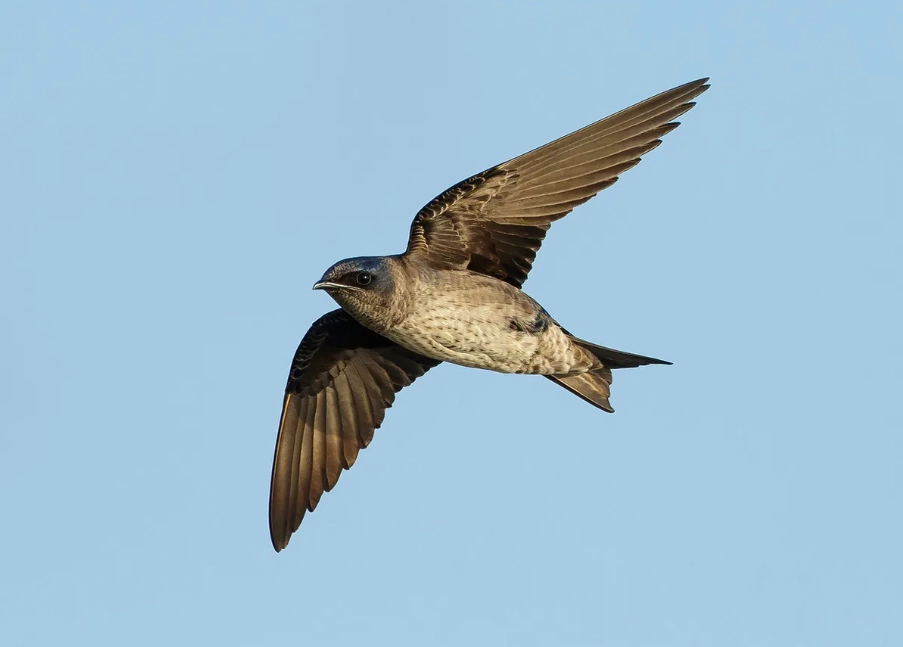
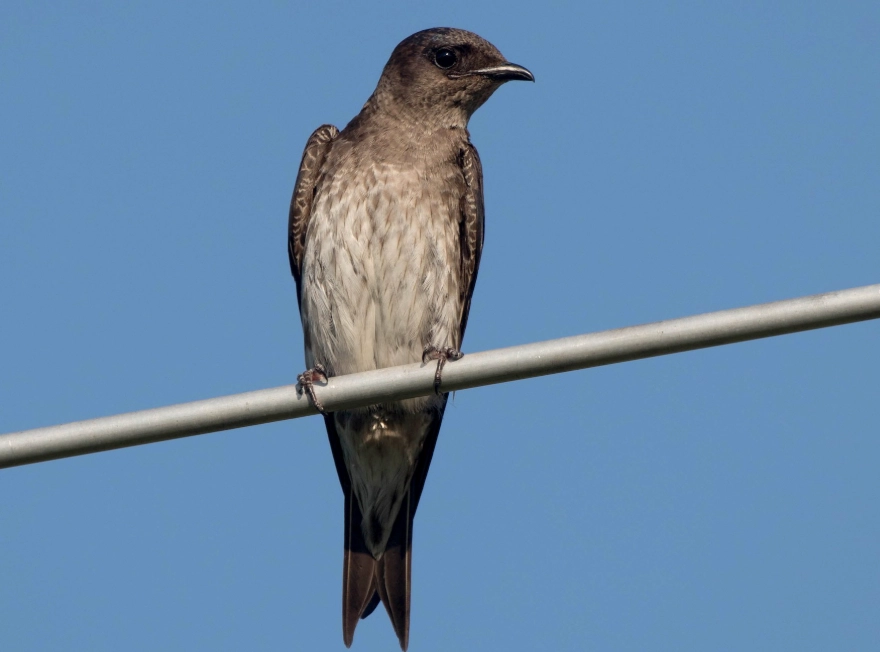
Purple martins (Progne subis) are North America’s largest swallow. Forget the image of a solitary bird. These are obligate cavity nesters that almost exclusively use human-provided housing east of the Rockies. That’s a unique relationship. They winter in the Amazon basin and make an incredible migration to breed here. The first to arrive in spring are the “scouts”—older adults who secure nesting sites. Their choice dictates where the younger birds will follow.
What are they looking for? Safety and community. In the wild, they nested in old woodpecker holes in dead trees standing in open areas near water. That habitat is scarce now. Your job is to replicate that security: wide-open space for easy approach and escape from predators like hawks, and a multi-family dwelling.
Choosing (and Placing) the Perfect Martin House
This is where most dreams die. That beautiful, rustic cedar house from the garden center? Probably a sparrow condo. You need function over form.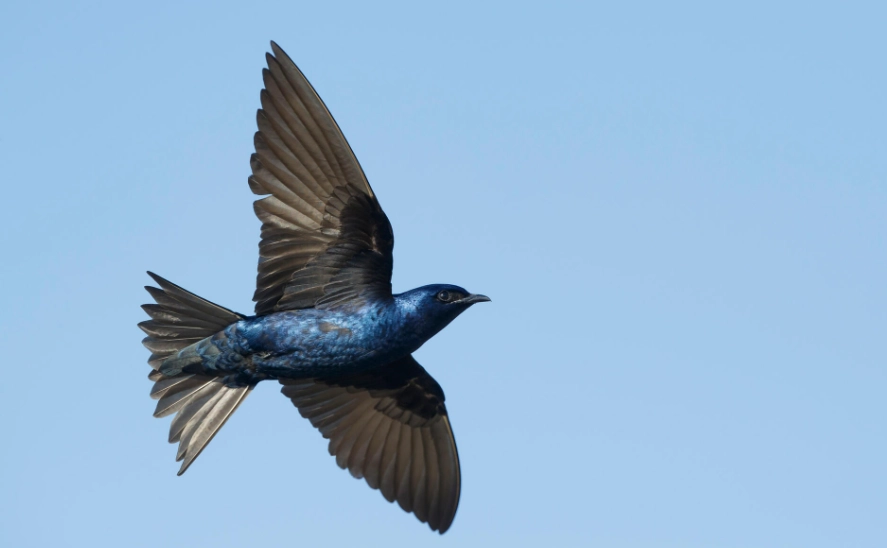
House Type: The Big Decision
You have two main paths: a multi-room apartment-style house or a cluster of gourds. Gourds (natural or plastic) are lighter, swing more independently (deterring predators), and are often preferred by martins in many regions. Houses are more traditional and easier for some to raise/lower. Many experts use a combination—a house with gourds attached below. Start with a system that has at least 6-12 compartments.
The Three Non-Negotiable Specs
| Feature | Why It Matters | Ideal Spec |
|---|---|---|
| Entrance Hole Size & Shape | This is your first line of defense. Round holes of 2 1/8 inches let starlings in. You need SREH (Starling Resistant Entrance Holes). | Crescent, Excluder, or Conley II style holes. These allow martins (who know how to wiggle in) but block starlings. |
| Compartment Size | Cramped spaces are less attractive and hold less heat for chicks. Deep rooms offer safety from reaching predators. | Minimum 6x6 inches floor, but 7x12 inches is far superior. Deep compartments are a game-changer. |
| Ventilation & Drainage | Metal houses can overheat. Wood can rot. Stagnant water drowns nestlings. | Look for ventilation gaps under the roof. Each compartment must have drainage holes in the floor corners. |
Location, Location, Location
Placement is more critical than the house itself. My early mistake was thinking “partial shade” was kind. Martins think “predator perch.”
The golden rule: The most open spot on your property. Imagine a 40-foot radius circle around the pole. This should be the clearest flyway possible. Place the house pole 30-120 feet from human housing (they like us nearby for safety) but at least 40 feet from trees or tall structures. Height? The pole should allow the house to sit 10-15 feet off the ground minimum. Lower is an invitation to predators, higher makes maintenance a pain.
Invest in a good, sturdy pole system with a winch or pulley. A wobbly pole in a storm will convince any martin family to move out.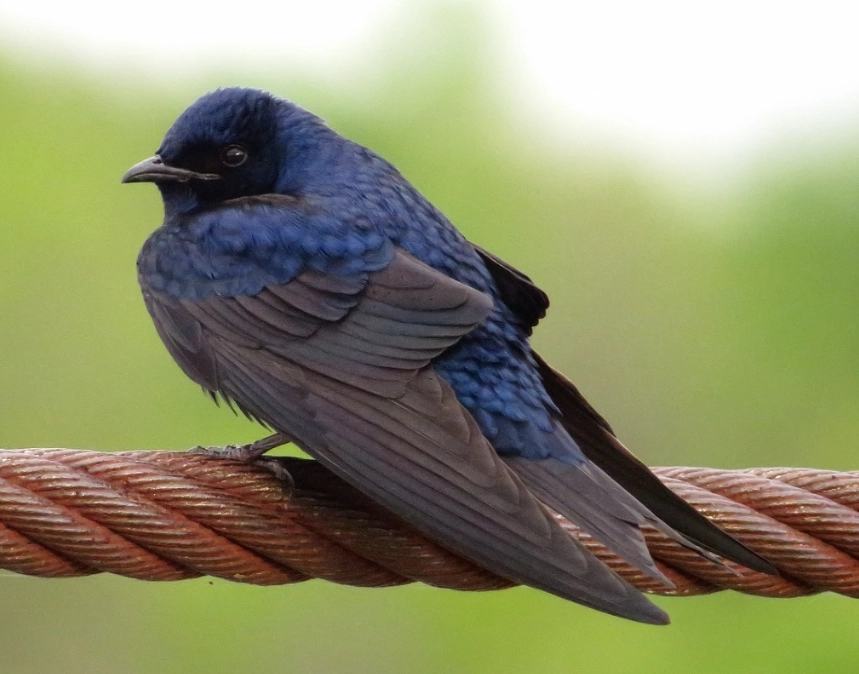
The Non-Negotiable Maintenance & Protection Routine
Being a landlord is active, not passive. You’re not just setting up a hotel; you’re managing an apartment complex.
Pre-Season Prep (Late Winter): Lower the house. Scrub every compartment with a 10% bleach solution, rinse thoroughly, and let it dry. This kills mites and bacteria. Add a couple inches of dry pine needles or wood shavings to each room as nesting substrate. Martins don’t carry big twigs; they expect a base. Raise the house back up, ready for scouts.
During the Season: Once eggs are laid, you start nest checks. Every 4-7 days, lower the house gently. Be quick and calm. You’re monitoring for: hatching progress, dead nestlings, and parasitic blowfly larvae (a common killer). If you see tiny, wriggling maggots under the nest, you need to replace all nesting material. This hands-on care dramatically increases fledging success. It’s the difference between a hobbyist and a true landlord.
Predator and Competitor Control: House sparrows and European starlings are invasive, aggressive, and will kill martins. You must be ruthless. Remove sparrow nests immediately every time you see them. For starlings, proper SREH holes are your shield. For raccoons, the pole baffle is critical. I also use an owl guard (a wire cage around the house) which discourages aerial attacks from hawks and owls without hindering the martins.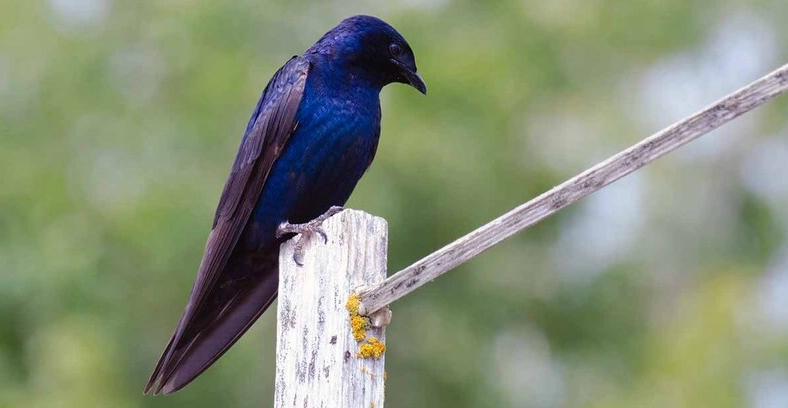
Your Purple Martin Landlord Seasonal Checklist
Here’s a quick-reference timeline based on the Midwest/Eastern US. Adjust for your latitude.
- February – March: Order replacement parts, clean gourds. Service your pole and winch.
- Late March – Early April: Houses up, entrances closed with plugs. This keeps other birds out.
- Scout Arrival (Check PMCA Scout Report): See your first scout? Open 2-3 compartments. Don’t open all yet.
- Colony Establishment (April – May): As more birds arrive, open all compartments. Begin weekly nest checks once egg-laying starts.
- Summer Management (June – July): Continue nest checks. Record hatching/fledging dates. Provide a shallow water source on the ground for mud (they use it for nests).
- Post-Fledging (Late July – August): Birds form large pre-migration roosts. Do a final clean-out after all birds have left for the season.
- Fall – Winter: Lower and store the house if possible, or secure it. Plan upgrades for next year.
Expert Answers to Your Trickiest Questions
 How do I protect my purple martin colony from sparrows and starlings?
Getting that first pair of purple martins is a thrill. It takes patience—sometimes a few seasons. But when you hear that first deep, throaty chirp and see that dark, forked tail swoop over your yard, you’ll know the effort was worth it. You’re not just putting up a birdhouse. You’re continuing a centuries-old partnership. Start with the right gear in the right place, commit to the upkeep, and you’ll have a front-row seat to one of nature’s best shows.
Reader Comments