I remember my first golden eagle. Not from a documentary, but through my own shaky binoculars in the Scottish Highlands. It was a smudge of dark brown against a vast, grey sky, riding a thermal with an arrogance that took my breath away. I spent the next hour trying to confirm it wasn't a common buzzard. That moment of thrilling uncertainty is what hooks most of us. But moving from that fuzzy first sighting to consistently finding, identifying, and truly appreciating Aquila chrysaetos requires ditching the poetic clichés and getting into the gritty, practical details.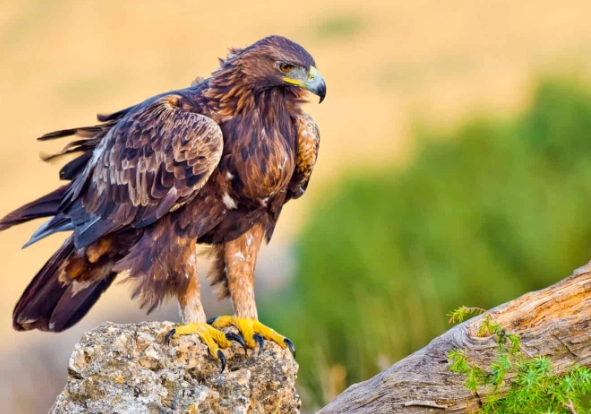
This isn't just a bird; it's a lesson in patience, observation, and understanding a landscape. Let's talk about how to actually see one.
What's Inside This Guide
How to Identify a Golden Eagle (Beyond the Color)
Forget "golden" for a second. Immature birds are mostly dark, and adults often show that namesake golden-brown nape only in perfect light. Relying on color is the first mistake. You need a structural ID.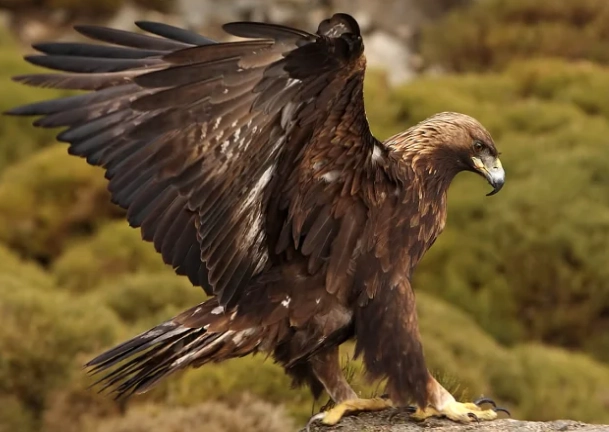
Think proportions. A golden eagle is built for power and soaring. Its wings are long and broad, with distinct "fingers" at the tips, held in a slight V or flat when gliding. The tail is long, extending well past the wing trailing edge when perched—much longer than a red-tailed hawk's. The head protrudes noticeably, giving it a distinctive flying profile.
Golden Eagle vs. Common Lookalikes
| Bird | Key Difference from Golden Eagle | Typical Habitat Overlap |
|---|---|---|
| Common Buzzard (Europe) | Smaller, paler, more varied plumage. Shorter tail, wings often more angled upward. Frequent, wobbly wingbeats. | Open country, farmland, edges of eagle territory. |
| Red-tailed Hawk (N. America) | Significantly smaller. Bulky, shorter body. Pale chest with belly band. Soars with wings in a more pronounced dihedral (V-shape). | Open areas, often at lower elevations than eagles. |
| Immature Bald Eagle | Bare yellow legs and feet. Larger, more wedge-shaped tail. Beak is massive and bright yellow even in juveniles. | Coasts, large lakes, rivers. Increasingly inland. |
| Turkey Vulture | Two-toned wings (dark front, silver flight feathers), small red head. Soars with wings in a stable V, teeters side-to-side. | Thermals over open areas, often in groups. |
Spend time on sites like the Cornell Lab of Ornithology's "All About Birds" to study these silhouettes. It's time better spent than reading generic descriptions.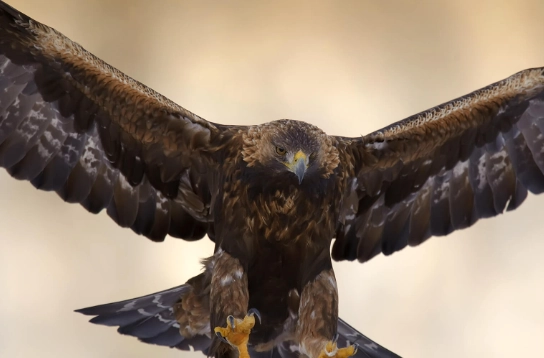
Where and When to Find Golden Eagles
They're not everywhere. You need the right geography: open spaces for hunting, cliffs or large trees for nesting, and minimal human disturbance. In North America, think Western mountain ranges, canyonlands, and Arctic tundra. In Europe, the Scottish Highlands, Alps, Pyrenees, and Scandinavia.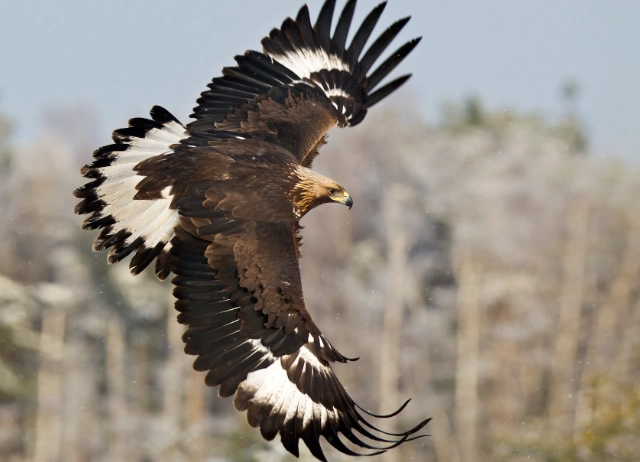
Timing is everything. They're most active and visible during two key periods:
Breeding Season (Late Winter to Summer): Pairs perform dramatic aerial displays. You might see them bringing food to a nest (from a huge distance, please). This is when they're tied to a specific territory.
Fall Migration & Winter (October-February): My personal favorite time. Northern birds move south, and resident birds are more visible as they hunt over open terrain. In many areas, winter offers the best chance, with clear skies and bare trees improving visibility.
Go at the right time of day. Early morning, especially after sunrise when thermals start to form, is prime time. Late afternoon can also be productive as they make a final hunt. Midday? They're often perched and hard to spot.
Field Techniques: From Spotting to Respecting
Good optics aren't a luxury; they're a necessity. An 8x42 or 10x42 binocular is the workhorse. For serious scanning, a spotting scope on a tripod is a game-changer, allowing you to scrutinize distant cliffs and ridges for perched birds.
Your search pattern matters. Don't just scan randomly. Systematically work across a landscape. Look for the bird's absence of movement—a dark, oddly shaped lump on a distant cliff face. Watch for other birds. Ravens and crows mobbing something is a huge clue. A sudden panic among a flock of ptarmigan or ground squirrels often signals a predator's presence.
Photography Tips That Actually Work
Let's be honest: most golden eagle photos are distant landscape shots with a speck in the middle. To get closer, you need patience and strategy, not a bigger lens you can't carry.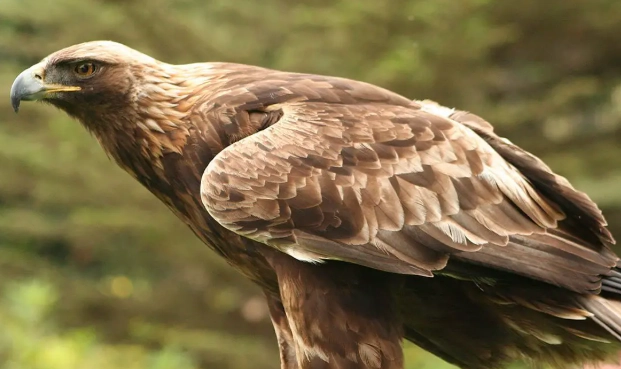
Lens: You need reach. A 400mm lens on a full-frame camera is the realistic minimum. A 500mm or 600mm is better. Pair it with a sturdy tripod and gimbal head for smooth tracking.
Settings: Birds in flight demand fast shutter speeds—1/2000th of a second or faster. Use Aperture Priority or Manual mode. Auto ISO is your friend in changing light. For a perched eagle, you can drop the shutter speed, but wind moving branches might blur your shot.
The biggest technical error? Exposing for the sky and turning your eagle into a silhouette. Use spot metering on the bird itself, or dial in positive exposure compensation (+1 to +2 stops) when shooting a dark bird against a bright background.
Scout locations. Find a known perch or hunting ground, set up at dawn with the sun behind you, and wait. It's not glamorous, but it works.
Common Mistakes & How to Avoid Them
After a decade of chasing these birds, I've seen the same errors repeatedly.
Mistake 1: The "Buzzard Leap." Every large, dark bird becomes a golden eagle. Slow down. Check the proportions, the leg feathers, the flight style. It's usually a buzzard, a vulture, or an immature bald eagle.
Mistake 2: Chasing the Nest. The urge to see a nest is strong. But approaching a nest is illegal in many places and unethical everywhere. It stresses the birds and can attract predators. Observe from a public vantage point a kilometer away with your scope.
Mistake 3: Ignoring the Weather. A bright, sunny day with good thermals is perfect. A rainy, foggy day is pointless. Eagles soar to save energy; no thermals, they stay low and hidden. Check the forecast.
Mistake 4: Underestimating the Terrain. Eagle country is rough country. Tell someone where you're going. Bring water, food, layers, and a map/GPS. Cell service is often nonexistent.
Your Questions, Answered
The golden eagle isn't just a trophy for a birding list. It's a barometer for the health of wild, open spaces. Seeing one is a privilege that comes with responsibility. Do your homework, pack your patience, respect the distance, and you might just earn that long, steady gaze from a master of the sky. It's worth every moment of the search.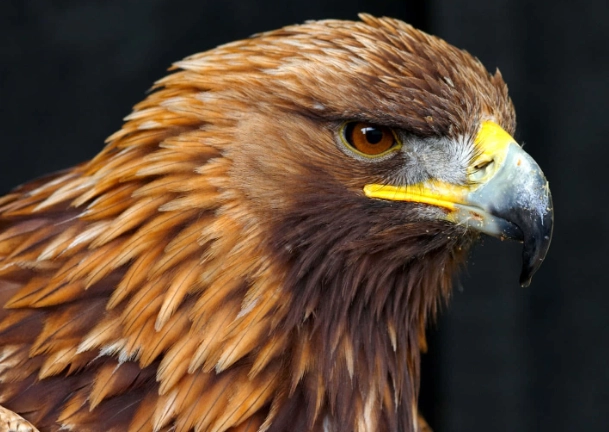
Reader Comments