There’s nothing quite like the jolt of seeing a snowy owl for the first time. A huge, pale ghost sitting regally on a fence post in the middle of a barren, snow-blown field. It feels out of place, a visitor from another world. And in a way, it is. For most of us, seeing a snowy owl (Bubo scandiacus) is a rare and thrilling winter event, a phenomenon birders call an "irruption." But there's more to it than just a pretty picture. Spotting one requires strategy, understanding their fragile state requires knowledge, and respecting them requires a code of ethics many casual observers miss.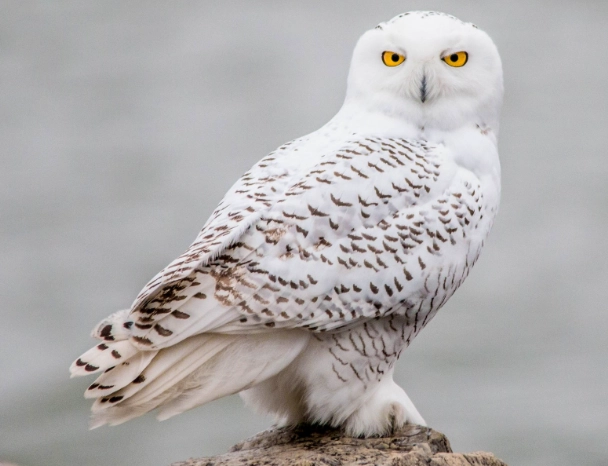
What's Inside This Snowy Owl Guide
Essential Snowy Owl Facts You Should Know
Let's start with the basics, because a lot of common knowledge is either oversimplified or just plain wrong.
Snowy owls are the heaviest owls in North America. A large female can weigh over 4 pounds and have a wingspan pushing 5 feet. They’re built for the Arctic tundra—dense, layered feathers (even their toes are feathered), and a relatively low surface-area-to-volume ratio to conserve heat. That famous white plumage isn’t just for show; it’s superb camouflage. But here’s the first nuance most people miss: only adult males become nearly pure white. Females and juveniles are heavily barred with dark brown or black. If you see a very "dirty" looking snowy owl, you're likely looking at a female or a young bird.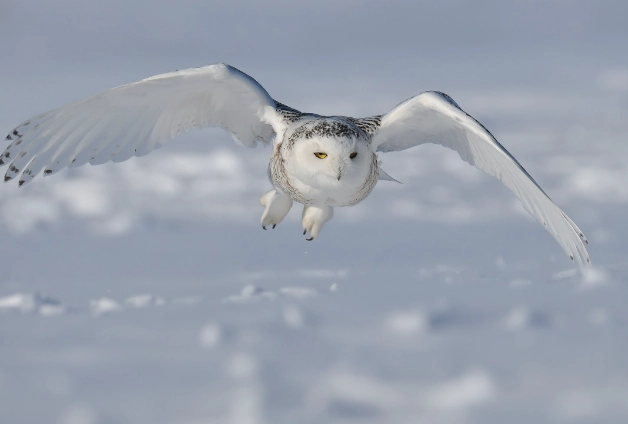
Their life revolves around lemmings. In a good year on the breeding grounds, a single owl family (two adults and 6-8 chicks) can consume over 1,500 lemmings. The entire decision to migrate south hinges on lemming population crashes in the Arctic. It’s not about the cold—these birds are built for cold. It’s about food.
How can you tell a male snowy owl from a female?
Look at the patterning. Adult males get whiter as they age, often retaining just a few dark flecks. Adult females keep their dark barring for life. Juveniles of both sexes are the most heavily barred. This isn't just trivia. During nesting, the whiter male is more camouflaged against the snow while incubating, while the more patterned female blends into the tundra vegetation when brooding the young.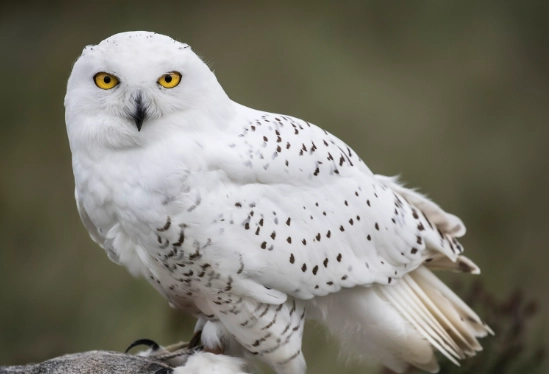
Where and When to See Snowy Owls: A Practical Guide
Finding a snowy owl isn't about wandering randomly. It's about understanding their habitat needs during an irruption year. They don't come south for forests. They look for landscapes that mimic the open tundra: airports, large agricultural fields, coastal dunes, wide-open shorelines, and even large, frozen lakes.
I’ve spent countless hours driving backroads in the Great Lakes region in winter. The pattern is consistent. Look for flat, treeless expanses. They favor elevated perches: hay bales, fence posts, telephone poles, small hillocks, or even the ground itself. They often choose a single perch and stay there for hours, even days, conserving energy.
Timing is everything. Major southward movements (irruptions) typically happen between November and January. The birds may stay through March or even early April before heading north. Your best chance is during an irruption winter, which happens irregularly, often following a boom-and-bust lemming cycle up north. Organizations like the National Audubon Society and local birding groups will often report and track these movements.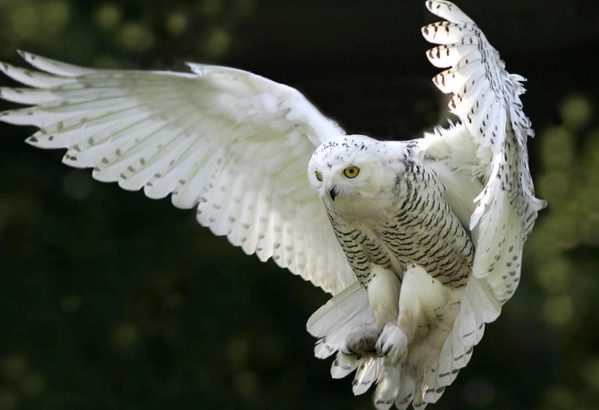
| Potential Spotting Location | Why It Works | Pro Tip / Caveat |
|---|---|---|
| Coastal Beaches & Dunes (e.g., Massachusetts, New Jersey, Washington) | Mimics open tundra; abundant rodent prey in dunes. | Park legally and scan from a distance. Human disturbance is a major issue here. |
| Agricultural Fields (e.g., Midwest, Canadian Prairies) | Vast, open spaces with vole populations. | Use public roads. Never drive into private fields without permission. |
| Airports | Large, flat, open grassland perimeters. | Access is almost always restricted and for safety reasons, do not attempt to enter. View from perimeter roads if possible and legal. |
| Great Lakes Shorelines | Open ice and breakwalls provide hunting over water and perches. | Extremely cold and windy. Dress accordingly and be cautious on ice. |
The biggest mistake I see? People focus on famous, crowded "owl stakeouts." The bird is often stressed, surrounded by cars and lenses. You'll have a more authentic (and ethical) experience finding your own bird in a quieter location by applying these habitat principles.
Gearing Up for Snowy Owl Watching: A Winter Survival Kit
This isn't summer birding. Forgetting one piece of gear can turn an adventure into misery, or worse, a safety hazard. Your comfort directly impacts your patience and success.
Optics are non-negotiable. A spotting scope on a solid tripod is the single most important tool. You need to observe from a distance—200 yards or more is ideal to avoid disturbance. A good scope (I’ve used everything from mid-range to high-end models) lets you see feather details, eye color, and behavior without getting close. Binoculars (8x42 or 10x42) are for scanning and quick looks, but the scope is for serious viewing.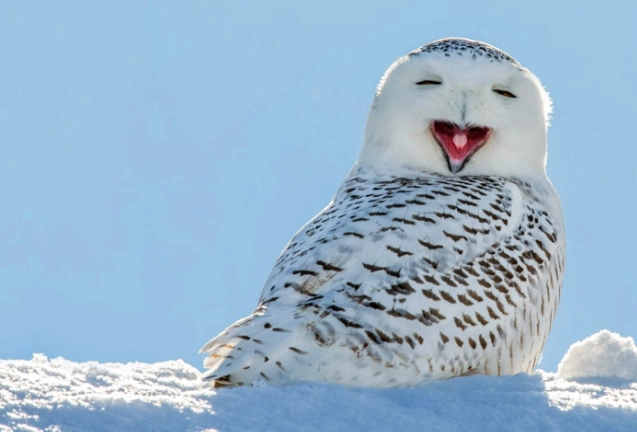
Now for the human survival part:
Clothing: Dress in layers. Merino wool base layers, a insulating mid-layer like fleece or down, and a windproof/waterproof outer shell. Heat escapes from your extremities, so quality boots (insulated, waterproof), thick socks, and serious mittens (with thin liner gloves for operating your gear) are critical. A balaclava or neck gaiter is worth its weight in gold.
Extras: Hand and toe warmers. A thermos of hot tea or soup. A portable jump starter for your car—sitting with the engine off to avoid spooking the owl can drain a battery in the cold. A detailed road atlas or downloaded offline maps, as cell service can be spotty in rural areas.
The Bigger Picture: Snowy Owl Conservation
Seeing a snowy owl is a privilege, and with that comes responsibility. The species is listed as Vulnerable by the International Union for Conservation of Nature (IUCN). Their world is changing fast.
The core threat is climate change. The Arctic is warming at more than twice the global average rate. This disrupts the delicate tundra ecosystem, affecting the timing of snowmelt, plant growth, and the boom-bust cycles of lemmings. Unpredictable prey availability impacts breeding success.
During irruptions, southern hazards pile on: collisions with vehicles, trains, power lines, and even aircraft. Disturbance from photographers who crowd too close can force owls to expend precious energy flying away, energy they need to survive the winter.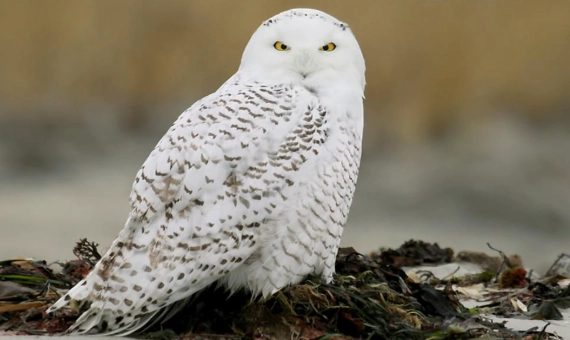
What are the biggest threats to snowy owls?
Beyond climate change, it's the cumulative impact of human infrastructure and behavior during their vulnerable southern visits. A study published in The Journal of Raptor Research has highlighted vehicle collision as a leading cause of mortality for snowy owls wintering in agricultural regions.
So what can you do?
First, be an ethical observer. Follow the guidelines above. Second, report your sighting responsibly. Use community science platforms like eBird. Your data on location, behavior, and plumage helps researchers track populations and understand irruption patterns. Third, support organizations working on Arctic conservation and raptor research, such as the The Peregrine Fund or Audubon, who advocate for climate policies and protect critical habitats.
Your Snowy Owl Questions Answered
What time of day is best for spotting snowy owls?
They are diurnal, so daylight hours are key. Late morning through afternoon is often productive, as they may be more active after a cold night. However, they can be seen at any time during the day, especially if they're perched in a good hunting spot.
How can you tell a male snowy owl from a female?
Look at the barring. Older males are predominantly white with few dark marks. Females and young birds have extensive dark barring across their entire body. The whiter the bird, the more likely it's an adult male.
What are the biggest threats to snowy owls?
Climate change degrading their Arctic breeding habitat is the long-term threat. Immediately during winter irruptions, collisions with vehicles, trains, and power lines are a major cause of death. Disturbance from people getting too close for photos is also a significant, stress-inducing problem.
Is it okay to use bird calls to attract a snowy owl?
Absolutely not. Using playback (recorded calls) is widely considered unethical and harmful. It stresses the bird, wastes its energy as it investigates a perceived rival or mate, and can lure it into dangerous areas like roads. Observe them going about their natural behavior; don't harass them for a better shot.
That white shape in the distance, the one that turns your binoculars into a window to the Arctic, represents a story much bigger than a single bird. It's a story of fragile ecosystems, epic journeys, and our shared responsibility. Go look, be prepared, keep your distance, and let that encounter fuel not just your memory, but your will to protect the wild spaces they—and we—depend on.
Reader Comments