You've seen them. A flash of iridescent purple and green, a chaotic chorus of clicks and whistles from your rooftop, or that massive, swirling cloud at dusk that looks like smoke alive. That's the starling. Love them or hate them, they're impossible to ignore. This isn't just another bird fact sheet. After years of watching them bully my feeders and mesmerize me with their aerial ballets, I've put together the guide I wish I had when I first started puzzling over these complex birds. We'll cut through the noise and get to what you actually want to know: what are they, why do they act that way, and what on earth do you do about them in your backyard?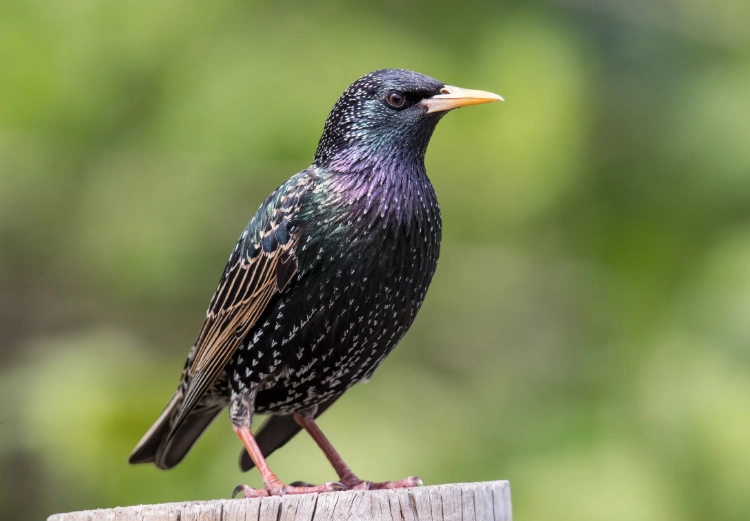
What's Inside: Your Starling Cheat Sheet
How to Spot a Starling (It's Not Just Black)
Most people think "small black bird" and stop there. That's a mistake. Up close, a starling's plumage is a masterpiece of subtlety. In winter and spring, their bodies are covered in white or buffy speckles, like they've been dusted with frost. The real magic happens in the light. Tilt your head, and that boring black transforms into a shimmering oil slick of purples, greens, and blues. Their bill is a dead giveaway—long, sharp, and yellow during breeding season, turning darker in fall and winter.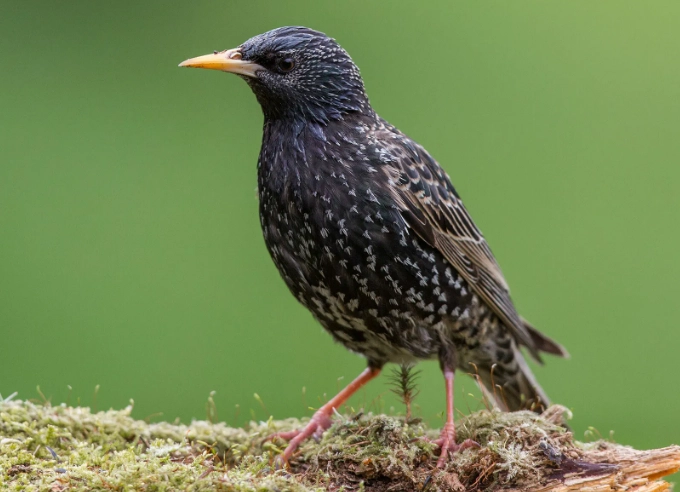
Juveniles throw a curveball. They're a dull, mousey gray-brown all over, with no speckles and a dark bill. I spent weeks thinking a family of weird, drab sparrows had moved in before I saw the parents feeding them.
Here’s a quick comparison to avoid mixing them up with common look-alikes:
| Bird | Key Difference from Starling | Bill Color | Tail Shape |
|---|---|---|---|
| European Starling | Iridescent sheen, winter speckles, short tail. | Yellow (summer), Dark (winter) | Short, square |
| Common Grackle | Larger, longer tail, pale yellow eye, less speckling. | Dark | Long, keel-shaped |
| Brown-headed Cowbird | Smaller, plain brown head (male), no iridescence. | Dark, conical | Short |
| Blackbird (European) | Larger, orange-yellow eye ring and bill (male). | Orange-yellow | Long, rounded |
Their sound is another identifier. It's not a melodic song. It's a racket of wheezes, rattles, clicks, and perfectly mimicked snippets of other birds, car alarms, or even human speech. They're incredible vocal copycats.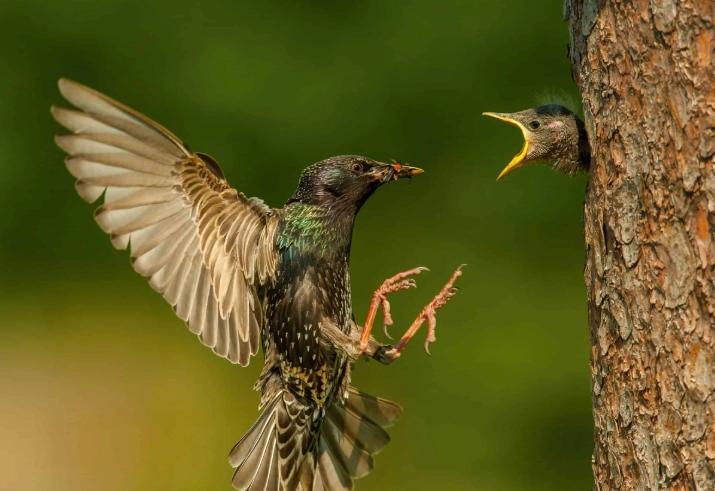
A Day in the Life of a Starling
Starlings are opportunists. Their daily routine is a masterclass in efficient, social living. Dawn sees them leave their communal roost—which can hold thousands of birds—in smaller flocks to forage. They're not picky. "Open bill probing" is their signature move, jabbing their strong beaks into soft soil or grass to find leatherjackets (crane fly larvae), a major food source. They'll also eat fruits, seeds, and your suet cake if you let them.
The evening spectacle, the murmuration, is what captures everyone's imagination. Those swirling, shape-shifting clouds before they settle to roost aren't just pretty. It's a survival strategy. The sheer density confuses predators like hawks. Scientists think each bird follows simple rules: match your neighbors' speed and direction, but don't get too close. The result is that breathtaking, fluid motion. I've seen one over a reedbed that stretched for miles. You don't just watch it; you feel it.
The Social Network of Starlings
Everything they do is social. Foraging, flying, roosting. This hyper-social nature is key to their success as a species, but it's also what gets them into trouble with us. One starling at a feeder is curious. Ten are a plague. They'll descend, squabble loudly, and clear out the food meant for chickadees and finches in minutes. It's not malice; it's just their programming.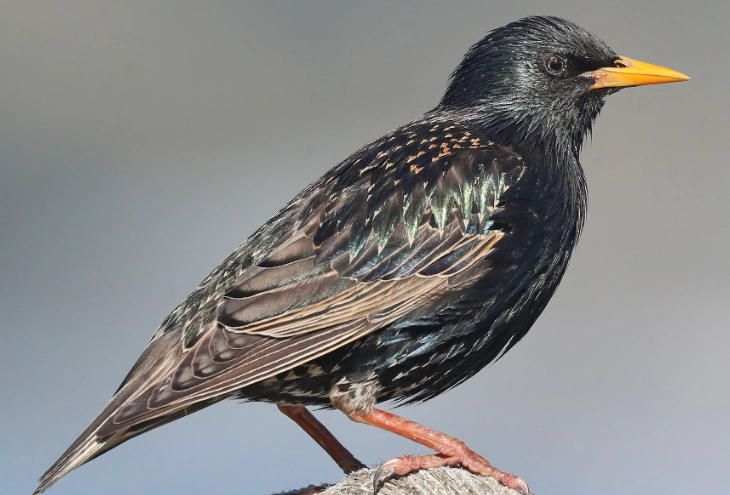
The Great Debate: Are Starlings Good or Bad?
This is where things get heated. In North America, the European starling is a non-native, invasive species. Shakespeare enthusiasts released about 100 of them in New York's Central Park in the 1890s. Today, there are over 200 million. Their success came at a cost. They compete aggressively for nest cavities with native birds like bluebirds, woodpeckers, and swallows, often evicting them. The Cornell Lab of Ornithology notes this competition is a significant concern for conservationists.
But here's the non-consensus part, the thing you only appreciate after watching them for seasons: they are phenomenal at pest control. That diet of grubs and insects includes a lot of agricultural and lawn pests. A study from the USDA (you can search for "USDA starling diet analysis") highlighted their consumption of harmful insects. In their native Eurasian range, they're largely considered beneficial.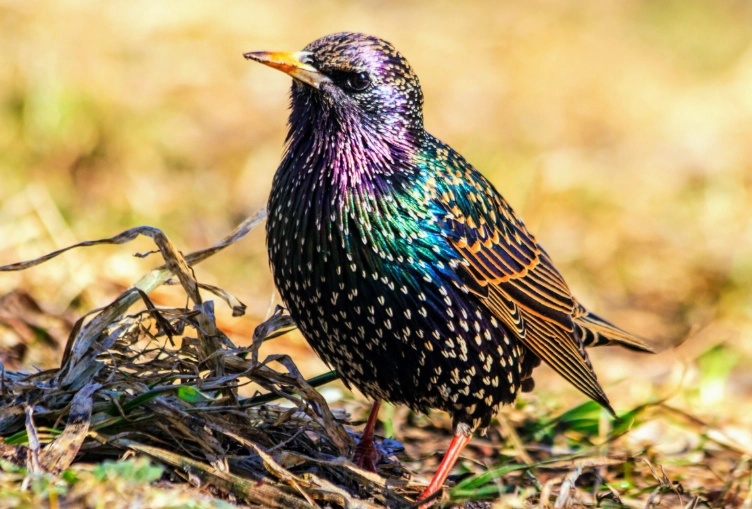
So, are they bad? Ecologically, in non-native areas, yes, their impact is negative. But labeling them purely as villains misses their fascinating biology and the benefits they *do* provide. It's a messy, complicated relationship.
How to Attract (or Gently Discourage) Starlings
Your goal dictates your strategy.
If you want to attract them: It's easy. Offer open trays of suet, peanuts, or cracked corn. They love bird baths. Leave old trees with cavities standing, or put up a nest box with a large entrance hole (about 2 inches). They'll likely find you.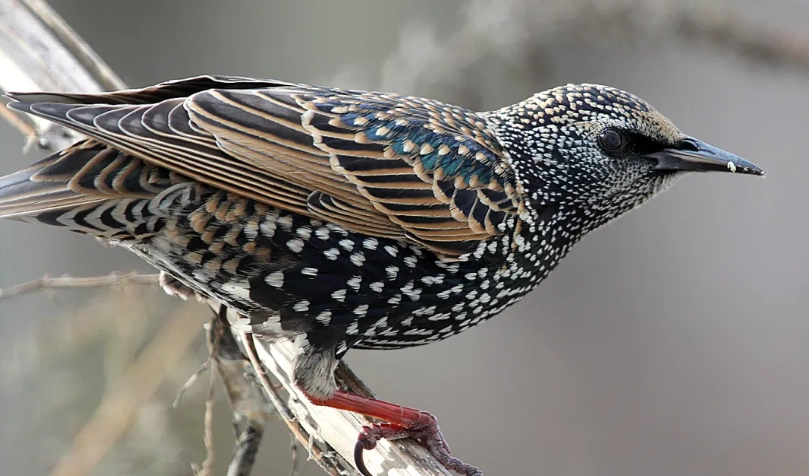
If they're overwhelming your feeders and you want to give other birds a chance: This is the real user pain point. Throwing your hands up is tempting, but specific tactics work.
First, switch your food. Starlings go nuts for suet and cheap seed mixes. Try offering:
Safflower seed: Cardinals and chickadees like it; starlings and squirrels generally don't.
Shelled peanuts: They can't easily steal whole shells.
Nyjer seed: Finches love it; starlings ignore it.
Second, change your feeder hardware. Starlings are big and clumsy. Use feeders with short perches or caged feeders that only allow small birds inside. For suet, use upside-down feeders or feeders with a tail prop that only woodpeckers can use comfortably.
Third, consider timing. Starlings are most active at feeders during the day. Offering food early in the morning or late in the afternoon might give smaller birds a quiet window.
I made the mistake of using a large platform feeder. It was a starling diner. Switching to tube feeders with short perches cut their visits by 80%.
Your Starling Questions, Answered
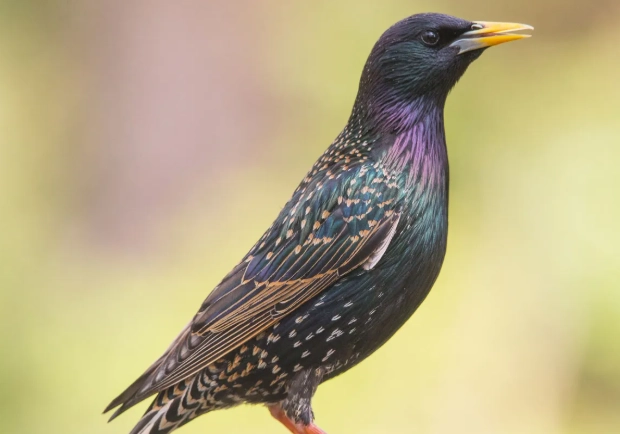
Starlings force us to think. They're a lesson in unintended consequences, a display of breathtaking natural synchrony, and a backyard nuisance all rolled into one. Understanding them—really looking past the initial noise and mess—doesn't mean you have to like them taking over. But it does make the whole experience richer. You're not just shooing away a black bird; you're engaging with one of the most adaptable, social, and controversial avian characters on the planet.
Reader Comments