Let's be honest, when you think of British birds, you might first picture a fat pigeon pecking at chips on a rainy high street. But step away from the concrete for a moment. The UK is home to a stunning and varied birdlife, from the cheeky Robin on your fence post to majestic birds of prey soaring over the Highlands. Whether you're looking out your kitchen window or planning a trip to a remote island, there's a feathered spectacle waiting. This isn't just a list of species. It's a practical guide to finding them, knowing what you're looking at, and doing it all without spending a fortune or getting hopelessly lost.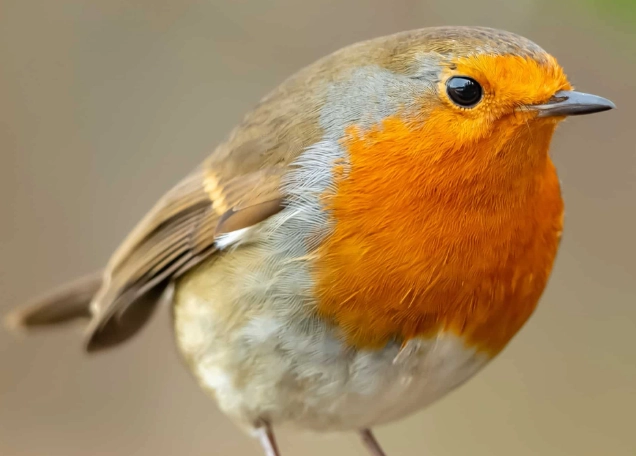
What's Inside This Guide?
The Usual Suspects: Birds in Your UK Garden
Your garden is the perfect, zero-cost hide. Start here. You'll be surprised who turns up. I once spent a whole winter tracking a single Goldfinch's visits to my nyjer seed feeder—it became a morning ritual.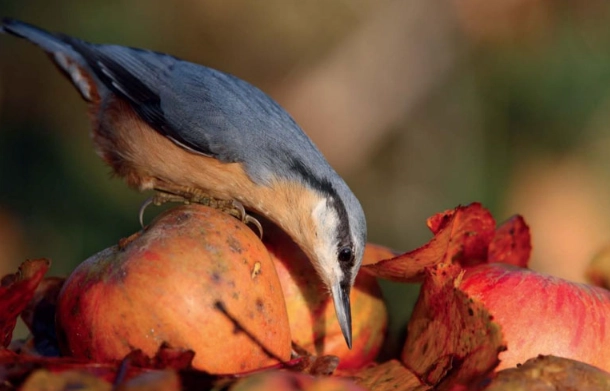
These are the characters you're most likely to meet. Get to know these, and you've got a solid foundation.
| Bird | Key Features | Sound | What to Feed Them |
|---|---|---|---|
| European Robin | Orange-red breast and face, brown back. Often bold and curious. | A sweet, warbling, melancholic song, even in winter. | Mealworms, grated cheese, fruit. They love a bird table. |
| Blue Tit | A flash of blue, yellow, and green. Acrobatic and social. | A high-pitched, rapid "tee-cher, tee-cher". | Sunflower hearts, peanuts (in a safe mesh feeder). |
| Common Blackbird | Males are black with a bright orange-yellow bill. Females are brown. | Beautiful, fluty evening song. Alarm call is a loud, panicked rattle. | Soft fruits like apples, raisins (soaked), mealworms. |
| Woodpigeon | Large, grey with a white neck patch and a clumsy flight. | The familiar, lazy "coo-COO-coo, coo-coo". | They'll eat almost anything, often dominating feeders. |
| House Sparrow | Brown and grey, noisy and chattering in small flocks. | Constant, cheerful chirping. | Mixed seed, they're not fussy. They need hedges or bushes to thrive. |
A common mistake? Putting out bread. It's like junk food—fills them up with no nutrition. Opt for seeds, nuts, and fats instead. The RSPB has excellent guides on what's best.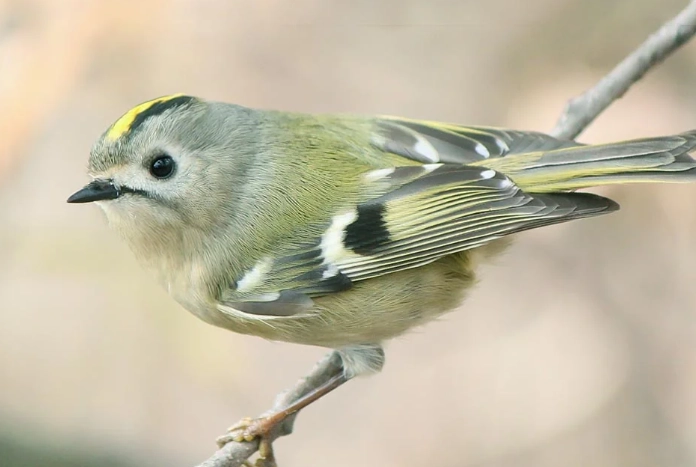
Beyond the Fence: Top UK Birdwatching Locations
Ready to explore? The UK's landscapes are a patchwork of birding opportunities. You don't need to go to some far-flung reserve; often, a local wetland or coastal path will do. Here’s a breakdown by habitat type.
RSPB Reserves: The Gold Standard
Places like RSPB Minsmere (Suffolk) or RSPB Bempton Cliffs (Yorkshire) are iconic for a reason. They're managed for wildlife and have excellent facilities—hides, trails, expert staff. At Bempton in spring, the sight and smell (yes, smell) of thousands of Gannets, Puffins, and Kittiwakes on the cliffs is unforgettable. Check their websites for seasonal highlights.
Coastal Hotspots: Head to any rocky shore or estuary. North Norfolk (Titchwell, Cley), the Scottish Isles, and the Pembrokeshire coast are phenomenal. Look for wading birds like Oystercatchers (pink legs, loud call), Curlews (long, downcurved bill), and in winter, huge flocks of Knot and Dunlin.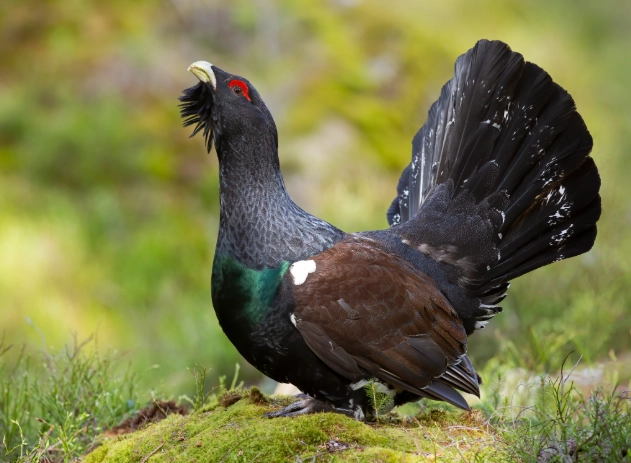
Wetlands & Lakes: Inland water bodies attract a different crowd. The Somerset Levels, WWT Slimbridge, or Loch Leven. Here you'll see swans, geese, ducks, and if you're lucky, the elusive Bittern—a heron that sounds like someone blowing over a giant bottle. Listen for its "boom" in reedbeds.
Upland & Forest: For a real challenge, try the Scottish Highlands or ancient woodlands like the New Forest. This is where you search for specialists: the Crested Tit (only in specific Scottish pinewoods), the Crossbill (a parrot-like finch that eats pine cones), and birds of prey like the Goshawk. It's harder birding, but more rewarding.
Timing is everything. Visit a coastal spot during a high spring tide, and you'll see waders pushed close to the shore. Go to a woodland at dawn in April, and you'll be deafened by the dawn chorus.
How to Identify Birds Like a Pro (Not a Beginner)
Forget just colour. That's the rookie error that leads to misidentifying a Starling for a Blackbird. You need a multi-layered approach.
1. Shape & Silhouette (The 'Jizz'): This is the expert's first tool. How does it stand? Is it upright like a Robin, or horizontal like a Blackbird? What's the bill shape? Long and thin (a warbler), short and conical (a finch), hooked (a bird of prey)? You can often ID a bird from a distance just by its profile.
2. Behaviour: How does it move? Does it bob its tail like a Pied Wagtail? Does it climb tree trunks in spirals like a Treecreeper? Does it hover like a Kestrel? A Great Spotted Woodpecker has a very distinct, bounding flight—a few flaps, then a glide.
3. Sound: This is non-negotiable. Many birds are heard long before they're seen. Download an app like Merlin Bird ID by the Cornell Lab. It has a sound ID feature that's scarily accurate. Learn just three common songs: Robin, Blackbird, Great Tit. It changes everything.
4. Habitat: You won't find a seabird in a city centre (gulls don't count!). A Cetti's Warbler will almost always be in dense, wet scrub. A Dipper is always on a fast-flowing stream. Context narrows the possibilities instantly.
Birdwatching Gear: What You Actually Need
You can spend thousands. Don't. Start simple and build up as your passion grows.
Binoculars: This is your most important tool. The specs are confusing. Ignore zoom binoculars; they're usually poor quality. Look for a pair marked 8x42. The '8x' means 8 times magnification—stable and with a good field of view. The '42' is the lens diameter in mm—big enough to let in light for a bright image. Brands like Viking, Hawke, or older Nikon models offer great value. Go to a shop like Focus Optics or a good camera store to try them in your hands.
Field Guide: A book or app. The RSPB Handbook of British Birds is superb. For apps, the Collins Bird Guide app is the digital bible. Have one with you always.
Clothing: Dull colours. Greens, browns, greys. Be comfortable and prepared for the British weather. Waterproof boots are a lifesaver. A silent, rustle-free jacket is better than a loud waterproof that scares everything off.
What you don't need to start: a massive telephoto lens, a high-end spotting scope, expensive camouflage gear. Get the binoculars right first.
The Unwritten Rules: Birding Ethics & Best Practice
This matters. Birdwatching is about respect.
Keep your distance. If a bird changes its behaviour because of you—stops feeding, flies away, calls in alarm—you're too close. This is especially critical during nesting season (spring/summer). Never approach an active nest. Use your binoculars or scope to get a closer view, not your feet.
Stay on paths. Trampling habitat destroys the very environment the birds need.
Play bird calls sparingly, if at all. Using playback to lure a bird out for a photo is stressful for it and is frowned upon, particularly for rare species. The British Trust for Ornithology (BTO) has clear guidelines.
Share the space. Be mindful of other birders, photographers, and the general public. A little courtesy goes a long way.
Your Birding Questions, Answered
How can I tell apart the UK's common but similar-looking warblers, like the Willow Warbler and Chiffchaff?
Leg colour is the most reliable field mark when you can't hear them sing. Willow Warblers have pale, pinkish-brown legs, while Chiffchaffs have dark grey or black legs. In spring, the Chiffchaff's song is a repetitive, two-note "chiff-chaff", whereas the Willow Warbler's is a beautiful, descending melodic warble. Their plumage is nearly identical, so focusing on legs and song saves a lot of confusion.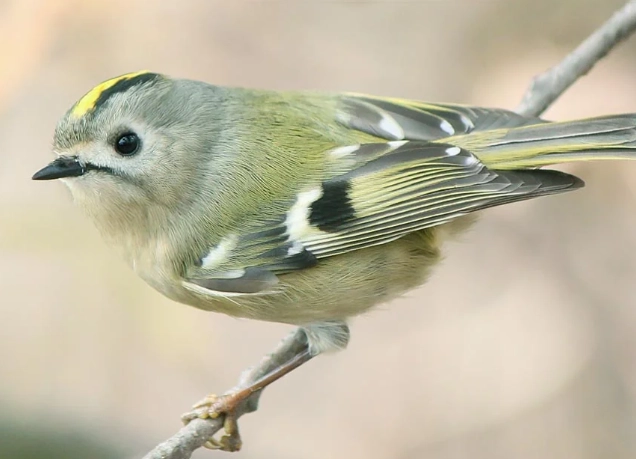
What's the most overrated method for attracting birds to my UK garden?
Expensive, brightly coloured plastic feeders filled with cheap seed mixes. The cheap mixes are often full of filler grains like wheat and milo that most small garden birds ignore, creating a mess and attracting pigeons. Invest in a simple, sturdy metal or wood feeder and fill it with high-energy black sunflower seeds or sunflower hearts. The quality of the food matters far more than the gimmick of the feeder.
When is the absolute best time for birdwatching in the UK?
Late April through May is unbeatable. This is peak spring migration, so you get the resident birds in full song and breeding plumage, plus a huge influx of summer visitors like Swallows, Swifts, and Warblers all arriving and establishing territories. The days are longer, foliage isn't too dense yet, and the weather is often improving. It's the one window where sheer diversity is guaranteed almost anywhere you go.
What's the one piece of gear I should buy first as a total beginner?
A decent pair of 8x42 binoculars. Don't start with a camera or a massive spotting scope. Good binoculars (brands like Viking, Hawke, or second-hand Nikon from a reputable dealer) are your primary tool for seeing detail. An 8x42 model offers a bright image, good field of view, and is easy to hold steady. Everything else—identification, appreciation, photography—starts with actually seeing the bird clearly, which cheap, shaky binoculars won't let you do.
So, there you have it. It starts with looking out your window with a bit more intent. Then maybe a trip to a local park with those binoculars you finally bought. Before you know it, you'll be recognising the regulars, noting the first Swallow of summer, and feeling that little thrill of spotting something new. The birds of the United Kingdom are a constant, accessible show. You just have to tune in.
Reader Comments