Forget just checking birds off a list. The real magic of birding happens when you stand in a landscape that feels alive with wingsong, where every glance reveals something new and spectacular. Over fifteen years of chasing feathers across continents, I've learned that the best bird watching destinations aren't just about rare species counts—they're about the experience. They combine incredible avian diversity with accessibility, stunning scenery, and that intangible feeling of wild discovery. This guide cuts through the generic lists to give you the real details on where to go, when to be there, and how to make the most of it, whether you're planning your first major birding trip or your tenth.
Your Quick Guide to Global Birding Hotspots
The Americas: Biodiversity Powerhouses
The Neotropics, stretching from Mexico to Argentina, hold roughly one-third of the world's bird species. It's not even a contest for sheer density of life.
1. Monteverde Cloud Forest, Costa Rica
This isn't just a forest; it's a dripping, green cathedral in the sky. The constant mist feeds an explosion of life. You're here for the Resplendent Quetzal—its emerald and crimson plumage is a religious experience for birders—but you'll stay for the hummingbirds. The Monteverde Cloud Forest Biological Preserve is the main hub.
The Logistics: The preserve is open daily from 7:00 AM to 4:00 PM. Admission is around $25 for adults. You'll need a car or shuttle from San José (about 3.5 hours). Book a guided walk for your first morning; their trained eyes will spot things you'd walk right past. Stay in Santa Elena town for cheaper lodging, or splurge on a canopy-side eco-lodge.
A common mistake? Rushing through. Spend at least three full days. The quetzal is often easier to find in the nearby Curi-Cancha Reserve, and the hummingbird galleries at Selvatura Park are worth the separate entry fee for unbeatable photo ops.
2. The Pantanal, Brazil
If the Amazon is a dense, vertical wall of green, the Pantanal is a vast, horizontal wildlife theater. It's the world's largest tropical wetland, and during the dry season (July-October), animals concentrate around shrinking waterholes. The birding is spectacularly easy.
The Star Attractions: The giant Jabiru stork building its huge nest, the bizarre-looking Toco Toucan, and a dizzying array of waterbirds like the Sunbittern and countless herons. Hyacinth Macaws—the world's largest parrot—are relatively common here compared to elsewhere.
How to Do It: Fly into Cuiabá. Your trip will be based at a fazenda (ranch) or eco-lodge along the Transpantaneira road. A guided package is non-negotiable; they provide 4x4, boat, and walking safaris. Expect to pay $250-$400 per person per day for all-inclusive guided tours. It's not cheap, but the sheer volume of visible wildlife makes it worth every penny.
Africa: The Ultimate Safari for Birders
Africa delivers the iconic megafauna, but its birdlife is equally dramatic. The key is timing your visit with the rains, which trigger a frenzy of breeding and activity.
| Destination | Country | Key Birds to See | Best Time to Visit | Travel Note |
|---|---|---|---|---|
| Kruger National Park | South Africa | Southern Ground Hornbill, Lilac-breasted Roller, Martial Eagle, countless raptors and vultures. | November to March (Summer, but hot and rainy). Birding is excellent year-round. | Self-drive is fantastic and affordable. Rest camps provide easy, productive birding around waterholes. |
| Bwindi Impenetrable Forest | Uganda | Over 23 Albertine Rift endemics, including the stunning African Green Broadbill and Shelley's Crimsonwing. | June-August & Dec-Feb (drier periods). | Primarily known for gorilla trekking, but the birding is world-class. Requires a gorilla permit ($700+) and a specialist bird guide. |
| Ethiopian Highlands | Ethiopia | Endemic specialties: Thick-billed Raven, Wattled Ibis, the bizarre Blue-winged Goose, Spot-breasted Plover. | October to March (dry season). | A unique cultural and birding trip. Roads can be rough. A dedicated birding tour operator is highly recommended. |
I spent three weeks in South Africa's Kruger once, and the bird list grew faster than the mammal list. You'll be checking off eagles while waiting for lions.
Asia: A Realm of Exotic Beauty
From the steamy jungles of Southeast Asia to the Himalayan heights, Asia offers some of the most sought-after and beautifully plumaged birds on the planet.
Bharatpur (Keoladeo Ghana National Park), India
This former duck-hunting ground for maharajas is now a UNESCO World Heritage Site and a wetland of international importance. It's compact, flat, and explored by bicycle, rickshaw, or on foot.
Practical Details: The park is in Rajasthan, about 190km from Delhi. It's open from sunrise to sunset. Entry is about 500 INR for foreigners. Hire a cycle rickshaw with a driver who doubles as a spotter for a few dollars per hour—they have phenomenal eyes. Winter (November to February) is prime time, when migratory Siberian cranes (though increasingly rare), thousands of ducks, storks, and raptors fill the marshes. Stay in the simple but adequate lodges just outside the gate.
Kinabalu Park, Malaysian Borneo
Mount Kinabalu creates its own weather and its own unique set of birds. The real prizes are in the cool, mossy upper elevations. It's tough birding—steep trails, fog, and shy birds—but immensely rewarding.
You're targeting Bornean endemics like the brilliant crimson-and-black Whitehead's Trogon and the Kinabalu Friendly Warbler. Book a specialist local bird guide in advance; finding these birds alone is nearly impossible. The park headquarters area at 1,500m is a great starting point. Accommodation ranges from hostel dorms to the luxurious Sutera Sanctuary Lodge.
Europe & Oceania: Classic Havens
For accessible, infrastructure-rich birding with stunning backdrops, these regions are hard to beat.
Doñana National Park, Spain
Europe's most important wetland, at the mouth of the Guadalquivir River. A stronghold for the endangered Spanish Imperial Eagle and the charismatic Eurasian Spoonbill. Spring (April-May) is explosive with migrating songbirds and breeding herons. Access to the core reserve is by official 4x5 tour only (book months ahead), but the surrounding marismas (marshes) and the El Rocío village area offer fantastic free birding. Base yourself in El Rocío for a truly unique experience—sand streets and horses tied up outside bars.
Kakadu National Park, Australia
The scale is Australian—immense. It's a blend of sandstone escarpments, floodplains, and mangrove-lined coasts. The birdlife is loud, colorful, and often huge. Watch massive flocks of Magpie Geese take off at Yellow Water Billabong, scan for the White-throated Grasswren on the stone country, and listen for the raucous call of the Red-tailed Black Cockatoo. Visit in the dry season (May to October). Roads are good, and you need a 4WD only for remote tracks. Join a Yellow Water cruise for guaranteed close encounters with comb-crested Jacanas and Sea-eagles.
How to Plan Your Ultimate Bird Watching Trip
Choosing the right destination is just the start. Making it work involves a few key decisions.
To Guide or Not to Guide?
For complex destinations like the Pantanal, Borneo, or Uganda, a good local guide isn't a luxury; it's the difference between seeing birds and missing them. They know calls, territories, and hidden spots. In user-friendly places like Costa Rica's Monteverde or South Africa's Kruger, you can do very well on your own for the first few days, then hire a guide for a half-day to find your remaining target species. Websites like BirdingPal can connect you with local enthusiasts.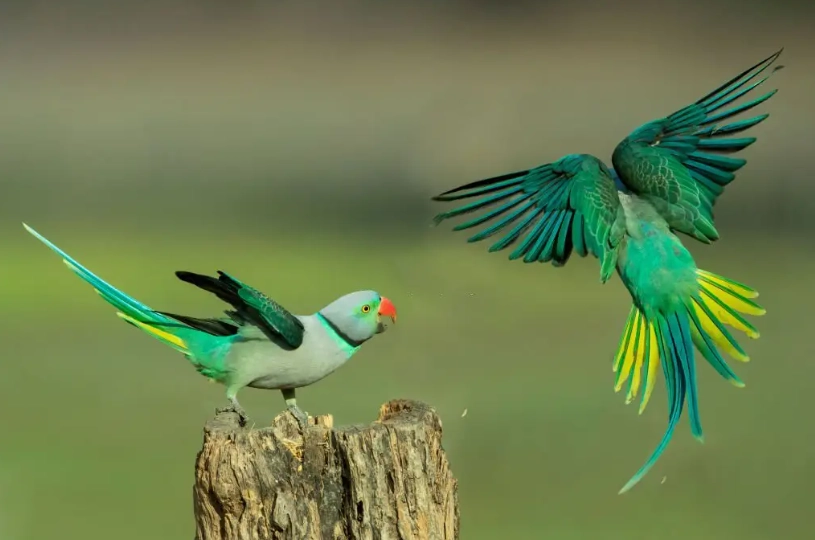
Timing is Everything
Bird activity peaks during breeding seasons (often linked to rains) and migrations. But there's a trade-off. The "best" birding time often coincides with rain, heat, or crowds. The "shoulder" season just before or after can offer 85% of the birds with 50% fewer people and lower prices. Research carefully.
Gear Check: Your binoculars are your primary tool. An 8x42 is the perfect all-around configuration. Don't bring a massive spotting scope unless you're specifically going to vast wetlands or coastlines. A field guide specific to the region (or a loaded app like Merlin Bird ID) is essential. Pack lightweight, quick-dry clothing in muted colors, a wide-brimmed hat, and more sunscreen than you think you'll need.
Your Birding Trip Questions Answered
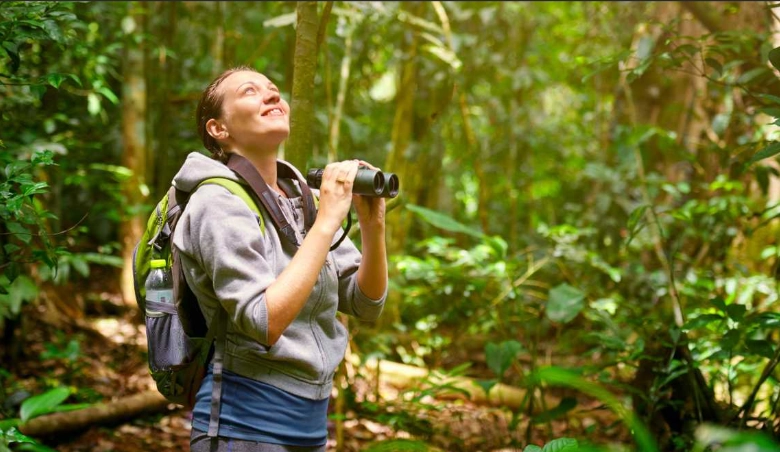 Are these top destinations suitable for bird photographers, or are they better for listers?
Reader Comments