Spotting a flash of yellow or hearing a bubbly warble at your feeder is one of the simple joys of backyard birding. But which finch is it? You're not alone if you've struggled to tell them apart. Many finch species look similar at a glance, and their appearances can change with the seasons. This guide cuts through the confusion. We’ll focus on the finch species you're most likely to see in North American backyards and parks, giving you the tools to identify them confidently and understand what brings them to your space.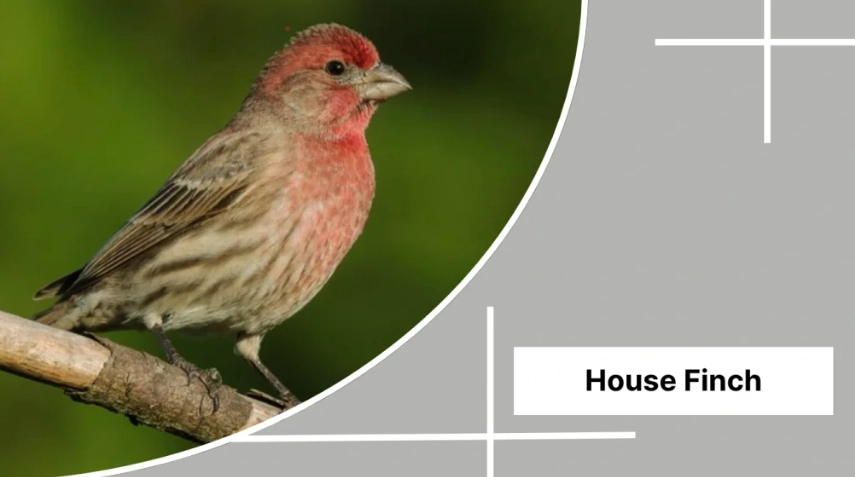
What's Inside This Finch Guide
Why Finch Identification Can Be Tricky
It’s not you. Finches present real challenges even for intermediate birders. First, there's the "little brown bird" problem. Females and juveniles of many species are streaky brown, designed for camouflage. Telling a female House Finch from a female Purple Finch requires a sharp eye for subtle shades and markings.
Then there’s seasonal wardrobe changes. The American Goldfinch male is a stunning canary-yellow in summer but molts into a drab olive outfit for winter, looking almost identical to the female. If you only saw them in January, you'd swear they were a different bird.
Location muddles things further. A Pine Siskin in the boreal forest might be a rare treat, but in a "irruption year"—when food sources fail up north—they can swarm feeders across the continent, looking for all the world like streaky, pointy-beaked sparrows to the untrained eye.
I remember my first "goldfinch" was actually a female House Finch. I spent weeks proud of my identification until a more experienced birder gently pointed out the difference in bill shape and the lack of wing bars. It was a humbling lesson.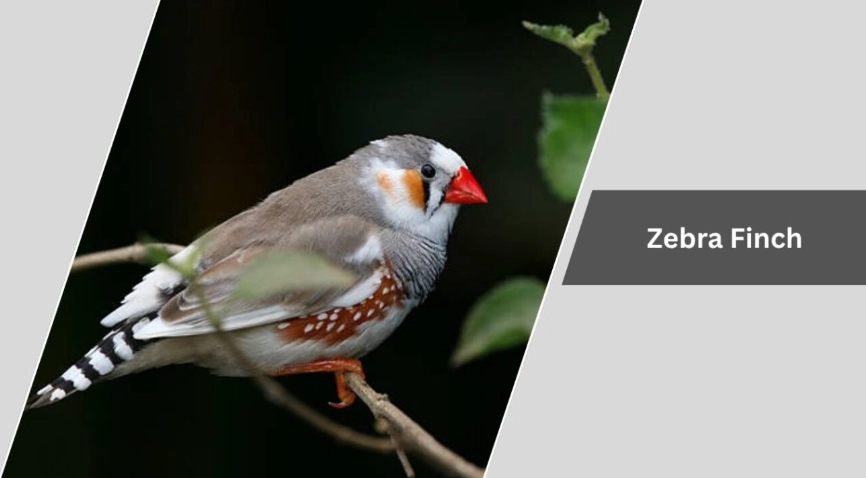
Common Backyard Finch Species: A Visual Breakdown
Let's get specific. Here’s a rundown of the finch species you're most likely to encounter, focusing on the details that matter.
| Species | Male Key Features | Female Key Features | Habitat & Behavior | Voice |
|---|---|---|---|---|
| House Finch | Rosy-red on head & upper breast (color can vary to orange/yellow). Heavily streaked belly and flanks. | Plain gray-brown with blurry, streaked underparts. No distinct facial pattern. | Ubiquitous. Loves feeders, urban areas, shrubs. Social, often in noisy groups. | A rapid, cheerful warble ending with a sharp "cheeep." |
| American Goldfinch | Summer: Brilliant lemon-yellow body, black forehead/wings, white wing bars. Winter: Dull olive-brown. | Olive-yellow overall, duller than winter male. Same black wings with white bars. | Open fields, weedy areas, thistles. Late nester. Acrobatic at tube feeders. | Sweet, high-pitched "po-ta-to-chip" flight call. Long, musical song. |
| Purple Finch | Raspberry or wine-red wash over head, breast, back. Looks like it was dipped in color. | Bold white eyebrow stripe, strong facial pattern. Heavily streaked underparts. | Coniferous and mixed woods, visits feeders in winter. Less common than House Finch. | Rich, burry warble, more melodious than House Finch. |
| Pine Siskin | Heavily streaked brown body with subtle yellow flashes in wings/tail. Sharp, pointed bill. | Identical to male. All are streaky sparrow-like birds. | Coniferous forests. Irruptive; can appear in huge numbers at feeders some winters. | Harsh, rising "zreeeeeeet" call. Chattery in flocks. |
| Red Crossbill | Brick-red or orange body. The crossed bill tips are unmistakable. | Dull olive-yellow or gray. Same crossed bill. | Coniferous forests. Nomadic, following cone crops. May visit for salt or grit. | Hard "jip-jip" flight calls. Often heard before seen. |
That table gives you the cheat sheet. But here’s where most guides stop, and where we’ll go deeper.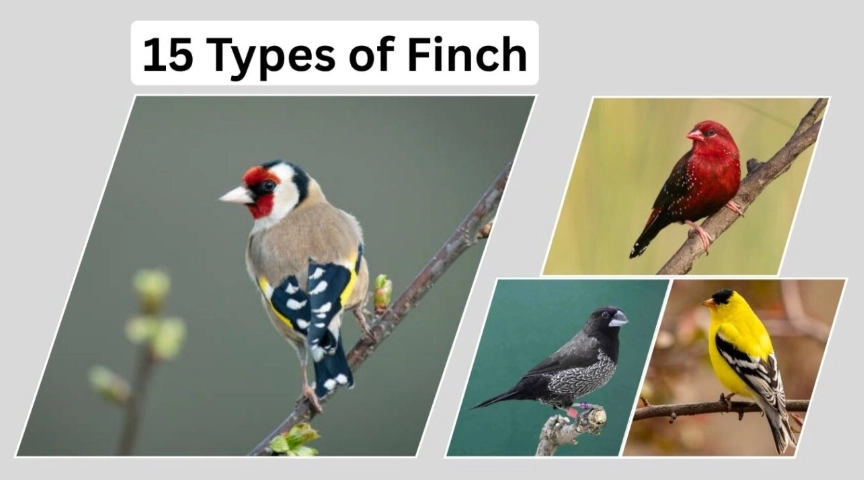
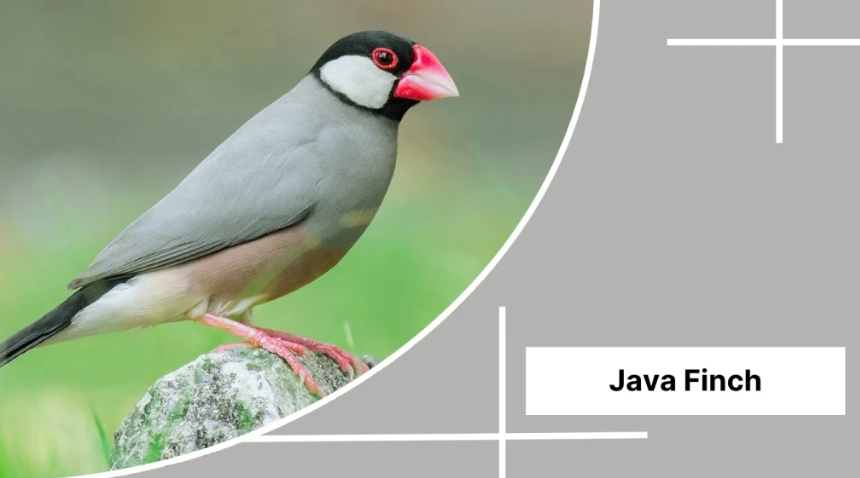
Proximity Alert: The House Sparrow is the ultimate imposter. It's not a true finch (it's an Old World sparrow), but it's at every feeder, eating finch food, and causing confusion. Males have a gray crown and black bib. Females are plain pale brown with a single dark streak behind the eye. Knowing this common visitor saves a lot of misidentification.
The House Finch vs. Purple Finch Dilemma
This is the classic ID headache. The male Purple Finch has color that looks like it seeped into the feathers from the head down, covering the back and belly smoothly. The male House Finch looks like someone splashed red paint only on its head and chest, with very clear streaky brown on the flanks and belly. For females, the Purple Finch has that stark, clean white eyebrow and a more defined face—it looks "neater" than the blurry-faced female House Finch.
How to Attract Finches to Your Yard (The Right Way)
You want finches? It's less about fancy equipment and more about offering the right resources consistently.
Food is King (Nyjer is Queen): For goldfinches, siskins, and redpolls, nyjer seed (sometimes called thistle) is the magic bullet. It's tiny, oily, and requires a special tube feeder with small ports. Don't buy a cheap bag; get fresh nyjer from a store with high turnover, as it dries out and becomes unattractive. House Finches and Purple Finches prefer black-oil sunflower seeds. Offer both.
Feeder Strategy: Use multiple feeder types. A nyjer tube feeder for the acrobats (goldfinches). A platform or hopper with sunflower seeds for the others. Keep them clean. A dirty feeder spreads disease faster than you'd think. I scrub mine with a vinegar solution every two weeks.
The Secret Weapon: Water. A birdbath, especially one with a gentle drip or mister, is a finch magnet. They need to drink and bathe daily. Moving water is more appealing and stays cleaner. In winter, a heated birdbath is worth its weight in gold.
Landscaping for Finches: Plant native seed-bearers. Goldfinches adore the seeds of sunflowers, coneflowers, and asters. They’ll feed on them long into fall. Let some of your garden go to seed instead of deadheading everything.
Going Beyond Color: Advanced Finch ID Skills
Color fails. It gets washed out in bright sun, disappears in shadow, and changes with the season. If you want to identify finches like a pro, you need a bigger toolkit.
Shape and Silhouette: Look at the bill. Is it thick and conical (House Finch), slender and pointed (Pine Siskin), or bizarrely crossed (Red Crossbill)? Look at body shape. Is it plump and neckless (House Finch) or more streamlined (Goldfinch)?
Behavior is a Huge Clue: Goldfinches have a bouncy, undulating flight pattern. They also feed acrobatically, hanging upside down on seed heads. Pine Siskins are incredibly social and aggressive at feeders, often clustering and squabbling. Red Crossbills use that unique bill to expertly pry open pine cones, often working them over like a corkscrew.
Sound is Your Best Ear: Seriously, learn the calls. You can identify 80% of birds by sound before you see them. The American Goldfinch's "po-ta-to-chip" is unmistakable. The Pine Siskin's electric-buzz rise is unique. The House Finch's cheerful, jumbled song is a backyard staple. Use resources like the Cornell Lab of Ornithology's All About Birds website to listen and practice.
My personal rule? If I see a "yellow bird," I don't trust my eyes until I've heard its voice or noted its flight pattern. It saves me from mislabeling a female orioles or warblers that pass through.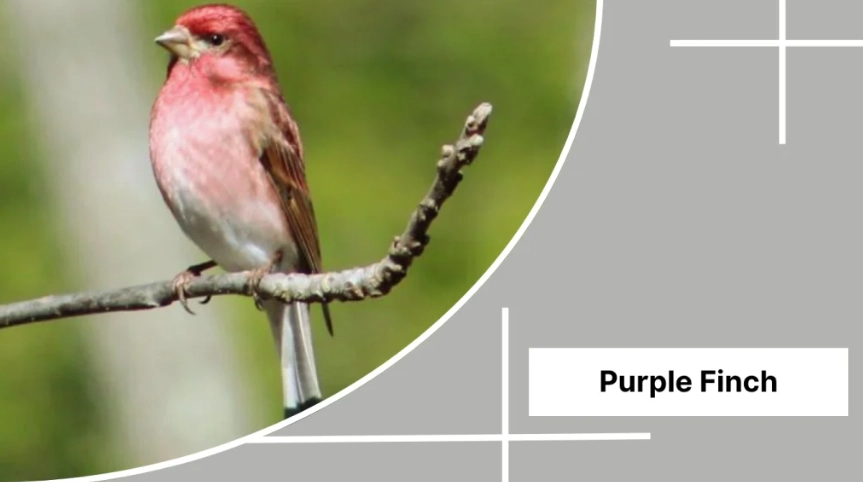
Your Finch Questions Answered
 Identifying finches transforms your backyard from a green space into a living theater. You start noticing the subtle differences, the seasonal shifts, the unique personalities of each species. It’s a skill that grows with every glance out the window. Start with the common ones, master their sounds and shapes, and soon you’ll be spotting the subtle visitors that most people miss. Grab a guide, fill a feeder, and just watch. The finches will teach you the rest.
Reader Comments