Spot a stocky, glossy black bird with a peculiar brown head at your feeder? You've just met the brown-headed cowbird, one of the most fascinating and controversial birds in North America. Forget everything you think you know about dedicated parenting in the bird world. This species has perfected a different strategy: letting other birds do all the hard work. It's a brood parasite, laying its eggs in the nests of over 200 other species, from tiny warblers to unsuspecting flycatchers. This behavior sparks endless debate among birders and conservationists. Is it a clever survivor or an ecological villain? Let's cut through the noise and get to the real story of identification, behavior, and what its presence means for your backyard.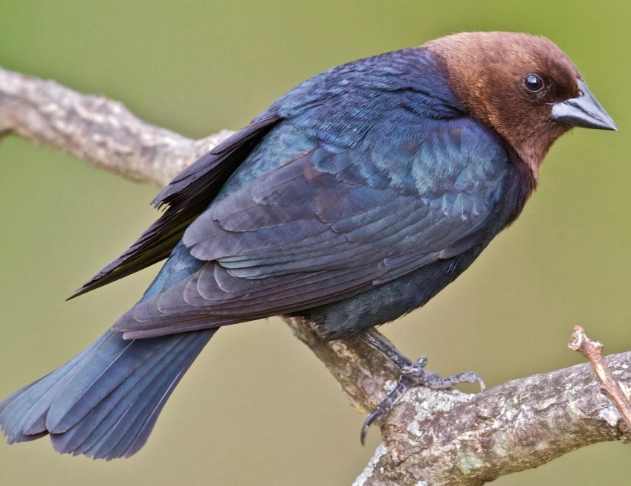
What's Inside This Guide
How to Identify a Brown-Headed Cowbird (Beyond Just the Brown Head)
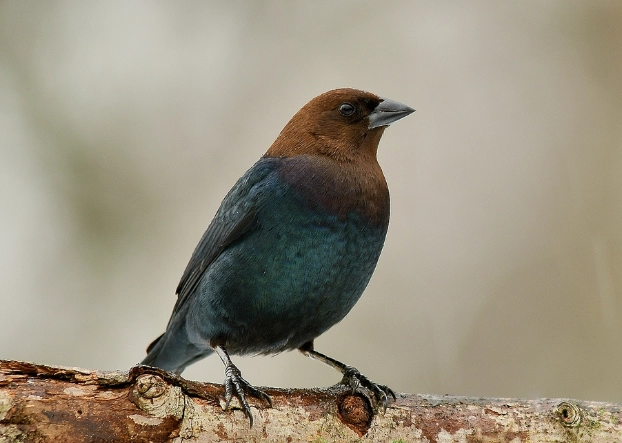
The male is the easy one. In good light, he's not just black—he's got a stunning iridescent sheen of purple and green on his body. That brown head looks like it's been dipped in milk chocolate, creating a sharp contrast. But here's where beginners trip up. They see a brown bird at the feeder and immediately call it a female cowbird. Slow down.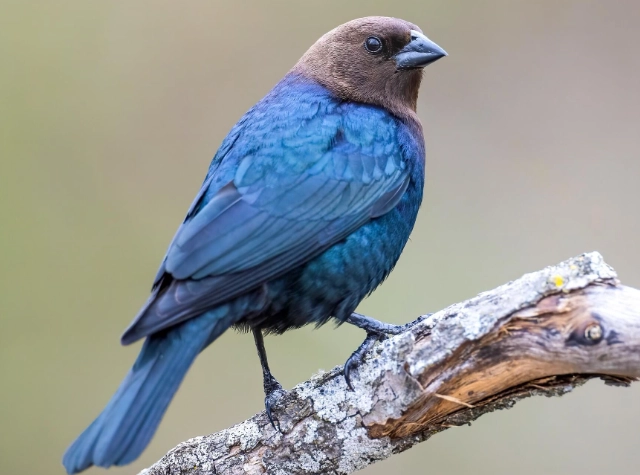
The female is a master of disguise. She's not brown like a sparrow; she's a dull, uniform gray-brown all over, like plain oatmeal. The key is her shape and bill. She has a plump body, a short tail, and most importantly, a stout, conical, finch-like bill. This is crucial for distinguishing her from a female Red-winged Blackbird, which is more streaky and has a longer, sharper bill.
Quick ID Checklist
Male: Glossy black body (look for purple/green shine), rich brown head, dark eye, stout grayish bill.
Female: Uniform dull gray-brown, no streaks. Chunky body with a short tail. Noticeably thick, conical, grayish bill.
In Flight: Swift and direct with rapid wingbeats. Short tail and pointed wings give a distinctive silhouette different from starlings or blackbirds.
Common Lookalikes and How to Tell Them Apart
I've lost count of the times someone has pointed to a grackle and called it a cowbird. Common Grackles are larger, have longer tails, and a more iridescent sheen all over their bodies, not just on the head. Starlings, another frequent mix-up, are chunkier with shorter tails and speckled plumage—nothing like the cowbird's clean brown head or the female's uniform gray.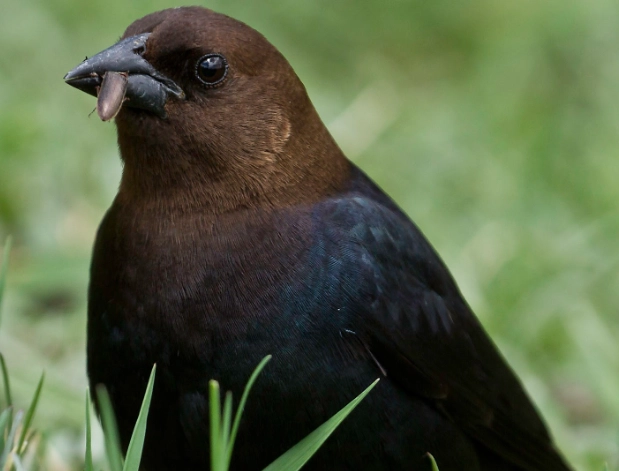
The real test is the female. That plain, unstreaked appearance combined with that thick seed-cracking bill is the dead giveaway. If you see a smallish, plain brown bird with a fat beak at your feeder, you're likely looking at a female cowbird.
The Parasite's Playbook: Life Cycle and Behavior
Forget building a nest. Cowbirds are obligate brood parasites, meaning they must lay their eggs in other birds' nests to reproduce. The female cowbird is a stealthy opportunist. She silently monitors the nesting activities of other birds, waiting for the perfect moment to sneak in, lay a single egg, and disappear. She can lay over 30 eggs in a season, each in a different host's nest.
The cowbird egg often looks suspiciously different—larger and with a unique pattern—but many host birds don't recognize it as foreign and proceed to incubate it. The real trick is speed. Cowbird eggs have a very short incubation period. The chick hatches first, grows rapidly, and often outcompetes the host's own chicks for food. In many cases, the cowbird chick will even push the host's eggs or chicks out of the nest.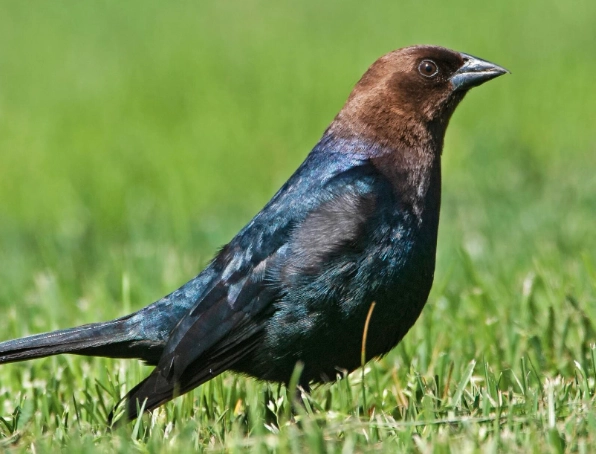
This isn't random cruelty; it's a highly evolved survival strategy. By not investing energy in nest-building and chick-rearing, the cowbird can produce many more offspring. Historically, this strategy was tied to following large herds of bison. The birds couldn't afford to stay in one place to tend a nest, so they left their young in the care of others. The problem today is that there are no more bison herds to follow, but the parasitic behavior remains, amplified by the fragmented landscapes we've created.
Cowbirds in Your Backyard: Real Impact and What You Can Do
So, you've identified cowbirds visiting your yard. What now? The first reaction is often to want to shoo them away or worse. Hold on.
Actively harassing or harming cowbirds is not only ineffective in the long run, but it's also illegal under the Migratory Bird Treaty Act. They are a native species, even if their impact feels negative.
The smarter approach is indirect management. Focus on making your yard a fortress for vulnerable host species. Here are concrete steps based on recommendations from organizations like the American Bird Conservancy:
1. Landscape with native plants: Native trees, shrubs, and wildflowers attract native insects, which are crucial for feeding nestlings. Native plants also provide better nesting cover. The dense, multi-layered structure of a native thicket makes it harder for cowbirds to find and monitor nests.
2. Choose your feeder strategy wisely: Cowbirds are ground feeders and love large, open platforms where they can gather in flocks. If they become a problem, consider switching to tube feeders with short perches or mesh feeders that hold nyjer seed. These favor finches, chickadees, and other smaller birds that are less frequent cowbird targets.
3. Provide water safely: A birdbath or small pond is great, but place it near cover so small birds can escape quickly. Cowbirds, being larger, can be more dominant at water sources.
4. If you find a parasitized nest: This is the hardest part. You might see a nest with one giant, pale egg among several smaller, speckled ones. The instinct is to remove the cowbird egg. Don't. It is illegal. Furthermore, the female cowbird may retaliate by destroying the host's eggs if she finds her own missing. The best course is to let nature take its course, as difficult as that is to watch. Your role is to provide the best possible habitat so the host species have a fighting chance in the future.
Conservation Context: Villain, Victim, or Just a Bird?
The narrative around cowbirds is complex. In some areas, particularly where forests have been cut into small fragments, high cowbird densities have contributed to population declines of sensitive species like the Kirtland's Warbler or Black-capped Vireo. In these cases, intensive cowbird trapping programs have been part of successful recovery efforts.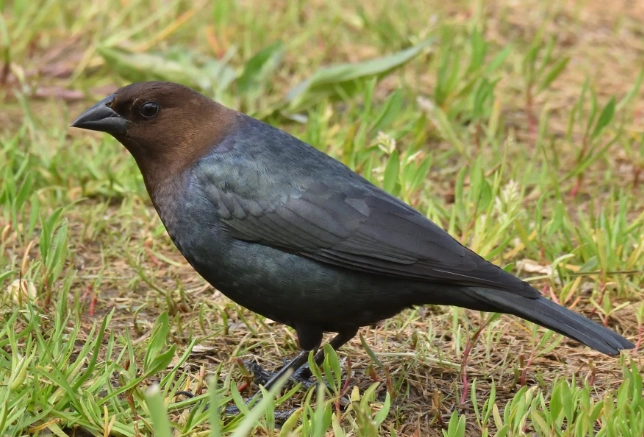
But labeling the cowbird as a universal villain misses the point. They are a symptom of a larger problem: habitat loss and fragmentation. We created the edge habitats and open fields they thrive in. We removed the large predators that may have kept their numbers in check. The cowbird is simply exploiting the world we built.
In most suburban backyards, the impact is minimal on a population level. A few parasitized nests are part of the ecological web. The goal shouldn't be to eradicate cowbirds—an impossible task—but to create balanced, resilient habitats where all native birds, hosts and parasites alike, can exist. That means big, contiguous blocks of forest, healthy riparian corridors, and yes, in our own yards, gardens that prioritize native ecology over sterile lawn.
Observing brown-headed cowbirds forces us to confront the messy, often uncomfortable realities of nature. They are not villains by choice but by evolutionary design, thriving in the world we've shaped. By understanding their identification, their ruthless yet fascinating strategy, and focusing our efforts on creating robust habitats, we can appreciate their role in the ecosystem without romanticizing it. The next time you see that glossy black male or that plain gray female, you'll see more than just a bird at the feeder—you'll see a complex story of adaptation, survival, and our own role in the landscape.
Reader Comments