In This Article
You hear them before you see them. That rapid-fire tap-tap-tap-tap echoing through the woods or, sometimes, against the side of your house. For a lot of folks, that's their first and only thought about woodpeckers—annoying noisemakers. I used to think that way too, especially when one decided my rain gutter was the perfect drum at 6 a.m. But after spending time watching them, reading up, and talking to birders, my view flipped completely. These birds aren't just making noise; they're running a full-scale construction and pest control operation. They're essential.
Think about it. What other bird has a built-in jackhammer for a face? They're nature's ultimate specialists, and their work has ripple effects through the entire forest. This isn't just about identifying a red head. It's about understanding a keystone species. If you're curious about the birds drilling in your backyard, or if you want to invite them in without inviting trouble, you're in the right place. We're going past the basic facts and into the real, practical stuff—the good, the bad, and the incredibly noisy.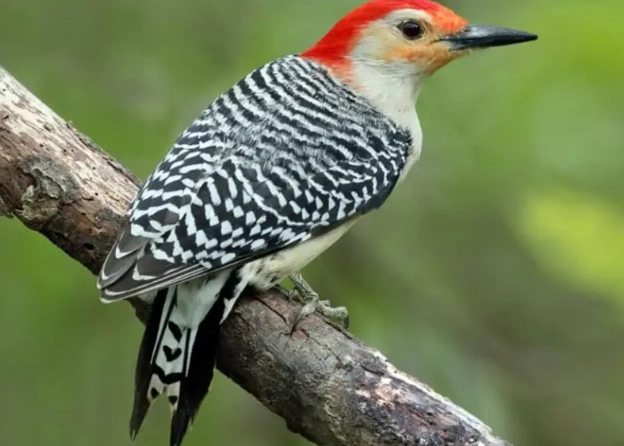
Here's the thing most people miss: A forest with healthy woodpecker populations is a healthier forest, period. Their excavations create homes for dozens of other species that can't do the hard work themselves.
Why Woodpeckers Matter (Way More Than You Think)
Let's start with their job description. Calling them "birds" feels inadequate. They're ecosystem engineers. Their primary gig is foraging for insects, especially the larvae of wood-boring beetles that can devastate trees. A single woodpecker family can consume thousands of these pests in a season. That's free, organic pest control on an industrial scale. The U.S. Forest Service notes the importance of woodpeckers in managing bark beetle outbreaks, which can save entire stands of trees.
But their second job is even cooler: real estate development. Most woodpeckers excavate a new nesting cavity each year. The old ones don't go to waste. They become prime real estate for a whole host of "secondary cavity nesters"—birds like bluebirds, swallows, and chickadees, plus mammals like flying squirrels and bats. These animals can't chisel into solid wood, so they're utterly dependent on the work of woodpeckers. No woodpeckers? A serious housing crisis for half the forest community.
Their drumming, that springtime racket that drives people nuts, isn't random pecking. It's communication. They're staking territory and attracting mates. It's the bird equivalent of blasting your favorite song with the windows down. Annoying to neighbors, maybe, but crucial for them.
Okay, full honesty time. I love them, but I don't love the holes they drilled in my cedar siding a few years back. It was a costly lesson in "woodpecker-proofing." Their value is immense, but it's perfectly valid to want to protect your property. We'll get to that.
Meet the Crew: Common Woodpeckers You Might See
North America is home to over 20 species of woodpeckers, from the massive, crow-sized Pileated to the tiny, sparrow-sized Downy. Knowing who's who helps you understand what they're doing in your area. Here’s a rundown of some of the most widespread characters you're likely to encounter.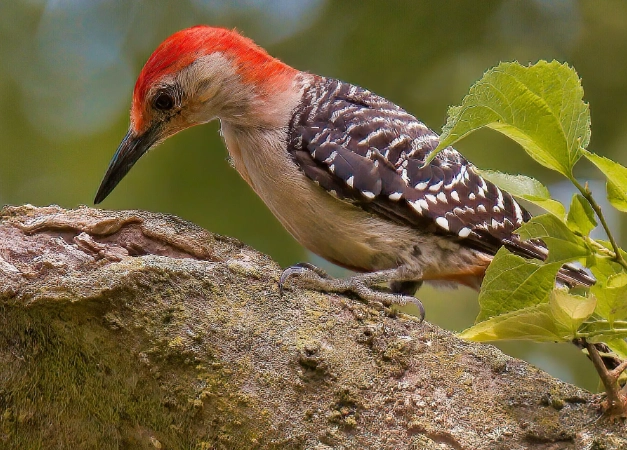
| Species | Size & Key Features | Habitat & Habits | What They're After |
|---|---|---|---|
| Downy Woodpecker | Tiny (sparrow-sized). Short bill. Black and white with a small red patch on the back of the male's head. | Backyards, parks, woodlands. The most common and adaptable. Often joins mixed bird flocks. | Insects on small branches and weeds. Loves suet and black oil sunflower seeds at feeders. |
| Hairy Woodpecker | Larger (robin-sized). Looks like a Downy but with a bill as long as its head is wide. | Mature forests, larger trees. Less common at feeders than Downy, but will visit. | Beetle larvae drilled deeper in tree trunks. A powerful forager. |
| Northern Flicker | Large, slender. Brownish with black spots. White rump visible in flight. Red or yellow underwings. | Open areas, edges, yards. Often feeds on the ground. A terrible drummer on metal chimneys! | Ants! Primarily an ant-eater, using its long tongue to probe soil and anthills. |
| Pileated Woodpecker | Very large (crow-sized). Striking red crest. Mostly black with white stripes on face and neck. | Large tracts of mature forest. Loud, dramatic, and leaves huge rectangular holes. | Carpenter ants and wood-boring beetle larvae. Their excavations can be massive. |
| Red-bellied Woodpecker | Medium-sized. Pale belly with a faint red wash (hard to see). Bold black-and-white barred back. Red cap on head. | Deciduous forests, suburbs, parks. Vocal with a rolling *churr* call. Common at feeders. | Omnivorous. Eats insects, nuts, seeds, fruit. Will store food in bark crevices. |
Spotting the differences takes practice. I confused Downies and Hairies for ages. The bill size is the real giveaway. Once you start noticing, you'll see each species has its own personality. Flickers are the oddballs, foraging on lawns. Pileateds are the CEOs, commanding the old-growth forest. Downies are the friendly neighborhood regulars.
How to Attract Woodpeckers to Your Yard (The Right Way)
Want to see more of these fascinating birds? It's not just about throwing up a feeder. You're creating a habitat. It's about offering the four basics: food, water, shelter, and a place to nest. Do it right, and you'll have a front-row seat to nature's best show.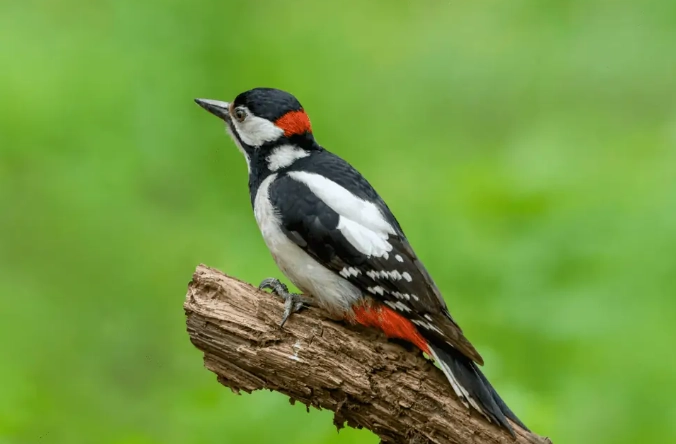
Food: Beyond the Basic Suet Cake
Suet is the classic woodpecker magnet, and for good reason. It's pure fat energy, mimicking the insects they crave. But don't just buy the cheap, plain cakes.
My go-to mix: I look for suet cakes with added peanuts, berries, or insects. In colder months, the high-energy ones with peanuts work wonders. In summer, I switch to "no-melt" varieties to avoid a greasy mess. Peanut butter smeared on a pine cone or in a log feeder is also a huge hit—I've seen Downies and Hairies go crazy for it.
Other great options include black oil sunflower seeds (shelled or not) and peanuts in the shell. Platform feeders or large tube feeders with good perches work best. Woodpeckers need something to brace their tails against, so they prefer feeders with a solid back or a tree-like structure. Avoid small, wobbly perches.
What about insects? If you have dead or dying trees (snags) on your property, leave them if it's safe! That's a five-star woodpecker buffet.
Water: A Moving Target
Like most birds, woodpeckers need fresh water for drinking and bathing. A simple birdbath is okay, but they really seem to prefer moving water. The sound attracts them. A small solar fountain or a dripper attachment can make your water source ten times more appealing. Keep it clean and ice-free in winter.
Shelter and Nesting Sites
This is the long-game part of attraction. Plant native trees. Oaks, pines, maples, and birches all host the insects woodpeckers eat and provide future foraging sites. If you can, leave a dead tree or a large dead limb (a "snag") standing. It's the ultimate woodpecker magnet. I know it looks untidy, but to them, it's a high-rise full of food and potential apartments.
If you don't have a natural snag, consider putting up a nest box specifically designed for woodpeckers. The key differences from a standard birdhouse are:
- No perches: They don't need them and they invite predators.
- Rough interior walls: The chicks need to climb. The box should be filled with wood chips or coarse sawdust so the adults can "excavate" it themselves, mimicking natural behavior.
- Correct hole size: This is critical to attract the species you want and exclude larger competitors. For a Downy, the entrance hole should be about 1.25 inches.
Placing the box high on a tree trunk in a relatively quiet area gives them the security they need. The Cornell Lab of Ornithology has excellent, species-specific nest box plans that are worth checking out.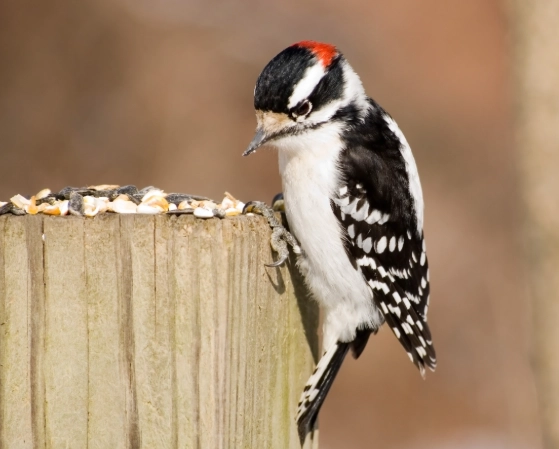
When Woodpeckers Become a Problem: Deterrence Without Harm
Let's address the elephant in the room. Sometimes, woodpeckers pick the wrong place to drum or forage. Your house. It's incredibly frustrating. The key is to understand why they're doing it. Is it spring drumming for communication? Are they foraging for insects (which means you might have a bug problem)? Or are they excavating a nest cavity (a much bigger, round hole)?
For drumming on metal surfaces (gutters, chimneys), the solution is often to break up the reflective surface or the sound. Hanging lightweight, moving objects like old CDs, wind chimes, or reflective tape near the spot can scare them off. For foraging or nesting damage, you need to physically block access. Netting (hung about 3 inches off the surface) over the affected area is the most effective long-term solution. It's not pretty, but it works.
Avoid scare tactics like plastic owls. Birds wise up to them in about two days. It's a waste of money. Also, it's important to know that woodpeckers are protected under the Migratory Bird Treaty Act. You cannot harm them or their active nests without a permit. Always focus on exclusion and deterrents, not retaliation.
If the damage is due to insects (like carpenter bees), treating that underlying pest problem is the first and most important step. Call a professional. The woodpeckers are just telling you something is wrong with your siding.
Answers to Your Top Woodpecker Questions
Over the years, I've heard and asked every question imaginable about these birds. Here are the ones that come up again and again.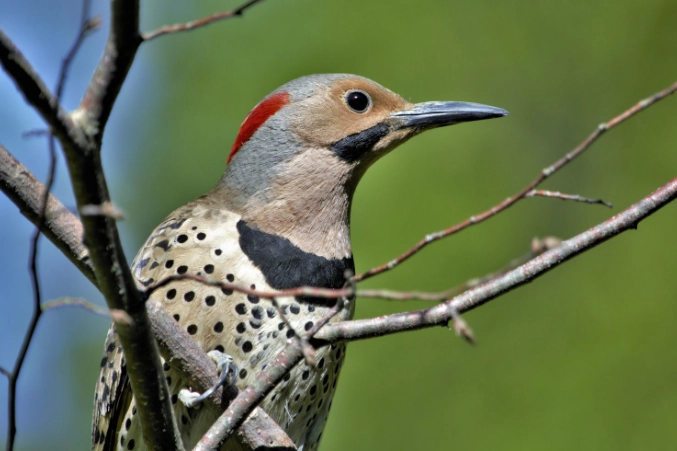
Why don't woodpeckers get concussions?
This is the million-dollar question. Their heads are biological marvels. It's not one adaptation, but a whole suite of them working together:
- Skull Structure: Their skulls are thick but spongy, with specialized bone that acts like a shock absorber.
- Brain Position: Their brains are small, tightly packed, and sit in a relatively smooth cranial cavity, minimizing sloshing.
- Beak Design: The upper and lower parts of the beak are slightly separated, allowing force to dissipate before reaching the skull.
- Muscle & Tongue: Powerful neck muscles act as a brake, and their crazy-long tongue (which wraps around the inside of their skull!) provides additional bracing.
Researchers are still studying this to improve human helmet design. It's that effective.
What's the deal with that crazy long tongue?
It's not just long; it's a precision tool. A woodpecker's tongue can extend several inches past the tip of its beak. The tip is barbed and sticky, perfect for spearing and extracting grubs from deep tunnels. The base of the tongue splits into two flexible bones (the hyoid apparatus) that wrap around the back and over the top of the skull, sometimes anchoring near the nostrils! This sheath acts like a seatbelt for the tongue and brain during impact. Nature's engineering is wild.
Are woodpeckers good to have around?
Absolutely, with the caveat about property damage. In a natural setting, they are unequivocally beneficial. They control destructive insect populations and provide vital nesting sites for other wildlife. In your yard, they add excitement and are a sign of a healthy, insect-rich environment. Watching a woodpecker methodically work a tree is a lesson in focus and purpose.
How can I tell if a woodpecker is drumming or actually feeding?
Listen and look. Drumming is fast, rhythmic, and often on a resonant surface (hollow wood, metal). It's usually in spring, and the bird isn't lingering to eat. Foraging is slower, more irregular, and you'll see the bird chipping away bark and probing for food. You might even see wood chips falling. Excavating a nest cavity is the most serious—it involves sustained pecking for days, resulting in a clean, round hole several inches deep.
Knowing the difference helps you choose the right response.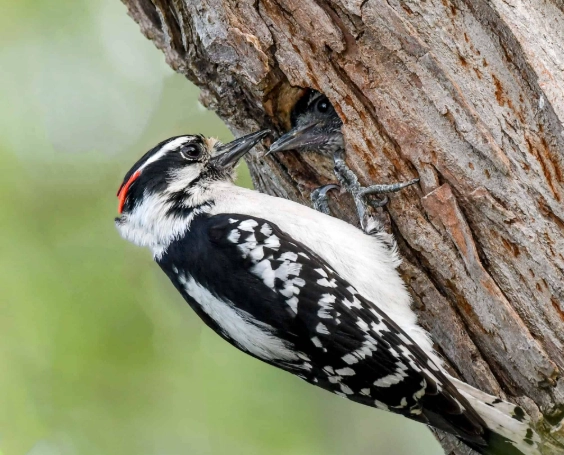
The Bottom Line on Woodpeckers
Woodpeckers challenge our idea of what a bird should be. They're drummers, demolition experts, pest controllers, and landlords all rolled into one feathered package. Yes, they can be loud. Yes, they can damage property. But their ecological value is staggering. Learning to identify them, appreciate their role, and attract them responsibly (or deter them humanely) turns a potential nuisance into a source of wonder.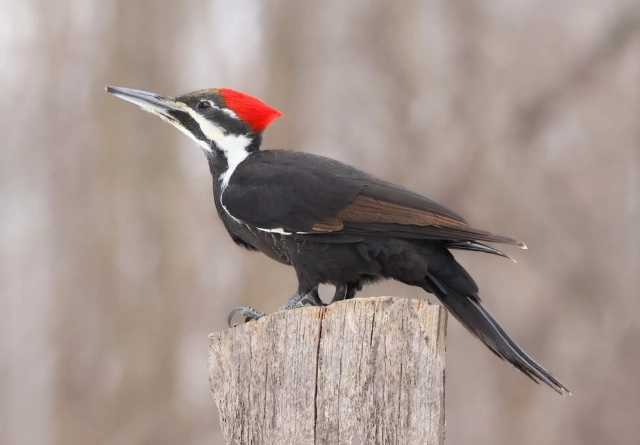
The next time you hear that distinctive tapping, don't just groan. Take a moment to look. Is it a little Downy on a weed stalk? A majestic Pileated tearing into a dead pine? That sound is the heartbeat of a working forest, a reminder of the complex, interconnected web right outside our doors. And honestly, that's a sound worth listening to.
Start with a suet feeder and a dead branch left on a tree. See who shows up. You might be surprised at the drama, beauty, and sheer engineering prowess that arrives with them. The world of woodpeckers is deep, fascinating, and right there for you to discover.
Reader Comments