Ask ten birders where the best place to birdwatch is, and you'll get eleven different answers. That's because the "best" spot isn't one single location. It's the place that perfectly aligns with what you want to see, experience, and learn. A lifelong lister chasing rarities needs a different place than a photographer seeking the perfect shot of a common bird, or a family introducing kids to nature. The magic happens when you match your goals to the right habitat and location.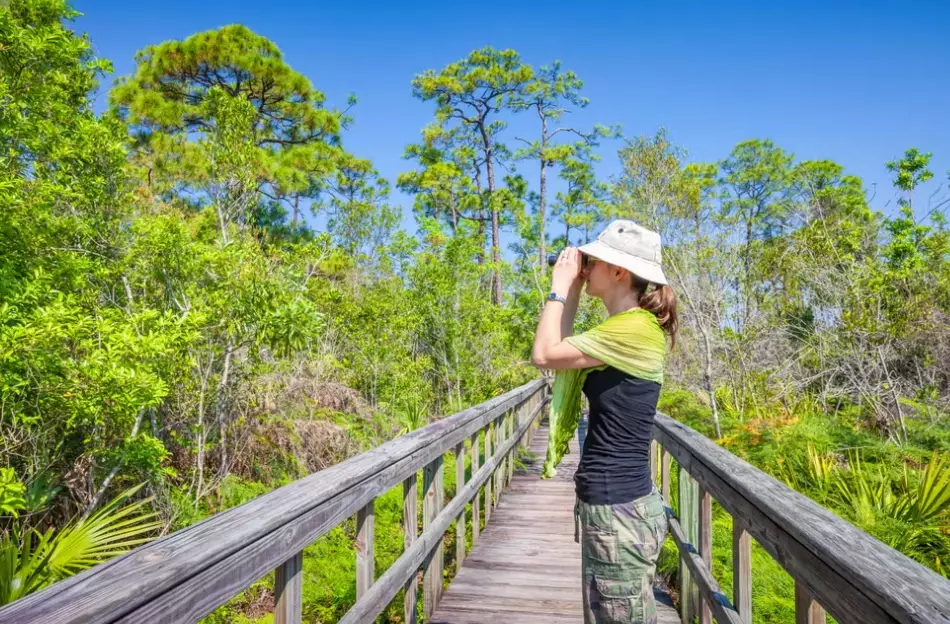
Let's break that down. The best birding spots share common traits: diversity of species, accessibility of viewing, and a healthy, protected ecosystem. But your personal checklist—whether it's filled with tropical toucans, soaring raptors, or delicate warblers—is what truly points you on the map.
Your Quick Guide to Birding Destinations
Step 1: Think Habitat First, Not Just Location
Chasing a famous park name is a common rookie mistake. I've seen folks fly to Costa Rica just for Monteverde, missing the incredible dry forest species on the Pacific coast because they fixated on a single spot. Birds live in specific habitats. Find the habitat, find the birds.
Your target species list should dictate your destination. Want to see shorebirds and waders? Coastal estuaries and mudflats are your arena. Dreaming of colorful songbirds? Mature deciduous forests during spring migration are unbeatable. Here’s a quick decoder:
| If You Want to See... | Look For These Habitats | Sample "Best Places" |
|---|---|---|
| Raptors (Hawks, Eagles) | Mountain ridges, open plains, large lakes/rivers | Hawk Mountain (PA, USA), Strait of Gibraltar (Spain) |
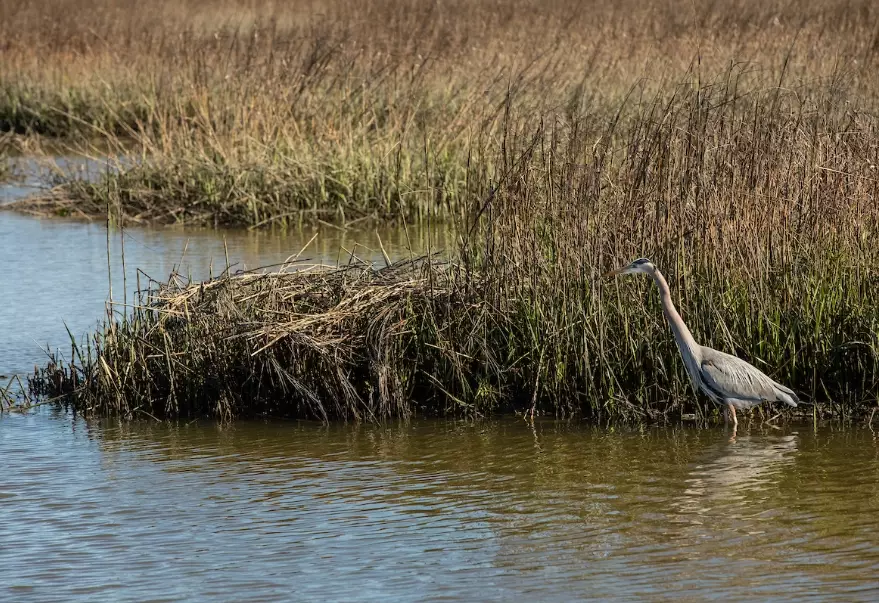
| Waterfowl & Shorebirds | Wetlands, marshes, coastal lagoons, mudflats | Cheyenne Bottoms (KS, USA), Camargue (France), Delaware Bay (USA) |
| Neotropical Migrants (Warblers, Tanagers) | Forest edges, riparian corridors, tropical lowlands | Point Pelee (Ontario, Canada), Darien Gap (Panama), SE Arizona (USA) |
| Seabirds & Pelagics | Oceanic islands, pelagic boat trips, steep cliffs | Shetland Islands (UK), Monterey Bay (CA, USA), St. Paul Island (Alaska) |
| Specialized Endemics | Isolated ecosystems: islands, mountain ranges, unique biomes | Galapagos Islands (Ecuador), Madagascar, Western Ghats (India) |
This habitat-first approach saves time and money. Before you book a flight, spend an hour on eBird exploring the "Explore Regions" tool. Look at bar charts for your target region. What's being seen, and where, right now?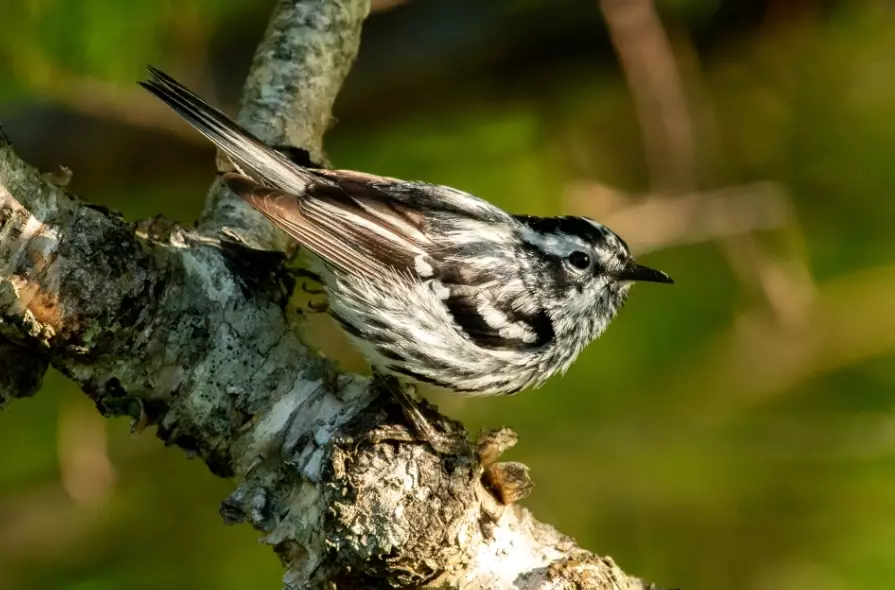
Top-Tier Birding Locations Around the Globe
Some places have earned legendary status for good reason. They're biodiversity hotspots, migration funnels, or homes to birds found nowhere else. Here are a few benchmarks.
Costa Rica: The Compact Powerhouse
You can see more bird species in a week here than in a year in most temperate countries. From Caribbean lowland rainforests to Pacific dry forests and cloud forests, the habitat compression is insane. The Monteverde Cloud Forest is famous for Resplendent Quetzals (best seen March-June, hire a local guide—they know exact fruiting trees). But don't skip the Carara National Park near the Pacific for Scarlet Macaws and antbirds. Logistics: Many parks require entry fees ($10-$20), guides are highly recommended for deep forest birding, and renting a 4x4 is wise for accessing remote lodges.
South Africa's Cape & Kruger: From Penguins to Hornbills
Two worlds in one trip. The Cape Peninsula offers easy viewing of African Penguins at Boulders Beach (there's a boardwalk, small entrance fee), and the fynbos biome has endemic beauties like the Cape Sugarbird. Then, fly to Kruger National Park. It's not just about mammals. Driving the park's roads at dawn, you'll see massive birds like Southern Ground-Hornbills, Lilac-breasted Rollers, and countless raptors. You need a vehicle (self-drive or guided safari) and must book rest camp accommodations through SANParks well in advance.
Ecuador's Andes & Amazon: The Altitude Gradient
The road from Quito down into the Amazon basin is a birder's transect. Start at Yanacocha Reserve for high-altitude hummingbirds like the Sword-billed Hummingbird. Then work your way down to Mindo Cloud Forest, a valley dripping with tanagers and toucans. Finally, a lodge in the Napo River basin gives you access to canopy towers and parrot clay licks. The key here is acclimatizing to altitude slowly to avoid ruining your trip with sickness.
A Non-Consensus Tip: The "best" global spot is often the one slightly off the mega-famous trail. Instead of only going to Manuel Antonio in Costa Rica, try the Osa Peninsula. Instead of only Cairns in Australia, consider the Atherton Tablelands. You'll deal with fewer crowds and sometimes see more relaxed, abundant birds.
Closer to Home: Prime Birdwatching in North America
You don't need a passport for world-class birding. The continent has migration spectacles and unique biomes that are utterly reliable.
The Texas Coast: The Spring Fallout
In late April and early May, when a cold front hits migrating birds over the Gulf of Mexico, they drop exhausted onto the first land they see: the Texas coast. Places like High Island (owned by the Audubon Society, small donation requested) and Sabine Woods become warbler-filled wonderlands. Birds are sometimes at eye level in small trees. It's unpredictable but magical when it happens. Stay in Winnie or Beaumont for easy access.
Southeast Arizona: The Sky Island Madness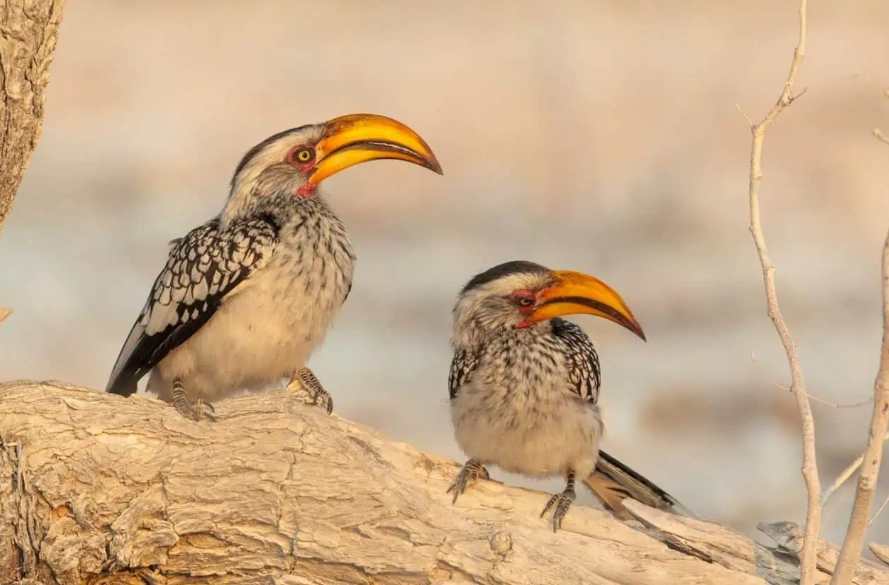
Mountains rising from the desert create isolated "sky islands" each with unique species. Madera Canyon in the Santa Rita Mountains is famous for Elegant Trogons (summer). Ramsey Canyon hosts hummingbird feeders swarming with a dozen species. San Pedro Riparian Area is a linear oasis for migrants. You'll need to drive between canyons. Most are on public land (Coronado National Forest) or managed by nonprofits like the Tucson Audubon Society. Summer is hot; spring and fall are prime.
Point Reyes National Seashore, California
An hour north of San Francisco, this is a year-round powerhouse. In winter, it's for shorebirds and raptors. In spring and fall, it's a migrant trap. The Bear Valley Visitor Center area is good for woodland birds. Abbotts Lagoon trail is great for sparrows and waders. Tomales Point (a long hike) is where you might see Tule Elk and raptors. No entrance fee for the national seashore itself, just parking fees at some lots. It's often windy and foggy—dress in layers.
I learned this the hard way on my first visit, showing up in a t-shirt.
Planning Your Trip: The Nitty-Gritty Details
Knowing a place is great is one thing. Getting there and doing it right is another.
Timing is Everything: A location can be the best in the world one month and quiet the next. Research breeding seasons, migration peaks, and even fruiting/flowering seasons for nectar and fruit-eating birds. Use eBird's "Bar Charts" for your target location.
Guides vs. Solo: In unfamiliar terrain, especially rainforests or foreign countries, a local bird guide is worth every penny. They know calls, micro-locations, and behavior. For a first-time visit to a major hotspot, book at least one day with a guide. Find them through local tour companies or lodge recommendations.
Respect and Access: Many of the best birding locations are on fragile private or community-managed land. Always:
- Pay required fees or donations.
- Stay on marked trails.
- Keep noise to a minimum.
- Follow playback ethics—if you use it at all. (My personal rule: never use playback for rare, stressed, or nesting birds).
What to Pack Beyond Binoculars: A field guide specific to the region (apps are good, but a book doesn't run out of battery), a rain jacket, sturdy broken-in footwear, a wide-brimmed hat, insect repellent, and a notebook. I always pack a small, portable cushion—standing still for long periods is easier on a hard trail if you can sit.
Your Birding Location Questions, Answered
I'm a complete beginner. What's the absolute easiest "best place" to start?
Your local park or nature center with a water feature. Seriously. The best place is the one you can visit regularly. Learning the common birds—robins, chickadees, cardinals—in depth teaches you more about bird behavior than a once-in-a-lifetime trip chasing a list. Consistency builds skill. Once you can ID locals by sight and sound, then plan a trip to a known hotspot.
How do I choose between two famous locations, like Costa Rica and Ecuador?
Look at the "family groups" you're most excited by. Costa Rica excels in hummingbirds, tanagers, and the iconic quetzal. The Andes of Ecuador offer mind-boggling hummingbird diversity plus unique antpittas and cotingas. Also, consider travel logistics. Costa Rica's tourism infrastructure is more developed for independent travelers. Ecuador often involves more pre-arranged tours or lodges for deep Amazon access. Your comfort with travel planning should factor in.
 Is it worth going to a top birding location outside the peak season?
Often, yes. The crowds are gone, and you can have trails to yourself. You'll see different birds—resident species rather than migrants. In southeastern Arizona, for example, summer is hot but it's the only time to see certain nesting species like the Elegant Trogon. Just reset your expectations. You won't see 100 species in a day, but you might have a more intimate, relaxed experience with the 30 you do see.
What's one mistake birders make when visiting a famous hotspot?
They move too fast. They race from one "must-see" spot to the next, ticking birds off a list. The real magic happens when you find a productive spot—a fruiting tree, a busy feeder, a sunlit forest edge—and just sit for an hour. You'll see interactions, behaviors, and birds that rushed in after you first arrived. Slow down. Let the birds come to you.
 So, where is the best place to birdwatch? It's the intersection of rich habitat, your personal birding goals, and thoughtful planning. It might be a global biodiversity jewel or a hidden gem twenty minutes from your house that you learn intimately. Start with what you want to see, match it to the right environment, and go prepared. The birds are out there waiting.
Reader Comments