You've seen them in pictures—a flash of brilliant yellow against a green backdrop. Maybe you've heard their cheerful, twittering call. But getting American Goldfinches to actually visit your yard? That feels like a different story. I spent three years watching them flit past my property to my neighbor's before I figured out what I was doing wrong. It wasn't about throwing more seed out. It was about understanding the bird.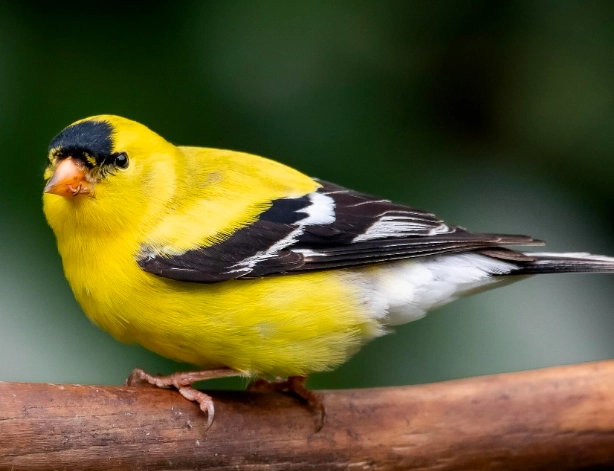
Attracting goldfinches isn't hard, but it's specific. Get the details right, and you'll have a reliable flock of these charming finches turning your garden into their favorite diner. Miss one key element, and they'll keep flying by.
In This Article
How to Attract Goldfinches to Your Yard (The Right Way)
Think of it as setting up a goldfinch resort. They need food, water, lodging, and safety. Skip any one, and your occupancy rates plummet.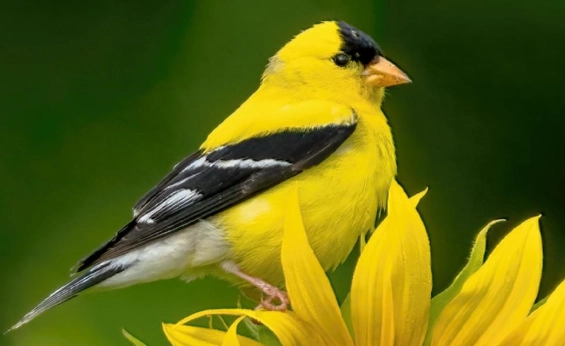
The Feeder: It's Not Just a Tube
This is where most people stumble. A standard tube feeder with large perches is built for cardinals and chickadees. Goldfinches are acrobats. They prefer to cling.
Nyjer (Thistle) Feeders are the gold standard. These are mesh tubes or sock-like feeders with tiny ports. The design lets goldfinches cling sideways and pick out the minuscule Nyjer seeds. Squirrels and larger birds usually can't access it. Pro tip: Buy a feeder with a decent seed capacity. Goldfinches feed in flocks, and a busy station will empty a small feeder fast.
Finch Stations with multiple Nyjer tubes are fantastic for attracting a crowd. Place them in an open area, about 10-15 feet from cover like a shrub or tree. This gives them a quick escape route from hawks but keeps the feeding zone clear.
I made the mistake of hanging my first feeder right under a dense maple branch. It felt safe. The goldfinches thought it was an ambush point for the local cat. They avoided it for months.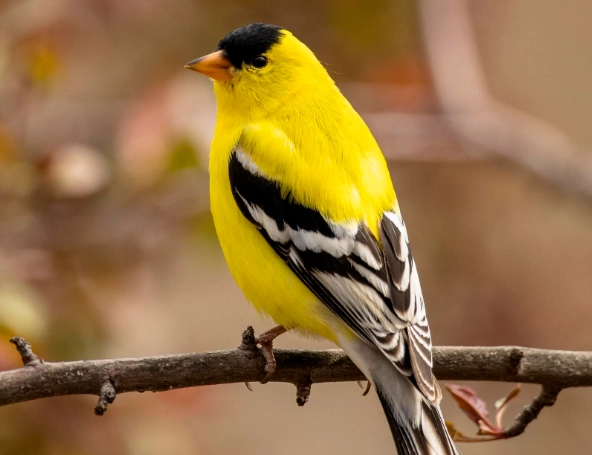
Beyond the Feeder: The Natural Buffet
Goldfinches are one of the last birds to nest, waiting until late summer when thistle down is available to line their nests. This ties their entire lifecycle to seed-bearing plants.
If you want a steady goldfinch population, plant their favorite native seed sources:
- Coneflowers (Echinacea): The seed heads are like dinner bells in fall.
- Sunflowers (especially smaller, multi-blooming varieties): They'll eat the seeds right off the head.
- Cosmos, Zinnias, and Asters: Don't deadhead these in the fall! Leave the spent flowers to go to seed.
- Native Thistles (like Cirsium species): This is their primordial food source. Check if they're invasive in your area first; many native thistles are well-behaved garden plants.
Water is a secret weapon. A birdbath, especially one with a gentle mister or dripper, is irresistible. Goldfinches love to bathe and drink frequently. Keep the water clean and shallow—no more than 2 inches deep. In winter, a heated birdbath is a game-changer.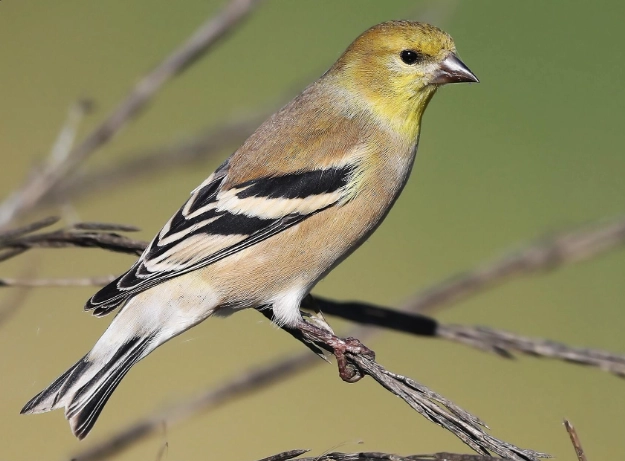
Goldfinch Identification: Spotting Males, Females & Lookalikes
That bright yellow bird you saw in July might look drab in January. Goldfinches are one of the few North American birds that molt all their body feathers twice a year, leading to dramatic seasonal changes.
| Season | Male American Goldfinch | Female American Goldfinch |
|---|---|---|
| Spring/Summer (Breeding) | Vibrant lemon-yellow body. Jet black forehead, cap, and wings with bold white bars. Bright orange bill. | Duller olive-yellow or yellowish-tan body. No black cap. Wings are brownish-black with white bars. Pale orange bill. |
| Fall/Winter (Non-breeding) | Mottled brown and yellow. Loses the black cap, often just a hint remains near the bill. Yellow shoulder patch often visible. Dull grayish bill. | Uniform dull brown or olive-gray. Very faint yellow tinges. Virtually indistinguishable from winter males at a glance. Dull grayish bill. |
Listen for them, too. Their flight call is a persistent, four-syllable "po-ta-to-chip" or a sweeter, rambling warble. Once you know it, you'll hear them before you see them.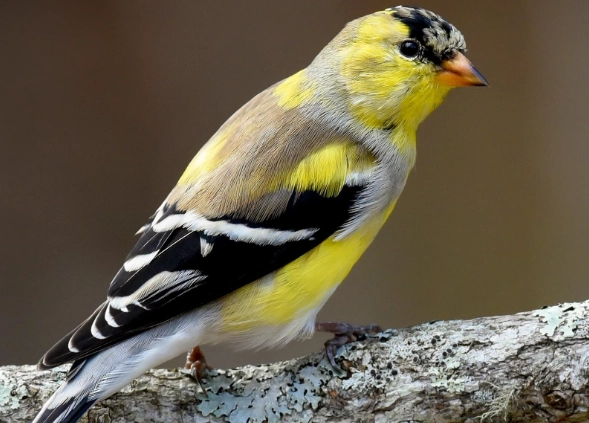
Common Lookalikes (And How to Tell Them Apart)
The Pine Warbler: This causes more confusion than any other bird. In spring, male Pine Warblers are also yellow. The differences? Pine Warblers have white wing bars (not bold white and black), no black cap, a fainter eyestripe, and they're almost always in pine trees. Their behavior is different—they creep along branches, not bounce through open fields.
The Yellow Warbler: More uniformly yellow-orange, with reddish streaks on the breast. Again, no black cap. They're insect-eaters, so you'll never see one on a Nyjer feeder.
The takeaway? If it's clinging to a finch feeder eating tiny seeds, it's almost certainly a goldfinch.
What to Feed Goldfinches: A No-Nonsense Food Guide
Let's clear this up: Goldfinches are strict vegetarians. They don't eat insects, mealworms, or suet. Their diet is nearly 100% seeds.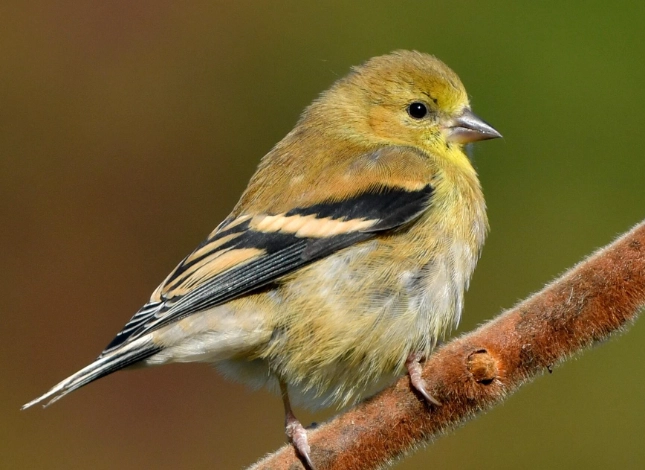
Nyjer Seed (aka Thistle Seed): This is the premium offering. It's small, oily, and addictive to finches. Two critical notes: 1) Buy it from a reputable source that guarantees freshness. Old, dried-out Nyjer is worthless—goldfinches will reject it. 2) It's sterile and won't grow weeds, despite the "thistle" name.
Black Oil Sunflower Seeds (in the right form): They'll eat the hearts, but they can't crack the shells at a feeder. Offering sunflower chips or hearts in a tray or hopper feeder is a great supplemental option, especially in winter when they need more calories.
Finch Seed Mixes: These are usually Nyjer mixed with small millet or canary seed. They're fine, but goldfinches will often pick out the Nyjer and scatter the rest. A pure Nyjer feeder is often less wasteful.
Feeder Maintenance is Non-Negotiable. Nyjer seed can get moldy in damp feeders. Empty and scrub your finch feeders with a mild bleach solution (1 part bleach to 9 parts water) every two weeks, rinse thoroughly, and let dry completely before refilling. Mold kills birds. I learned this the hard way after a rainy spring led to a sick-looking visitor.
3 Common Goldfinch Attraction Mistakes (And How to Fix Them)
After talking to dozens of frustrated birders, these are the recurring themes.
Mistake 1: Using the Wrong Feeder Location. Too close to dense cover feels unsafe. Too far out in the open feels exposed. The sweet spot is 10-15 feet from a small tree or large shrub. This provides a staging and escape area. Also, avoid placing feeders near windows to prevent collisions.
Mistake 2: Giving Up Too Soon. Goldfinches are nomadic, especially outside of breeding season. You might put up a feeder and see nothing for weeks. Then one day, a scout finds it, and suddenly you have a dozen. It can take a full season for them to incorporate your yard into their routine. Don't take the feeder down in November if you haven't seen one—winter flocks are still moving.
Mistake 3: Offering Stale or Wrong Food. That bag of generic "wild bird seed" from the big-box store full of milo and wheat? Goldfinches will ignore it. They are searching for high-energy, oily seeds. Invest in fresh Nyjer and sunflower hearts. If the seed sits for more than a month with no takers in peak season (summer/fall), it's probably stale. Buy smaller, fresher bags.
Attracting goldfinches is a lesson in patience and attention to detail. It's not about brute force with seed, but about thoughtful invitation. Get the feeder right, offer fresh food, provide water and native plants, and be patient. One summer evening, you'll look out and see that flash of yellow not just passing by, but landing, staying, and making your garden its home.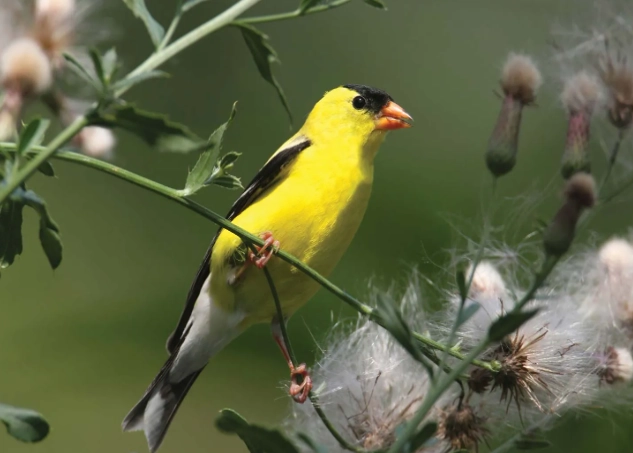
Reader Comments