I remember the first time I saw a California Condor. It wasn't planned. I was hiking in Big Sur, looking for a break from the city, and this colossal shadow swept across the trail. I looked up, and there it was—a bird so massive it seemed to defy physics, gliding without a single wingbeat. That moment hooked me. But here's the thing most articles don't tell you: seeing one isn't just about luck. If you know where to go, when to look, and what to bring, your chances skyrocket. This guide is everything I wish I'd known before my first trip, packed with the specific details that turn a hopeful glance at the sky into a guaranteed sighting.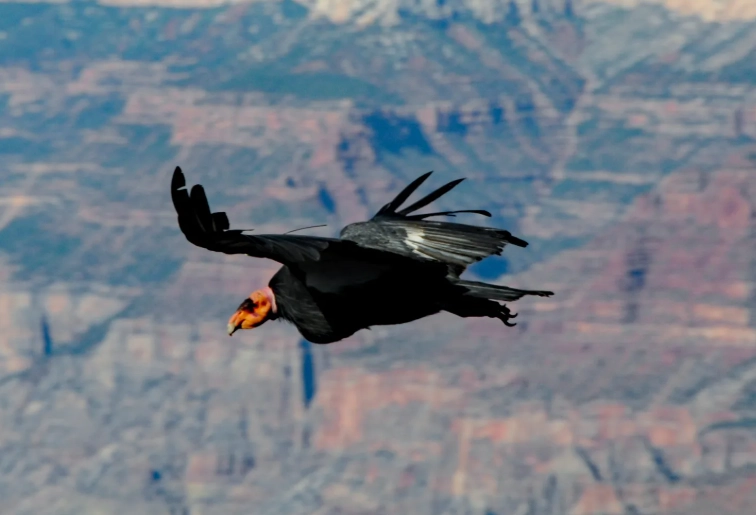
In This Article
Where to See California Condors: Top Locations
Forget vague suggestions like "somewhere in California." You need coordinates, parking info, and a realistic expectation of what you'll find. Based on years of talking to rangers and fellow birders, here are the three most reliable public viewing areas. The U.S. Fish & Wildlife Service provides excellent range maps and population updates that confirm these as core release sites.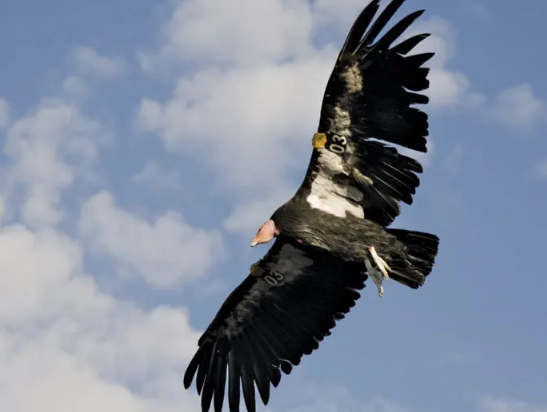
1. Pinnacles National Park, California
This is ground zero for central California condor watching. The park's high cliffs are perfect for roosting and nesting. Head to the Condor Gulch Overlook or the High Peaks Trail near dawn or late afternoon. Rangers often set up spotting scopes at the visitor center. Pro tip: Check in at the Bear Gulch Visitor Center first. They keep a daily log of recent sightings and can point you to the most active areas that week. Parking fills up fast, especially on weekends—aim to arrive before 9 AM.
2. Big Sur (Along Highway 1), California
The coastal cliffs from Lucia south to Julia Pfeiffer Burns State Park are a condor highway. They use the thermals coming off the ocean. You don't necessarily need to hike. Pull over safely at any large vista point with a cliff view—especially near the historic Bixby Creek Bridge—and scan the skies. I've had the most success in late morning here, once the fog burns off and the thermals kick in. Be patient. Sit for 20 minutes with your binoculars, and you'll often be rewarded.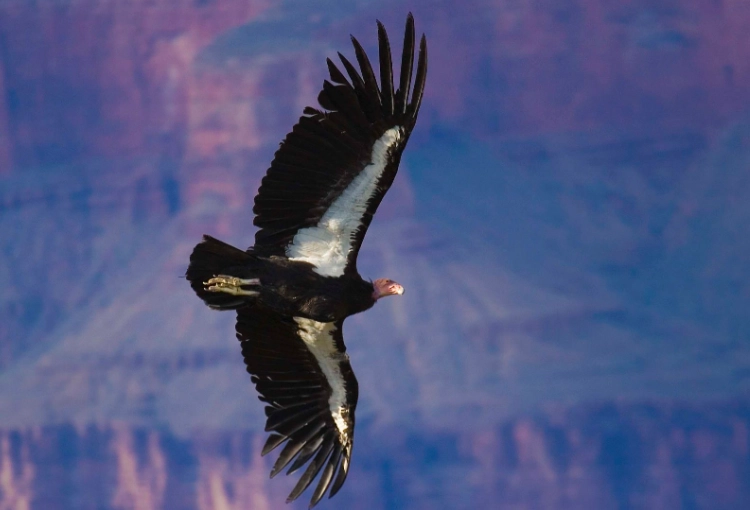
3. The Vermilion Cliffs National Monument, Arizona
For those in the Southwest, this is your spot. The official release site for the Arizona flock is here. The Condor Viewing Area off Highway 89A is a dedicated pull-out with interpretive signs. It's remote, starkly beautiful, and your chance of seeing multiple birds is high, especially during supplemental feeding times (which are not publicized to protect the birds). It's a long drive on dirt roads, so ensure your vehicle is suitable.
| Location | Best Viewing Season | Key Feature | What to Know Before You Go |
|---|---|---|---|
| Pinnacles National Park | Year-round (Spring/Fall best) | Established nesting colonies, ranger programs | Extreme summer heat. Bring tons of water. Cell service is spotty. |
| Big Sur Coastline | April - October | Scenic coastal flights, no hiking required | Highway 1 can have closures. Check Caltrans. Fog is common. |
| Vermilion Cliffs, AZ | March - November | High concentration at known release site | Remote. No services. Primitive camping only. Prepare for wind. |
One mistake I see constantly? People showing up at noon in the middle of summer expecting a spectacle. Condors are smart. They rest during the heat of the day. You'll see nothing but blue sky and get frustrated.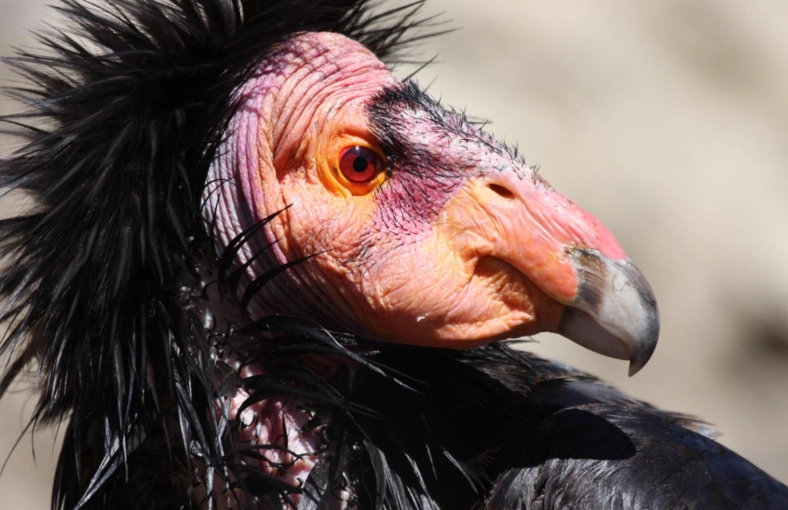
The Best Time to Go and Essential Gear
Timing is not a suggestion; it's the rule. Your gear is your lifeline.
When to Look
Condors are creatures of habit. They leave their roosts at dawn to forage. The best light for viewing and photography is in the early morning (7-10 AM) and late afternoon (4-7 PM). That's when they're most active, riding thermal updrafts. Midday? They're often perched in shadows or gone entirely. Seasonally, spring and fall offer the most stable weather and active bird behavior.
Non-Negotiable Gear
You can't wing this (pun intended). A condor at 500 feet looks like a distant speck without help.
- Binoculars (8x42 or 10x42): This is your most important tool. Don't cheap out. A clear, bright image makes all the difference. I started with a shaky pair of compact binoculars and missed so much detail.
- Spotting Scope (Optional but Game-Changing): If you're serious about seeing the numbered wing tags (how individuals are tracked), a scope on a tripod is essential. It turns a silhouette into a study.
- Camera with a Good Zoom Lens: Even a smartphone through your binoculars (digiscoping) can work in a pinch.
- Patience and Layers: You will be sitting or standing still. Windbreakers, hats, sunscreen, water, and snacks are mandatory.
The California Condor Comeback Story
Seeing a condor isn't just a birding tick. It's witnessing one of conservation's most radical, against-all-odds successes. In 1987, the last 22 wild California Condors were captured. The species was extinct in the wild. Let that sink in. Lead poisoning from scavenging hunted animals and habitat loss had wiped them out.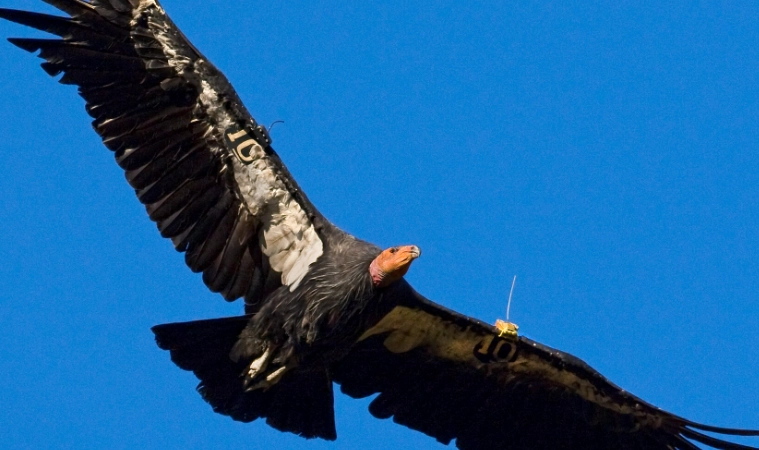
The captive breeding program, led by the San Diego Zoo Wildlife Alliance and the Los Angeles Zoo, was a desperate gamble. It worked. Through meticulous care, dummy condor puppets to feed chicks, and gradual releases, the population has rebounded to over 500 birds, with more than half flying free. Every condor you see is tagged, monitored, and represents millions of dollars and decades of human effort. The biggest threat today? Still lead ammunition. Hunters switching to copper bullets in condor country is one of the most direct ways to help.
How to Identify a California Condor (It's Not Just a Big Black Bird)
Newcomers often mistake turkey vultures for condors. Here’s how to avoid that embarrassing moment in front of seasoned birders.
In Flight: A condor holds its wings flat, like a plank. A turkey vulture's wings form a shallow "V" (dihedral). The condor's 9.5-foot wingspan is unmistakable—it looks like a person gliding. Look for large, rectangular white patches on the underside of the wings (primaries). From below, the head appears small and orange.
Perched or Close: The bald, orange-to-yellowish head is distinctive. Adults have a black ruff of feathers at the neck base. Look for the large, numbered wing tag (radio transmitters are sometimes visible too). If it's all black with a small red head, you're looking at a turkey vulture.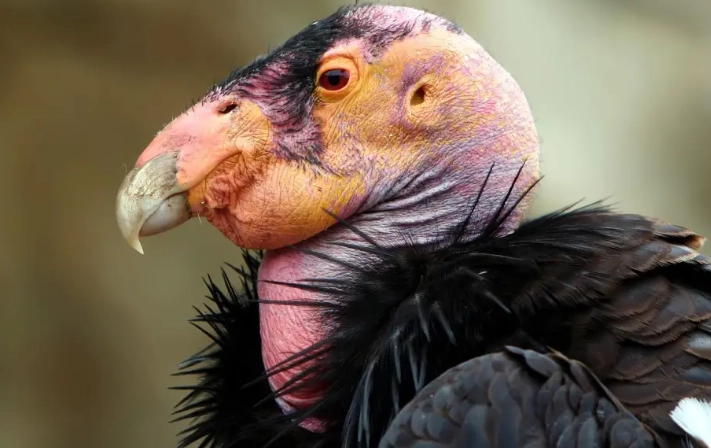
Your California Condor Questions Answered
What's the single biggest mistake people make when trying to spot a California Condor?
Going to the right place at the wrong time. Showing up at a known viewpoint at 1 PM on a hot day is a recipe for disappointment. These birds are masters of energy efficiency. They soar on morning thermals and evening updrafts. Plan your outing around their schedule, not yours. The second mistake is using inadequate optics. A $30 pair of binoculars from a big-box store won't cut it. Invest in decent glass—it's the difference between confirming a sighting and wondering what that blur was.
I'm planning a trip to Pinnacles. Should I hire a guide or go solo?
For a first-timer, joining one of the free ranger-led condor talks or walks is a fantastic idea. You benefit from their knowledge of that day's bird movements and their high-quality scopes. Going solo is absolutely doable if you're prepared. My advice? Do both. Attend a ranger session to get your eyes calibrated and learn the current hotspots, then explore on your own with that newfound knowledge. You'll feel more confident and less like you're just guessing.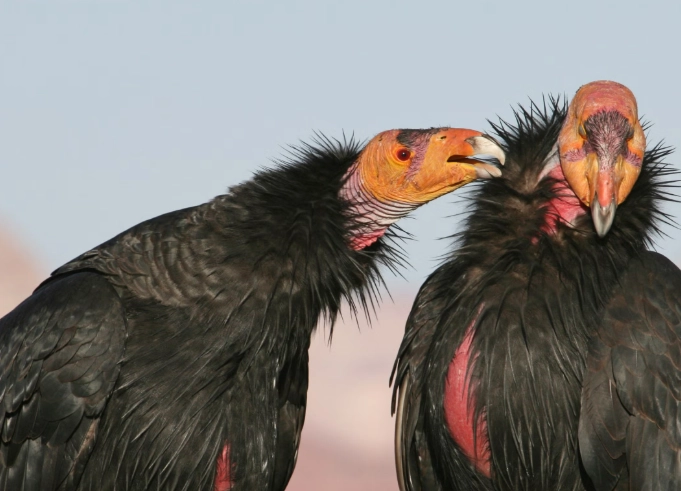
How close can I actually get to a wild California Condor?
This is crucial. You must keep a respectful distance. It's federal law to not disturb an endangered species. Use your binoculars and scope to get "close." If your presence causes a bird to change its behavior—stop feeding, look up nervously, fly away—you are too close. The goal is observation, not interaction. The best views often come when the bird chooses to glide near a viewpoint, not from you trying to approach it. Remember, these are wild animals, not park exhibits.
Are there any lesser-known spots in Southern California to see them?
The birds range widely, but consistent public viewing in Southern California is tougher. They occasionally visit the cliffs around Mount Pinos and the Los Padres National Forest backcountry. However, it's less reliable than the central coast or Arizona. Your best bet south of the Tehachapis is actually the Bitter Creek National Wildlife Refuge overlook near Maricopa, CA. It's a dedicated viewing area managed by the Fish and Wildlife Service, but access can be limited—check their website before making the long drive. It's rugged, with no facilities, but the potential payoff is high.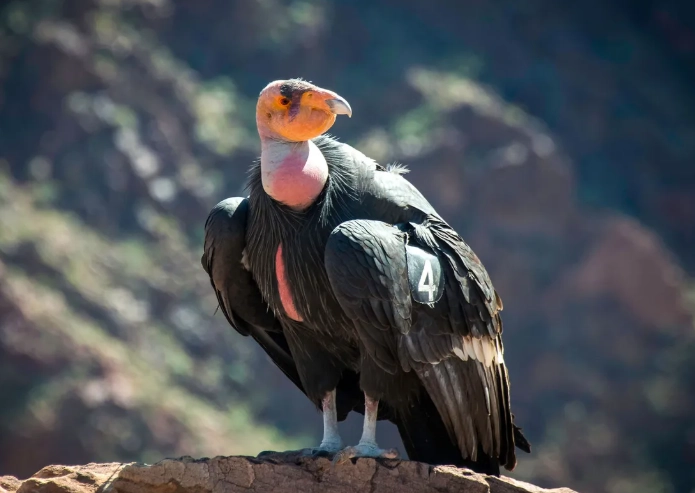
Reader Comments