What You'll Learn in This Guide
If you've ever heard a bird that sounds like it's running through a playlist of different species, you've probably met the northern mockingbird. This gray-and-white bird isn't just noisy—it's a master of mimicry, and spotting one can turn a casual walk into a mini adventure. I've spent years birdwatching across the Midwest, and mockingbirds always surprise me with their vocal tricks. Let's cut to the chase: here's everything you need to know to identify, observe, and appreciate these fascinating creatures.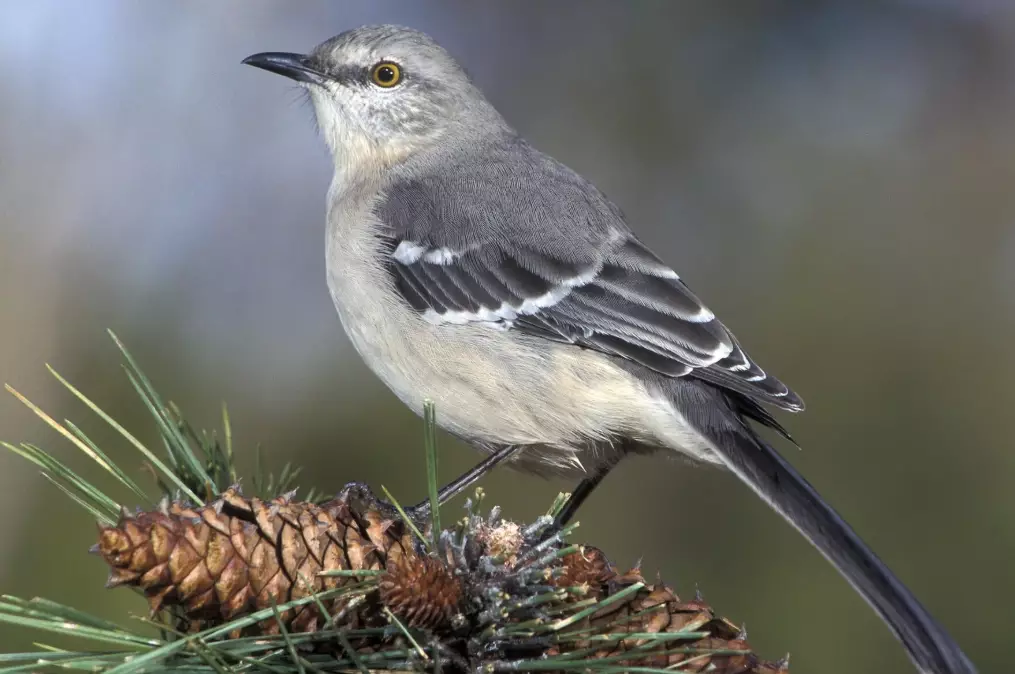
How to Identify a Northern Mockingbird
Many beginners rely too much on flashy colors, but with mockingbirds, it's all about subtle cues. They're often mistaken for other gray birds, but a few key features set them apart.
Physical Characteristics: Look for the Details
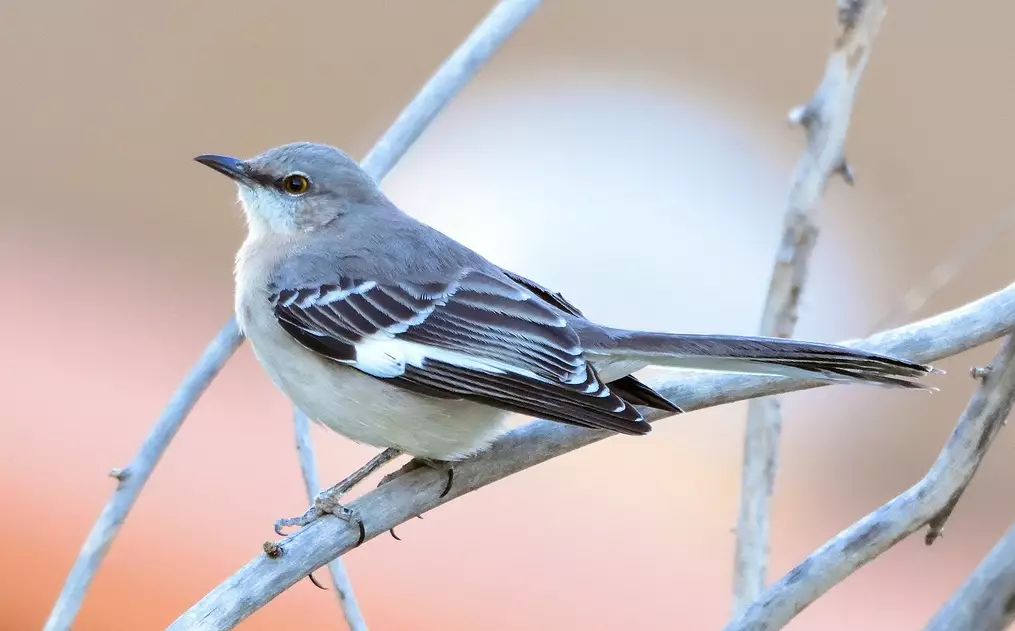
Northern mockingbirds are about the size of a robin, with a slim body and a long tail. Their plumage is mostly gray on top and white underneath, but the real giveaway is in flight: you'll see two white wing bars and white outer tail feathers that flash like signals. Up close, they have a thin black bill and dark eyes with a faint eye-ring. Juvenile birds might show some streaking, but adults are clean-cut.
I once confused one with a shrike from a distance—both have that upright posture. But shrikes have a hooked bill and lack the white patches. Mockingbirds just look... alert, like they're always listening for the next sound to copy.
Vocalizations and Song Patterns: The Mimicry Magic
This is where they shine. Northern mockingbirds don't just sing; they perform. A typical song includes repeated phrases of 3 to 5 notes, sourced from other birds, insects, or even car alarms. They might mimic a blue jay's call, then switch to a cardinal's whistle, all in one sequence. According to the Cornell Lab of Ornithology's All About Birds resource, they can learn up to 200 songs in their lifetime.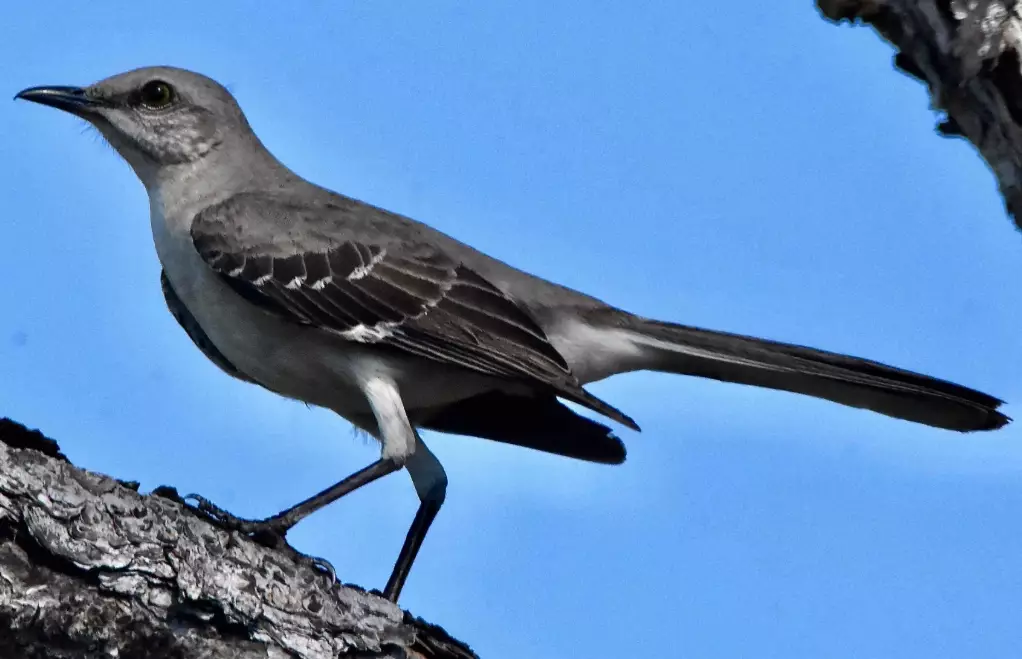
Pro tip: Don't just listen for variety—count the repetitions. Mockingbirds repeat each phrase several times before moving on, while birds like the brown thrasher repeat twice. It's a subtle difference, but it helps in noisy areas.
| Feature | Northern Mockingbird | Gray Catbird (Common Confusion) |
|---|---|---|
| Wing Patches | Two white bars visible in flight | None |
| Tail | Long, with white outer feathers | Dark, no white |
| Song Pattern | Repeats phrases 3-5 times | Mewing calls, fewer repeats |
| Habitat | Open areas, suburbs, parks | Dense thickets, forests |
Where and When to Find Northern Mockingbirds
These birds are adaptable, but they have preferences. They're common across much of the United States, especially in the South and Midwest, but you'll find them as far north as Canada in summer.
Best Locations for Observation
Look in suburban neighborhoods, city parks, and open fields with scattered trees. They love edges—where lawns meet woodlots. Specific spots? In Texas, try Austin's Zilker Park; in California, check out suburban yards in Los Angeles. They're not shy around people, so you don't need to trek into wilderness. I've had great luck in local community gardens, where they perch on fences to sing.
Address-wise, any park with berry bushes works. For example, Central Park in New York has mockingbirds year-round, particularly around the Ramble area. No ticket needed—just bring patience.
Seasonal and Daily Activity
Spring and summer are peak times, as males sing relentlessly to defend territories. But they're resident in many areas, so you can see them year-round. Time of day matters: dawn is prime for singing, while afternoons are good for foraging. In winter, they might form loose flocks, but they're still vocal.
One mistake I see: people go out at noon and wonder why it's quiet. Mockingbirds, like many birds, slow down in the heat. Early morning or late afternoon, that's when the show happens.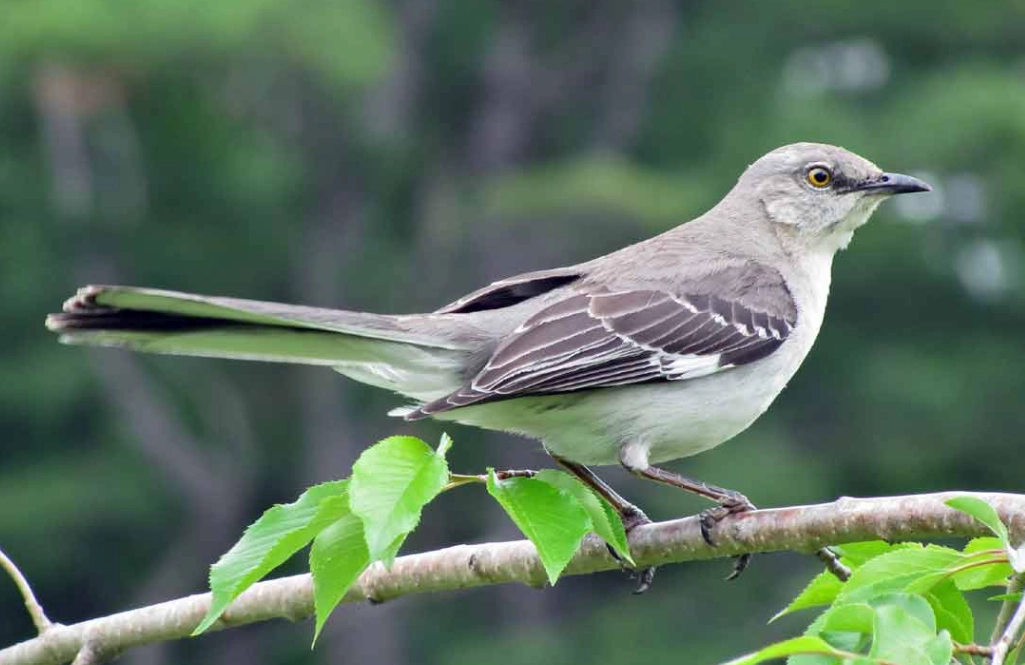
Practical Birdwatching Tips for Northern Mockingbirds
You don't need fancy gear, but a few tricks can up your game. Let's talk gear and technique.
Essential Gear for Observation
A decent pair of binoculars is key. I use an 8x42 model—light enough for long walks, but with good light gathering. Brands like Nikon or Vortex offer affordable options. Skip the high-powered scopes; mockingbirds are often close. A field guide, like the Sibley Guide to Birds, helps for quick reference, but your phone works too with apps like Merlin Bird ID.
Clothing? Neutral colors blend in, but honestly, mockingbirds don't spook easily. I've worn a bright shirt and still gotten close. Just move slowly.
Step-by-Step Observation Strategy
First, find a spot with perches like trees or wires. Sit quietly for 10 minutes—let the birds get used to you. Listen for that repetitive song. Once you hear it, scan with binoculars; look for that upright silhouette. If you spot one, note the wing flashes. Try recording the song on your phone; later, you can compare to online resources from the Cornell Lab.
I remember a day in Ohio: I heard what sounded like a frog croak, then a robin's chirp. It took me a minute to realize it was one mockingbird showing off. That's the fun—they keep you guessing.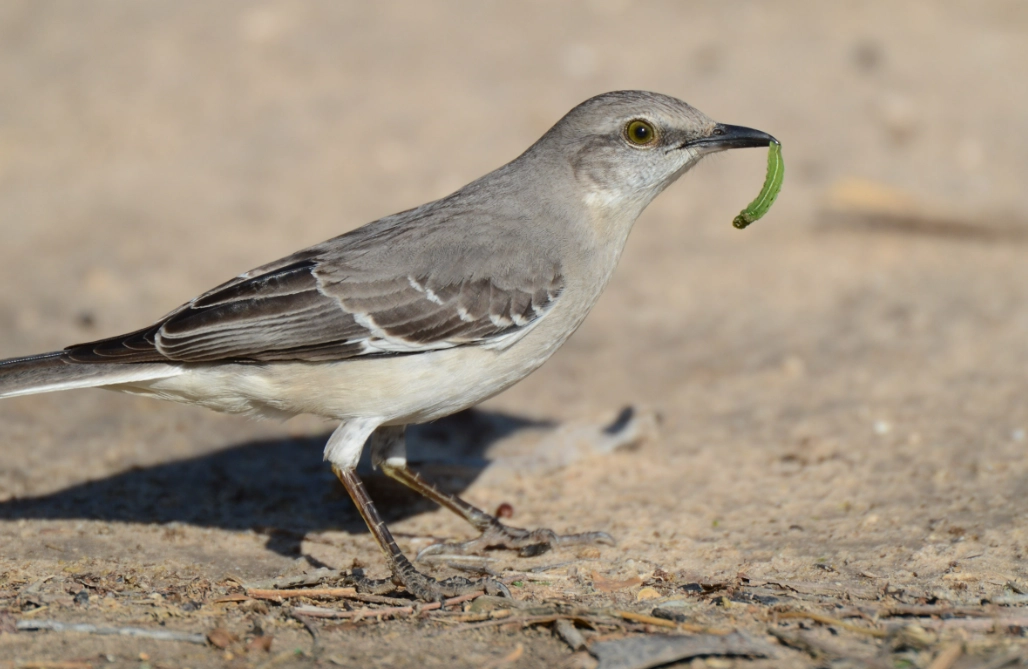
Common Challenges and How to Overcome Them
Birdwatching isn't always smooth. Here are some hiccups specific to mockingbirds.
Misidentification with Other Birds
Gray catbirds are the usual culprits. They're similar in size and color, but catbirds have a black cap and that mewing call. Another mix-up: with shrikes, but shrikes are rarer and have a different bill shape. My advice? Focus on the song first. If it's varied and repetitive, it's likely a mockingbird. Visuals confirm it.
I've seen forums where people argue over blurry photos. Save yourself the headache—get a clear view of the tail or wing patches.
Dealing with Urban Noise and Distractions
In cities, mockingbirds might mimic sirens or alarms, which can be confusing. Plus, background noise drowns out subtle songs. Use headphones with a parabolic microphone if you're serious, but for casual watching, pick quieter times like early Sunday mornings. Parks away from major roads help.
One negative: their singing can get loud at night, especially near streetlights. Some people find it annoying. If you're trying to sleep, well, earplugs might be your friend. But for birders, it's a bonus—nocturnal serenades are common during breeding season.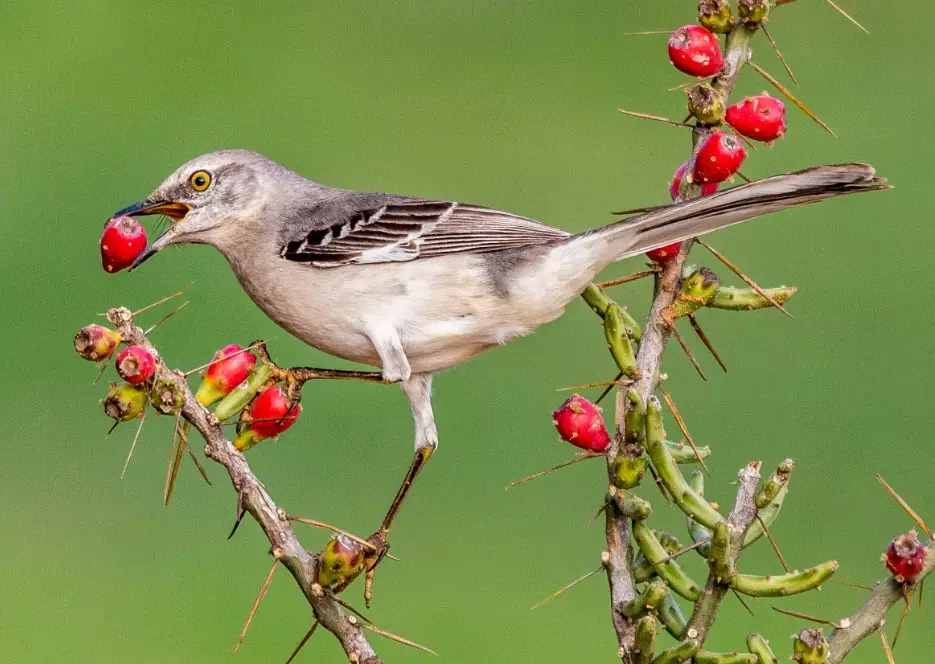
Frequently Asked Questions
 That wraps it up. Northern mockingbirds are more than just noisy neighbors—they're intelligent mimics that add life to any landscape. With these tips, you'll be spotting and enjoying them in no time. Happy birding!
Reader Comments