Europe is a mosaic of habitats, from Arctic tundra to Mediterranean wetlands, each hosting a unique cast of feathered characters. Forget the idea that you need to trek to the Amazon for incredible birding. Some of the world's most accessible, diverse, and downright spectacular birdwatching happens right here. I've spent over a decade chasing birds across the continent, from frantic spring migrations to the stark beauty of wintering grounds. This isn't just a list of places; it's a practical guide to planning your own European birding adventure, packed with the specifics you need and a few hard-earned lessons I wish I'd known earlier.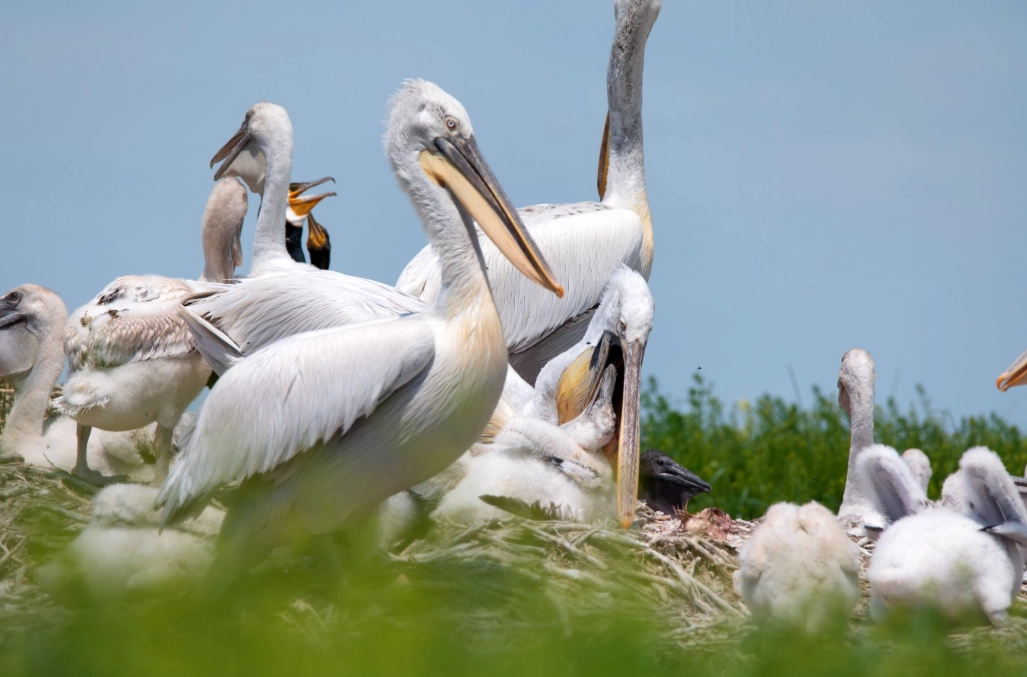
Your Quick Guide to Europe's Birding Hotspots
Where to Go: Europe's Premier Birdwatching Destinations
Picking just a few spots is tough, but these five offer a stunning cross-section of what Europe has to offer. They're chosen for accessibility, bird diversity, and that special something that makes them unforgettable.
1. Doñana National Park, Andalusia, Spain
This UNESCO World Heritage site is a vast, wild expanse of marshes, shallow lakes, and dunes where Europe meets Africa. It's a critical stopover for millions of migratory birds. The sheer scale of life in spring is humbling.
Key Details:
Star Birds: Spanish Imperial Eagle, Greater Flamingo, Black-winged Stilt, Red-knobbed Coot, Marbled Duck.
Best Time: Spring (March-May) for migration and breeding; Winter (Dec-Feb) for vast flocks of waterfowl.
Access: Public access is heavily restricted to protect the ecosystem. You must book a guided 4x4 tour with an authorized operator. Independent entry is not permitted in the core areas.
Tour Operator Example: Official operators list is managed by the park. A reliable one is Doñana Visitas. Book months ahead for peak season.
Nearby Base: El Rocío village, with its sandy streets, puts you right on the park's edge.
2. The Farne Islands, Northumberland, UK
Prepare for sensory overload. From April to July, these rugged islands off the northeast coast of England host a seabird city of staggering proportions. It's not subtle – it's loud, smelly, and utterly magnificent.
You'll be inches from nesting Puffins, their comical faces oblivious to visitors. The constant screech of Kittiwakes and the dive-bombing Arctic Terns (wear a hat!) create an atmosphere you can't get anywhere else.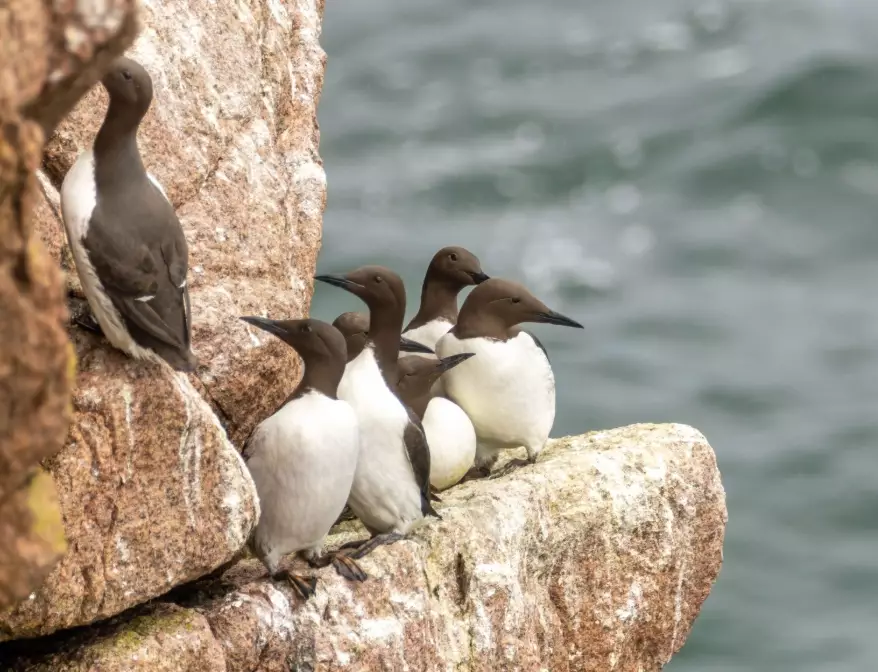
Key Details:
Star Birds: Atlantic Puffin, Arctic Tern, Razorbill, Guillemot, Grey Seal (bonus mammal!).
Best Time: Late April to early July for the full breeding colony spectacle.
Access: Boats depart from Seahouses harbour. Operators like Billy Shiel's Farne Islands Boats run multiple trips daily, weather permitting. Landing fees (paid to the National Trust on the island) are included in most boat tickets.
Ticket Tip: Book your boat trip online in advance. The first boats of the day are often the least crowded.
3. Danube Delta, Romania
Europe's second-largest river delta is a labyrinth of channels, lakes, and floating reed beds. Birding here feels like exploration. You move by small boat, slipping silently into hidden lagoons. The bird list is enormous, but the peace is what gets you.
A common mistake is trying to cover too much. Pick a base like Murighiol or Crisan, hire a local boatman (they have eagle eyes for birds you'll miss), and explore a small section deeply.
4. Varanger Peninsula, Finnmark, Norway
For something completely different, head to the Arctic. This is Europe's most accessible true Arctic birding. The landscape is dramatic and sparse, and the birds are tough, specialized survivors. In summer, the midnight sun means you can bird around the clock.
Key Details:
Star Birds: King Eider, Steller's Eider, Brünnich's Guillemot, Gyrfalcon, Red-throated Pipit.
Best Time: June for midnight sun and breeding birds; late winter (Feb-Mar) for spectacular seaduck concentrations.
Access: Fly to Kirkenes (KKN) or Vadso (VAW). A car is essential. Roads are good, but services are sparse – fill up on fuel and food.
Cost Note: Norway is expensive. Accommodation and food costs are high. Self-catering in a cabin can help manage the budget.
5. Oostvaardersplassen, The Netherlands
A brilliant example of rewilding. This massive wetland, reclaimed from the sea, is now a self-regulating haven just a short train ride from Amsterdam. It proves that given space, nature bounces back explosively. Watching herds of Konik horses and Red Deer with flocks of geese overhead is a unique European experience.
It's incredibly easy to visit. The visitor centre is a great start, and well-marked trails and observation huts mean you can have a fantastic day without a guide.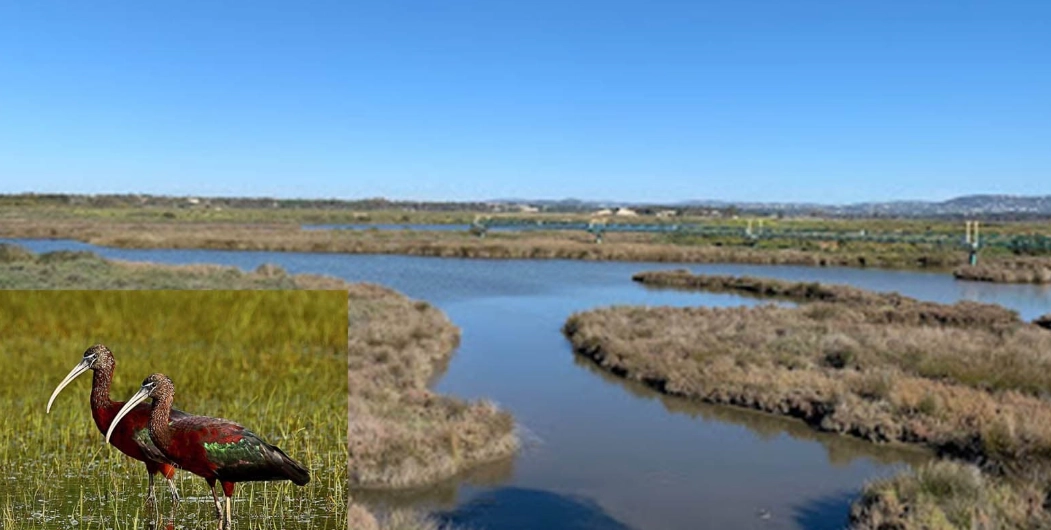
How to Plan Your European Birding Adventure
Good planning separates a great trip from a frustrating one. Europe's diversity means you can't just wing it.
Timing is Everything
Europe has four distinct birding seasons, each with a different character.
| Season | When | What to Expect | Best For |
|---|---|---|---|
| Spring Migration | March - May | Explosion of song, breeding plumage, northward movement. Busiest, most vibrant. | Songbirds, raptor migration, breeding colonies. |
| Summer Breeding | June - July | Resident birds settled, easy to see. Long days in the north. Can be hot in the south. | Seabird colonies, Arctic specialists, family groups. |
| Autumn Migration | August - October | Southward movement, less frantic than spring. Juveniles add ID challenges. | Shorebirds, visible migration hotspots. |
| Winter | November - February | Concentrations of waterfowl and winter visitors. Stark landscapes. Fewer tourists. | Geese, ducks, eagles, winter finches. |
My advice? Don't try to chase "everything." Pick a season and a region that matches your target species. A May trip to Spain and a February trip to Norway are both brilliant, but utterly different.
Crafting Your Itinerary: A Sample 10-Day Spring Trip
Here’s a realistic, logistically smooth plan focusing on southwestern Europe.
Days 1-3: Lisbon & Tagus Estuary, Portugal. Arrive Lisbon. The Tagus Estuary (a short drive) has flamingos, Audouin's Gulls, and countless waders. Use public transport or a rental car.
Days 4-7: Doñana & Andalusia, Spain. Drive or take a train to Seville. Base in El Rocío. Book your mandatory Doñana 4x4 tour. Explore surrounding dehesa (woodland) for Spanish Imperial Eagle and Azure-winged Magpie.
Days 8-10: Extremadura, Spain. Drive north to the plains around Trujillo. Stay in a rural casa. This is the heart of raptor country (Black and Griffon Vultures, Spanish Imperial Eagle) and Great Bustard territory. Fly home from Madrid.
This trip balances iconic wetlands, cultural cities, and rolling plains, with manageable driving distances.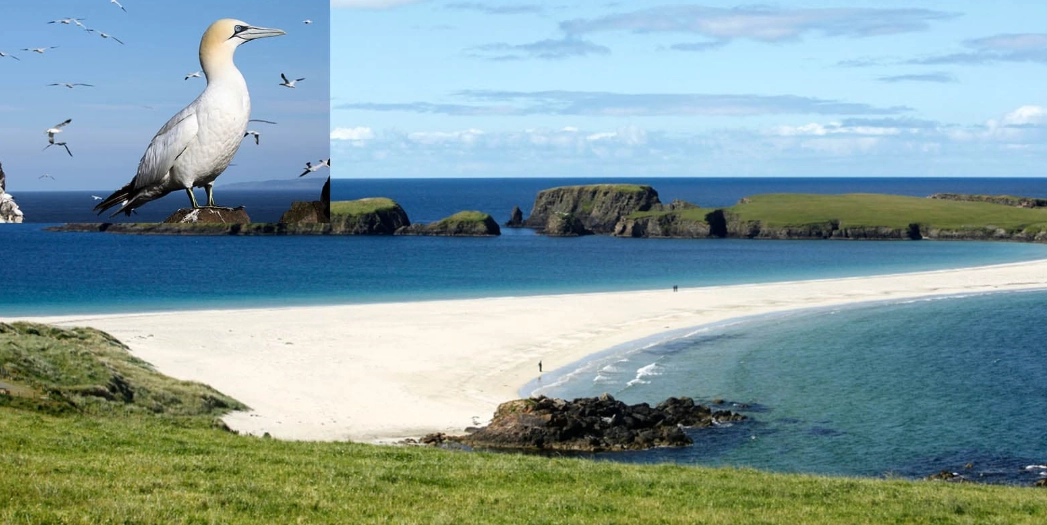
Logistics: Getting Around and Staying Put
For flexibility, especially for remote sites, a rental car is king. Book an automatic early if you need one. Trains are excellent between major cities (use the Rail Europe website for planning), but you'll need local buses, taxis, or tours to reach most prime birding spots.
Accommodation varies. In rural areas, look for agriturismos (Italy), casas rurales (Spain), or guesthouses. They're often family-run, cheaper than hotels, and the owners might know local birding secrets. Book well ahead for peak seasons near popular reserves.
Essential Gear and Mindset for European Birding
Beyond the binoculars and field guide (the Collins Bird Guide is the European bible), pack for variable weather. A waterproof layer is non-negotiable, even in summer. Sturdy, comfortable walking shoes are worth their weight in gold.
But the most important thing you can pack is the right mindset. A common trap is becoming a "list ticker," rushing from spot to spot. Slow down. Spend an hour watching a marsh, not just scanning it. The real magic often happens when you stop looking for something specific and just observe.
Respect the rules. Many European reserves have strict access for a reason – to protect fragile species. Always stay on marked paths, keep noise down, and never disturb nesting birds. The goodwill of local conservationists depends on it.
Your European Birding Questions Answered
 Is it necessary to hire a local bird guide in Europe, or can I manage on my own with apps?
Reader Comments