Let's cut to the chase. The Serengeti isn't just about the Big Five. It's one of the planet's most staggering birdwatching stages. Over 500 species have been recorded here. You get everything from tiny, iridescent sunbirds to massive, ground-stomping ostriches, all against a backdrop of endless plains and dramatic kopjes. Most safari-goers miss the depth because they're only looking for lions. That's a huge mistake.
I've spent over a decade guiding birding trips here, and I still get surprised. This guide isn't a dry list. It's your field manual for actually seeing and appreciating the birds of the Serengeti. We'll cover the star species, the hidden spots most vehicles race past, the gear that actually works in the dust, and how to plan a trip that turns you from a casual observer into a competent spotter.
Your Quick Safari Birding Map
Why the Serengeti is a Birding Paradise (It's Not Just the Grass)
People see grass. I see habitats. That's the key. The Serengeti's bird diversity is directly tied to its ecosystem variety. The endless short-grass plains are one thing, but the real action happens at the edges.
The riverine forests along the Grumeti and Mara Rivers are dripping with birds. Think Narina Trogon, Schalow's Turaco, and countless barbets. The rocky kopjes are apartments for raptors like Verreaux's Eagle-Owl and Augur Buzzard, plus chatty groups of Rock Hyrax-birds... I mean, Rock Hyraxes, but the birds are up there too. The acacia woodlands host weaver colonies that look like Christmas ornaments gone wild.
Then there's the migration. Not just wildebeest. The seasonal rains trigger insect hatches, which pull in hundreds of thousands of European and intra-African migratory birds. One day a bare plain is empty, the next it's swarming with Abdim's Storks and Carmine Bee-eaters. Timing is everything.
What You Must Know Before You Go: Time, Place, Gear
Getting this wrong can halve your bird count. Here’s the non-negotiable intel.
Best Time for Birding in the Serengeti
There are two prime windows, and they offer completely different experiences.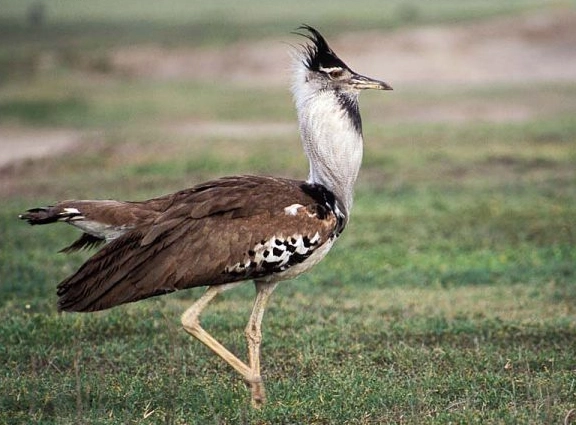
| Season | When | What You'll See | The Catch |
|---|---|---|---|
| Green Season (Nov-May) | Peak: Nov-Apr | Migratory birds in residence. Breeding plumage is spectacular. Carmine Bee-eaters, European Rollers, countless waders. Lush landscapes, lots of nest-building activity. | Afternoon rains can disrupt drives. Grass is longer, making ground birds trickier to spot. |
| Dry Season (Jun-Oct) | Peak: Jul-Oct | Concentrated wildlife around waterholes. Excellent visibility in short grass. Raptors are more active. This is the classic safari season. | Most Palearctic migrants are gone. It can be very dusty, which is hell on camera lenses. |
My take? For a pure birding trip, target November or April. You get migrants, residents, and manageable tourist numbers. For a mixed wildlife/birding trip, June or October are sweet spots.
Top Birding Locations Within the Serengeti
Seronera Valley is the famous heart, but don't get stuck there.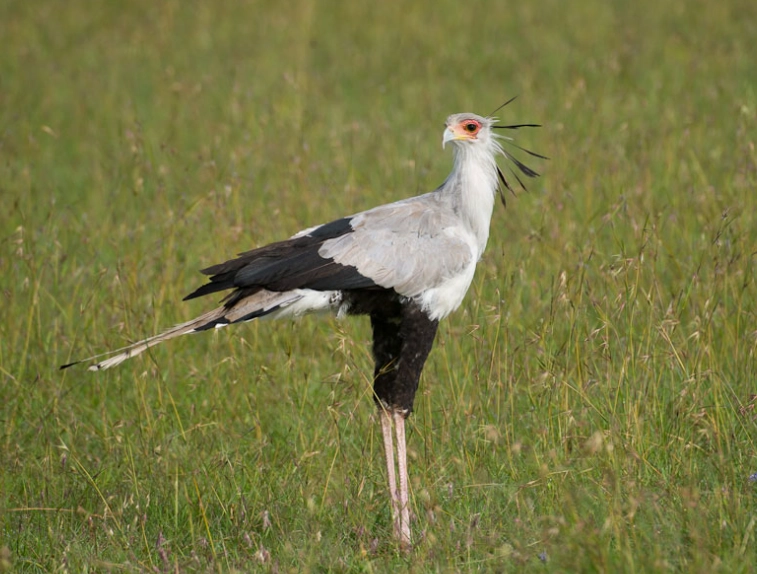
- Seronera River Area: The classic. Great for leopards and birds. Scan riverine figs for Ross's Turaco and Giant Kingfisher. The plains here have Secretary Birds year-round.
- Grumeti River Corridor (Western Corridor): Lush, forested, and less crowded. This is your best bet for the elusive Narina Trogon and the noisy White-headed Barbet. Hippo pools attract waders.
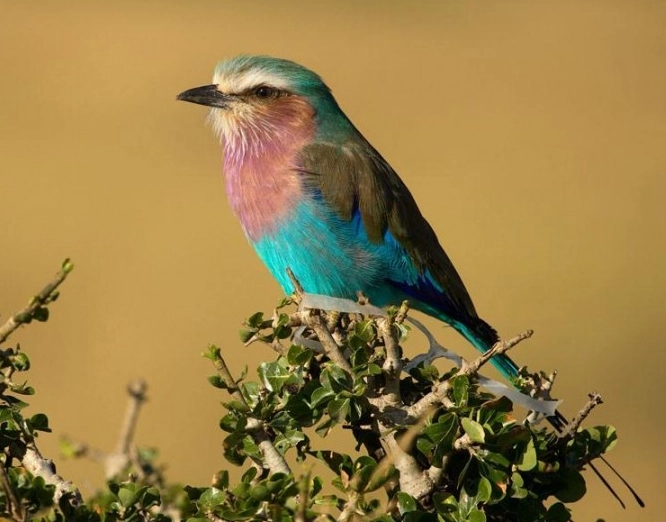
- Lobo Area & Bologonja Springs (North): Near the Kenyan border. More acacia woodland species. Look for the stunningly beautiful Lilac-breasted Roller on every other fence post. I'm not exaggerating.
- Ndutu Area (South-Eastern Plains): The calving grounds. From Dec-Mar, it's a frenzy of life. Thousands of Abdim's Storks follow the herds. Also great for Kori Bustard and all the lark species.
Essential Gear (Beyond Binoculars)
Everyone says "good binoculars." Duh. Here's what they don't tell you.
Guide's Packing Secret: A 10x42 binocular is the sweet spot. Enough magnification for distant raptors, enough field of view for tracking birds in flight. Leave the massive 12x50s at home; hand shake in a moving vehicle makes them useless.
The Bird Book: Don't bring a 1000-page guide to all of Africa. It's too heavy. Get a specific East Africa or Tanzania field guide (like the "Birds of East Africa" by Stevenson & Fanshawe). Your guide will have one, but having your own lets you study at night.
Camera: A DSLR or mirrorless with a 100-400mm or 150-600mm lens is ideal. A point-and-shoot with a super-zoom works too. Critical: Bring a rocket blower and microfiber cloths. The dust is fine and gets everywhere. Cleaning your sensor in the middle of the bush is impossible.
App: Download the Merlin Bird ID app by the Cornell Lab of Ornithology. Download the "Tanzania" pack offline. It's scarily good at sound ID. You'll hear a call, open the app, and it'll give you a shortlist. It's a game-changer for learning calls.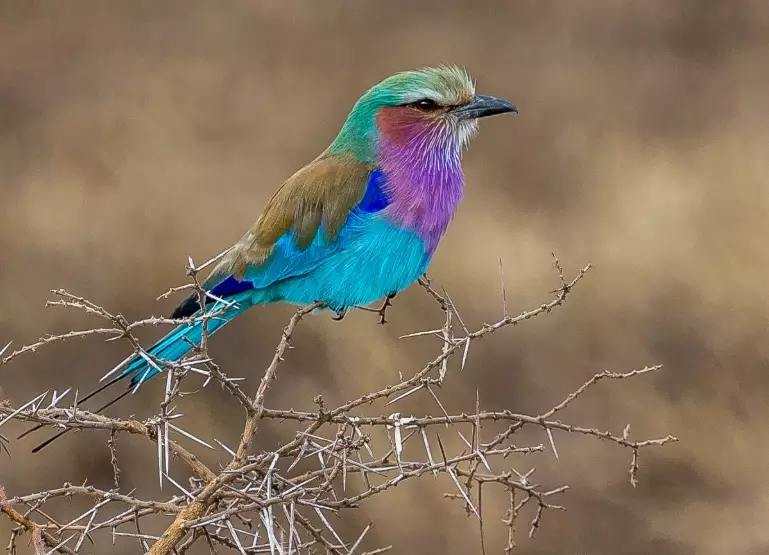
The Serengeti's Top 10 Must-See Birds (And How to Spot Them)
This is your hit list. I've ranked these not just by beauty, but by the "wow" factor and how uniquely Serengeti they feel.
- 1. Secretary Bird: The walking eagle. You'll see them stalking through the grass, kicking snakes to death with their long legs. Look for a grey body, black "trouser" feathers, and a distinctive red face. They're often alone. Best seen in open plains.
- 2. Kori Bustard: The world's heaviest flying bird. A male looks like a grumpy, feathered turkey on stilts. During breeding season, he inflates a huge throat sac. Impossible to miss in the short grass.
- 3. Lilac-breasted Roller: The poster child. It's everywhere, and it's always photogenic. The trick is to catch one in good light to see all eight colors. They love perching on dead branches.
- 4. Martial Eagle: Africa's most powerful eagle. A massive, dark bird with a fierce expression. Look for them perched high in isolated trees, scanning for hyrax or small antelope. A sighting is a major event.
- 5. Superb Starling: Don't ignore the common birds. This one is a metallic blue and orange jewel. They're social, noisy, and hang around lodges. A perfect bird for beginners to practice on.
- 6. Yellow-throated Sandgrouse: A master of camouflage. You'll drive right past them. Look for small groups on the ground in open, stony areas. At dawn, they fly incredible distances to waterholes—a spectacular sight.
- 7. Grey-crowned Crane: The national bird of Uganda, but common here. Elegant, with a golden crown. Often seen in pairs or family groups near wetlands. Their dancing display is magical.
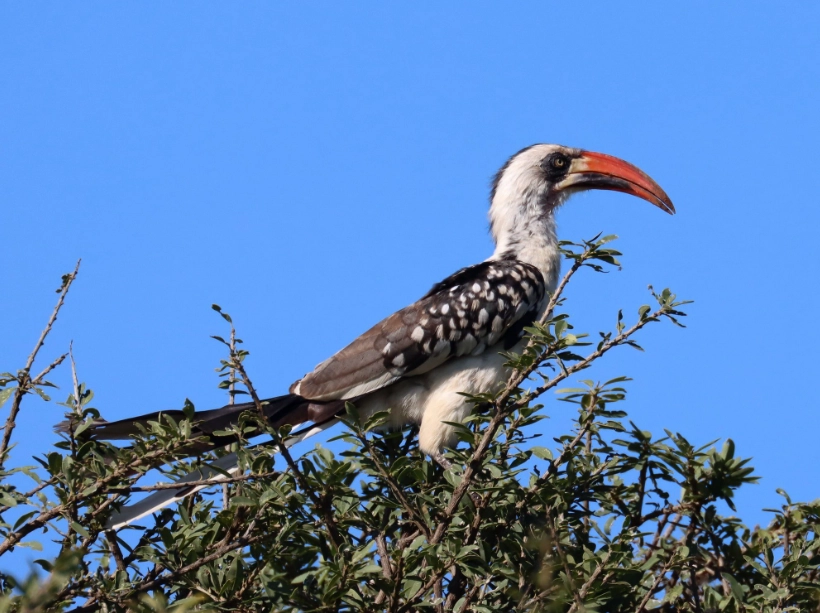
- 8. Red-and-Yellow Barbet: A clown. Bright red, yellow, and spotted. You'll hear its duetting "hoo-doo-doo" call near rocky outcrops or termite mounds where it nests. Very cooperative for photos.
- 9. Hamerkop: Looks prehistoric. Brown, with a backward-facing crest that gives it a hammerhead shape. Builds enormous, fortress-like nests in big trees. Check any large nest—if it's massive and messy, it's a Hamerkop's.
- 10. Tawny Eagle: The Serengeti's most common large eagle. Variable in color from dark brown to creamy blonde. They're often the eagle you see scavenging on a kill next to vultures. A great bird to learn eagle ID with.
Pro Birding Tips From a Safari Guide
This is the stuff they don't write in books. It comes from thousands of hours in a Land Cruiser.
Listen First, Look Later. In dense riverine forest, you'll hear 10 birds for every one you see. Learn three key calls before you go: the ringing "go-away" of the Grey Go-away-bird, the bubbling trill of the Rosy-breasted Longclaw, and the raucous squawk of the Silvery-cheeked Hornbill. Merlin App helps here.
Stop for the Boring Birds. Everyone screeches to a halt for a leopard. But pull over for a flock of queleas or a perched shrike. Often, that's when you spot the something special hiding among them—a cuckoo or a rare finch.
Talk to Your Driver-Guide. A good guide is your greatest asset. Tell them you're keen on birds. Say, "Can we stop for a minute near this acacia? I want to check those weaver nests." Most are happy to oblige if they know your interest. A tip at the end of the trip for good birding stops is always appreciated.
The Vulture Rule. See a swirling kettle of vultures? Go there. Not just for the carnivores, but for the cleanup crew. You'll see Marabou Storks, Tawny Eagles, and maybe a rare Lappet-faced Vulture all in one spot. It's a bird party.
Scan the Perches. On game drives, constantly scan the tops of termite mounds, dead trees, and communication towers. That's where raptors, rollers, and bee-eaters perch. I call them "bird magnets."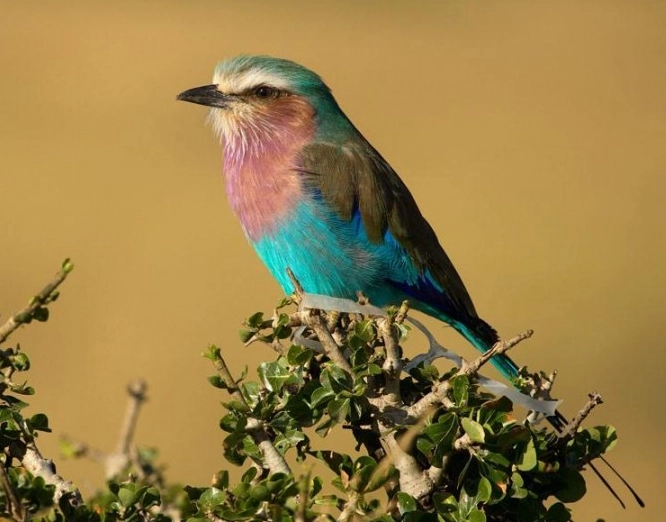
How to Plan Your Birding-Focused Safari
Let's get practical. A generic safari itinerary will disappoint a birder. You need time in specific habitats.
Sample 5-Day Birding-Centric Itinerary:
- Day 1: Arrive Arusha. Stay at a lodge with gardens (like Arusha Coffee Lodge). Bird the grounds—you might get Baglafecht Weaver and Tropical Boubou before you even hit the park. Acclimatize.
- Day 2: Drive to Central Serengeti (Seronera). Focus on the river lines and kopjes. Overnight at a camp like Seronera Wildlife Lodge. Evening spotlight for nightjars and owls.
- Day 3: Full day exploring Central Serengeti, moving towards the Grumeti River area. This changes the habitat. Overnight in the Western Corridor (e.g., Grumeti Serengeti River Lodge).
- Day 4: Morning dedicated to the Grumeti River forests. Afternoon drive to Ndutu area (if in season) or the Lobo/North Serengeti region. Different birds again.
- Day 5: Morning game drive in your final zone, then travel back to Arusha.
Booking: Use a reputable safari operator. Be explicit: "We want a birding-knowledgeable guide and itinerary with time for bird photography." It might cost a bit more, but the difference is night and day. Companies like & Beyond, Asilia Africa, and Nomad Tanzania have excellent guiding standards. For budget, look at local operators who offer private guide hire.
Costs: A mid-range 5-day safari with a private vehicle/guide will start around $3,000-$4,500 per person, all-inclusive (park fees, lodging, meals). Birding-specific trips can be higher due to guide specialization.
Your Birding Questions Answered
What's the one birding mistake everyone makes in the Serengeti?
Only looking far away. People scan the horizon for elephants and miss the stunning Double-banded Courser sitting perfectly camouflaged five meters from the vehicle tire. Train your eyes to scan the near ground, the mid-distance bushes, and the far trees in equal measure. It's called "slicing the habitat."
How can I tell the difference between a Bateleur and a Tawny Eagle in flight?
Shape and behavior. A Bateleur has unique, long wings and a very short tail, making it look like a black cross. It rocks side-to-side in flight. A Tawny Eagle has broader wings, a longer tail, and soars on flat wings. Also, adult Bateleurs have bright red faces and legs—you can see that with binoculars.
Is it worth bringing a big telephoto lens, or will it just be a hassle?
It's a trade-off. A 150-600mm lens will get you frame-filling shots of a distant eagle. But swapping lenses in a dusty, bouncing vehicle is risky. I recommend one versatile zoom lens (like a 100-400mm) and a beanbag to stabilize it on the vehicle door. Leave the giant prime lenses at home unless you're a dedicated photographer with a dedicated vehicle.
Are there any dangerous birds I should avoid?
Not really. Ostriches can be aggressive if you approach their nest on foot, but you'll be in a vehicle. The main danger is to the birds: don't pressure your driver to go off-road to get closer to a nesting bird. It destroys habitat. A distant, ethical view is better than a stressed bird.
What's the best resource for checking recent bird sightings?
eBird. Check the hotspot pages for "Serengeti National Park" and specific areas like "Seronera." You can see what species have been reported recently. It's a fantastic tool for setting realistic expectations and getting excited. The data comes from birders like you, so consider contributing your own checklist after your trip.
The birds of the Serengeti are a layer of the ecosystem most people glance over. Don't be one of them. With a little focus, the right approach, and this guide, your safari will transform. You'll start seeing the connections—the oxpeckers on the buffalo, the egrets following the elephants, the vultures cleaning up. It makes the whole experience richer, deeper, and infinitely more rewarding. Start with that top ten list, pack your binoculars, and get ready to look at the Serengeti in a whole new way.
Reader Comments