You hear it first. A loud, rusty-gate conk-la-reee! echoing across a marsh or roadside ditch. Then you see him—a jet-black bird perched on a cattail, flashing those brilliant red-and-yellow shoulder patches like tiny warning lights. That's the male red-winged blackbird, one of North America's most widespread and recognizable birds. But here's the thing most casual observers miss: for every showy male, there are about three females or young birds nearby that look nothing like him. If you only know the male, you're missing most of the story. This guide is about seeing the whole picture—how to reliably spot red-wings in all their forms, understand where and when to look, and maybe even convince a few to visit your space.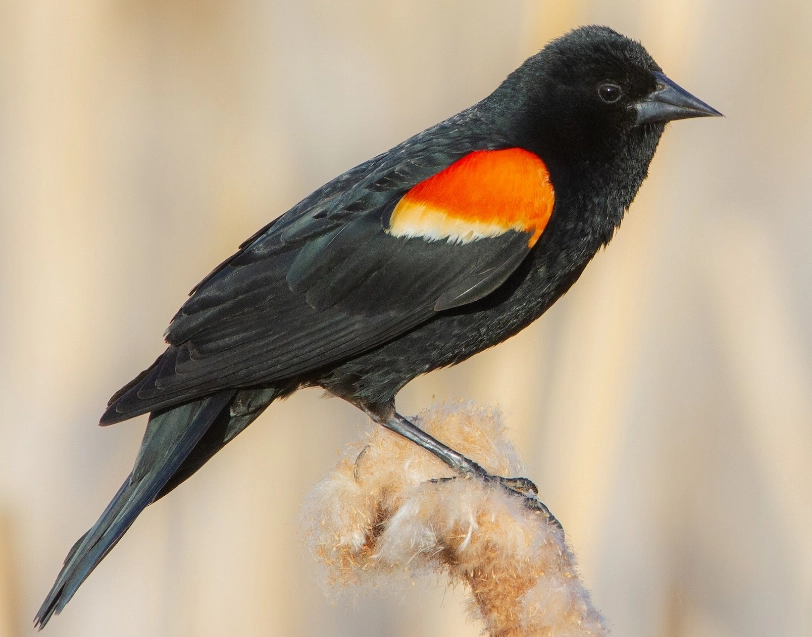
Your Quick Guide to Red-Wings
How to Spot Them Every Time (Hint: It's Not Just the Red)
Let's clear up the biggest identification pitfall right away. Relying solely on those red epaulets will lead to confusion with other blackbirds and even let half the red-wing population go unnoticed.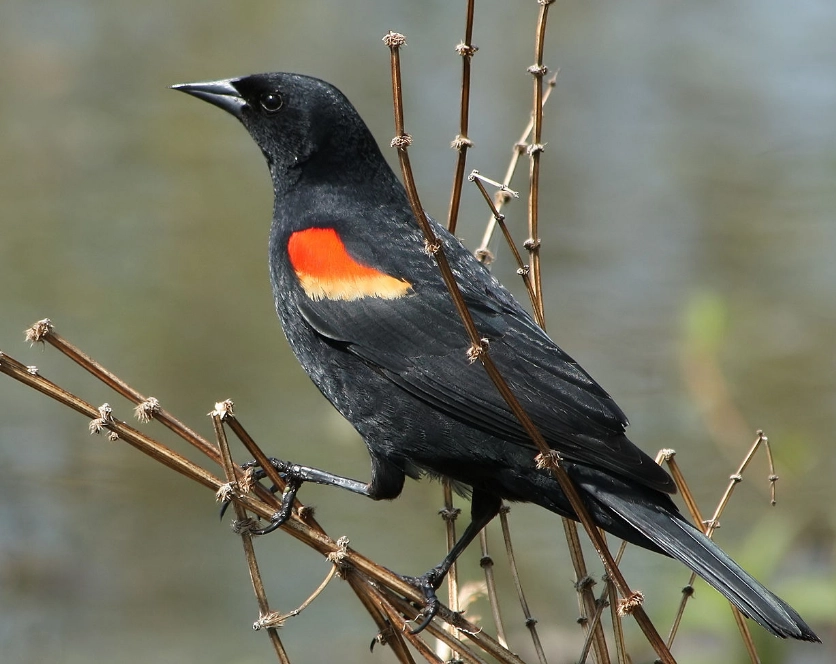
The Male: More Than a Pretty Patch
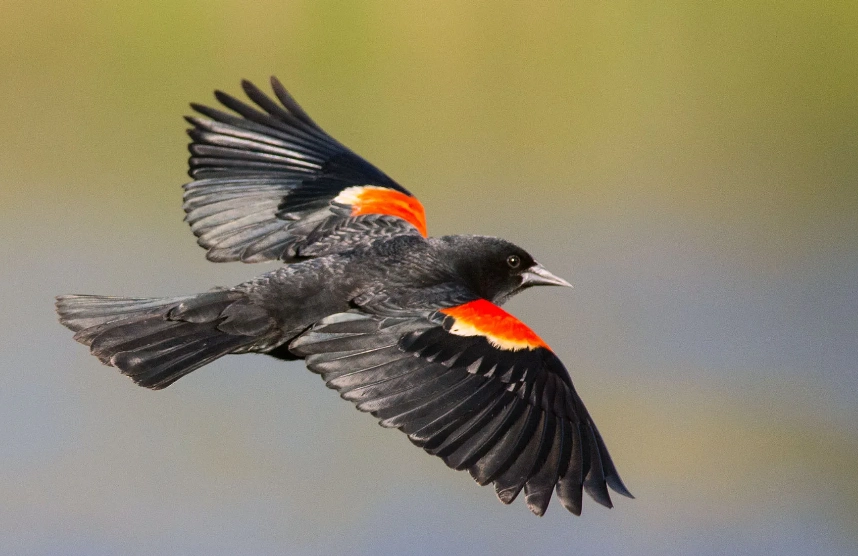
The adult male is unmistakable when you get a good look. Glossy black overall, with those vivid scarlet shoulder patches (epaulets) bordered thinly in yellow. But watch his behavior. He often hides the epaulets when foraging or in flight, appearing all-black. He reveals them in bursts during displays or aggressive encounters. His song is that distinctive, gurgling conk-la-reee. A common mistake is calling any black bird with a bit of color a "red-wing." Tricolored blackbirds have white borders, not yellow, and are restricted to California. Rusty blackbirds in winter have rusty edges to their feathers, not defined shoulder patches.
The Female & Young Birds: The Secret Majority
This is where most beginners get tripped up. Females look like large, heavily streaked sparrows. They are dark brown above with paler, buffy underparts covered in thick, dark streaks. Their face has a strong, pale eyebrow stripe. The key is to note their long, sharp, pointed bill—perfect for probing in mud—and their habit of clinging to vertical marsh vegetation. You won't see a female house sparrow doing that. First-year males look like scruffy, blotchy versions of the adults, often with orange or pinkish epaulets. They're the confusing in-between stage.
Prime Real Estate: Where to Find Red-Winged Blackbirds
These birds are habitat specialists, but their preferred habitat is everywhere. You don't need a wilderness preserve.
Their absolute favorite places are freshwater marshes, wetlands, and the edges of ponds. Cattails are their high-rise apartments. But they've adapted brilliantly to human landscapes. Look for them in:
- Wet ditches along country roads (a prime spot most people drive right by).
- Flooded agricultural fields, especially in early spring.
- Stormwater retention ponds in suburban office parks.
- Brushy, overgrown fields adjacent to water.
Timing matters. They're most vocal and visible from late winter through summer as males establish territories. But in fall and winter, they form massive, nomadic flocks—sometimes millions strong—that descend on farm fields to eat grain. Seeing a swirling, chattering cloud of blackbirds rise from a corn stubble field is a breathtaking experience, though not always popular with farmers.
I once spent a futile morning looking for them in a dry upland forest. A classic rookie error. An hour later, I found over fifty in a soggy, half-frozen field behind a shopping mall, just off the interstate. They're often closer than you think, just in the damp spots we tend to ignore.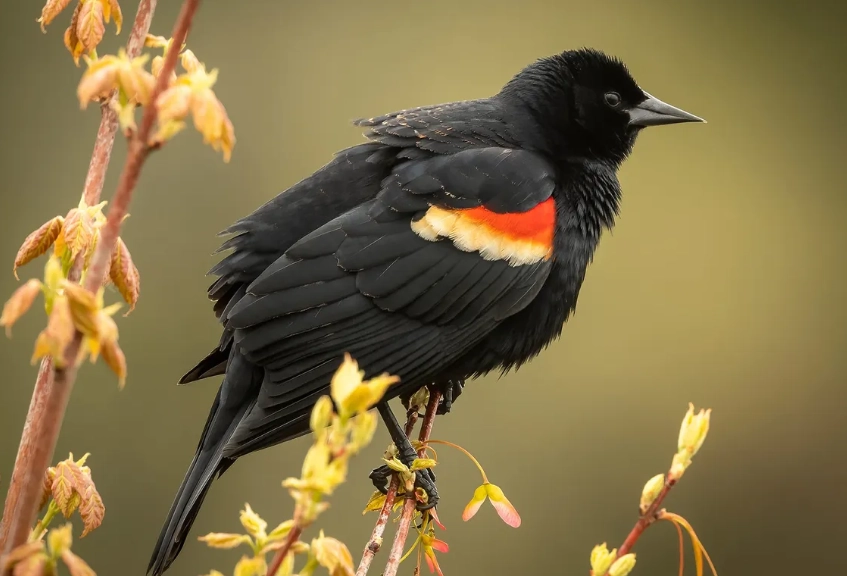
How to Bring Them Closer: Backyard Strategies That Work
Want red-wings at home? You can't just hang a feeder and hope. You need to think like a marsh bird. They are ground and platform feeders by nature, wary of enclosed spaces.
The Feeder Setup They'll Actually Use
Forget tube feeders. They'll avoid them. Your best bets are:
- A large, open platform feeder with a roof for cover.
- Ground feeding: Simply scattering seed on a patch of open ground near cover.
- A hopper feeder with a big tray at the bottom.
Location is critical. Place the feeder near natural cover—a shrub line, a brush pile, or ideally, within sight of a water source (even a birdbath or a small garden pond helps). They need a quick escape route. A feeder in the middle of a vast, open lawn will see few visitors.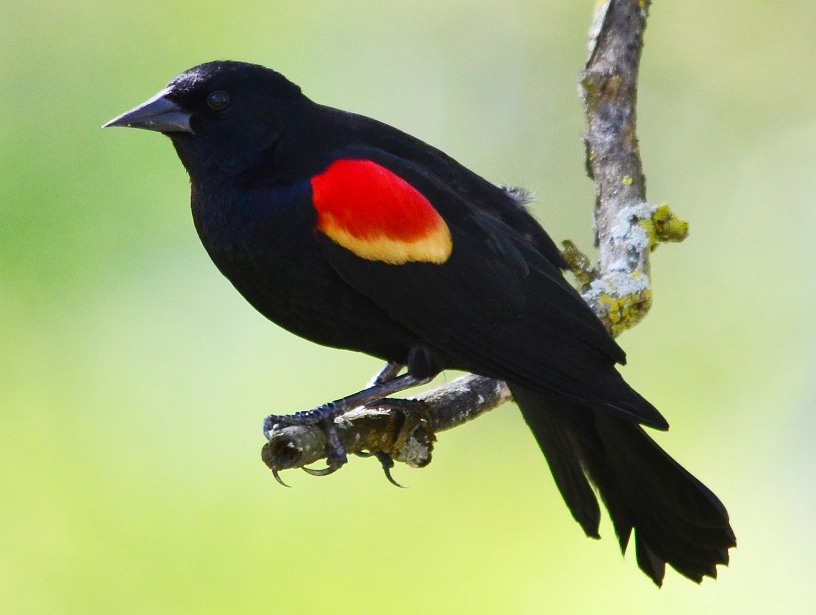
What to Serve: The Menu
They have a simple palate, especially in winter and migration. Offer:
| Food Type | Why It Works | Best Presentation |
|---|---|---|
| Cracked Corn | Inexpensive, high-energy, loved by flocks. | Scattered on the ground or a low platform. |
| White Proso Millet | A favorite small seed, especially for females and other ground-feeding birds. | Ground or platform. |
| Sunflower Hearts/Chips | High-fat, no mess from shells. | Platform or hopper tray. |
| Suet (Plain or Fruit-Blend) | Great in cold weather, offers quick energy. | Suet cage or crumbled on a platform. |
Beyond the Basics: Behavior, Calls, and Cool Facts
Red-wings are more than just pretty feathers. They're complex characters. Males are famously polygynous, often mating with several females in their territory. A single male's territory might hold 5-15 nests. He spends his days patrolling, singing, and chasing off intruders—including much larger birds like crows and hawks. That bold dive-bombing behavior is all about protecting the family.
Their vocal repertoire is vast. Beyond the classic song, listen for a sharp check! call used as an alarm. Females also sing—a simpler, chattering song often heard when she's near the nest.
According to data from long-term surveys like the North American Breeding Bird Survey, their populations are currently stable but face long-term threats from wetland drainage and agricultural intensification. Supporting local wetland conservation indirectly helps red-wings.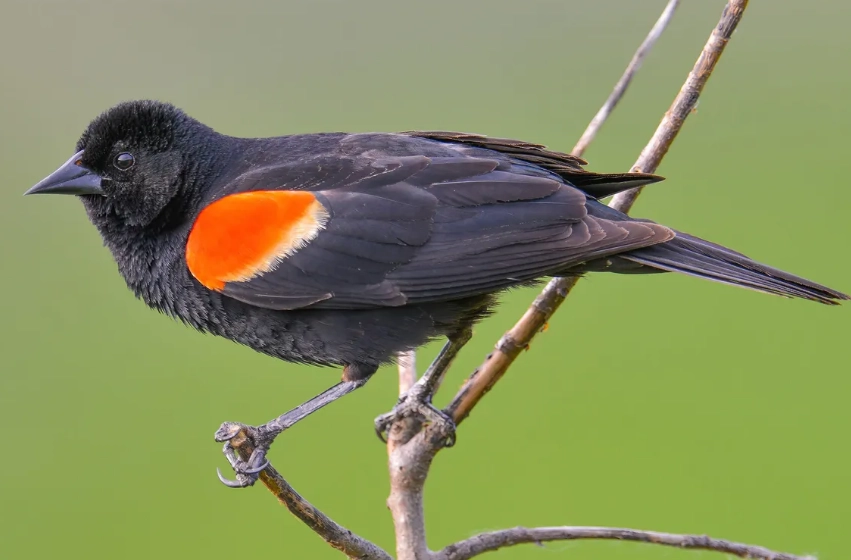
Your Red-Winged Blackbird Questions Answered
 So next time you hear that conk-la-reee, look closer. Scan the reeds for the streaked females. Appreciate the wetland they're calling home. With a little knowledge, the common red-winged blackbird becomes a window into the complex life of our marshes and fields. Grab your binoculars—or just look out the car window near a wet ditch. The show is waiting.
Reader Comments