You see a tall, white wading bird standing statue-still in the shallows. It's elegant, poised, and instantly recognizable as an egret. But which one? And how do you get a great photo without washing out all that brilliant white? Let's cut past the generic facts. After years of muddy boots and missed shots, I've learned that appreciating egrets is about the specifics—the subtle differences in their posture, the challenge of exposure, and knowing exactly where to look.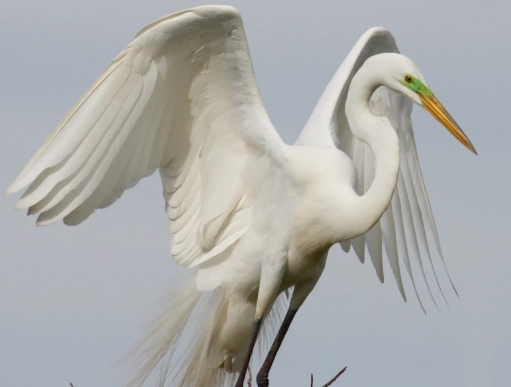
What's Inside This Egret Guide?
Spot the Difference: A Quick Guide to Common Egret Species
Let's be honest, telling egrets apart can be tricky at first. They're all long-legged and often white. The classic mistake is calling every white wader a "Great Egret." Here’s the breakdown you need, focusing on the three you're most likely to encounter in North America.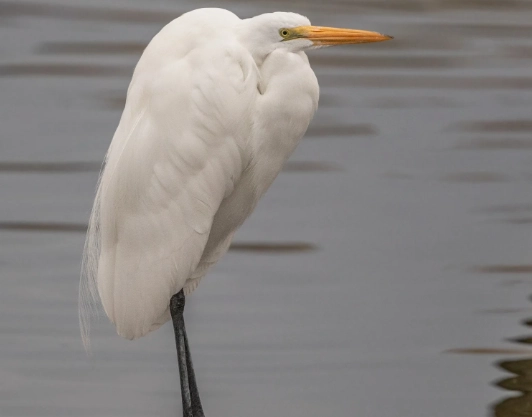
| Species | Key Identification Feature | Bill Color | Leg & Foot Color | Size (Height) |
|---|---|---|---|---|
| Great Egret | Long, S-curved neck; legs extend far beyond tail in flight. | Yellow | Black legs | ~3.3 ft / 1 m |
| Snowy Egret | Energetic feeder; often runs and shuffles feet. Lacy plumes on head/neck in breeding season. | Black with yellow skin at base (lores) | Black legs, bright yellow feet (“golden slippers”) | ~2 ft / 0.6 m |
| Cattle Egret | Stockier, with shorter neck and bill. Often found in dry fields, not just water. | Yellow (duller, shorter) | Yellowish or greenish legs. Orange-buff plumage on head/back in breeding season. | ~1.5 ft / 0.5 m |
See the pattern? It's not just color, it's proportion and context. A Great Egret looks regal and deliberate. A Snowy Egret seems frantic and fancy-footed. A Cattle Egret looks out of place away from cows or tractors.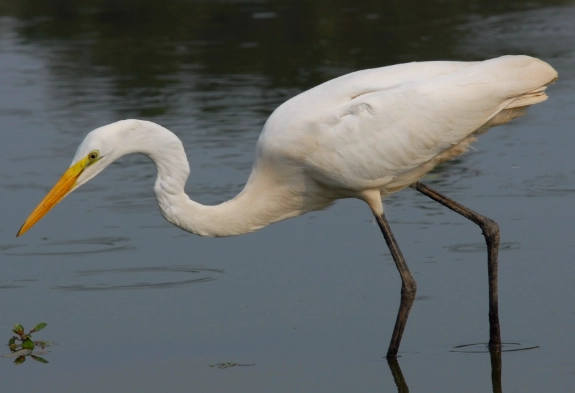
I once spent twenty minutes convinced I'd found a rare intermediate morph, only to realize I was looking at a Great Egret standing in deep shadow, making its yellow bill look dark. Light plays tricks. Always check multiple features.
The "Other" White Waders: Don't Get Fooled
While we're at it, two other birds trip people up.
White-phase Great Blue Heron: Much larger and heavier than a Great Egret. It has a thicker, yellowish bill, and pale legs. The guttural croak is a dead giveaway—nothing like an egret's call.
White Ibis: The curved, pinkish-red bill is the instant clue. It's also more social, often seen in large, noisy flocks, whereas egrets are often solitary or in smaller groups.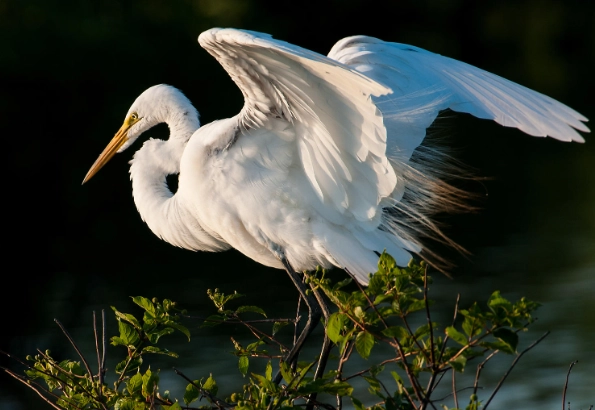
Camera in Hand: How to Actually Photograph White Birds
This is where theory meets practice, and where most beginners get frustrated. Your camera's light meter is designed for average scenes. A bright white egret against dark water is not average. It will try to turn that beautiful white into a dull middle gray.
Here’s a concrete workflow I use every time:
- Switch to Aperture Priority (A/Av) Mode. This gives you control over depth of field (background blur).
- Set your metering mode to Spot or Center-Weighted. Point the center of your frame at the egret's body, not the dark water behind it.
- Dial in +1 to +1.7 EV. Start at +1.3. Take a test shot.
- Check the histogram. You want the data bunched toward the right side (highlights) but not climbing up the far-right wall, which means overexposure ("blinkies" on your screen). If you see blinkies on the feathers, dial back to +1.0. If the bird still looks gray, push to +1.7.
- Use a fast shutter speed. Even standing still, they make quick head movements. 1/1000s or faster is safe. If light is low, raise your ISO—a sharp, noisy shot is better than a blurry, clean one.
For gear, a 300mm lens is a practical minimum. A 70-300mm zoom on a crop-sensor camera works. I've gotten my favorite shots with a used 400mm prime I found for a steal. Don't get hung up on the latest gear; understanding light is 80% of the battle.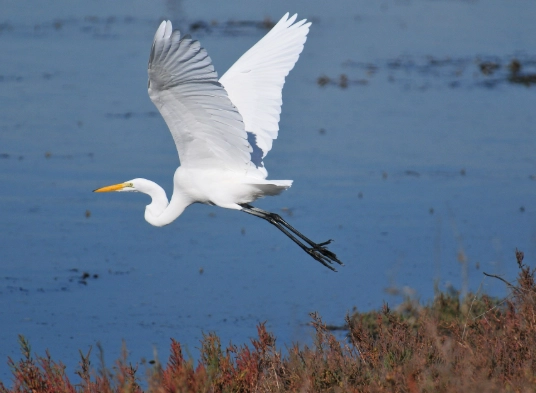
Where to Watch: Finding Egrets Beyond the Obvious Pond
Sure, you can find a solitary egret at a local park pond. But to see interesting behavior—courtship, nesting, communal fishing—you need to find their hotspots.
Seasonal Wetlands and Marshes: These are prime feeding grounds. Think places like the Everglades (Florida), the Sacramento National Wildlife Refuge Complex (California), or Bombay Hook National Wildlife Refuge (Delaware). Spring and fall migrations are peak times.
Heronries (Rookeries): This is the jackpot. Egrets often nest in mixed-species colonies in secluded swamps or on islands. The cacophony and activity at dawn or dusk is unforgettable. Crucially, observe from a distance with a scope. Disturbing a nesting colony can cause adults to abandon eggs. Resources like eBird hotspot maps or local Audubon chapter reports are gold for finding these spots ethically.
Unexpected Spots: Cattle Egrets, true to their name, follow livestock in open fields. Snowy Egrets love tidal flats and salt marshes. I once saw a Great Egret successfully hunting voles in a mowed grassland far from any water—they're adaptable.
More Than Looks: Decoding Egret Behavior and Habitat
Why does this matter? Because behavior confirms identification and makes observation richer.
Feeding Strategies:
- Great Egret: The patient stalker. It moves slowly, then strikes like a lightning bolt with its bill.
- Snowy Egret: The active pursuer. It runs, hops, and uses its bright yellow feet to stir up the mud and flush out prey. This "foot-stirring" is a signature move.
- Cattle Egret: The opportunist. It follows large animals (or tractors) to catch insects they disturb.
Habitat Niche: Each species slightly prefers different dinner tables. Great Egrets often hunt in deeper water. Snowy Egrets dominate the shallow, muddy edges. This means you can often see them foraging near each other without direct competition. Understanding this saves you from looking for a Snowy in a deep lake channel.
Your Egret Questions Answered
Reader Comments