What You'll Learn in This Guide
You've probably seen them—those glossy black birds perched on fences or hopping across lawns, letting out that familiar "caw." American Crows are everywhere, from city parks to rural fields, but how much do you really know about them? I've spent over a decade watching these corvids, and let me tell you, most bird guides miss the subtle details that make crow identification tricky. In this guide, I'll walk you through everything from telling them apart from ravens to understanding their complex social lives, based on my own mishaps and observations. Whether you're a beginner birder or just curious, you'll find practical tips to deepen your appreciation for these intelligent birds.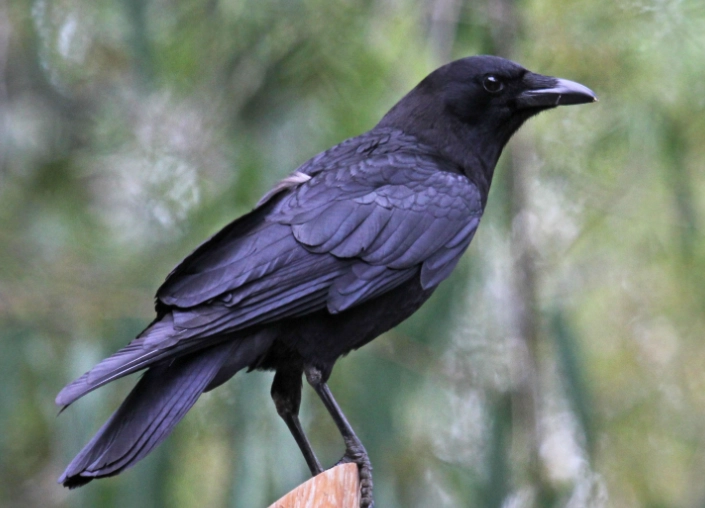
How to Identify an American Crow
Getting the ID right is the first step, and it's where many newcomers stumble. I once confused a crow for a raven during a hike, only realizing my mistake when a fellow birder pointed out the tail shape—a classic oversight. American Crows (Corvus brachyrhynchos) have distinct features that set them apart from similar species.
Physical Characteristics
Look for a medium-sized bird, about 17-21 inches long, with entirely black plumage that can shine purple or blue in sunlight. The bill is stout and black, and the legs are black too. In flight, the tail is fan-shaped and relatively short, which is a key difference from ravens. Juvenile crows might have slightly duller feathers, but they're still mostly black. A common mistake is relying solely on size; in poor light, a crow can look deceptively large, so always check multiple features.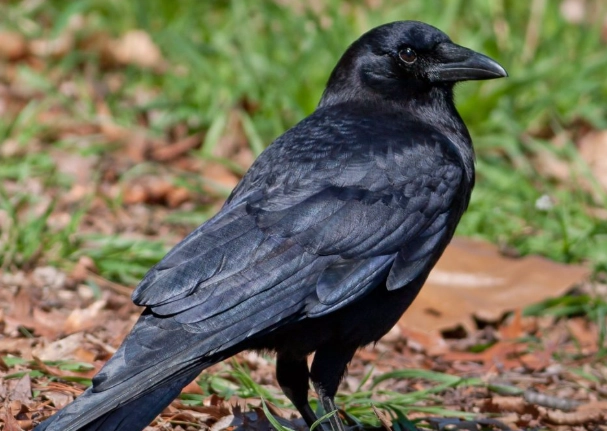
Vocalizations: More Than Just a "Caw"
That "caw" is iconic, but American Crows have a diverse repertoire. They can make rattles, clicks, and even mimic other sounds. According to the Cornell Lab of Ornithology's All About Birds project, crows use different calls for alarm, gathering, or social interaction. Listen for a series of harsh, nasal caws—often in groups—to confirm it's a crow. Ravens, in contrast, have a deeper, croaking call. I've noticed that urban crows tend to be louder, maybe because they're competing with city noise.
American Crow vs. Common Raven: Spot the Difference
This is the big one. Beginners often mix them up, but with practice, it becomes second nature. Here's a quick comparison table based on my field notes:
| Feature | American Crow | Common Raven |
|---|---|---|
| Size | Smaller (17-21 in) | Larger (22-27 in) |
| Tail Shape | Fan-shaped, rounded | Wedge-shaped, pointed |
| Bill | Smaller, straight | Larger, curved |
| Flight | Steady, direct flaps | Soaring, often with glides |
| Voice | Harsh "caw caw" | Deep "gronk" or croak |
In the field, watch how they fly. Crows flap consistently, while ravens mix flaps with glides and even somersaults. I've seen ravens do aerial acrobatics that crows rarely attempt—it's a fun giveaway.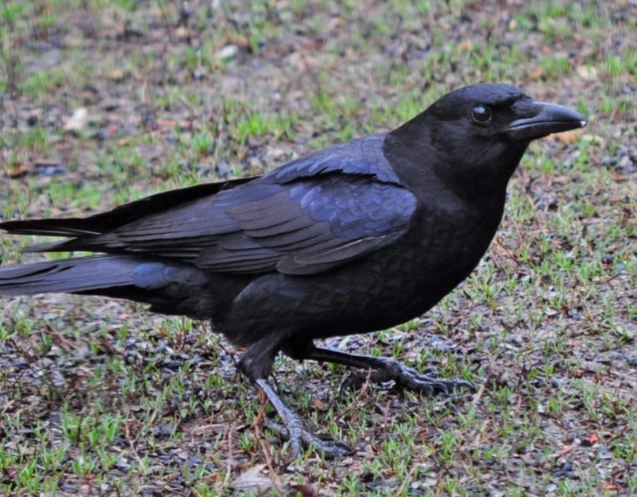
Where to Find American Crows: Habitat and Range
American Crows are incredibly adaptable. They thrive from southern Canada throughout the contiguous United States, according to range maps from the American Bird Conservancy. You'll spot them in:
- Urban and suburban areas: Parks, golf courses, and backyards—they love open spaces with scattered trees.
- Agricultural land: Fields and farm edges where they forage for insects and grains.
- Forest edges: Not deep woods, but where forests meet clearings.
During winter, some northern populations migrate south, but many are year-round residents. I've found that crows in cities tend to be bolder; once, in Seattle, a crow stole a sandwich right from a picnic table! Their adaptability is why they're so common, but it also means they face threats like habitat loss and pesticides.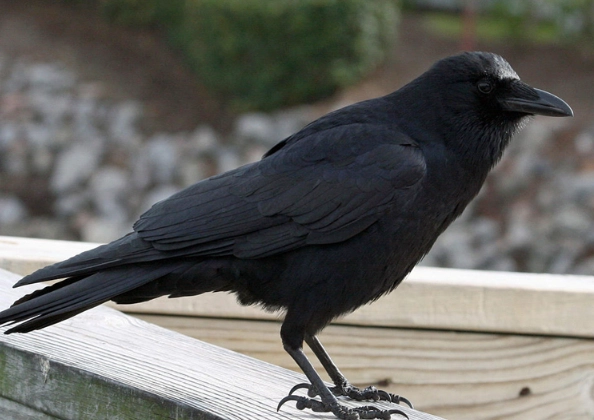
Behavior and Social Life of American Crows
This is where crows get fascinating. They're not just scavengers; they're social, intelligent, and even playful. I've spent hours watching crow families interact, and it's changed how I view them.
Intelligence and Tool Use
Crows are among the smartest birds. Studies, like those cited by the National Audubon Society, show they can use tools, solve puzzles, and remember human faces. I once set up a simple puzzle with food hidden under a lid, and a local crow figured it out in minutes by using a stick to pry it open. This intelligence helps them survive in changing environments, but it also means they can be wary—if you've ever been scolded by a crow, it might remember you from a previous encounter.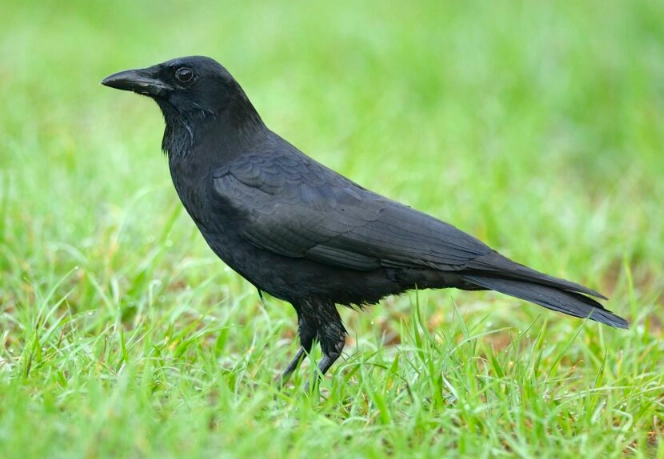
Mobbing Behavior: Why Crows Attack Hawks
Ever seen a group of crows chasing a hawk? That's mobbing, a defense mechanism to protect their young or territory. Crows work together to harass predators, diving and calling loudly. I witnessed this in my backyard last spring; a red-tailed hawk was perched too close to a crow's nest, and within minutes, a dozen crows drove it away. It's a coordinated effort that highlights their social bonds. New birders often mistake this for aggression, but it's more about community protection.
Personal note: After years of observing, I think crows have a kind of "neighborhood watch" system. They recognize local threats and share information through calls—something most guides don't emphasize enough.
How to Attract American Crows to Your Backyard
Want to bring crows closer for observation? It's possible, but it requires patience and the right approach. I've had mixed success; sometimes they're wary, other times they become regular visitors. Here's what works based on my trials.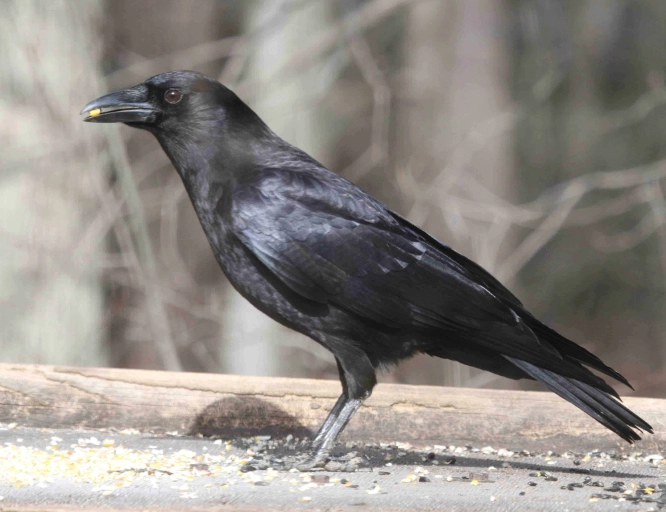
Food and Feeding Tips
Crows are omnivores, so offer a variety. I recommend:
- Unsalted peanuts: Shelled or in-shell—they love them. I put out a handful in a open tray.
- Dog kibble: High-protein, dry kibble is a hit, but avoid flavored varieties.
- Fruits and grains: Berries, corn, or leftover bread in moderation.
Avoid processed foods or anything salty. Place food in a consistent spot, like a platform feeder or on the ground, and keep it clean to prevent disease. I made the mistake of leaving out moldy bread once, and the crows avoided my yard for weeks—lesson learned.
Creating a Crow-Friendly Environment
It's not just about food. Crows need safety and perches. Plant native trees or shrubs for cover, and provide a water source like a birdbath. I installed a shallow basin, and now crows come to drink and bathe regularly. Also, minimize disturbances; loud noises or pets can scare them off. Over time, they might start recognizing you as a food source, but don't expect them to become tame—they're wild animals with their own agendas.
One thing most resources don't mention: crows are cautious. If you're new to this, start by observing from a distance. I've found that wearing neutral colors and moving slowly helps reduce their skittishness.
FAQs About American Crows
American Crows are more than just background birds; they're intelligent, social creatures that offer endless learning opportunities. From identification nuances to backyard attracting, I hope this guide helps you see them in a new light. Grab your binoculars, head outside, and start observing—you might be surprised by what you discover.
Reader Comments