Quick Guide
You're out in the field, binoculars raised, and you've got what looks like two identical sparrows in your view. Or maybe it's a warbler that just doesn't match the bright spring adult in your field guide. It's frustrating, right? You know there's a difference—maybe it's age, maybe it's species—but the clues feel hidden. What if I told you the bird is literally wearing its ID card and life history on its back, in the form of its feathers? That's where the skill of identifying birds through molt limits comes in. It's not some obscure, PhD-level trick. It's a practical, learnable skill that cuts through the guesswork.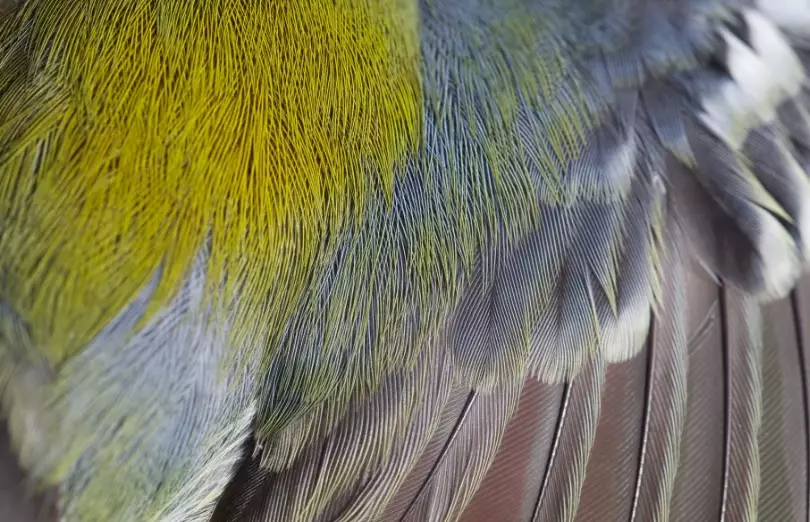
I remember the first time it clicked for me. I was staring at a flock of White-crowned Sparrows, utterly confused. Some had crisp black-and-white heads, others were dull brown and streaky. My book said "immature" for the brown ones, but that felt vague. Then someone pointed out the molt limit on their wings—a clear line where new, fresh feathers met old, worn ones. That line told a story: this bird was in its first winter, having replaced only some of its baby feathers. It wasn't just an "immature"; it was a specific age with a specific history. My whole approach to birding changed that day.
This isn't just academic. Identifying birds through molt limits solves real problems for birders. It helps you separate juveniles from adults when they look similar. It can be the decisive clue for telling apart tricky species pairs that differ in their molt timing. It turns a frustrating "maybe" into a confident "yes." Let's break down how it all works, without the jargon overload.
The Feather Cycle: Why Birds Molt and What Patterns They Follow
Feathers are amazing structures, but they wear out. Sun, rain, physical abrasion—they take a beating. To stay in top flying and insulating condition, birds have to renew them periodically. This renewal process is molt. But it's energetically expensive, like running a marathon while building a new suit of armor. So, birds have evolved smart strategies, and these strategies create the patterns we learn to read.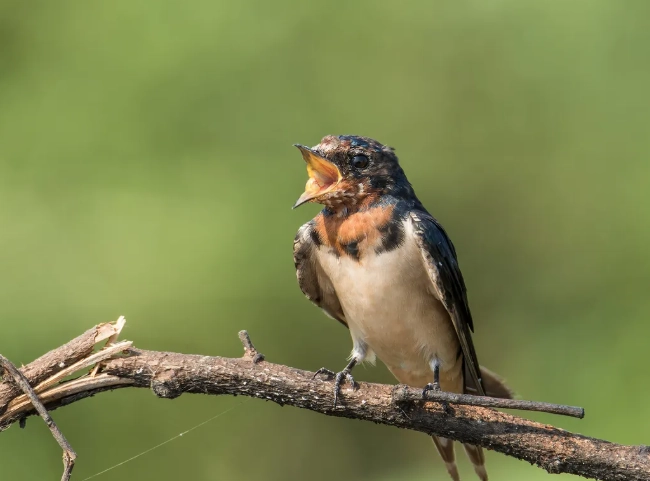
Most North American songbirds (passerines) follow a pretty standard annual schedule. They have a complete molt after the breeding season, replacing every feather. This gets them a fresh set for migration and winter. Then, right before their first breeding season, many species have a partial prealternate molt, often just on the body and sometimes not even that. This is where the first big clue comes in.
Take a typical migrant warbler. An adult in late summer undergoes a complete molt. Come spring, it's all fresh, bright breeding plumage. A young bird hatched that same year has a different path. Its first molt (post-juvenile molt) in its first fall is often incomplete. It might replace all its body feathers but only some wing feathers—maybe just the inner wing coverts. The rest of its flight feathers (primaries, secondaries, some outer coverts) are the ones it grew in the nest. It flies south with a mix of new and old feathers.
Fast forward to April. The adult warbler looks pristine. The first-year bird? Its old nest-grown feathers are now nearly a year old. They're faded, frayed, and dull. The newer feathers it grew in its partial fall molt are still relatively fresh. You look at its wing, and bam—there's a clear line. Fresh, uniform inner coverts next to worn, faded outer coverts. That's a molt limit. It's a definitive sign that this bird is in its first year of life. You've just aged it without hearing a peep.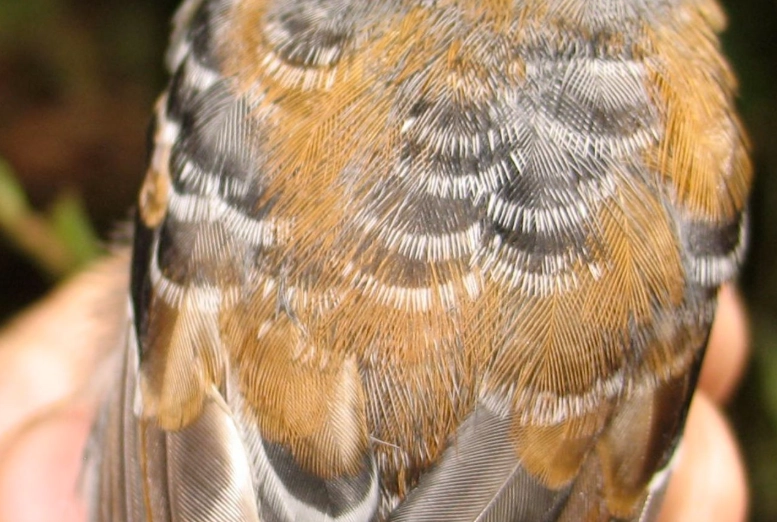
Putting It into Practice: A Guide to Common Molt Limit Scenarios
Okay, theory is fine, but what does this look like on actual birds? Let's get our hands dirty. The location and appearance of molt limits vary by group, which is actually helpful for narrowing things down.
The Sparrow Wing: A Classic Classroom
Sparrows are fantastic for learning. Many, like White-crowned, White-throated, Song, and Savannah Sparrows, show really clear wing molt limits in their first winter. In the fall, after they leave the nest, they have a partial molt. They typically replace all their body feathers (giving them their basic winter body plumage) and a specific set of smaller feathers on the wing called the greater coverts.
Here’s the visual: On a first-year sparrow in winter or early spring, look at the row of greater covert feathers on the folded wing. The inner few (closer to the body) will be new. They are broader, have crisp edges, and match the color pattern of adults (like gray centers with crisp white tips). The outer greater coverts are the old juvenile feathers. They are narrower, frayed at the tips, washed out in color, and often have buffy or messy edges.
The adults, having done a complete fall molt, will have a uniform row of fresh greater coverts. No line, no contrast. Simple as that. This one feature alone will let you accurately age a huge number of sparrows. It's the cornerstone of identifying birds through molt limits in many common species.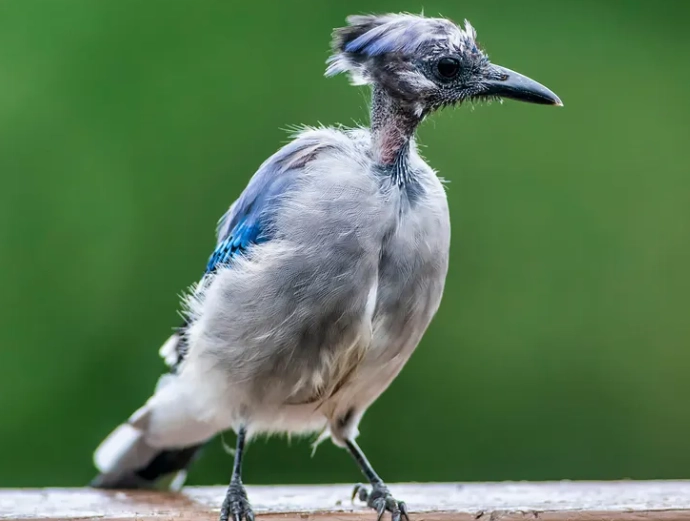
Warblers and the Challenge of Worn Feathers
Warblers take it up a notch. In many species, first-year birds don't replace any wing feathers in their first fall molt. They just replace body feathers. So when you see them the following spring, their wing and tail feathers are the original, nest-grown ones. These feathers are incredibly worn and faded compared to an adult's.
Look at a spring Magnolia Warbler. An adult male's wing is a sleek, black canvas with bold white patches. A first-year male's wing looks... tired. The black is browner, the feathers are narrower, the white patches might be smaller or less distinct. The contrast isn't a neat line on the coverts; it's the entire wing and tail assembly looking shabbier than the bright, fresh body plumage. For warblers, identifying birds through molt limits is often about assessing overall wear and contrast between the body and the wings.
Gulls, Hawks, and the Big Picture Strategy
It gets more complex with birds that take multiple years to reach adulthood, like gulls and large raptors. Their molt strategies are multi-year plans. A Herring Gull goes through a series of plumages from mottled brown to clean gray-and-white. Each plumage stage corresponds to a specific age and a specific molt cycle. By knowing the sequence, you can age a gull as a second-winter, third-summer, etc., based on the combination of old and new feathers you see. For these guys, resources like the Cornell Lab of Ornithology's All About Birds are invaluable for photo comparisons. The American Birding Association (ABA) also publishes detailed articles on aging specific tricky groups.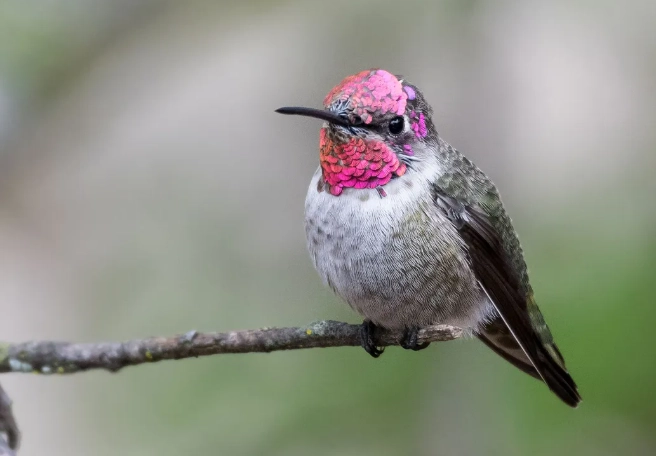
The table below summarizes the key differences in a few common groups to help you start spotting patterns:
| Bird Group | Typical First-Year Molt | Where to Look for the Limit (1st Winter/Spring) | What the Limit Tells You |
|---|---|---|---|
| Sparrows (e.g., White-crowned) | Partial: body + some wing coverts | Row of greater coverts on folded wing. Contrast between new inner and old outer feathers. | Bird is in its first year (HY/SY). Crucial for aging when head plumage is ambiguous. |
| Many Warblers (e.g., Yellow-rumped) | Partial: body feathers only | Overall contrast. Fresh, bright body vs. very worn, faded wings and tail. | Bird is in its first year. Wings are 9-10 months older than the body feathers. |
| Many Flycatchers (e.g., Empidonax) | Partial: often includes wing coverts and some tertials | Greater coverts and tertials (the innermost secondaries). Look for wear and color contrast. | Primary method for aging these look-alike species in the hand and sometimes in photos. |
| Gulls (e.g., Ring-billed) | Complex series of complete and partial molts over years | Multiple points. Pattern of primaries, coverts, and tail across multiple years. | Specific age in years (2nd cycle, 3rd cycle, etc.). Essential for gull identification. |
Your Field Checklist for Spotting Molt Limits
This can feel overwhelming, but you don't need to memorize every species' pattern right away. Start with a systematic approach.
- Start with Common, Cooperative Birds. Practice on sparrows at your feeder or ducks at a pond. They're close, relatively still, and their patterns are well-documented. Trying to learn this on a hyperactive warbler high in a canopy is a recipe for a headache.
- Look at the Wings First. The folded wing is molt limit central for many birds. Train your eye to scan the rows of coverts. Ask: Is this row uniform, or is there a break in color, wear, or texture?
- Compare Body vs. Wings/Tail. Step back. Does the bird look "mismatched"? Is the body sleek and colorful but the wings look ragged and dull? That's a huge red flag for a first-year bird.
- Check Multiple Feather Tracts. Don't rely on one spot. Look at the greater coverts, the tertials, the tail feathers. Do they tell the same age story? Corroborating evidence builds confidence.
- Use the Best Light. Side lighting (early morning or late afternoon) is your friend. It exaggerates the texture and wear differences, making limits pop. Harsh overhead noon light flattens everything out.
- Consult Reliable Resources. I lean heavily on Pyle's Identification Guide to North American Birds, Part I (often just called "the Pyle guide") for detailed molt and age criteria. It's the bible for this stuff. Online, the Birds of the World subscription site (by the Cornell Lab) has exhaustive molt details for every species. It's a bit academic, but it's the definitive source.
Honestly, the biggest leap forward for me was slowing down. I stopped trying to name the bird in two seconds. I'd pick one individual and just study its wings for a full minute. What do I actually see? Not what I expect to see. That shift in mindset—from rapid-fire naming to focused study—is what makes identifying birds through molt limits so rewarding.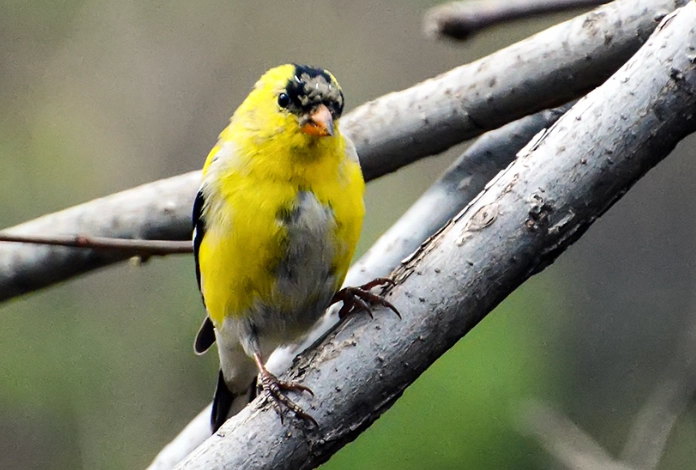
Answers to the Questions You're Probably Asking
Taking It to the Next Level and Final Thoughts
Once you get comfortable with the basics, a whole new layer of birding opens up. You start seeing not just species, but individuals with histories. That "dull" bird isn't just a boring female; it's a young male on its way to brighter colors. That mixed flock of blackbirds has a specific age structure. You begin to understand the calendar of a bird's life written on its feathers.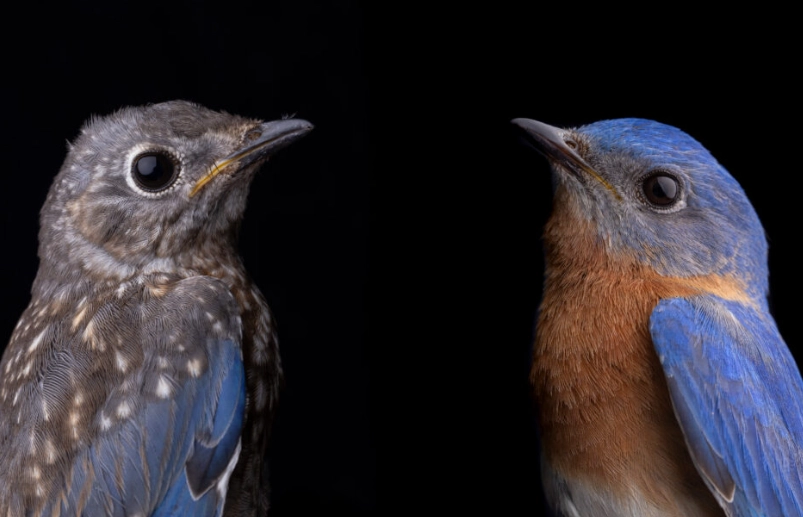
This skill is also a huge confidence booster. It moves you from relying solely on color and song (which can be variable or silent) to relying on a structural, physical characteristic that follows predictable rules. It demystifies those confusing, in-between plumages.
Is it easy? Not always. Some days the light is terrible, the bird won't sit still, and you'll feel like you're back at square one. I've spent whole mornings squinting at gull wings only to leave more confused than when I arrived. But the days when you nail it—when you look at a tricky bird, spot that line on the coverts or that contrast in wear, and confidently know its age—those days make it all worth it.
The goal of identifying birds through molt limits isn't to make birding a dry, technical exercise. It's the opposite. It's about looking closer, seeing more, and connecting more deeply with the lives of the birds you watch. It adds a rich layer of story to every sighting. So next time you're out, pick a familiar bird, slow down, and really look at its feathers. You might be surprised at the story they're waiting to tell.
Reader Comments