Ask someone to name a penguin, and they'll probably say "Emperor" or "the one from Happy Feet." But the world of penguins is far richer and more surprising. As someone who's spent years tracking them from the freezing Ross Sea to the sunny Galápagos, I can tell you the textbook facts often miss the quirks that make each species unique. For instance, most penguins don't live in Antarctica. Let that sink in. This guide isn't just a dry list; it's a deep dive into all 18 living penguin species, where to find them, and how to tell them apart—even when field guides get it wrong.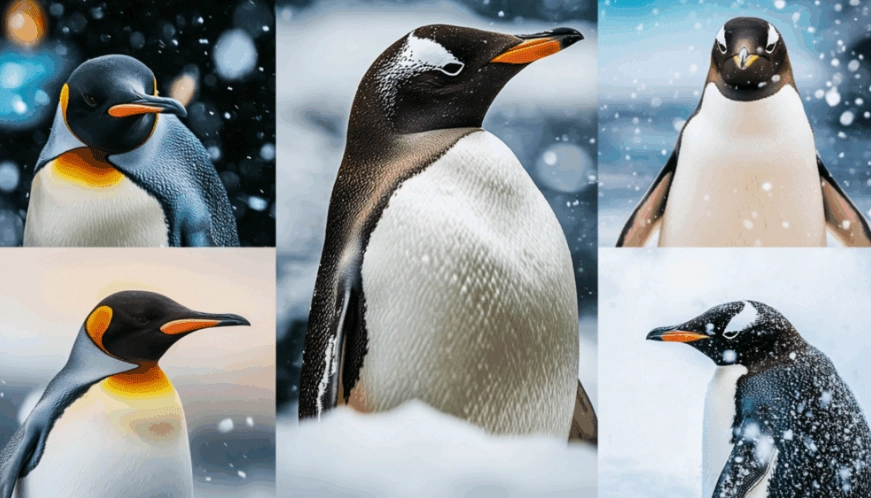
What's Inside This Guide
- How Many Penguin Species Are There? The Official Count
- Where Do Penguins Live? (Hint: Not Just Antarctica!)
- How to Identify Different Penguin Species: A Practical Guide
- Species Spotlight: From the Majestic to the Misunderstood
- Which Penguins Are Endangered? Understanding Conservation Status
- Your Penguin Questions, Answered
How Many Penguin Species Are There? The Official Count
Right now, the accepted number is 18. This isn't a random figure; it's based on the latest taxonomic work by bodies like the International Ornithologists' Union (IOU). Taxonomy can shift—the Royal Penguin has bounced between being a full species and a Macaroni subspecies—but 18 is the current, stable consensus.
Newcomers often get tripped up by subspecies. For example, the Northern and Southern Rockhopper are considered separate species by many, but some authorities list them as one. For clarity and to match most modern birding resources, we're sticking with 18. Trying to memorize them all at once is a headache. I find it easier to group them by region.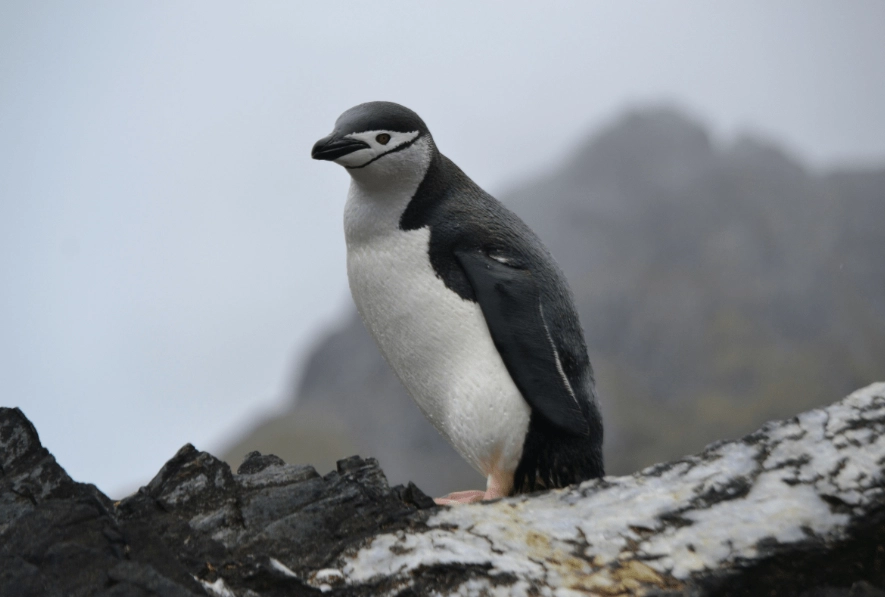
Where Do Penguins Live? (Hint: Not Just Antarctica!)
This is the biggest myth to bust. The Antarctic continent is home to only two year-round, exclusive residents: the Emperor and the Adélie. The iconic image of penguins on endless ice belongs to them.
The rest are spread across the Southern Hemisphere in what I call "penguin belts."
- The Cold Antarctic & Subantarctic Belt: This includes the continent, the Peninsula, and islands like South Georgia. Here you'll find the two above, plus Chinstrap, Gentoo, King, Macaroni, and Rockhopper penguins. South Georgia is insane—beaches so crowded with Kings and Fur Seals you must watch your step.
- The Temperate Belt: Think New Zealand, southern Australia, South Africa, and the southern coasts of South America. This is the most diverse zone. You've got the Little Blue, Yellow-eyed, Fiordland, Snares, Erect-crested, Magellanic, Humboldt, and African Penguins here. I've stood on Otago Peninsula in New Zealand watching Yellow-eyed penguins come ashore at dusk—a completely different vibe from Antarctica.
- The Tropical Belt: Yes, tropical penguins. The Galápagos Penguin lives right on the equator, surviving thanks to the cool Cromwell Current. Seeing one while snorkeling in warm water is a surreal experience.
So, planning a penguin-spotting trip? Your destination depends entirely on which species you want to see.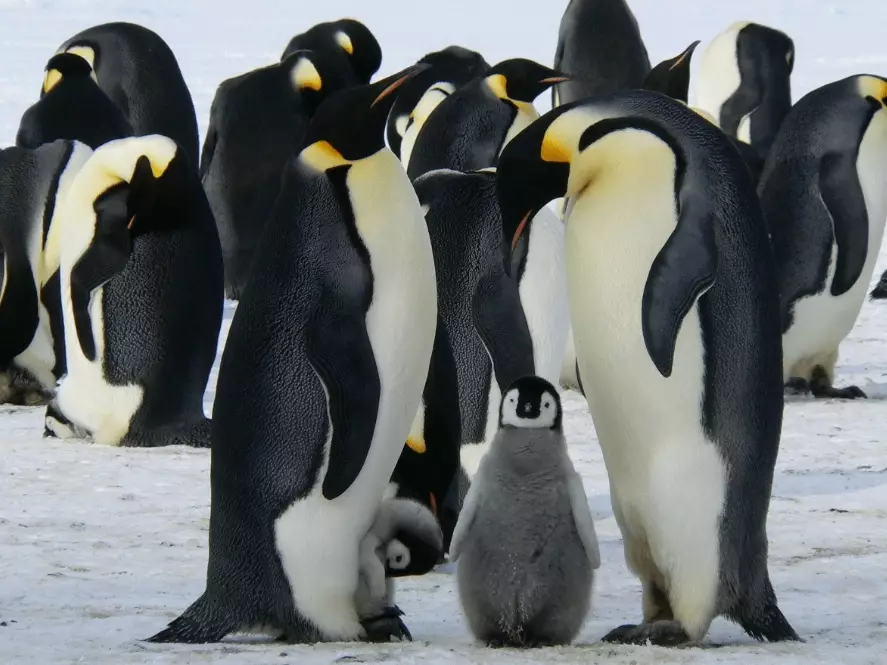
How to Identify Different Penguin Species: A Practical Guide
Field guides love detailed beak measurements, but in the field, with birds moving and weather changing, you need quick, reliable markers. Forget minute details. Look for these three things first:
- Head Markings: This is the fastest filter. Does it have a black "helmet" (Little Blue)? Bright yellow eyebrow plumes (any crested penguin)? A white ring around the eye (Adélie)? A single black band across a white chest (Humboldt, Magellanic, African)?
- Size & Stance: Is it knee-high (Little Blue) or chest-high (Emperor)? Does it stand very upright (King) or have a more hunched posture (Gentoo)?
- Location, Location, Location: You will never see a King Penguin in the Galápagos. Geography is your most powerful identification tool. If you're in South Africa, it's an African Penguin. On the Galápagos, it's a Galápagos Penguin.
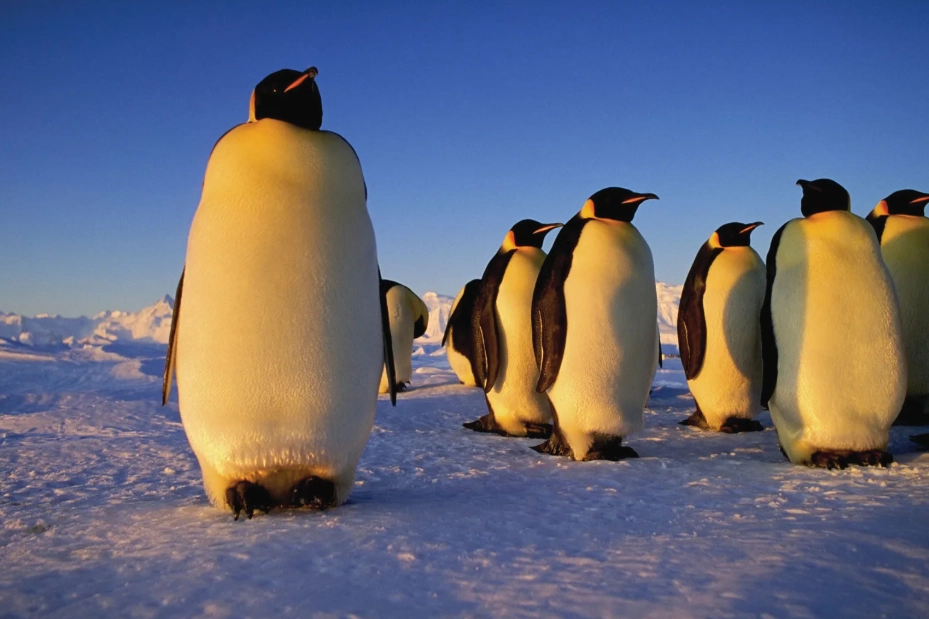
Let's apply this. The most common confusion is between King and Emperor Penguins. Both are large and have orange/yellow markings. Kings have vivid orange, tear-shaped patches on the sides of the head. Emperors have a softer, paler yellow that blends into white on the neck. Kings live on subantarctic islands; Emperors live on the Antarctic continental ice. If you're on grass, it's a King. If you're on sea ice in -30°C, it's an Emperor.
Species Spotlight: From the Majestic to the Misunderstood
Beyond the classics, some species deserve extra attention for their unique stories or the common mistakes people make about them.
The African Penguin: A Beach-Goer in Trouble
Formerly called the "Jackass Penguin" for its donkey-like bray, the African Penguin is the only penguin that breeds in Africa. You can see them at Boulders Beach near Cape Town, literally swimming next to tourists. Their population has crashed over 95% in the last century due to overfishing of sardines and anchovies (their main food) and habitat disturbance. Conservationists are doing heroic work, like creating artificial nests to protect chicks from the sun. Seeing them is easy; seeing their long-term future is harder.
The Yellow-eyed Penguin: The Rarest Forest Dweller
Native to New Zealand, the Hoiho (its Māori name) is one of the world's rarest penguins. It's not a beach penguin; it nests in coastal forests and scrub. Those striking pale yellow eyes and head band make it unmistakable. A critical mistake visitors make is getting too close. They are extremely sensitive to disturbance. If a nesting bird is approached, it often flees, leaving the egg or chick to overheat or be predated. Always use a hide or join a guided tour with a licensed operator.
The Galápagos Penguin: The Equatorial Survivor
It's a marvel of adaptation. To cope with heat, it has smaller size, less body fat, and breeds when water temperatures are coolest. It often stands with its flippers out to release heat and seeks shade in lava rock crevices. During strong El Niño events, when the cool current fails and fish disappear, their numbers can plummet. They're a living barometer for ocean health.
Which Penguins Are Endangered? Understanding Conservation Status
Not all penguins are in trouble, but many are. The International Union for Conservation of Nature (IUCN) Red List is the global standard. Here’s a snapshot of where the 18 species stand. This data pulls from the latest IUCN assessments.
| Species | IUCN Status | Primary Threats |
|---|---|---|
| Northern Rockhopper Penguin | Endangered | Food scarcity, pollution, habitat change |
| African Penguin | Endangered | Overfishing, oil spills, climate change |
| Galápagos Penguin | Endangered | Climate variability (El Niño), disease |
| Yellow-eyed Penguin | Endangered | Habitat loss, disturbance, disease |
| Erect-crested Penguin | Endangered | Unknown, likely food web changes |
| Fiordland Penguin | Endangered | Predation, disturbance |
| Emperor Penguin | Near Threatened | Climate change (sea ice loss) |
| Adélie Penguin | Least Concern | Currently stable, but regional declines |
| King Penguin | Least Concern | Currently stable |
See a pattern? The most threatened species are generally the ones living in the northern parts of the penguin range (like Africa, Galápagos, New Zealand), where they face intense human pressure and ecosystem changes. The Antarctic species, while facing the colossal threat of climate change, currently have larger populations. The Emperor Penguin was recently uplisted due to projected sea ice loss—a major concern. Supporting sustainable seafood choices and reputable conservation NGOs like BirdLife International can directly help many of these species.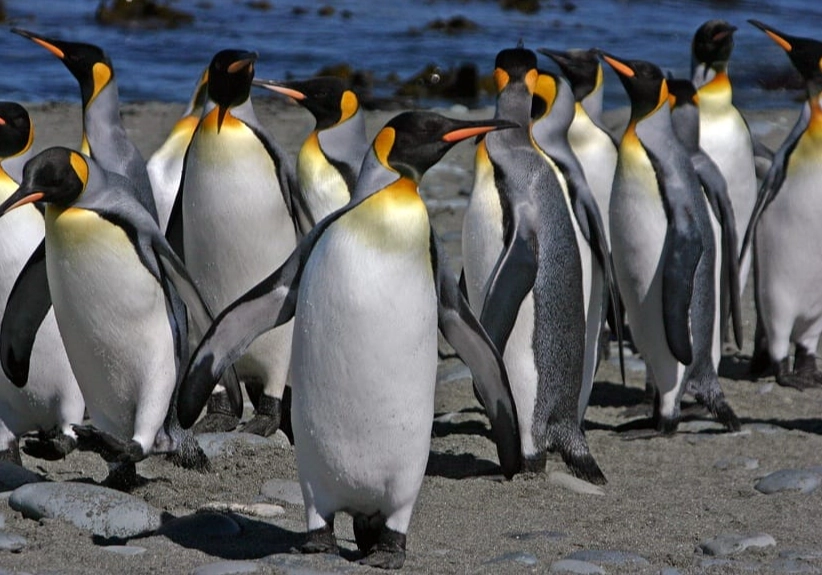
Your Penguin Questions, Answered
 Do all penguins live in Antarctica?
Reader Comments