In This Article
You know the feeling. You wake up on a bright June morning, coffee in hand, ready for the usual dawn chorus... and you're met with what feels like a library. A few faint chirps maybe, but that glorious, overwhelming symphony of spring? Gone. Vanished. It happens every year, and every year I find myself asking the same question: why do birds go quiet in summer?
It's not your imagination. That lull is real, and it puzzles a lot of birdwatchers, from beginners to old hands. I remember one July morning a few years back, sitting on my porch utterly convinced something was wrong with my local environment. Had pesticide use spiked? Was there a predator nearby? Turns out, I was just witnessing one of nature's most reliable, yet least talked-about, seasonal shifts.
The short answer is it's perfectly normal, and it's a sign of success, not failure. But the long answer—the real reason why do birds go quiet in summer—is a fascinating mix of biology, energy conservation, and pure practicality. It's less about them stopping and more about them switching gears entirely. Let's peel back the layers on this summer mystery.
The Main Culprits: It's Not Just One Thing
Pinpointing a single reason for the summer quiet is impossible. It's a perfect storm of factors, all hitting at once. Think of it like a busy parent after the kids are finally in bed—the frantic, noisy work of getting them there is done, and now it's time for quieter, more focused tasks. For birds, the screaming-loud work of spring (attracting mates and defending territory) is largely over.
Reason 1: The Breeding Cycle Shifts Gears
This is the big one. Spring is all about shouting from the rooftops. Male birds sing their hearts out for two critical reasons: to attract a mate and to tell every other male in a five-mile radius to BACK OFF from their chosen patch of trees. It's exhausting, high-stakes advertising.
Come summer, for many species, the job is done. The pair has bonded, the nest is built. Now, the priority isn't finding a family, it's raising one. Loud, frequent singing would be counterproductive. Why?
- Stealth Mode: Constant noise from the parents is like a giant "FREE FOOD HERE" sign for predators like hawks, snakes, raccoons, and even other birds (I'm looking at you, crows and jays). Silence helps keep the nest's location a secret.
- Energy Redirect: Singing takes a huge amount of energy. That energy is now desperately needed for foraging—not for oneself, but for a hungry, gaping-mouthed brood of chicks that seem to be nothing but stomachs with feathers. A parent bird might make hundreds of feeding trips a day. There's simply no fuel left for concerts.
So, when you're wondering why do birds go quiet in summer, the first place to look is the nest. That silence is the sound of parental dedication.
Reason 2: The Great Summer Meltdown (Molting)
I've seen cardinals and blue jays looking downright ratty in August, sitting puffed up and silent. It's not illness; it's just the annual wardrobe change. This period of vulnerability and energy drain is a key piece of the puzzle explaining why birds go quiet in summer's later months.
Reason 3: It's Just Too Darn Hot
Let's be real. On a blistering 95-degree afternoon, do you feel like running around yelling? Neither do birds. High temperatures force birds to adopt energy-saving behaviors.
- Singing generates body heat.
- Active foraging during the peak heat is less efficient—insects are hiding, and the bird risks overheating.
So, they become crepuscular—most active at dawn and dusk when it's cooler. The midday world falls into a heat-induced siesta, and bird song is a primary casualty. You'll notice the most profound silence in the hot afternoon hours. They're not gone; they're just resting in the shade, panting to cool down like a tiny, feathered dog.
Heat changes everything.
Reason 4: Food Source Changes and Post-Breeding Dispersal
Spring's food bonanza (caterpillars on young leaves, abundant insects) often wanes or changes form by midsummer. Birds may need to travel wider, quieter routes to find enough food, breaking up the dense, noisy territories of spring.
Furthermore, once fledglings leave the nest, family groups often roam more widely together. The intense, location-specific territorial defense of spring isn't as necessary, so the constant "this is mine!" singing diminishes. The woods become less of a patchwork of fiercely defended solo stages and more of a communal, if quieter, foraging ground.
Not All Birds Follow the Script: The Summer Singers
Here's where it gets interesting. While many classic backyard birds (robins, cardinals, finches) do quiet down, the rule isn't universal. Some birds are just getting started or have different schedules.
| Bird Type / Species | Summer Vocalization Pattern | Primary Reason |
|---|---|---|
| American Robin | Significantly reduced. Dawn song may persist, but daytime singing drops sharply. | Focused on feeding young, less territorial defense needed. |
| Northern Cardinal | Song decreases but may continue sporadically, especially in early summer. Females also sing! | Pair bonding and occasional territory reminders. |
| House Wren | Can remain surprisingly vocal, often scolding near the nest. | High-strung nest defense and communication. |
| Goldfinches | They are the late-shift singers! Often most vocal in mid-to-late summer. | They nest very late (July-August), synchronized with thistle seed abundance. Their breeding season is just kicking in. |
| Mourning Dove | Their soft cooing can be heard all summer, almost year-round. | Multiple broods, less energetically costly vocalization. |
| Chimney Swifts & Swallows | High-pitched chittering in flight continues. | Flight calls for flock cohesion while aerial insect hunting. |
See? The story isn't "birds are quiet." It's that the cast of singers changes. You stop hearing the spring soloists and start hearing the late-breeding ensembles and the constant background players. If you feel like birds go quiet in summer, try specifically listening for goldfinches in late July. You might be surprised.
Is the Summer Silence a Bad Sign? (Spoiler: Usually No)
This is a major concern for many nature lovers, and it's worth addressing head-on. We hear about bird population declines (which are very real and concerning), and when we notice the summer quiet, our minds jump to the worst conclusion.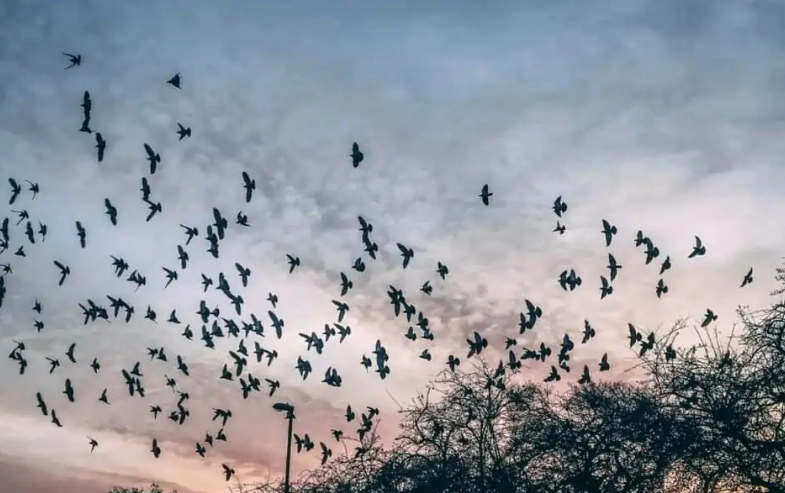
Most of the time, the seasonal lull is 100% natural. It's a sign of a healthy transition in the breeding cycle. However, it's also true that a noticeable change in your specific location from one summer to the next could be a local red flag. The key is knowing what's normal seasonal quiet versus abnormal absence.
How to Tell the Difference:
- Normal Seasonal Quiet: You still see adult birds foraging, especially in the cooler parts of the day. You might hear contact calls (short chips) or alarm calls. You see fledglings following parents, begging for food. The activity is there, just less noisy.
- Potential Problem: You see no birds. No foraging, no fledglings, no alarm calls when a cat walks through. Feeders are untouched for days. This, combined with a lack of spring song, could indicate a local issue like habitat loss, pesticide use, or a predator boom.
For broader population trends, scientists rely on massive datasets from surveys like the North American Breeding Bird Survey, run by the US Geological Survey and the Canadian Wildlife Service. This long-term data is what tells us about true declines, not the anecdotal summer quiet. So, while it's good to be observant, don't panic at the natural summer slowdown.
How to Enjoy Birding in the "Quiet" Season
If you're a birdwatcher, summer can feel like a letdown after the spring migration fireworks. But it's actually a fantastic time to hone different skills. You stop just listening and start really looking and understanding.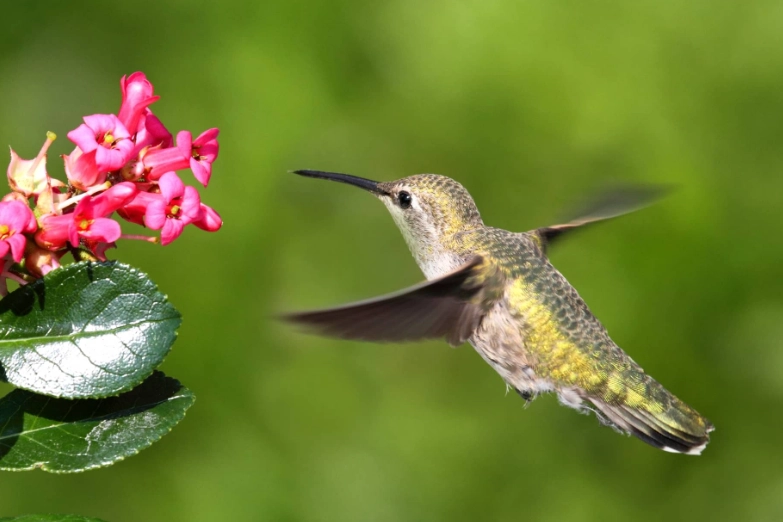
Focus on Behavior, Not Just Song
Watch for fascinating family dramas. A harassed robin parent with three streaky, spotted fledglings in tow, all begging relentlessly. A young blue jay, with its ragged tail, clumsily trying to crack a peanut. A silent woodpecker methodically working a tree limb. Summer birding is behavior-watching at its best.
Listen for Different Sounds
The full-song may be over, but the soundscape is rich with other clues:
- Contact Calls: Soft, short "chip" notes birds use to stay in touch with mates or fledglings. Learning these can help you locate hidden families.
- Begging Calls: The incessant, wheezy, whiny calls of fledglings. Once you know it, you'll hear it everywhere.
- Alarm Calls: Sharp, repetitive outbursts that mean a predator is near. A great way to find owls or hawks hiding in the trees.
Target the Late Singers
Make a point to find areas with goldfinches, late-nesting song sparrows, or listen for the haunting, twilight song of the wood thrush, which can sing into early summer.
Your Questions Answered: The Summer Bird Silence FAQ
So, the next time you step outside on a still, hot August day and notice the hush, you'll know. It's not an empty silence. It's a busy, purposeful, and vital silence. It's the sound of feathers growing, of beaks being stuffed with caterpillars, of fledglings mastering flight in the dappled light below the canopy. The raucous spring party is over, and the hard, rewarding work of summer is underway. And understanding why do birds go quiet in summer makes you not just a listener, but a true witness to the cycle.
It turns a moment of worry into a moment of connection. And that's a pretty good trade.
Reader Comments