Birding in the Andes isn't just a hobby; it's an expedition into thin air, where evolution has painted wings with fire and woven songs from the wind. Forget the gentle parks and backyard feeders. Here, you're tracking giants that ride thermals at 5,000 meters and hummingbirds that duel over flowers on sheer cliff faces. I've spent years chasing feathers across this spine of South America, and I can tell you, the magic is real—but so are the challenges. This guide cuts through the postcard perfection to give you the real, gritty, exhilarating details on finding the birds of the Andes Mountains.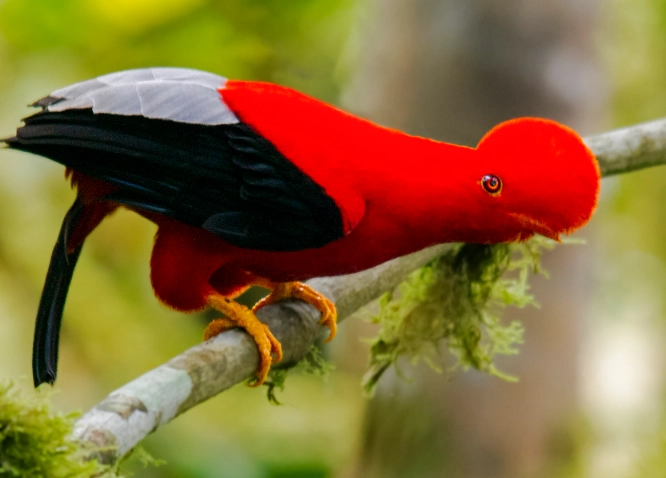
Your Quick Route Through This Guide
Where to Find Andean Birds: Top 5 Destinations
You can't just look up. The Andes stretch 7,000 km. Picking the right valley, the right slope, is everything. These aren't just parks; they're entire ecosystems stacked on top of each other.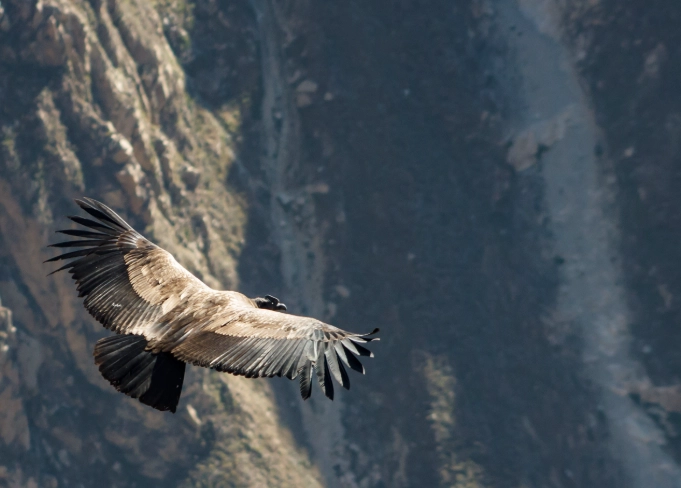
1. Manu Road, Peru
This is the holy grail. A single dirt road drops from high Andean puna grasslands at 4,000m down into Amazonian lowland forest. The bird list is staggering—over 1,000 species. You'll start the day with Diademed Sandpiper-Plovers in bogs and end it watching Cock-of-the-rock leks. Acjanaco Pass is the key starting point. You need a guided tour here; logistics are complex. It's not cheap, but for sheer density of Andean birds, nothing beats it.
2. Ecuador's Avenue of the Volcanoes
Efficiency defined. Between the volcanoes Cotopaxi and Antisana, you can hit multiple life zones in a day. Antisana Ecological Reserve is where you go for Andean Condors—sometimes dozens circling the cliffs by the lagoon. Yanacocha Reserve on the slopes of Pichincha is a hummingbird paradise with easy trails. The infrastructure is good, distances are manageable, and local guides are excellent. Perfect if you have limited time but want high-impact sightings.
3. Bogotá's Eastern Andes, Colombia
A surprise hotspot. Just an hour from a megacity of 8 million, the cloud forests of Chingaza National Park and the private reserves near San Francisco (like Observatorio de Colibríes) hold incredible endemics. The near-mythical Bogotá Rail lives in highland marshes here. The birding community is passionate and welcoming. Combine this with the Central Andes around Manizales for a full spectrum.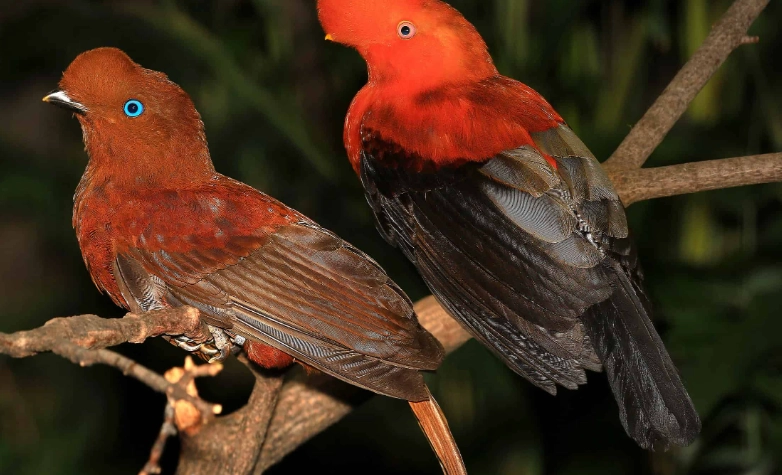
4. The Polylepis Forests, Bolivia & Peru
This is specialist birding. Polylepis is a gnarled, high-altitude tree that forms isolated woodland islands above the treeline. They're arks for rare birds. Spotting the critically endangered Royal Cinclodes or the stunning Giant Conebill here feels like a treasure hunt. Sites like Abra Málaga (Peru) or the trails above Comarapa (Bolivia) require more effort and patience. The scenery—ragged trees against stark peaks—is unforgettable.
5. Patagonian Andes, Chile & Argentina
A different vibe. Here, the Andes meet temperate rainforests and fjords. Look for the majestic Andean Condor (of course), but also the Magellanic Woodpecker—a striking, crow-sized bird in black and crimson. Torres del Paine National Park is the iconic location. Birding is often mixed with general trekking. It's less about ticking a huge list and more about dramatic encounters in epic landscapes.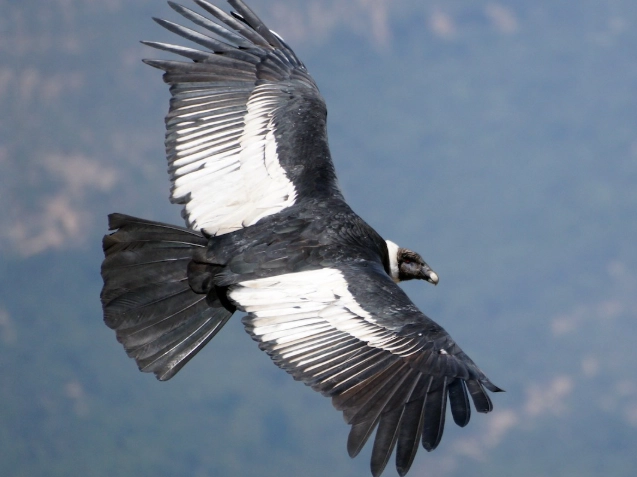
Top 5 Must-See Andean Bird Species
It's a long list. But these five create the core memories, the stories you tell for years.
| Bird | Where to Find It | Why It's Special | Difficulty |
|---|---|---|---|
| Andean Condor | Colca Canyon (Peru), Antisana (Ecuador), Patagonia. | The world's largest flying bird by wingspan. Watching it soar without a single wingbeat is a lesson in mastery. | Medium. Needs specific lookout points and patience, but reliable at known sites. |
| Sword-billed Hummingbird | Cloud forests from Venezuela to Bolivia. Common at feeders in places like Yanacocha (Ecuador). | Its bill is longer than its body. An evolutionary marvel that looks impossible as it hovers. | Easy (at feeders). Hard (in the wild). |
| Torrent Duck | Fast-flowing, rocky rivers throughout the Andes. | A stunning duck that lives in whitewater rapids. Males are patterned in black, white, and chestnut. Seeing them navigate torrents is thrilling. | Medium. Need to find the right river sections and scan carefully. |
| Andean Cock-of-the-rock | Cloud forests. Famous leks near Manu (Peru), Cusco, and in Ecuador. | The male is a shocking, neon orange. Their communal mating displays (leks) are one of the Andes' greatest wildlife spectacles. | Easy at known lek sites. Arrive at dawn. |
| Diademed Sandpiper-Plover | High-altitude bogs and marshes above 4,000m. | A stunningly patterned, chunky shorebird that lives nowhere else. A true prize of the high puna. | Hard. Requires visiting specific, often remote, bog habitats. |
My personal favorite? The Torrent Duck. It's not the flashiest, but it embodies the rugged, adaptive spirit of the Andes better than any other bird.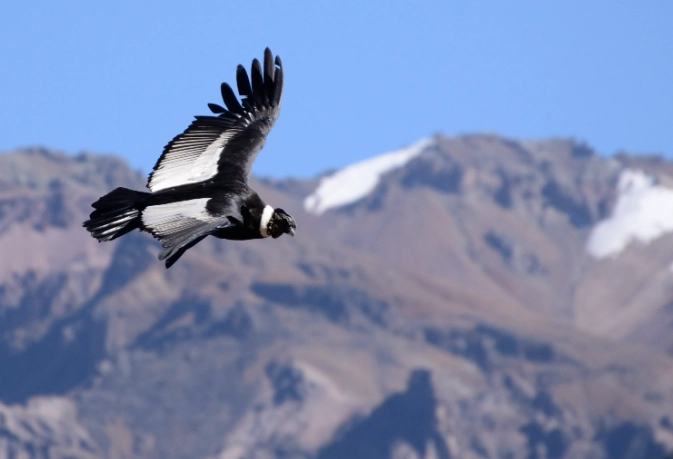
How to Adapt to High-Altitude Birding
This is the non-negotiable. Altitude sickness can ruin your trip. It's not about fitness; it's about physiology.
The Golden Rule: Ascend slowly. If you fly into a high-altitude city like Cusco (3,400m) or La Paz (3,650m), plan for at least two nights of minimal activity there. Don't even think about a serious hike on day one. Drink water like it's your job—3-4 liters a day. Avoid alcohol and heavy meals.
A subtle mistake I see: people focus on their lungs but forget their eyes. The light at altitude is brutally intense. Sunglasses aren't a fashion item; they're critical gear. Squinting for hours leads to headaches and fatigue, making it hard to focus those binoculars on a distant speck.
Listen to local remedies. Coca tea is widely available and does help with mild symptoms. Don't be shy about it. If you feel persistent headache, nausea, or dizziness, the only cure is to descend. Have a flexible itinerary that allows for this.
Essential Gear for Andean Birdwatching
Forget the standard checklist. Pack for a mountain expedition that happens to involve birds.
- Binoculars: 8x42 or 10x42. You need light-gathering power for dim cloud forests and distant scans across valleys. Image stabilization is a luxury that becomes a necessity if you're shaky from altitude or cold.
- Layered Clothing: Merino wool base layers, a fleece, a puffy jacket, and a waterproof/windproof shell. Temperatures can swing from freezing at dawn to warm by midday.
- Sun Protection Armory: SPF 50+ sunscreen, SPF lip balm, a wide-brimmed hat, and polarized sunglasses. Trust me.
- Footwear: Sturdy, broken-in hiking boots with good ankle support. Trails are often muddy, rocky, or steep.
- Backpack: With rain cover. Carry water, snacks, layers, and your camera gear.
- Power Bank: Cold drains phone batteries fast. You'll need your phone for GPS, photos, and birding apps.
Common Mistakes First-Time Visitors Make
I've made some of these myself. Learn from them.
Trying to cover too much ground. The Andes are vast. Picking one or two regions and exploring them deeply yields more birds and less stress than a frantic cross-country dash.
Underestimating travel times. Google Maps lies. A 100km journey on mountain roads can take 4 hours. Build in buffer time.
Going without a local guide for key targets. Yes, it's an expense. But a good guide knows the exact tree where the antpitta comes for worms, the call of the rare tapaculo, and the safe paths. They multiply your success rate tenfold. For remote areas like Manu or Polylepis forests, they are essential.
Ignoring the small stuff. Everyone wants the condor. But the real diversity is in the hummingbirds, the flycatchers, the tanagers. Take time to appreciate the fog-drenched cloud forest flock, a swirling mass of a dozen small species. That's the Andes' true heartbeat.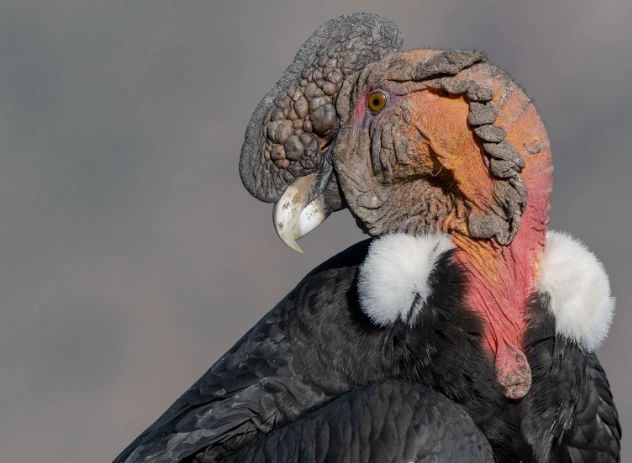
Your Andean Birding Questions Answered
What is the best time of year to see birds in the Andes Mountains?
The dry season, generally from May to October, is ideal. Trails are accessible, skies are clearer, and many species are active. However, if you're targeting specific migrants or want to avoid crowds, the shoulder months of April or November can be excellent. Avoid the peak rainy season (December-March) in many areas, as heavy downpours can make travel difficult and birds less visible.
What essential gear do I need for high-altitude birding in the Andes?
Beyond standard birding gear, prioritize high-altitude essentials. A quality pair of binoculars with good light gathering (e.g., 8x42 or 10x42) is non-negotiable. Pack layered clothing for drastic temperature swings, strong sunscreen, and lip balm. Most importantly, bring a wide-brimmed hat and polarized sunglasses. The sun at 4,000 meters is brutal, and squinting for hours ruins the experience and makes spotting distant birds nearly impossible.
How can I acclimatize to the altitude for birdwatching?
Don't rush. Spend at least 24-48 hours in a mid-elevation city like Cusco or Quito before heading higher. Go slow, stay extremely hydrated (avoiding alcohol), and eat light, carb-heavy meals. Listen to your body; a mild headache is common, but if symptoms worsen, descend. A classic mistake is planning a strenuous high-altitude hike on your first full day. Schedule easier, lower-elevation birding for your initial outings.
Is it safe to go birdwatching alone in remote parts of the Andes?
It carries risks. Remote trails can be poorly marked, weather can change fast, and help is far away. Hiring a local guide is the single best investment for safety and success. They know the terrain, bird calls, and exact locations for target species. If you must go solo, always inform someone of your planned route and return time, stick to established trails, and carry a fully charged phone, power bank, and basic first aid. The solitude is tempting, but the mountains demand respect.
Birding the Andes changes you. It's humbling and exhilarating in equal measure. It's about more than a list; it's about connecting with a landscape that forces life to its extremes, resulting in some of the most spectacular birds on the planet. Do your planning, respect the altitude, and go with open eyes. The condors are waiting.
Reader Comments