Most people see pigeons and think "flying rat." I get it. For years, I did too. Then I actually spent time with them. The pigeon staring you down for a breadcrumb in the park is just one chapter in a story that involves war heroes, athletic champions, and some of the most affectionate pets you could imagine. We've massively underestimated these birds. This isn't just about bird facts; it's a guide to understanding a creature that's been our neighbor, our tool, and for some of us, our passion.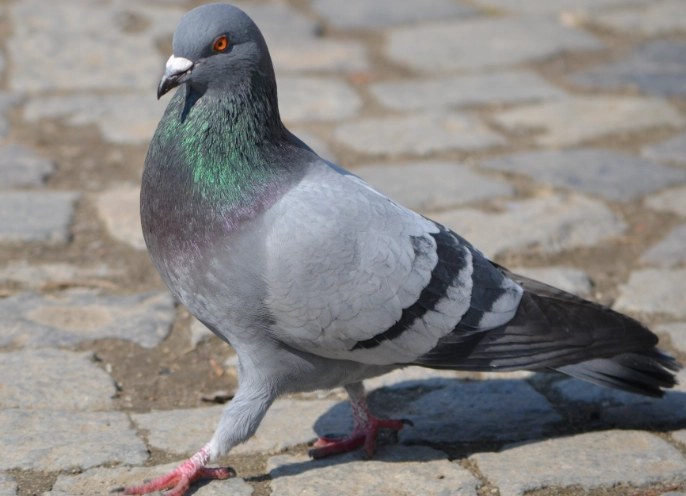
What's Inside This Guide
Understanding Pigeon Behavior and Biology
Let's start with the basics. The pigeon you know is the Rock Dove (Columba livia domestica). Every single feral city pigeon is a descendant of domesticated birds. They didn't invade our cities; we brought them here, then let them go. That's key to understanding their comfort around us.
Their famous homing ability isn't magic. Research suggests they use a combination of a sun compass, sensitivity to the Earth's magnetic field, and an incredible mental map of visual landmarks. Studies referenced by the Cornell Lab of Ornithology point to magnetite in their beaks as part of this complex navigation system. They're essentially flying supercomputers with feathers.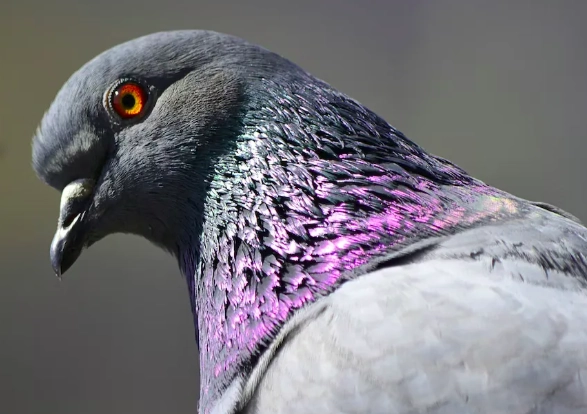
Their cooing and head-bobbing? That's serious communication. Males coo to attract mates and claim territory. The head bob while walking helps with depth perception and stability. Watch a pigeon closely next time. That jerky walk is a highly efficient way for them to see their world in 3D.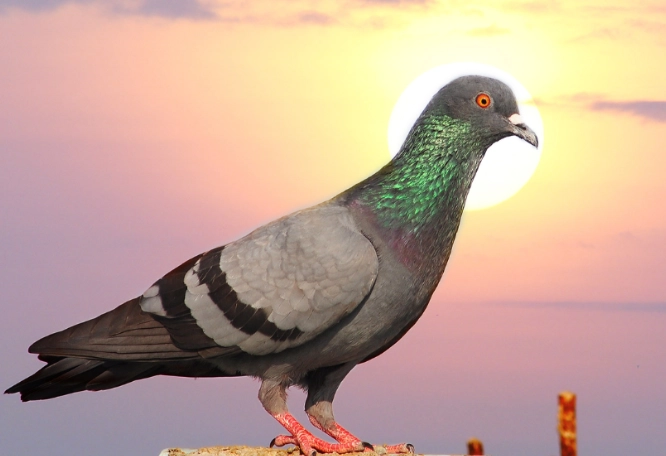
How to Care for Pet Pigeons (The Complete Setup)
Thinking about a pet pigeon? Forget everything you know about parakeets. Pigeons are ground-feeding, flock-oriented birds that are surprisingly low-maintenance and deeply social. I've kept them for a decade, and their calm demeanor is a welcome change from screechy parrots.
Choosing Your Pigeon: Breed and Source
You have options. Fancy breeds like Fantails or Tumblers are showstoppers but can have health issues. Utility breeds (King, Homer) are robust. My personal recommendation for a first-time owner is a rescued pigeon from a shelter or a common "roller" type from a reputable breeder. They're hardy, personable, and less prone to the foot problems some fancy breeds get. Avoid pet stores; they rarely source birds ethically.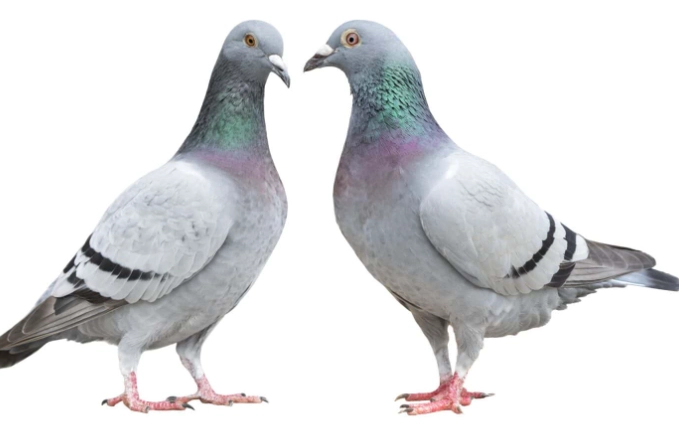
The Non-Negotiables: Housing and Diet
They need space to walk and flap. A large dog crate can work temporarily, but a proper loft or aviary is best—at least 4 feet wide for a pair. Line it with pine shavings, not cedar (the oils are toxic).
Food is where many go wrong. Bread is terrible. A proper pigeon diet is a mix of grains: corn, peas, wheat, sorghum, and a bit of safflower. You can buy pre-mixed pigeon feed. They also need grit (small stones) to grind food in their crop and fresh water daily. A common mistake is using a water dish they can foul; get a poultry fountain.
First-Year Cost Breakdown (Approximate)
- Initial Setup (Loft/Crate, Feeders, Waterers): $150 - $300
- Two Pigeons (from breeder/rescue): $20 - $100
- Monthly Food & Bedding: $15 - $25
- Annual Vet Check (Find an avian vet!): $75 - $150
It's cheaper than a dog, but the vet part is crucial. Avian vets are specialists, not all vets will see them.
Daily Routine and Bonding
They thrive on routine. Fresh water in the morning, feed twice a day (they'll eat what they need), and a quick clean of the droppings. To bond, spend time sitting quietly in their space. Offer treats from your hand (safflower seeds are a favorite). They may never be "cuddly" like a mammal, but a pigeon that coos softly when you enter the room and follows you around is a deeply rewarding companion.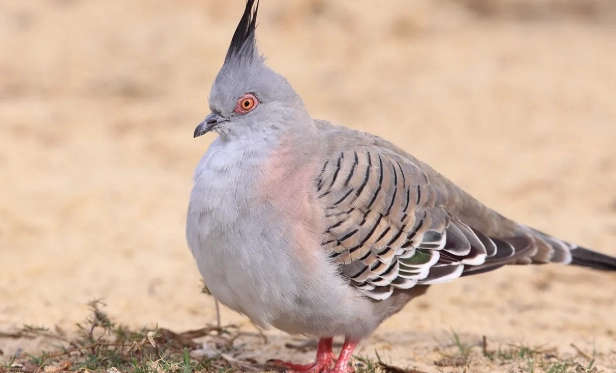
The World of Racing and Homing Pigeons
This is where pigeons shift from pet to athlete. Racing pigeons is a global sport with a fiercely dedicated community. It's not just letting a bird go and hoping it comes back. It's a science.
Young birds are "tossed" from gradually increasing distances to build their map and confidence. Timing is everything. When a bird returns from a race, its owner removes a unique rubber band from its leg and places it into a sealed clock that records the time down to the second. Speed is calculated based on distance flown and time taken. Organizations like the American Racing Pigeon Union standardize the rules.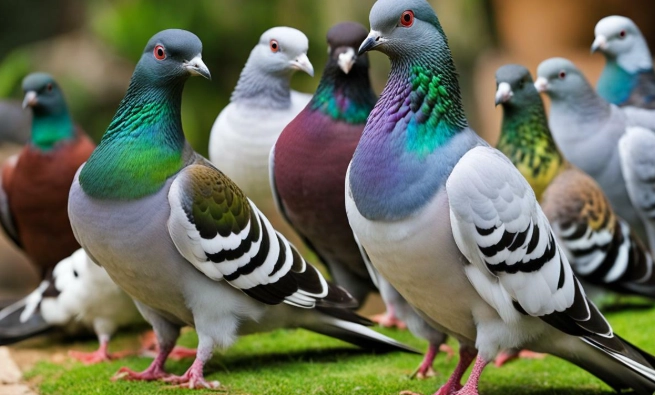
| Race Category | Typical Distance | Key Challenge |
|---|---|---|
| Sprint | 100 - 200 miles | Pure speed, avoiding local predators. |
| Middle Distance | 200 - 400 miles | Endurance and navigation over unfamiliar terrain. |
| Long Distance | 400 - 600+ miles | Survival. Facing weather, fatigue, and hawks. |
The biggest misconception? That you just buy a homing pigeon and it flies home. Genetics are maybe 40% of it. The rest is loft management, health, training, and a bit of luck. A top racing pigeon can be worth tens of thousands of dollars. Most fanciers, though, are in it for the thrill of seeing a tiny dot on the horizon become their bird, returning from hundreds of miles away against all odds.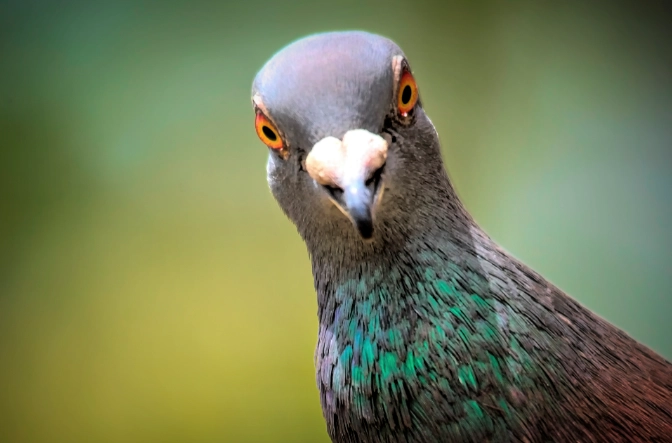
Living with Urban Pigeons: Problems & Solutions
Back to the "flying rat" problem. I sympathize with homeowners and business owners. Droppings are acidic and damage buildings. Nests can clog drains. The solution isn't cruelty; it's intelligent deterrence.
Why they choose your building: It mimics a cliff face (their natural home), has ledges (nesting sites), and people might be feeding them nearby.
Effective, Humane Solutions:
- Spike Strips: The classic. Get the stainless-steel ones; plastic degrades.
- Bird Netting: For larger areas like courtyards or loading docks. It's the most complete physical barrier.
- Gel Repellents: Create a sticky, uncomfortable surface. Reapply as needed.
- The Most Important Step: Remove the food source. Secure trash cans. Discourage public feeding (it often takes local ordinance enforcement). No food, no flock.
Poison and trapping often just create a vacancy that a new flock fills. Deterrence and habitat modification provide a long-term fix. It's about making your property less attractive than the one down the street.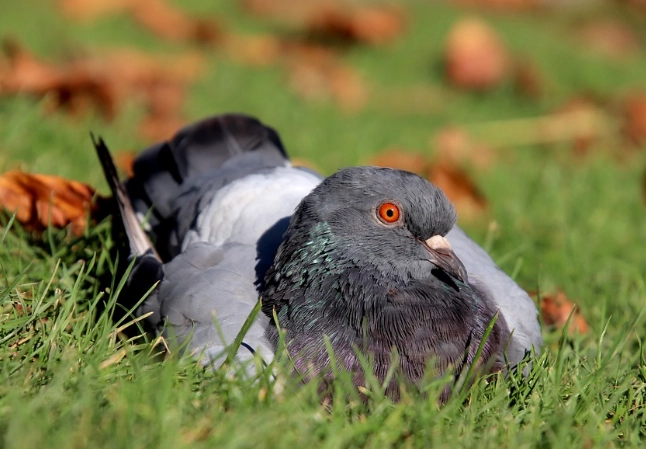
Reader Comments