If you're dreaming of vibrant feathers against turquoise waters, the Caribbean islands are a birdwatcher's paradise. I've spent years exploring these islands, from the rainforests of Puerto Rico to the dry forests of Bonaire, and let me tell you—it's not just about the postcard views. The birdlife here is a mix of endemics you won't find anywhere else, migrants passing through, and species that have adapted in surprising ways. This guide dives deep into what makes Caribbean birds special, where to spot them, and how to make your trip count.
What's Inside This Guide
The Unique Avian Life of the Caribbean
You might think all tropical birds look alike, but the Caribbean has its own cast of characters. Endemic species—birds found only here—are the real stars. Take the Jamaican Tody, for example. It's a tiny, green-and-red bird that hovers like a hummingbird but belongs to a different family. I first saw one in the Blue Mountains of Jamaica, and it was so quick I almost missed it. That's the thing: Caribbean birds can be elusive.
Then there are the migrants. From November to April, warblers, shorebirds, and raptors from North America stop by. It's like a seasonal bonus. But the locals, the endemics, are what draw serious birders. Here's a quick rundown of some must-sees:
- Puerto Rican Parrot: Once nearly extinct, now rebounding in El Yunque National Forest. Spotting one feels like winning the lottery.
- Antillean Crested Hummingbird: Common on many islands, but its iridescent colors pop in the right light.
- Grenada Dove: Critically endangered, with maybe 200 left. It's a reminder of how fragile these ecosystems are.
Why does this matter? For birders, it's about ticking off rare species. For casual travelers, it adds depth to a beach vacation. But here's a non-consensus point: many guides overhype the "easy" spots. In reality, even common birds like the Bananaquit can be tricky to photograph because they're always moving. I've seen people spend hours chasing one in Barbados, only to get blurry shots.
Endemics vs. Migrants: A Quick Comparison
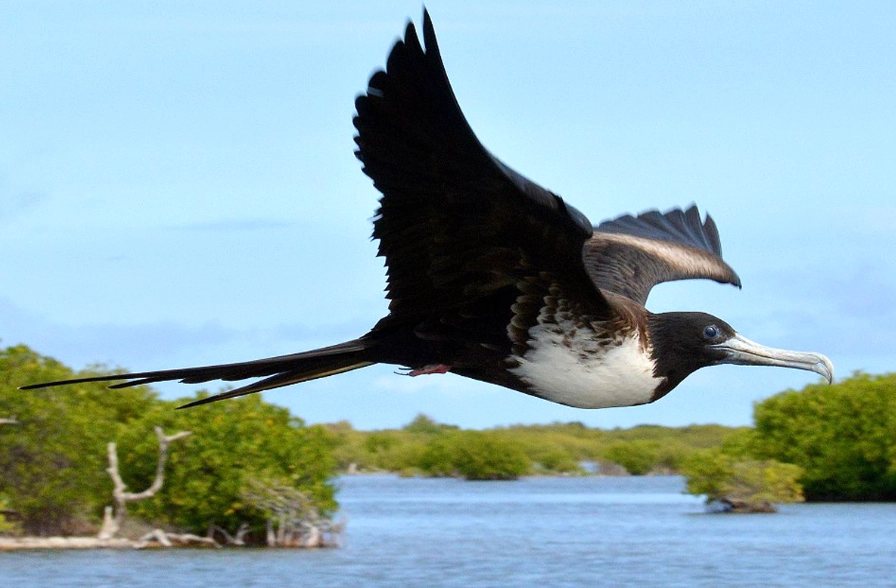
Endemics are year-round residents, adapted to specific islands. Migrants are tourists, here for the weather and food. The mix creates a dynamic scene—you might see a Palm Warbler (a migrant) feeding next to a St. Lucia Oriole (an endemic) in the same tree. But don't assume all bright birds are endemics; some, like the Magnificent Frigatebird, range widely across the Americas.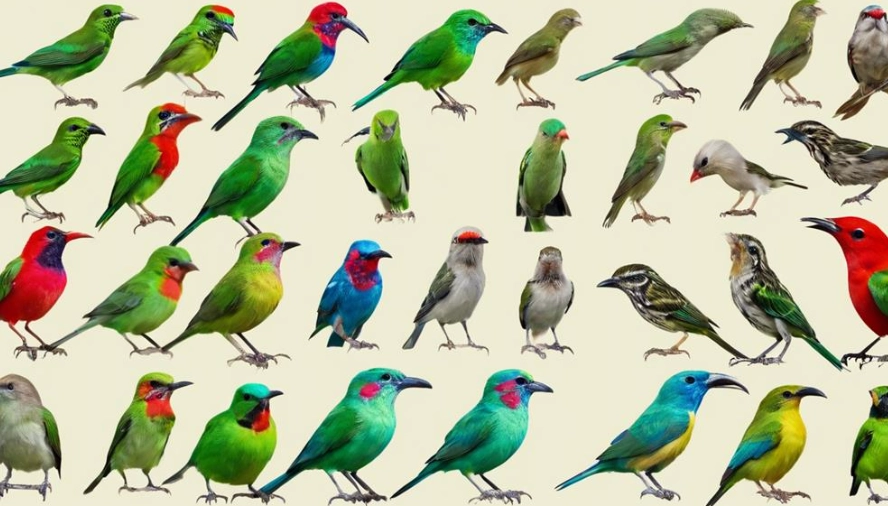
Top Birdwatching Destinations Across the Islands
Choosing where to go can be overwhelming. Each island has its highlights, but some spots stand out for accessibility and diversity. I've based this on my own trips and reports from local birding groups like the Caribbean Birding Trail.
Let's break it down by island, with practical details. These aren't just pretty places—they're locations where you'll actually see birds without a huge hassle.
| Island | Top Spot | Address/How to Get There | Best Time to Visit | Key Species to Spot |
|---|---|---|---|---|
| Puerto Rico | El Yunque National Forest | Route 191, Río Grande, PR. Drive from San Juan (1 hour). Parking available near the visitor center. | Early morning, year-round. Dry season (Dec-Apr) for clearer trails. | Puerto Rican Parrot, Puerto Rican Tody, Elfin-woods Warbler |
| Jamaica | Blue and John Crow Mountains | Access via Kingston. Guided tours recommended; roads can be rough. Entry fees around $10 USD. | Sunrise to avoid afternoon clouds. November to March for migrants. | Jamaican Tody, Streamertail Hummingbird, Jamaican Owl |
| Trinidad and Tobago | Asa Wright Nature Centre | Spring Hill Estate, Arima, Trinidad. Book in advance; day passes ~$15 USD. Taxi from Port of Spain. | Year-round, but peak bird activity at dawn. Avoid rainy season (June-Dec) for comfort. | Oilbird, Tufted Coquette, Channel-billed Toucan |
| Bonaire | Bonaire National Marine Park (shore areas) | Multiple access points along the coast. Rent a car or bike; no entry fee for most areas. | Morning or late afternoon. December to April for flamingos and shorebirds. | American Flamingo, Yellow-shouldered Parrot, Caribbean Coot |
I remember a trip to the Asa Wright Centre—the veranda overlooks a feeding station where birds swarm like clockwork. It's almost too easy, but that's the point for beginners. For a challenge, try the remote trails in Dominica's Morne Trois Pitons National Park. You'll need a guide, but the payoff is sightings of the Imperial Parrot, a bird I missed twice before finally seeing it on a misty morning.
Transport tips: On smaller islands like Bonaire, renting a car is cheap (around $30/day) and lets you explore at your own pace. In Puerto Rico, ride-sharing apps work well near cities, but for El Yunque, a rental car is better. Always check local conditions; after hurricanes, some trails might be closed.
Lesser-Known Gems
Don't overlook spots like the Grenada Dove Sanctuary in Grenada. It's a small, protected area near the coast, but the dove is so rare that sightings are rare too. Go with a local guide—they know the bird's habits. Another gem is the Barbuda Warbler on Barbuda; after Hurricane Irma, its population dropped, but recent reports show recovery. These places aren't on every tourist map, which means fewer crowds and more authentic experiences.
Essential Gear and Skills for Caribbean Birding
You can't just show up with any binoculars and expect to see everything. The Caribbean environment throws curveballs: humidity, dense foliage, and bright sun. From my experience, here's what works and what doesn't.
First, binoculars. I used to carry heavy 10x50s, but they're overkill for most Caribbean birds. A lightweight pair like 8x42 binoculars is ideal—they're easier to hold steady in humid heat. Brands like Vortex or Nikon offer good mid-range options. For photography, a DSLR with a 300mm lens is the minimum. I've seen people try with smartphones, but unless you're at a feeder, you'll miss details.
Pro tip: Pack a waterproof bag for your gear. Sudden rain showers are common, especially in rainforests. I learned this the hard way when my camera got soaked in Trinidad—thankfully, it survived, but it ruined a day of shooting.
Skills matter more than gear, though. Identification is tricky because many birds look similar. Use calls to differentiate; the Caribbean Elepaio in Puerto Rico has a distinct whistle, while the similar-looking flycatchers are quieter. Apps help, but don't rely solely on them. I've had Merlin Bird ID mislabel a Black-faced Grassquit as a sparrow—it's a common error due to regional variations.
Another skill: patience. Birds here aren't always cooperative. In the dry forests of Bonaire, I spent three hours waiting for a Yellow-shouldered Parrot to appear. It finally did at dusk, when the light was fading. That's another thing—timing is everything. Early mornings (6-9 AM) are golden hours for activity and light. Afternoons can be slow, especially in the heat.
Photography Challenges and Solutions
Bird photography in the Caribbean isn't just about snapping pretty pictures. The light can be harsh, creating shadows that hide colors. Use a polarizing filter to reduce glare, especially near water. For forest birds, increase your ISO to 800 or higher to capture fast movements in low light. But avoid flash—it can startle birds and is often banned in protected areas.
I once tried to photograph a Red-legged Thrush in Cuba, and the foliage kept getting in the way. Solution? Move slowly and find a clear sightline. Sometimes, it's better to enjoy the moment than force a shot.
Conservation: Protecting Caribbean Birds for the Future
Birdwatching isn't just a hobby here—it's tied to survival. Many Caribbean birds face threats from habitat loss, climate change, and invasive species. For example, the Puerto Rican Parrot was down to 13 individuals in the 1970s; thanks to conservation efforts, there are now over 200 in the wild. But it's still a struggle.
As travelers, we can help. Support eco-tourism operators that fund local projects. In Trinidad, the Asa Wright Centre uses visitor fees to maintain habitats. Avoid buying souvenirs made from bird feathers or shells—it's often illegal and harms populations. When you're out birding, stay on marked trails to minimize disturbance. I've seen people trampling nests to get a better view, and it's heartbreaking.
Reporting sightings is huge. Platforms like eBird Caribbean, run by the Cornell Lab of Ornithology, use data to track trends. I log every sighting, even common birds, because it helps scientists understand migration patterns. It's a small action with big impact.
Conservation isn't just for experts. On a trip to St. Lucia, I joined a local group planting trees for the St. Lucia Parrot. It was hot, messy work, but seeing the community effort made the birds feel more connected to the place. That's something you won't get from just reading a guidebook.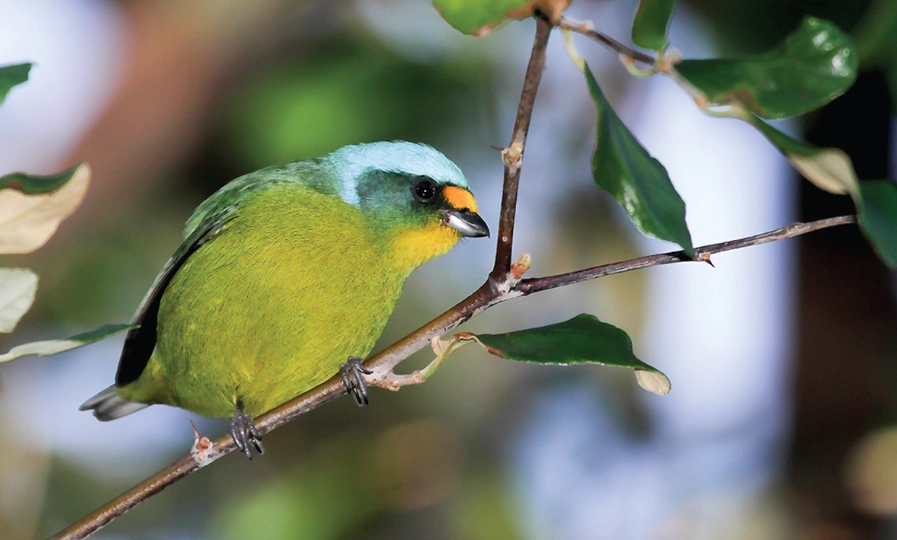
Frequently Asked Questions
 Wrapping up, birding in the Caribbean is more than a checklist—it's an immersion into vibrant ecosystems. Whether you're a novice or a seasoned birder, the islands offer something unique. Start with the easy spots, but don't shy away from the challenges. And remember, every sighting contributes to a bigger story of conservation. Now, grab your binoculars and get out there; the birds are waiting.
Reader Comments