You hear a chirp, see a flash of color by the feeder, and the question pops up: what bird is that? I’ve been there. For years, I’d call every small brown bird a sparrow and every big black one a crow. It wasn't until I slowed down and learned what to actually look for that my backyard transformed from a blur of feathers into a cast of recognizable characters. This guide cuts through the clutter. We won't just list birds; we'll build a simple, repeatable system for common backyard birds identification that works before you even reach for a field guide.
Your Quick Bird ID Roadmap
Forget Color First: The Real Keys to Bird ID
Here's the biggest mistake beginners make: focusing solely on color. Lighting changes everything. A male Northern Cardinal looks brilliant red in the sun but can appear dull brown in the shade. A juvenile robin is speckled, not red-breasted.
Start with these four pillars instead:
Size & Shape (The Silhouette): This is non-negotiable. Is it as small as a sparrow (house finch, chickadee), as medium as a robin (blue jay, mockingbird), or as large as a crow (hawk, crow)? What's the profile? Look at the beak shape—short and conical for seed-eaters, long and thin for insect-probers, hooked for predators. Note tail length and posture.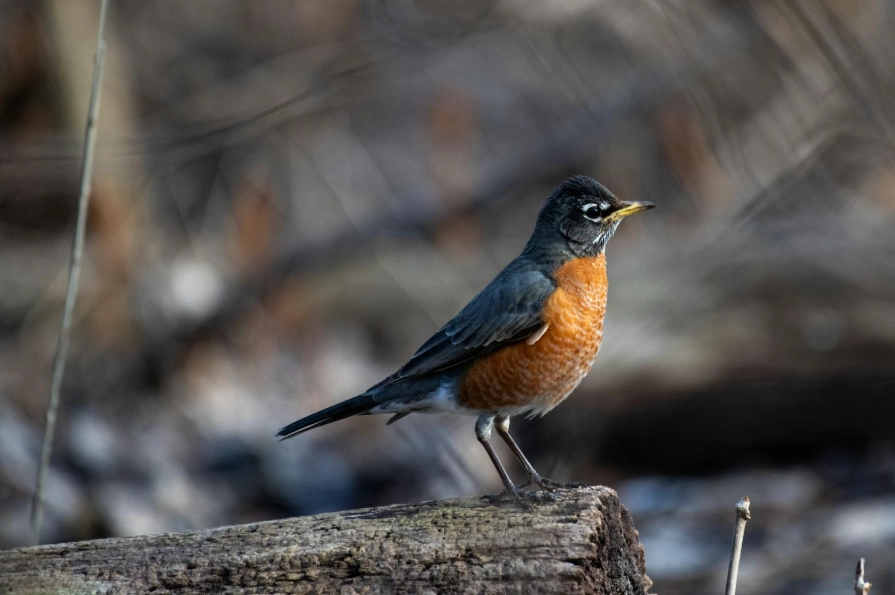
Behavior: How does it move? Does it hop on the ground (robins, starlings) or walk (pigeons, doves)? Does it cling upside-down on a tree trunk (nuthatches) or hammer away (woodpeckers)? Is it alone or in a noisy flock?
Habitat: You're in a backyard. That narrows it down immensely. A bird pecking at your lawn is different from one at the feeder, which is different from one singing at the very top of a tall tree.
Sound: This is the most powerful tool and the most intimidating. Don't try to memorize songs yet. Just ask: was it a melodic song, a harsh call, a chatter, or a pecking sound? The free Merlin Bird ID app from the Cornell Lab of Ornithology has a sound ID feature that is shockingly accurate—point your phone at the sound, and it suggests species.
The Usual Suspects: Top Backyard Birds Broken Down
Let's apply the system. Here are the birds you're most likely to see, grouped not by color, but by the roles they play in your backyard.
| Bird (Clickable Link for Sound) | Size & Silhouette | Key Behavior & Habitat | One "Don't-Miss" Feature |
|---|---|---|---|
| Northern Cardinal | Robin-sized. Large crest, very thick reddish beak, long tail. | Often seen in pairs. Visits seed feeders, hops on ground. Perches prominently to sing. | Males are all-over brilliant red with a black face. Females are tan with warm red tinges on wings, tail, and crest. The crest is always visible. |
| Blue Jay | Larger than a robin. Crested, fairly stout, long tail. | Noisy and bold. Makes loud "Jay! Jay!" calls. Acorn hoarder. Will dominate feeders. | Bright blue on top, white below, with black bars on wings and a black "necklace." The white wing patches flash in flight. |
| American Robin | Classic medium bird. Round body, long legs, yellow beak. | Runs and stops on lawns, cocking its head to listen for worms. Often seen in flocks outside breeding season. | Not just a red breast. Look for a dark gray back and a head that is blackish or gray. Juveniles have spotted breasts. |
| Black-capped Chickadee | Tiny, smaller than a sparrow. Big head, tiny beak, no neck. | Acrobatic and fearless. Hangs upside-down on branches. Gives the familiar "chick-a-dee-dee-dee" call. | Black cap and bib, white cheeks, gray back. It's the classic "cute" backyard bird. |
| Mourning Dove | Slender, robin-sized but with a very long, pointed tail. | Often in pairs or small groups. Walks on the ground with a bobbing head. Wings whistle loudly on takeoff. | Soft, gray-brown body with black spots on the wings. Long, tapered tail with white edges. |
| Downy Woodpecker | Sparrow-sized woodpecker. Straight, chisel beak, upright posture. | Clings to tree trunks and branches. Drills for insects or visits suet feeders. Flight is undulating (up-and-down). | Checkered black-and-white wings. Male has a small red patch on the back of his head. Key ID: Beak is short, about half the width of the head. |
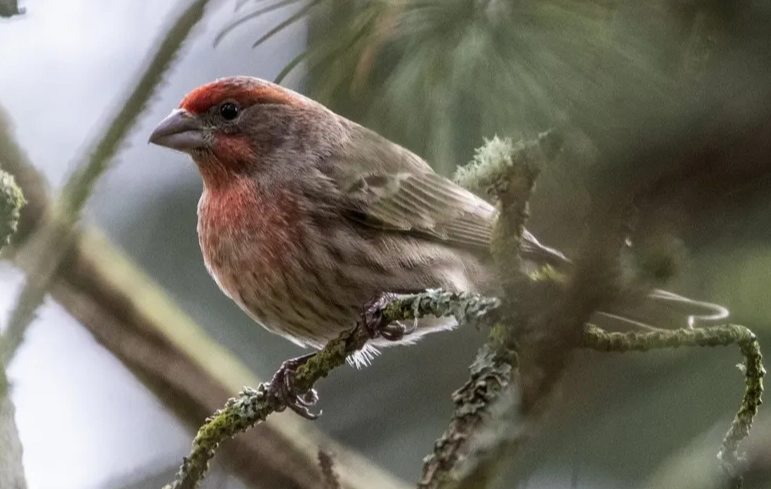
| House Finch | Sparrow-sized, with a thicker, more rounded head than a chickadee. | Social, often at seed feeders in chatterous groups. Males sing a long, warbly song. | Males have a rosy-red head and chest, with blurry brown streaking on sides. Females are plain, streaky brown all over—no distinct patterns. |
Notice how the table focuses on comparative size and specific actions, not just "red bird" or "blue bird." That's the mindset shift.
How to Identify Birds by Their Silhouette and Flight Pattern
On a gray day or at dawn, color disappears. This is where your skills truly shine.
Let's practice with two common silhouettes.
The "Little Brown Job" on the Feeder: You see a small, streaky bird. Is it a House Finch, a House Sparrow, or a female Purple Finch?
- House Finch: Thicker, more rounded head. Thick beak for seeds. Streaking is blurry and brown.
- House Sparrow (male): Has a crisp, black bib and a gray crown. Behavior is often more aggressive.
- House Sparrow (female): Duller, with a plain buff eyebrow stripe and a less streaky back than a female finch.
- Female Purple Finch: Has a strong, white eyebrow stripe and a cleaner white belly with bold streaking only on the sides. This is a subtle but crucial difference most guides gloss over.
The "Big Black Bird" Flying Over: Crow or raven?
- American Crow: Tail is fan-shaped in flight. Wings are blunt, and the "fingers" at the wingtips are less pronounced. Call is a familiar "caw-caw."
- Common Raven: Much larger (think hawk-sized). Tail is wedge-shaped. Wings are more pointed, with obvious "fingers." In flight, they often soar like a hawk, unlike crows' steady flapping. Their call is a deep, guttural "croak."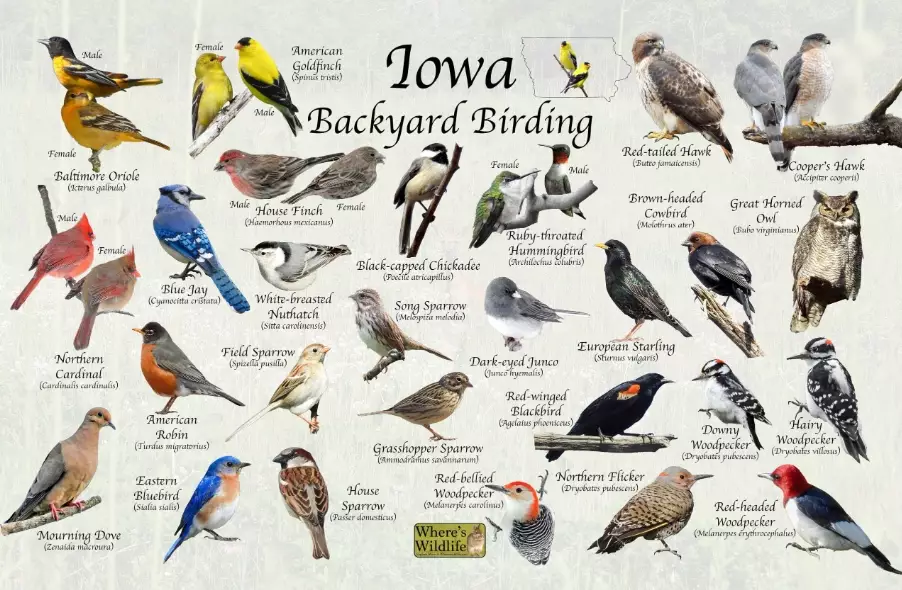
Gear and Apps That Don't Waste Your Time
You don't need a $2000 spotting scope. Start with these:
Binoculars: An 8x42 model is the sweet spot for backyard use. The "8x" gives good magnification without being too shaky; the "42" objective lens gathers enough light for dawn/dusk viewing. Brands like Nikon, Celestron, and Vortex offer excellent options under $200. Avoid tiny compact binoculars—their field of view and light gathering are poor.
The Merlin Bird ID App (Cornell Lab): This is a game-changer. Its "Sound ID" listens and suggests birds in real time. Its "Photo ID" works from your pictures. The step-by-step ID helper follows the size/color/behavior logic we've discussed. It's free and authoritative.
A Simple Field Guide: I prefer regional guides, like the "Stan Tekiela Birds of [Your State]" series. They're organized by color, which is what beginners reach for first, and have one bird per page with solid photos. The All About Birds website is the definitive online resource.
The Subtle Differences Everyone Misses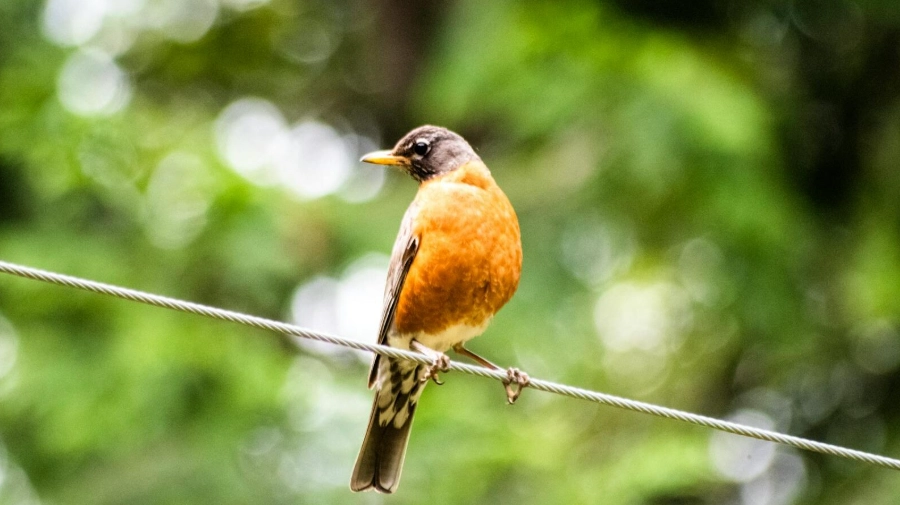
After a decade, these are the mix-ups I see constantly.
Downy vs. Hairy Woodpecker: Mentioned in the table, but it's worth repeating. Ignore the red spot. Ignore the range maps that say one might be rarer. Look at the beak. Downy = short beak (like a tiny chisel). Hairy = beak as long as the head (like a robust nail). Seeing them side-by-side, the Hairy looks like a Downy on steroids.
Song Sparrow vs. Other Streaky Sparrows: Song Sparrows are the quintessential backyard sparrow. The key? A messy, central dark spot or "stickpin" on their streaky breast, and they constantly pump their long, rounded tail in flight. Many other sparrows have cleaner patterns or different tail shapes.
Cooper's Hawk vs. Sharp-shinned Hawk: This is advanced, but if a slender, blue-gray raptor with a long tail smashes into your feeder birds, which is it? The best field mark is the head. A Cooper's Hawk has a larger, blocky head that projects well beyond the line of the wings when perched. A Sharp-shinned has a small, round head that seems tucked into its shoulders. The tail tip matters too: Cooper's is rounded, Sharp-shinned is squared.
Your Backyard Bird ID Questions, Answered
 The goal isn't to name every bird instantly. It's to see more. To notice the chickadee's acrobatics, the dove's whistling wings, the way a woodpecker uses its tail as a prop. Start with the common ones here. Build your confidence with size, shape, and behavior. The names will follow, and your backyard will never look the same again.
Reader Comments