Picture this: you're on a sun-drenched Greek island, the scent of wild thyme in the air, the Aegean Sea a brilliant blue below. Then, a flash of emerald and chestnut streaks past—a European Bee-eater. A shrill call draws your eyes to a cliff face, where an Eleonora's Falcon is bringing food to its nest. This isn't a dream; it's a standard morning for birdwatchers in the Aegean Islands. Forget the crowded beaches for a moment. The real magic happens in the olive groves, the river valleys, and the rugged mountains. These islands are a critical superhighway for millions of birds migrating between Europe and Africa, and a haven for unique resident species. I've spent seasons out there with my binoculars, and I'm telling you, it's one of the most rewarding—and sometimes frustrating—birding destinations in Europe.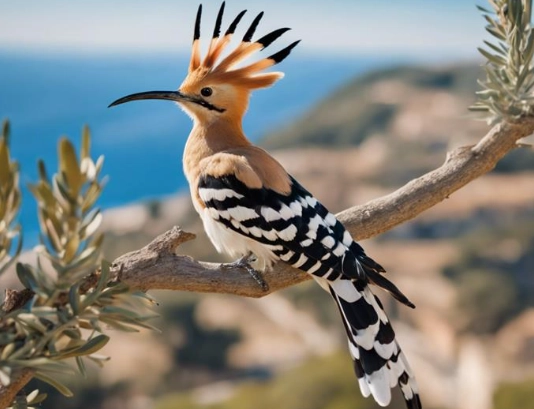
What's Inside This Guide?
Top Aegean Islands for Birdwatching (And Why)
Not all islands are created equal for birding. Some are migration traps, others have specific rare residents. Your choice depends on what you want to see and the experience you crave.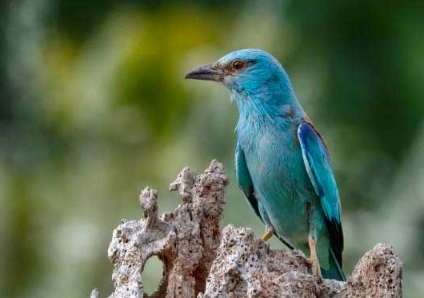
| Island | Best For | Key Species (Season) | Habitat Vibe |
|---|---|---|---|
| Lesvos (Lesbos) | The classic, all-rounder hotspot. Huge variety. | Krüper's Nuthatch (R), Rüppell's Warbler (S), Cinereous Bunting (S), countless migrants. | Salt pans, pine forests, olive groves, river mouths. Excellent infrastructure. |
| Samos | Eastern specialities & stunning scenery. | Cinereous Bunting (S), Rüppell's Warbler (S), Rock Nuthatch, Eleonora's Falcon (S). | Lush valleys, high mountains, coastal cliffs. Less crowded than Lesvos. |
| Antikythira | The ultimate migration spectacle (for the dedicated). | Raptor river! Honey Buzzards, Black Kites, Levant Sparrowhawks (Spring/Autumn). | Remote, arid island. Basic facilities. It's all about the sky watch. |
| Crete | Combining major culture with endemic hunting. | Lammergeier (reintroduced), Cretan Warbler (E), Eleonora's Falcon (S), Bonelli's Eagle. | Gorges, mountains, coastal wetlands. You can bird by morning, see Knossos by afternoon. |
| Kos & Rhodes (Dodecanese) | Spring migration & easy-going birding. | Collared Flycatcher, Semi-collared Flycatcher, Scops Owl, herons at wetland sites. | Mixed woodlands, small wetlands, farmland. More touristy but productive. |
My personal bias? Samos. Lesvos gets all the press (and the bird tours), and it's fantastic. But Samos has this raw, mountainous beauty. Driving up to the Mount Kerkis area, you feel the temperature drop. You're in a different world from the coast, searching for Sombre Tits in the black pines. The island's star birding site is probably the Potami Dam and River area near Karlovasi. It's a green ribbon of life. I spent a whole morning there once just watching a family of Little Ringed Plovers on the gravel banks, while Cetti's Warblers blasted song from the reeds. It was simple, perfect birding.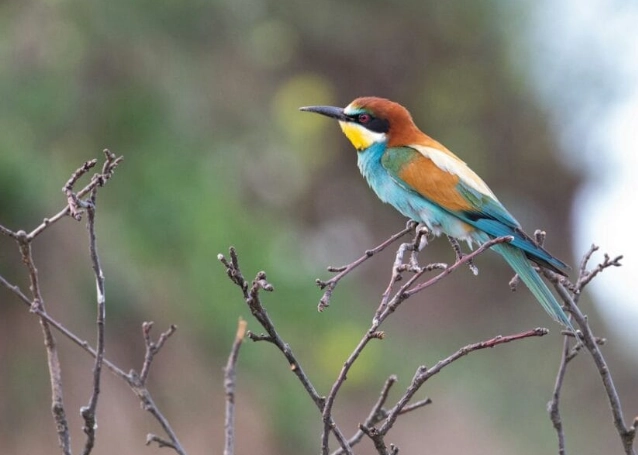
What Birds Can You See in the Aegean?
The list is long, so let's break it down by category. This is what gets your heart racing.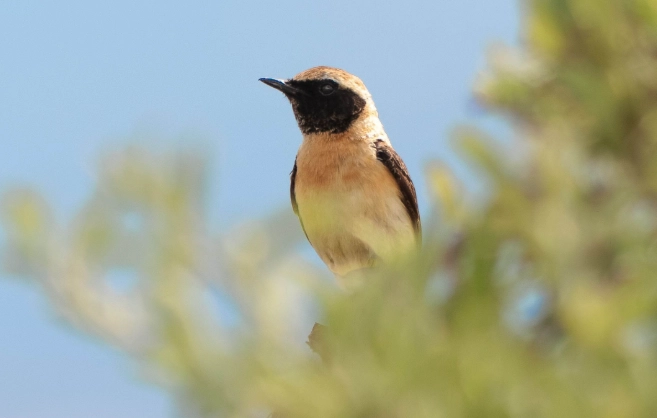
The Migration Stars (Spring & Autumn)
This is the main event. From late March to May, and again from August to October, the skies are busy.
Raptors are the headline act. You'll see flocks of Honey Buzzards, some days in the hundreds or thousands at spots like Antikythira. Marsh Harriers, Black Kites, and the dashing Levant Sparrowhawk. The sight never gets old.
Colorful Passerines fill the bushes. Bee-eaters (that emerald gem), Rollers (a shot of electric blue), Golden Orioles (elusive but their fluty call gives them away), and multiple species of shrikes—Lesser Grey, Red-backed, Masked. Warblers are everywhere: Willow, Garden, Reed, and the more localised Eastern Olivaceous and Rüppell's.
The Resident & Breeding Specialties (Spring/Summer)
These are the birds that call the Aegean home, or come specifically to raise their young here.
Eleonora's Falcon is the undisputed king. They arrive late spring to nest on remote sea cliffs. Watch them hunt at dusk, acrobatically catching dragonflies and small birds. Sites on Sikinos, Samos, and Crete are reliable.
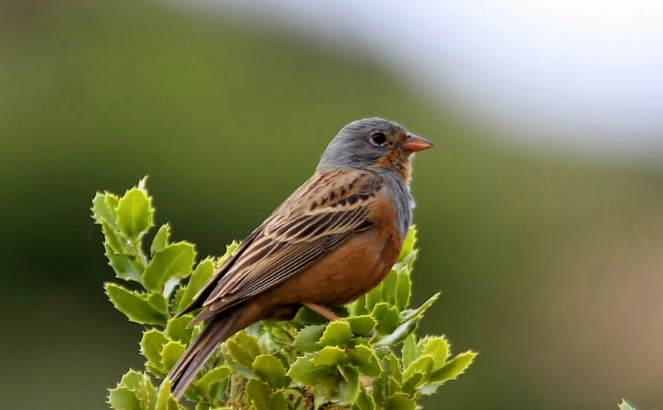
The Scrubland Icons: The Rüppell's Warbler, a stunning black-throated warbler of dense maquis, is a prize find. The Cinereous Bunting sings from rocky slopes with sparse vegetation. Its jangling song is pure Aegean soundtrack.
Forest Birds: In the pine woods of Lesvos and Samos, listen for the rapid-fire tapping of the Krüper's Nuthatch, a near-endemic. The Sombre Tit and Rock Nuthatch are also common in the right habitat.
Essential Gear for Aegean Birding
This isn't a stroll in a local park. The Mediterranean sun is brutal, and the terrain can be rough.
Optics: A good pair of 8x42 or 10x42 binoculars is non-negotiable. For those sea-watches or distant cliff-nesting falcons, a spotting scope (20-60x) is highly recommended. I didn't bring one my first trip and deeply regretted it when trying to ID distant shearwaters or confirm a perched falcon species.
Clothing & Protection: Think light, breathable, but covering. Long-sleeved shirts and trousers protect from the sun and scratchy maquis. A wide-brimmed hat is worth its weight in gold. Sturdy hiking shoes or boots with good ankle support are essential for rocky paths.
Tech & Guides: The Collins Bird Guide app or book is the European standard. For sound, the "Birds of Europe" app or xeno-canto website is invaluable. Download offline Google Maps for your target island—many great birding spots are down unmarked dirt tracks.
Oh, and water. Always carry more water than you think you need. A 2-liter hydration bladder in a daypack saved me on more than one long hike in the Samarian Gorge.
How to Plan Your Aegean Birding Trip
Timing is Everything
Prime Time: Late April to early June. Migration is in full swing, summer breeders are active and singing, and the weather is warm but not scorching. Flowers are out, insects are buzzing—it's perfect.
Second Best: September to mid-October for autumn migration. It can be hotter and drier, and some birds are in less flashy plumage, but it's still excellent.
I'd avoid July and August unless you're specifically targeting Eleonora's Falcons. It's fiercely hot, many migrants are gone, and the islands are packed with tourists.
Getting Around & Logistics
You need a rental car. Full stop. Public transport won't get you to the good sites at dawn. Book well in advance for peak season. A small 4x4 or a car with good clearance is useful for some tracks, but a standard compact is fine for 90% of places.
Base yourself in 2-3 different locations on a larger island like Crete or Lesvos to minimize driving. On Samos, I split my time between a base near the Potami wetlands and one in the mountains.
Consider connecting with the Hellenic Ornithological Society. They are the conservation partner of BirdLife International in Greece and their website often has local news and can sometimes put you in touch with guides. Local knowledge is power here.
Building Your Itinerary
Don't over-schedule. The heat means energy dips in the afternoon. A classic day looks like this:
- Pre-dawn to 11:00 AM: Prime birding. Hit your main target site.
- 11:00 AM - 4:00 PM: Retreat. Lunch, siesta, edit photos, check the hotel pool for passing Swifts and Swallows.
- 4:00 PM onwards: Evening session. Visit a different habitat, maybe a coastal wetland for waders as the light softens.
Build in non-birding days or half-days. See the Temple of Hera on Samos, explore a castle on Rhodes. It prevents burnout and makes for a richer trip.
Your Birding Questions Answered
The Aegean Islands offer more than just a bird list. They offer an experience—the challenge of finding a shy warbler in the aromatic scrub, the awe of watching a thousand raptors kettle overhead, and the simple pleasure of a cold drink after a hot day's birding, knowing you've connected with one of Europe's great wildlife spectacles. Do your homework, pack smart, and go. Your binoculars will thank you.
Reader Comments