Quick Guide
- Fledgling or Nestling? The First and Biggest Question
- Okay, It's Definitely a Nestling. Now What? The Step-by-Step
- Beyond "Baby": Starting Your Nestling Bird Identification
- Finding and Working with a Wildlife Rehabilitator
- Your Nestling Bird Identification Questions, Answered
- Wrapping It All Up: Keep It Simple, Do the Right Thing
Let's be honest. You're out in the yard, maybe pulling some weeds, and you nearly step on this tiny, fluffy thing. It's a baby bird. Your heart does a little flip. Is it hurt? Where's its mom? Should you pick it up? The internet is full of conflicting advice, and honestly, some of it is just plain wrong. I've been there. I've made the panicked calls and the well-intentioned mistakes. So, let's cut through the noise and talk about nestling bird identification in a way that actually makes sense.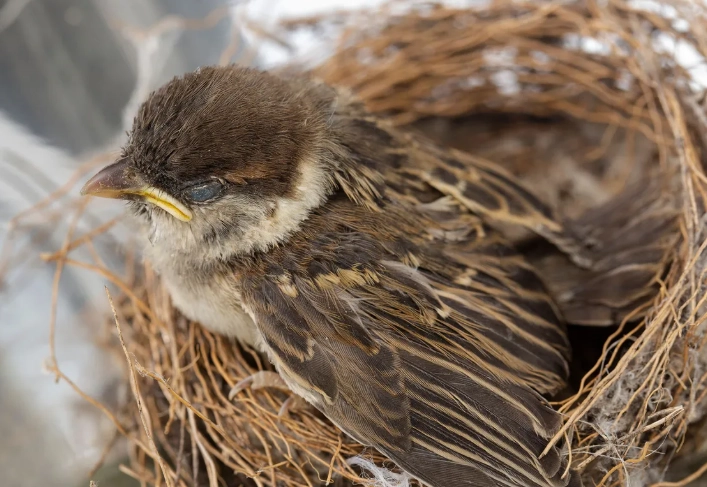
The first and most important rule: Don't rush to rescue. Often, the best thing you can do is nothing at all. But to know that, you need to know what you're looking at. That's what this guide is for.
Fledgling or Nestling? The First and Biggest Question
This is the make-or-break moment. Getting this wrong means you might take a perfectly healthy bird from its parents, or leave a truly helpless one to die. I see people mix this up all the time.
Here's the quick and dirty difference:
A nestling is a baby bird that is not ready to leave the nest. It's the picture of helplessness. A fledgling is a teenager bird—it's left the nest but is still under parental care, learning to fly and find food. It's supposed to be on the ground.
Why does this matter so much? Because if you see a fledgling hopping around, looking a bit clumsy, with parents nearby scolding you, the correct action is to walk away. Your interference stresses the bird and its parents. But a nestling on the ground is usually in real trouble. It fell out, or the nest was destroyed. It can't thermoregulate well and it certainly can't get back home. That's a bird that needs help.
| Feature | Nestling | Fledgling |
|---|---|---|
| Feathers | Pin feathers (look like tubes), sparse down, or bare skin visible. Looks "unfinished." | Mostly feathered, but tail and wing feathers might look short. Looks like a scruffy adult. |
| Movement | Can't hop, walk, or perch. Might shuffle weakly. Legs seem weak or splayed. | Can hop, walk, and perch on low branches. Flutters but can't sustain flight. |
| Location | ON THE GROUND, away from any nest. This is not normal. | On the ground, in bushes, on low branches. This is a normal life stage. |
| Behavior | Quiet or peeps loudly. Gapes (opens mouth wide for food) if approached. | More alert, may try to hide. Will call for parents, who are often nearby watching. |
| Your Action | Likely needs help. Try to reunite with nest (see below). If impossible, contact a rehabber. | LEAVE IT ALONE. Monitor from a distance for a few hours to ensure parents are feeding it. |
See? It's not so complicated once you know the checklist. The feather thing is the biggest giveaway. If it looks bald and pathetic, it's a nestling. If it looks like a mini-bird that just had a bad hair day, it's a fledgling.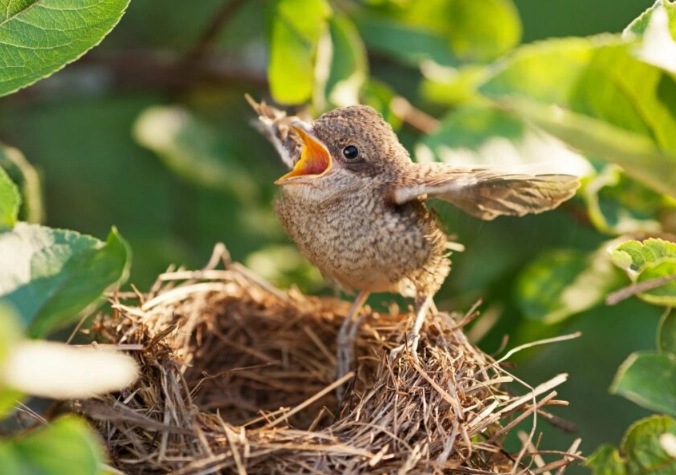
Okay, It's Definitely a Nestling. Now What? The Step-by-Step
So you've done the check. Bare skin, weak legs, on the pavement. It's a nestling. Panic mode can set in, but take a breath. Follow these steps. I've had to do this more times than I'd like to admit, and this sequence works.
Step 1: Look Up and Find the Nest
Scan the trees, gutters, porch ledges, and bushes directly above where you found the bird. Look for a cluster of twigs, a cup of grass, anything that looks nest-like. Sometimes you'll see siblings peeking over the edge. If you find the nest and it's intact, that's your best-case scenario.
Myth Buster: The old wives' tale about parents rejecting a baby bird because of human scent is mostly false. Most birds have a poor sense of smell. They will not abandon their chick because you touched it. Your priority is getting it back to warmth and safety.
Step 2: The Reunification (If the Nest is Safe)
Gently pick up the nestling with clean hands (or use a soft cloth). Carefully place it back in the nest. That's it. Then, get out of there. Go inside, watch from a window. The parents are often frightened off and waiting nearby. It might take an hour or two for them to return. Don't stand guard—your presence will delay their return.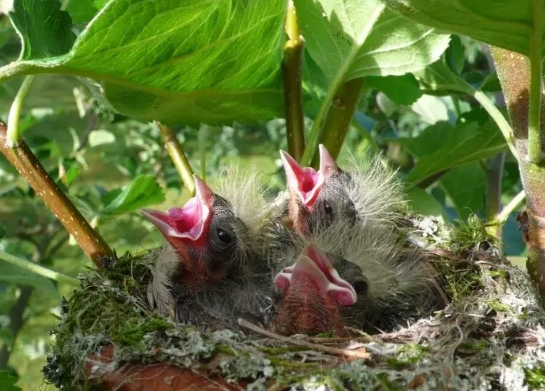
Step 3: When the Nest is Gone or Unreachable
This is the tricky part. Maybe the nest was destroyed in a storm, or it's 30 feet up in a tree you can't climb. You can make a substitute nest. Take a small basket (plastic berry containers with holes in the bottom work great), line it with dry grass or paper towels (not cloth—it can tangle their toes), and secure it as close as possible to the original nest site. Use zip ties, wire, or nails. Put the nestling in it. Again, leave the area and let the parents find it. They are remarkably good at this.
I once used an old hanging flower pot liner for a robin nestling. Poked holes for drainage, stuffed it with dried grass from my yard, wired it to the branch where the original nest fragments were. Watched from my kitchen. The mom was back within 45 minutes, worm in beak. Felt like a superhero.
Beyond "Baby": Starting Your Nestling Bird Identification
Let's say reunification failed. The parents aren't coming back, or the bird is clearly injured (bleeding, wing drooping oddly, attacked by a cat). Now you need to get it to a licensed wildlife rehabilitator. When you call them, they're going to ask, "What kind of bird is it?" Saying "a small brown one" isn't super helpful. Here's how to start narrowing it down. This is where nestling bird identification gets more detailed, but don't worry, we'll keep it simple.
Look at the Feet
This is a huge clue. Bird feet are built for their lifestyle.
- Anisodactyl (Three toes forward, one back): This is your classic "perching bird" foot. Sparrows, robins, finches, jays, crows. If it looks like it could grip your finger, it's in this huge group (called passerines). Most of the nestlings you'll find are in this category.
- Zygodactyl (Two toes forward, two back): Think woodpeckers, owls, cuckoos, parrots. A nestling with this foot arrangement is less common but very distinctive.
- Totipalmate (All four toes webbed together): You probably won't find a pelican or cormorant nestling in your backyard, but it's good to know!
- Long legs with slender toes: Could be a killdeer or other shorebird/ground-nesting bird chick. These guys are often more mobile as nestlings (precocial).
Look at the Beak (Bill)
The shape tells you about its diet, which tells you about its family.
- Short, stout, and triangular: Built for cracking seeds. Finches, sparrows, cardinals.
- Thin and pointed: Insect specialists. Warblers, wrens, flycatchers.
- Long and pointed (maybe slightly curved): Probing for insects in bark or soil. Woodcocks, snipes, or even a young starling.
- Wide and flat with a huge gape: This is a bug-eating machine. Baby robins, bluebirds, and other thrushes have famously bright yellow gapes with those little "gape flanges" at the corners of the mouth. It's like a neon "FOOD HERE" sign for their parents.
You're not trying to get the exact species right away. Start with the family: "I have a perching bird nestling with a wide beak and yellow mouth edges" tells a rehabber it's likely a thrush, which helps them prepare the right food.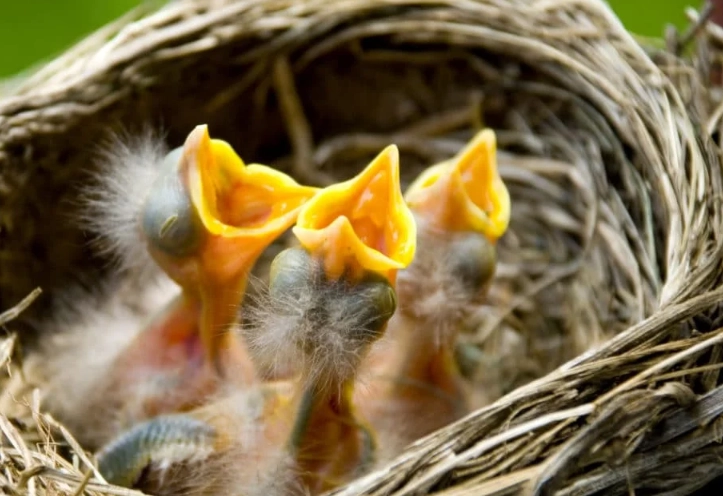
What NOT to Do (The "Help" That Actually Hurts)
- Do not feed it bread or milk. Birds can't digest dairy, and bread is empty calories with no nutritional value for a growing baby. It can cause serious problems.
- Do not give it water with an eyedropper. It's incredibly easy for a weak nestling to aspirate (get water in its lungs), which is fatal.
- Do not keep it as a pet. It's illegal (in the US under the Migratory Bird Treaty Act) and unfair to the bird. They have complex needs you can't meet, and they won't learn survival skills from you.
Finding and Working with a Wildlife Rehabilitator
This is the most critical step if the bird truly needs help. A quick web search for "[your state] wildlife rehabilitator" or using the directory at the Humane Society's website is a great start. The National Wildlife Rehabilitators Association (NWRA) database is another excellent, authoritative resource.
When you call:
- Describe the bird using the features you noted.
- Explain exactly where and how you found it.
- Follow their instructions to the letter for temporary care (usually just keeping it warm, dark, and quiet in a ventilated box with no food or water until you can transport it).
I've called rehabbers who were gruff, tired, and overwhelmed. Remember, they're often volunteers dealing with dozens of cases. Be patient, be clear, and thank them. They do incredible work.
Your Nestling Bird Identification Questions, Answered
How can I tell how old a nestling is?
It's a rough estimate, but feathers are your calendar. New hatchlings (0-3 days): Often naked or with sparse wet down, eyes closed. Early nestling (4-10 days): "Pin feathers" emerge—they look like blueish or grayish tubes on the skin. Eyes open. Late nestling (10+ days): Pins start to unsheathe, revealing feathers. Bird looks "spiky." Starts to look more filled out. Right before fledging, they're almost fully feathered and might be seen peering over the nest edge.
What do I do if I find a nest of baby birds with no parents?
Observe from a hidden spot for a full hour or two. Parent birds are masters of the quick in-and-out feeding visit. They also leave to gather food. Absence doesn't mean abandonment. Only if you see a dead adult nearby, or the babies are cold and lethargic after hours of no activity, should you intervene.
Can I raise a baby bird myself if I can't find a rehabber?
I'm going to be blunt: the odds are stacked hugely against you. Their dietary needs are hyper-specific (many insect-eaters need every 20 minutes, from dawn to dusk). You can easily cause metabolic bone disease with the wrong food. The stress alone can kill them. Exhaust every single avenue to find a professional. It is not a fun hobby; it's a demanding, often heartbreaking, full-time job. The success rate for untrained people is tragically low. This is the biggest user pain point, and the answer is almost always: find an expert.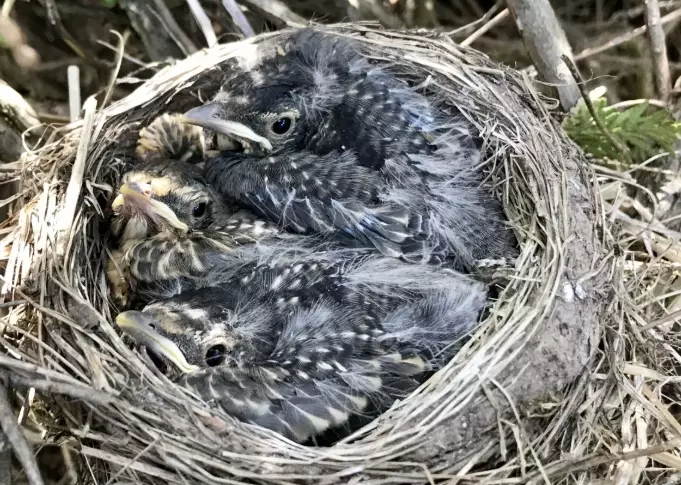
What are the most common backyard nestlings I might find?
In North America, you're most likely to encounter:
American Robins: Famous yellow gapes, speckled chest even as babies.
Northern Cardinals: Even nestlings have a hint of that black face and a reddish tint on their wings.
House Sparrows: Very common, the nestlings are grayish and rather plain.
Mourning Doves: They grow fast and have a distinctive, slightly crooked beak.
Blue Jays: Scraggly looking, but you can see the beginnings of their crest even as pin-feathered youngsters.
Wrapping It All Up: Keep It Simple, Do the Right Thing
The whole process of nestling bird identification boils down to a few key decisions. I made a little flowchart in my head that I use every time:
- Is it feathered and hopping? Yes = Fledgling. LEAVE IT. No = Nestling, proceed.
- Can you see/access a safe nest? Yes = Reunite. No = Make a substitute nest.
- After reunification, are parents visiting in 2+ hours? Yes = Success! No = Bird is cold/weak/injured.
- Bird needs help. Keep warm/dark/quiet. Identify key features (feet, beak). CALL A WILDLIFE REHABBER.
It feels like a lot, but after you go through the mental checklist once or twice, it becomes second nature. The goal isn't to become an expert ornithologist overnight. The goal is to have the confidence to assess the situation calmly and take the action that gives that little bird the absolute best shot at life.
That nervous feeling you get? That's good. It means you care. Channel that care into informed action. Skip the bread, skip the panic, and use your eyes. Look at the feathers, look at the feet, look up for the nest. You've got this.
And if you do end up helping one, whether by leaving a fledgling alone or getting a nestling to safety, take a quiet moment to feel good about it. We share this space with them. A little thoughtful effort on our part makes a world of difference in theirs.
Reader Comments