You've probably seen it a hundred times and never given it a second thought. A plain, grayish-brown bird perched on a low branch or a fence wire, tail bobbing patiently. It flies out, snaps an insect from the air with an audible click, and returns to the exact same spot. That's the Eastern Phoebe (Sayornis phoebe). It's not flashy, it doesn't visit feeders for seeds, and its song is a simple, raspy two-note phrase. Yet, this common flycatcher is a master of its craft and one of the most reliable signs of spring across eastern North America. If you want to move from casually noticing birds to truly understanding them, the phoebe is the perfect teacher.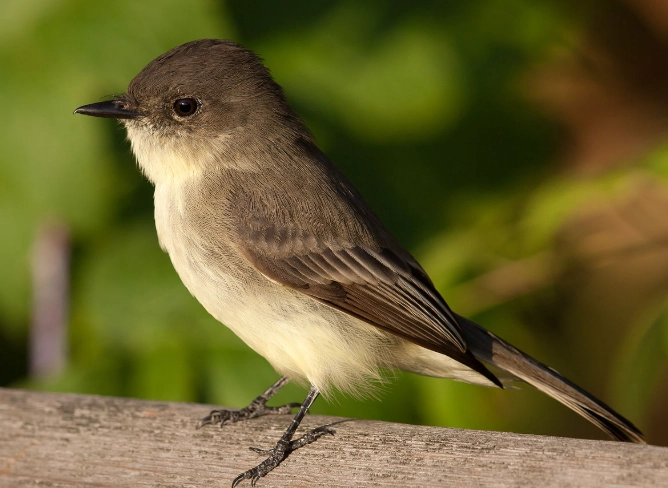
Your Quick Guide to the Eastern Phoebe
How to Spot an Eastern Phoebe (And Avoid Common Mix-Ups)
Identifying a phoebe is less about spotting bright colors and more about recognizing a specific behavior and silhouette. This is where most beginners get tripped up. They see a drab bird and call it a sparrow. But watch for just thirty seconds, and the phoebe gives itself away.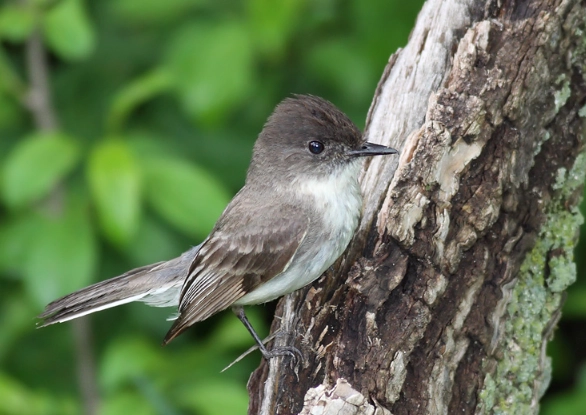
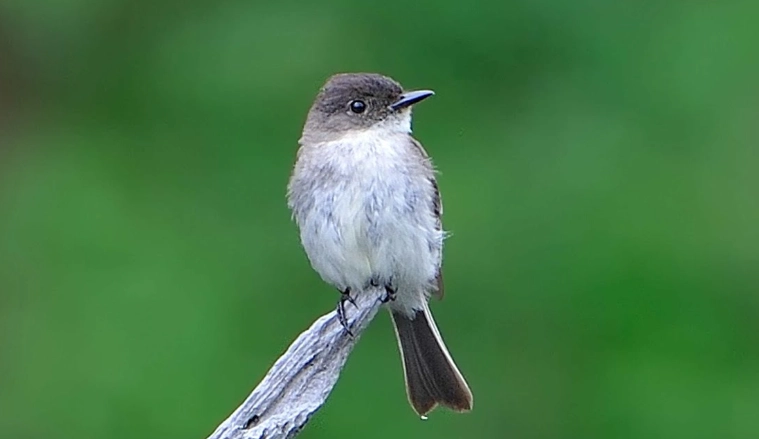
The Tell-Tale Bob: This is the number one clue. An Eastern Phoebe almost constantly pumps its tail downward in a slow, deliberate motion when perched. It's not a frantic twitch; it's a confident, rhythmic dip. No other common flycatcher in its range does this quite the same way.
The Look: They're dressed for practicality, not a party. Overall dark grayish-brown above, with a dirty white or pale yellowish belly. The head is often the darkest part, appearing almost blackish, with no strong eye-ring or wing bars. The bill is straight, thin, and all black—a classic flycatcher bill built for snatching bugs.
The Sound: Their song is a hoarse, whistled "fee-bee" or sometimes "fee-b-be-bee." The second note is often lower and burrier. They also give a sharp, chatty "chip" note. It's not melodic, but it's persistent, especially at dawn.
Eastern Phoebe vs. The Look-Alikes
Here’s a quick breakdown to prevent the most common misidentifications:
| Bird | Key Difference from Eastern Phoebe | Habitat Clue |
|---|---|---|
| Eastern Wood-Pewee | Has two distinct pale wing bars; sings a clear, plaintive "pee-a-wee." | Prefers taller trees in deeper woods. |
| Least Flycatcher | Smaller, with a bold white eye-ring and a rapid "che-bek" song. | Likes open woods and edges, often higher in trees. |
| Song Sparrow | Heavily streaked breast with a central dark spot; hops on the ground. | Loves thickets and brushy areas, often feeds low. |
The table helps, but remember: tail-bobbing + flycatching from a low, open perch + no wing bars = high probability of Eastern Phoebe.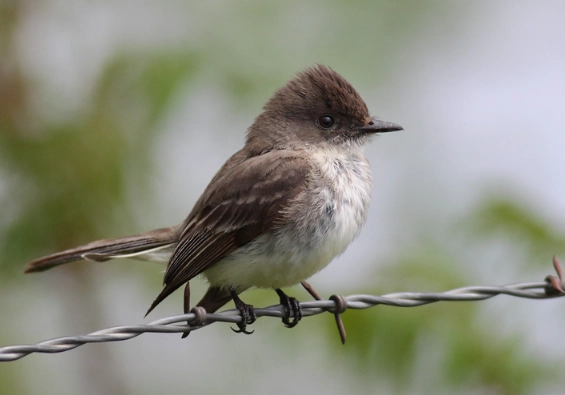
Where They Live and What They Do All Day
Phoebes are bridge birds. They thrive in the spaces between human development and wild areas. You won't find them in dense, unbroken forest, and you're unlikely to see them in the center of a vast, treeless field.
Their ideal real estate includes:
Streamsides and Woodland Edges: This is their classic, natural habitat. They need open airspace for hunting and vertical structures (trees, cliffs, now buildings) for nesting.
Farmyards and Rural Bridges: They've brilliantly adapted to human structures. The undersides of bridges, barn eaves, and even porch ceilings are now prime phoebe nesting sites.
Suburban Parks and Backyards: If you have a mix of trees, open lawn, and a potential nesting ledge (like a garage), you're in phoebe territory.
Their daily routine is a study in efficient energy use. They are sally foragers. They pick a good lookout perch, watch for flying insects, launch out to grab one, and almost always return to the same perch. It's a low-energy strategy compared to constantly flitting through foliage. On cool or cloudy days when insects are scarce, they might switch to picking bugs off leaves or even the ground.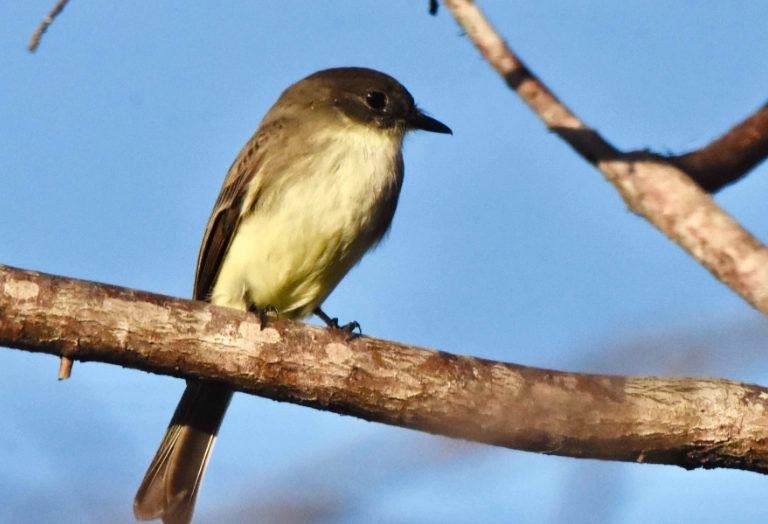
How to Actually Attract Eastern Phoebes to Your Yard
Forget sunflower seeds and tube feeders. Attracting phoebes is about managing habitat and providing the resources they actually need. Here’s a step-by-step approach that works, based on what they’re searching for.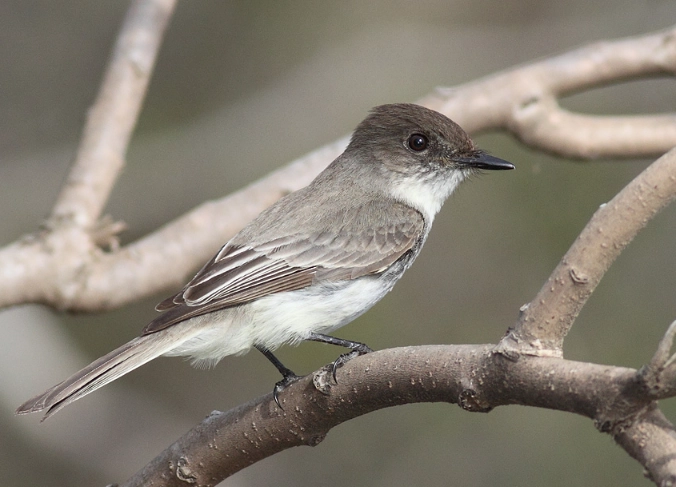
Step 1: Provide the Building Materials
Phoebe nests are made of mud, moss, and grass. If your yard is manicured lawn with no bare soil, they have to go elsewhere to gather mud. Create a "mud puddle" in a sunny spot. Just a shallow depression you keep damp. It's a magnet for phoebes, robins, and swallows in the nesting season.
Step 2: Offer the Right Food (It’s Not What You Think)
You can't offer live flies at a feeder, but you can cultivate an insect-friendly yard. Reduce pesticide use. Plant native shrubs and perennials that host caterpillars and attract flying insects. A small water feature, even a birdbath with a dripper, draws insects for drinking and gives phoebes a hunting zone.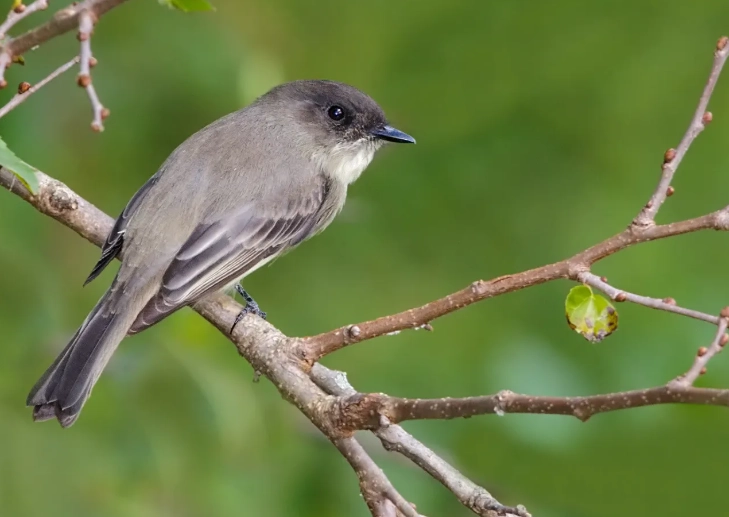
There's one more trick. In early spring, when a cold snap hits and insects vanish, phoebes can get desperate. I've had success offering live mealworms in a shallow dish placed on a platform feeder or a stump. They may not take them every time, but it can be a crucial energy boost that convinces them to stay and nest.
Step 3: Install Real Estate
They rarely use enclosed nest boxes. What they want is a sheltered shelf. You can buy "phoebe shelves" or easily make one: a simple wooden platform about 6x6 inches, with a slight lip, attached under an eave, in a garage (leave a door or window cracked), or on a sheltered side of a shed. Place it 8-12 feet high, out of direct afternoon sun and protected from driving rain.
The most common mistake? Putting the shelf where squirrels or cats can easily access it. Think about the approach and the launch path for the birds.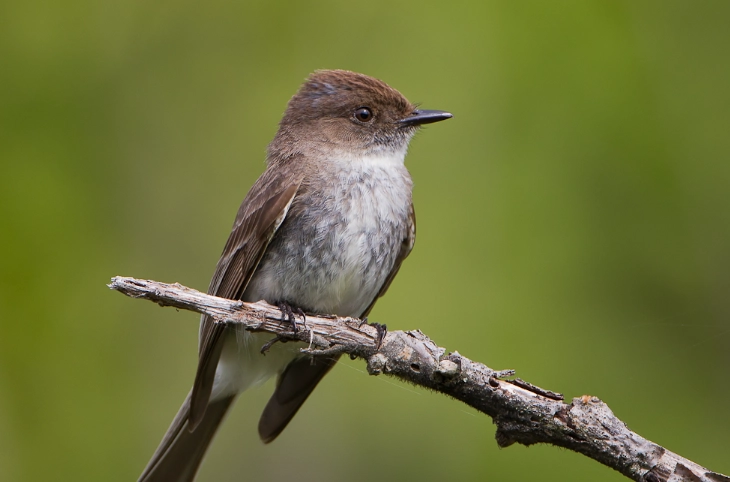
The Mud and Moss Masterpiece: Eastern Phoebe Nesting Secrets
Finding a phoebe nest is a special kind of treasure hunt. The female does almost all the construction, taking about a week to build a sturdy, cup-shaped nest plastered with mud and lined with soft grass and moss. The genius is in the location.
They seek out vertical surfaces with a horizontal ledge overhead. In nature, this is a rock face or a streambank. Around us, it's:
- The top of a window frame or light fixture
- A beam in an open barn or boathouse
- The supporting girders under a bridge or deck
- The ledge above your front door (a classic, if sometimes messy, spot)
Here’s the expert insight nobody talks about: phoebes often reuse and refurbish old nests, both their own and those of other species like robins or barn swallows. If you find an old nest in a good location in late winter, leave it. A phoebe might just fix it up.
They typically raise two broods per season. Once the first brood fledges (leaves the nest), watch the parents. They'll often lead the noisy, clumsy youngsters to a nearby thicket for safety while the female starts building a second nest, sometimes just feet from the first.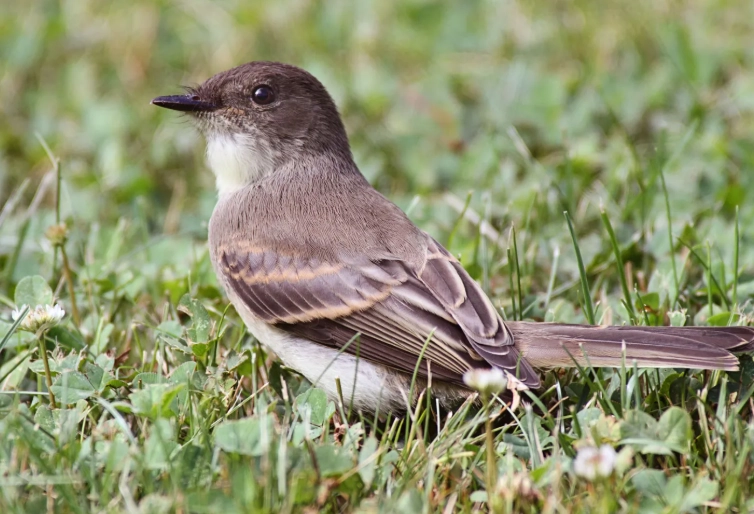
Expert Answers to Your Phoebe Questions
Start paying attention to that quiet, tail-bobbing bird on the fence post. Once you know its name and its story, your whole landscape gets a little richer. The Eastern Phoebe is a lesson in subtlety, adaptation, and the quiet drama happening right outside your window.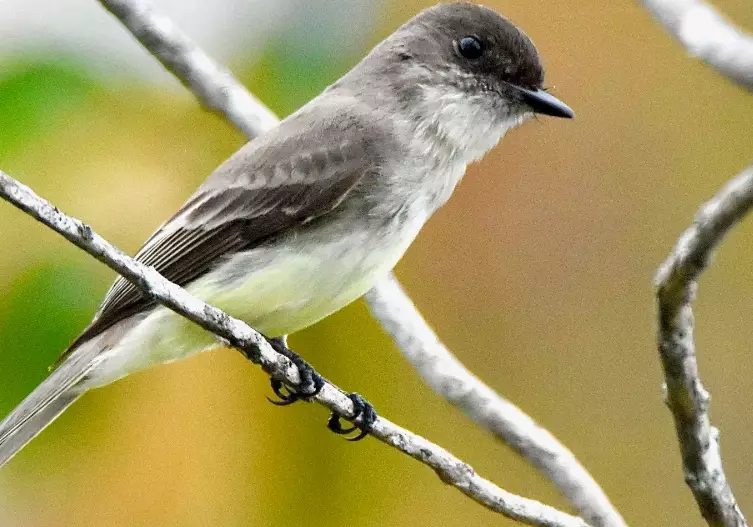
Reader Comments