Quick Navigation
You're out with your binoculars, maybe in your own backyard, and you spot a bird that looks... a bit off. It's the right general shape and color as an American Robin, but something's not quite right. The colors seem muted, the proportions are a little gangly, and its behavior seems clumsier than the confident adult robins hopping around. You've probably just found a juvenile. Figuring out how to tell if a bird is a juvenile is one of the most satisfying skills in birding. It turns a simple sighting into a story—you're looking at a bird in its first few months of life, fresh out of the nest, learning the ropes.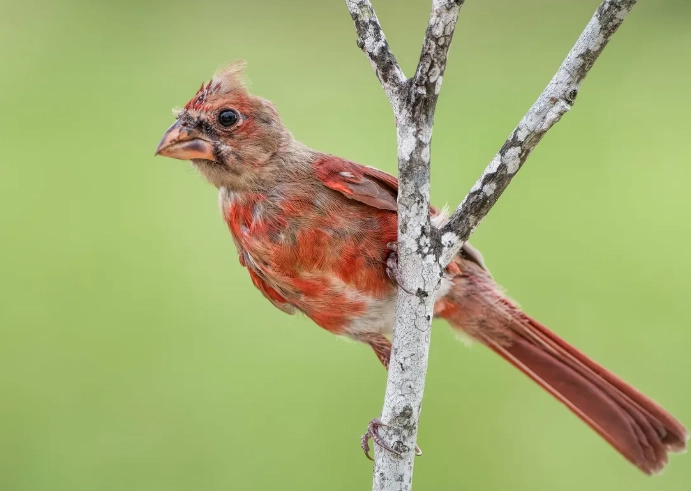
It's not always easy, though. I remember confusing a young Brown-headed Cowbird for a completely different sparrow species for an embarrassingly long time. The field guide showed the adult male, sleek and glossy black-headed, and the plain brown female. The mottled, scruffy-looking juvenile I saw didn't match either. That's the thing they don't always tell you in beginner guides—birds change clothes as they grow up.
This guide is here to save you from that confusion. We'll break down the exact clues, from feather patterns to begging calls, that answer the core question: how to tell if a bird is a juvenile bird from an adult. We'll look at common backyard birds and what makes their youngsters stand out. It's part detective work, part understanding a bit of bird biology, and it makes bird watching infinitely more interesting.
The Big Five: Key Areas to Inspect
Forget trying to remember a thousand different juvenile plumages. Start by learning to scrutinize these five key areas. If you see a combination of traits from these categories, you're almost certainly looking at a young bird.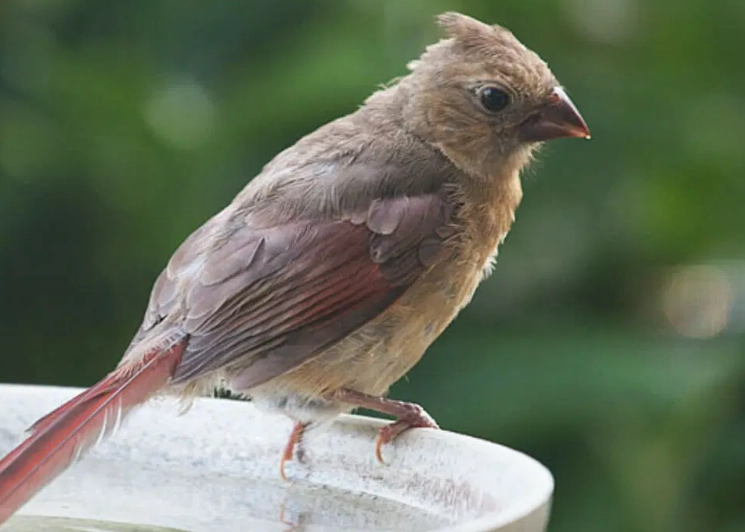
Feathers and Plumage: The Most Obvious Clue
This is where juveniles give themselves away. Adult birds, especially after their annual molt, have neat, crisp, and brightly colored feathers designed for attraction, camouflage, or flight efficiency. Juveniles? Not so much.
Their first set of feathers, called the juvenal plumage, is grown in the nest. It's often optimized for camouflage above all else. Think about it—a fluffy, noisy chick in a nest is a prime target. Dull, streaky, or mottled patterns help them blend into the shadows of the nest or the forest floor.
Look for:
- Fuzziness or Looseness: Juvenile feathers can look fluffier and less tightly packed. There might be wisps of down sticking out, especially around the head or underparts. The bird might look a bit "scruffy" or unkempt compared to a sleek adult.
- Muted or Dull Colors: Where an adult male Northern Cardinal is a brilliant scarlet, a juvenile male is a dull, tan-brown with hints of red splotched on its wings, tail, and crest. It looks like a washed-out version. Female birds often show less dramatic differences, but juveniles are still typically duller.
- Specific Patterns: Streaking on the breast or belly is a huge giveaway for many songbirds. Adult White-crowned Sparrows have clean gray breasts, but juveniles have heavily streaked breasts. Spotting or mottling on the back and wings is also common. That dappled pattern breaks up their outline.
This is the first and most reliable step in learning how to tell if a bird is a juvenile. Just ask: does this bird look crisp and vibrant, or fuzzy and washed-out?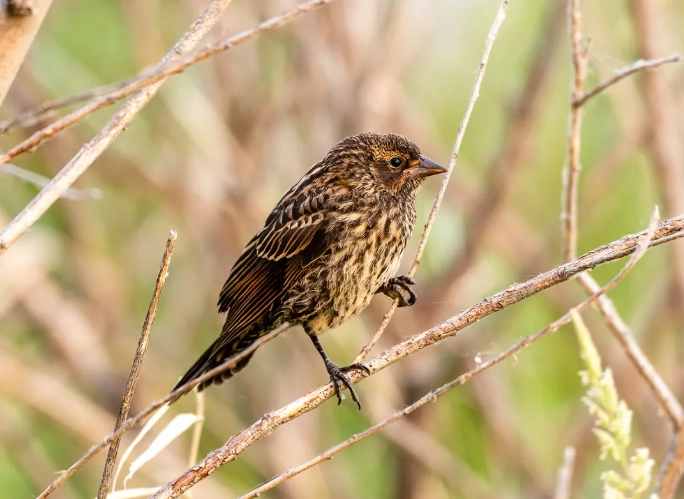
The Bill (Beak) and Gape
This is a dead giveaway for very recently fledged birds, and it's one of my favorites because it's so specific. Nestlings have bright, fleshy corners to their mouths called "gape flanges." These are often brightly colored (yellow, orange, pink) and act as a visual target for their parents to shove food into.
In many species, these flanges persist for days or even a couple of weeks after leaving the nest. If you see a bird that is otherwise fully feathered and mobile but has noticeable yellow or pink skin at the base of its beak, you're looking at a very fresh juvenile. The beak itself might also look proportionally shorter or wider, not yet having grown into its adult shape.
Eyes: The Windows to... Age?
Eye color can be a surprisingly reliable indicator for some species. In many birds, juveniles have duller, darker, or differently colored irises than adults.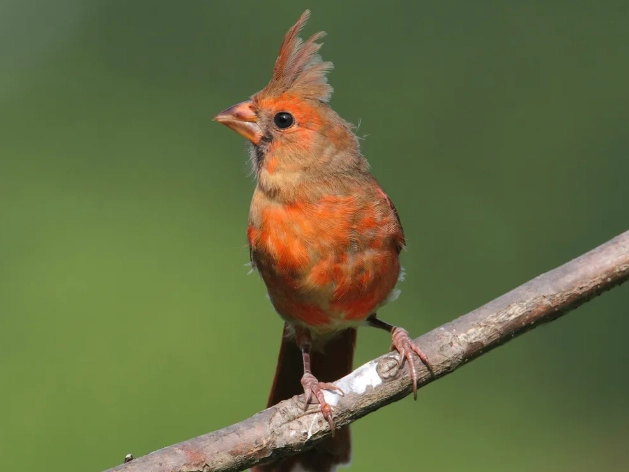
A classic example is the American Robin. Adult robins have a dark, almost black eye. Juvenile robins, for their first few months, have a distinct dark brown eye that often has a faint, speckled appearance. It's not a stark difference, but side-by-side, you can see it. Similarly, some gull species take years to develop their pale adult eyes. Always check your field guide for notes on eye color—it's a detail that's often included for tricky identifications.
Body Proportions and Posture
Juveniles can sometimes look like they're wearing clothes they haven't grown into yet. Their tails might seem a bit too short (because the feathers are still growing). Their primary flight feathers at the end of the wings can look fresh, clean, and unworn compared to the more ragged feathers of an adult who's been through a migration.
Their posture can be less confident. They might sit still for longer periods, observing. Their movements can be slightly clumsier—a less graceful hop, a slightly awkward landing. An adult bird moves with purpose; a juvenile moves with a hint of uncertainty.
Behavior: The Biggest Tell of All
This is often the first thing that tips me off, even before I get a good look at the plumage. Juvenile bird behavior is unmistakable.
The number one behavior is begging. Even after they can fly and find some food themselves, juveniles will pester their parents. They'll flutter their wings rapidly while perched—a holdover from the nestling wing-flutter—and let out a persistent, high-pitched, often grating call. It's a non-stop "chirp, chirp, chirp, chirp." If you see a bird doing this directed at another, similar-looking bird, you're watching a juvenile being fed or demanding to be fed. The parent usually looks slightly harassed and may ignore the juvenile for a while before finally giving in.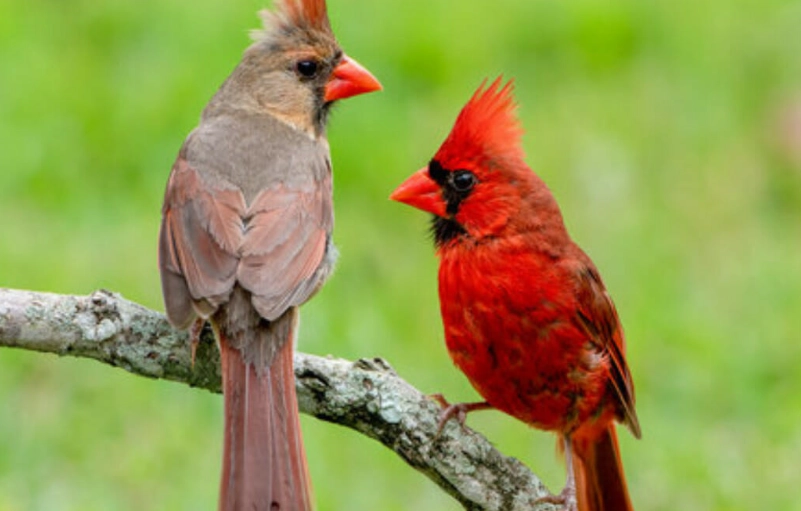
Other behavioral clues include less fear of humans (though this varies widely), clumsier foraging techniques (pecking at the wrong things), and simply sticking close to an adult bird.
Spotting the Kids: Common Backyard Birds
Let's apply what we've learned. Here’s a breakdown of how to spot the juveniles of some of the most common North American backyard birds. This table is the cheat sheet you'll want to come back to.
| Bird Species | How to Identify the Juvenile (Key Differences from Adult) | Special Behavioral Clue |
|---|---|---|
| American Robin | Heavily spotted breast (like black chevrons on a white background), not the solid rusty-red of adults. Duller brown back. Speckled dark eye (vs. solid black). | Often seen on lawns following an adult, making soft "peek" calls. The spots are the #1 giveaway. |
| Northern Cardinal | Both sexes are a dull tan-brown. Males have blackish bills (adult male bill is coral red) and may show patches of red coming in on wings, tail, and crest. Looks like a "painted bunting" in progress. | Begging call is a sharp, rapid *chip-chip-chip*. They are notoriously clumsy fliers when first out of the nest. |
| Blue Jay | Duller blue overall, with less defined crest. White markings on wings and tail are grayer. May have faint streaking on underparts. | Extremely loud, raspy begging calls that sound like a broken gate hinge. They are relentless. |
| House Sparrow | Both sexes look similar to adult females (dull brown). Pale, yellowish bill (adults have dark gray bills). Throat and bib are pale, not black (males) or well-defined (females). | Constantly chase adults with wings quivering. Form noisy juvenile flocks in late summer. |
| Mourning Dove | Extremely scaly appearance overall due to pale buff or white edges on most feathers. Almost no iridescence on the neck. Eyes appear darker. | Often sit still for long periods. Their begging call is a soft, insistent squeak heard near a patient-looking adult. |
| American Crow | Very difficult! Eyes are blue-gray for the first few months (adults have dark brown eyes). Feathers at the throat can look looser, giving a slight "fuzzy" look. Their calls are higher-pitched and more nasal. | The eye color is the best visual clue. Listen for their whiny, questioning *aaaah?* call directed at parents. |
See how it works? Once you know what to look for, the puzzle starts to solve itself. That scruffy, spotted robin isn't a different bird—it's this year's model.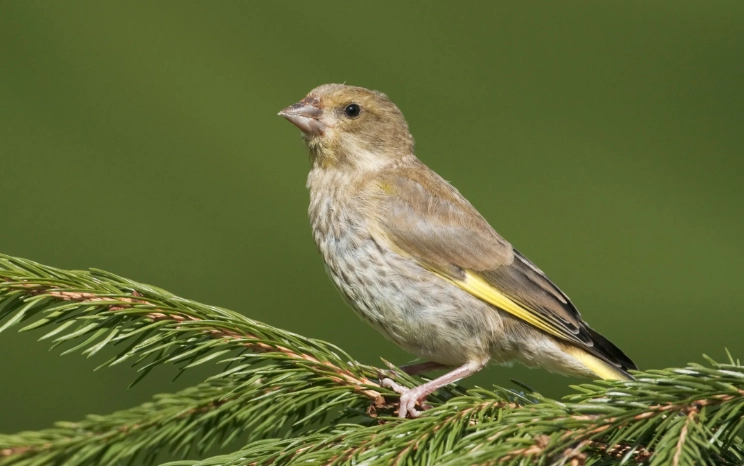
Beyond Songbirds: Other Bird Families
It's not just your backyard songsters. The principles apply everywhere.
Birds of Prey (Hawks, Eagles): Juveniles are often *more* streaked or spotted than adults. A juvenile Red-tailed Hawk lacks the famous rusty-red tail; it's brown with dark bands. Their eyes are often a pale yellow (changing to dark brown as adults in some species). Their plumage is generally fresher-looking. The Cornell Lab of Ornithology's All About Birds guide on Red-tailed Hawks has excellent side-by-side comparisons that highlight these age differences.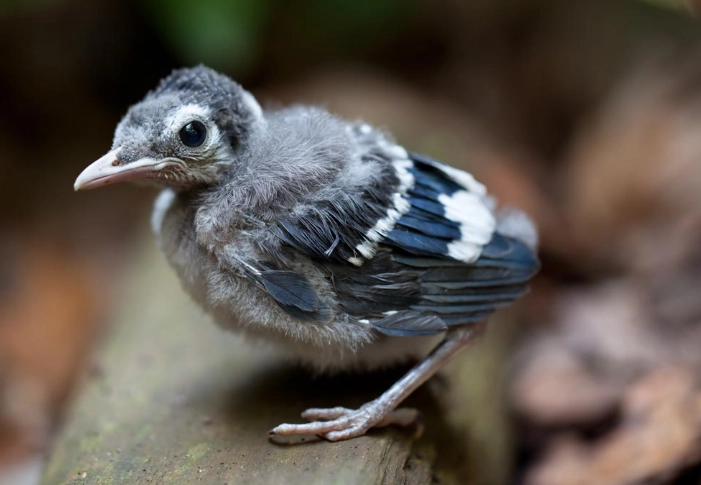
Waterfowl (Ducks, Geese): Ducklings are obvious, but the teenage phase—the juveniles—can be confusing. They often resemble adult females but are even duller and more streaked. Canada Goose goslings are yellow and fluffy, but by late summer, they look almost adult-sized but are a uniform, drab brown without the clean white cheek patch or sharp neck contrast. Their plumage is just messy.
Gulls: This is advanced mode. Gull juveniles are a nightmare of mottled browns and grays, taking 2-4 years to reach adult plumage. The key here is to accept the messiness. If you see a gull that looks like it's been dipped in mud and coffee, it's a juvenile. The National Audubon Society's website has fantastic resources and guides that tackle complex identifications like gull aging.
Your Practical Identification Checklist
When you see a questionable bird, run through this mental list. The more "yes" answers, the more likely it's a juvenile.
- Plumage: Is it fuzzy, streaky, spotted, or noticeably duller than the adult of that species should be?
- Bill & Mouth: Are there fleshy yellow or pink corners (gape) at the base of the bill? Does the bill color or shape look "immature"?
- Eyes: Are the eyes a different color than the adult's (e.g., brown vs. black, dark vs. pale)?
- Proportions: Does it look a bit awkward—short tail, fresh unworn wing feathers, clumsy posture?
- Behavior: Is it begging (wing-fluttering, persistent calling directed at another bird)? Is it following another bird closely and acting dependent?
If you tick 3 or more of these boxes, you've successfully cracked the case of how to tell if a bird is a juvenile.
Common Questions (& Mistakes) Answered
Tools and Resources to Level Up
You don't have to do this alone. Use these tools to confirm your hunches.
- Your Field Guide: Don't just look at the main picture. Read the text! Most good guides like Sibley or National Geographic explicitly describe juvenile plumage. Look for sections titled "Juvenile" or "Immature."
- Cornell Lab's Merlin App: This is a game-changer. Use the Photo ID feature. Take a picture of the bird in question, and it will give you options. Often, it will list "Juvenile" as a separate option (e.g., "American Robin (Juvenile)"). It's a fantastic learning aid.
- eBird.org: When you browse species maps and photos, filter the photos by "Age/Sex" and select "Juvenile." You'll see hundreds of real-world examples uploaded by other birders. It shows the incredible variation and is more helpful than a single artist's depiction.
The journey of figuring out how to tell if a bird is a juvenile is what makes birding a lifelong hobby. There's always more to learn, a new subtlety to notice. It transforms a simple activity into a deeper connection with the natural cycles happening right outside your window. You stop just seeing "a robin" and start seeing a story—a newly independent youngster, a harassed parent, the success of a new generation. So grab your binoculars, and happy detective work.
Next time you see that scruffy-looking bird, you'll know. You'll smile, maybe note it in your journal as "Juvenile American Robin," and feel that little thrill of understanding. That's the real reward.
Reader Comments