Let's cut to the chase. Jamaica isn't just about beaches and reggae. For birders, it's a living treasure chest, isolated in the Caribbean long enough to evolve a stunning collection of birds found nowhere else on Earth. We're talking about 28 endemic species. That's a big deal for an island this size. Forget just ticking off a list; finding these birds means hiking into misty mountains, exploring tangled limestone forests, and understanding a unique ecosystem. I've spent years tracking them down, and I can tell you, the thrill of spotting a Jamaican Owl or hearing the scratchy call of a Jamaican Blackbird is worth every bit of effort.
Your Quick Guide to Jamaica's Endemic Birds
The Full Roster: Jamaica's 28 Endemic Bird Species
You need to know what you're looking for. Here's the definitive table. I've sorted it not just by name, but by how you might encounter them—some are backyard regulars, others are ghosts of the high elevation forests.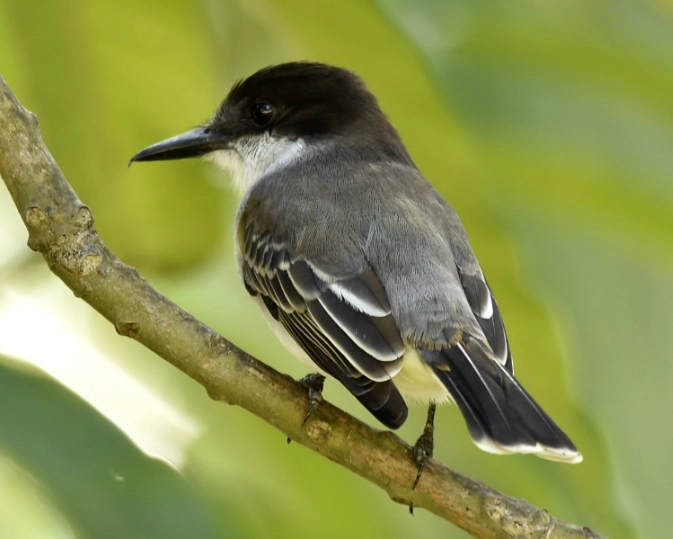
| Common Name | Scientific Name | Conservation Status (IUCN) | Best Place to Find It |
|---|---|---|---|
| Red-billed Streamertail | Trochilus polytmus | Least Concern | Almost anywhere with flowers; gardens, forests. |
| Jamaican Mango | Anthracothorax mango | Least Concern | Forest edges, flowering trees. |
| Jamaican Lizard-Cuckoo | Coccyzus vetula | Least Concern | Woodlands, scrub; often heard before seen. |
| Jamaican Owl | Pseudoscops grammicus | Least Concern | Open woods, pastures with large trees. |
| Jamaican Woodpecker | Melanerpes radiolatus | Least Concern | Forests, orchards, even urban parks. |
| Jamaican Becard | Pachyramphus niger | Least Concern | Mid-level to high elevation forests. |
| Jamaican Crow | Corvus jamaicensis | Least Concern | Hill forests, especially around Cockpit Country. |
| Jamaican Blackbird | Nesopsar nigerrimus | Endangered | High elevation fern forests (John Crow, Blue Mtns). |
| Jamaican Oriole | Icterus leucopteryx | Least Concern | Varied habitats, including coconut plantations. |
| Jamaican Spindalis | Spindalis nigricephala | Least Concern | Forests, woodlands; the male is spectacular. |
That's just a sample. The list also includes the charming Jamaican Tody, the elusive Ring-tailed Pigeon, the skulking Yellow-shouldered Grassquit, and others. The Jamaican Blackbird is the real prize for hardcore listers. It's endangered, restricted to a specific habitat of moss-laden trees above 1200m, and has a haunting, scratchy song. Seeing one feels like an accomplishment.
A common mistake beginners make is assuming all endemics are equally hard to find. Not true. The Streamertail (the "Doctor Bird") will find you if you stand near a hibiscus bush. The real skill is separating the similar-looking Jamaican Vireo from the migrant warblers, or knowing the call of the Jamaican Elaenia in a crowded canopy.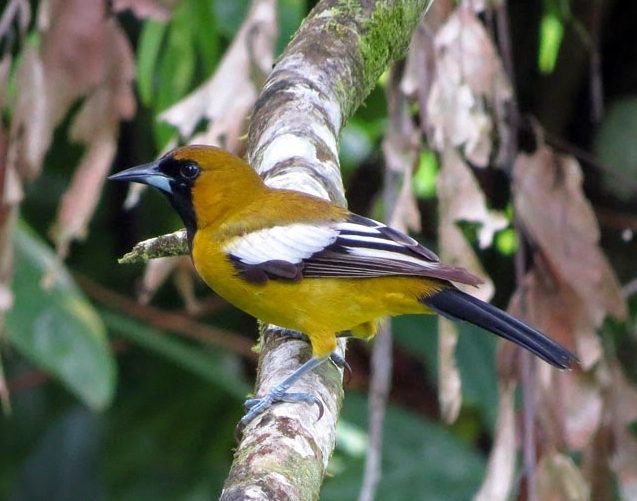
Where to Go: The Top Birding Locations in Jamaica
Location is everything. You can't just stay at an all-inclusive in Montego Bay and expect to clean up the list. Jamaica's terrain dictates where the birds are.
1. The John Crow Mountains & Blue Mountains
This is the holy grail for the high-elevation specialists. The road from Kingston up to Hardwar Gap and the Blue Mountain Peak trail are legendary. You come here for the Blackbird, the Ring-tailed Pigeon, and the Blue Mountain Vireo. The air is cool, the coffee is great, and the forest is dripping with epiphytes. A local guide here is almost non-negotiable for finding the best spots off the main trail. I remember my first time at Hardwar Gap, the fog rolled in so thick I could barely see my binoculars, but the chorus of Jamaican Vireos and Rufous-throated Solitaires (a near-endemic) was unforgettable.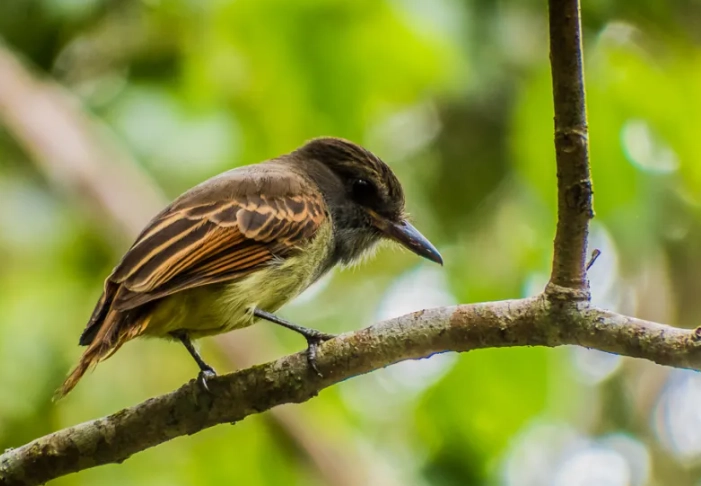
2. The Cockpit Country
This is a labyrinth of limestone hills, caves, and dense rainforest in the island's interior. It feels prehistoric. Access is via specific trails from towns like Albert Town or Windsor. This is the stronghold for the Jamaican Crow and the Black-billed Parrot (one of two endemic parrots). The terrain is tough, and trails can be confusing. Hiring a guide from a community-based tourism outfit like the Southern Trelawny Environmental Agency is smart—they know the paths and the parrot roosts.
3. Rocklands Bird Sanctuary & Ecclesdown Road
For a more relaxed experience, these spots are gold. Rocklands, near Anchovy, is famous for hand-feeding the Red-billed Streamertail. It's touristy but magical. Ecclesdown Road on the eastern end is a birding highway through fantastic wet limestone forest. Drive slowly, stop often. You can get Jamaican Lizard-Cuckoo, Chestnut-bellied Cuckoo, both todies (Jamaican and Narrow-billed), and maybe even a Crested Quail-Dove shuffling on the road. It's productive without being a brutal hike.
Proximity Tip: Don't try to do the Blue Mountains and Cockpit Country in the same day. The roads are winding. Base yourself in Kingston for the east (Blue Mtns, Ecclesdown) and in Mandeville or around Falmouth for the west (Cockpit Country, Rocklands).
How to Plan Your Jamaica Endemic Birding Trip
Let's get practical. A successful trip hinges on timing, logistics, and a bit of local insight.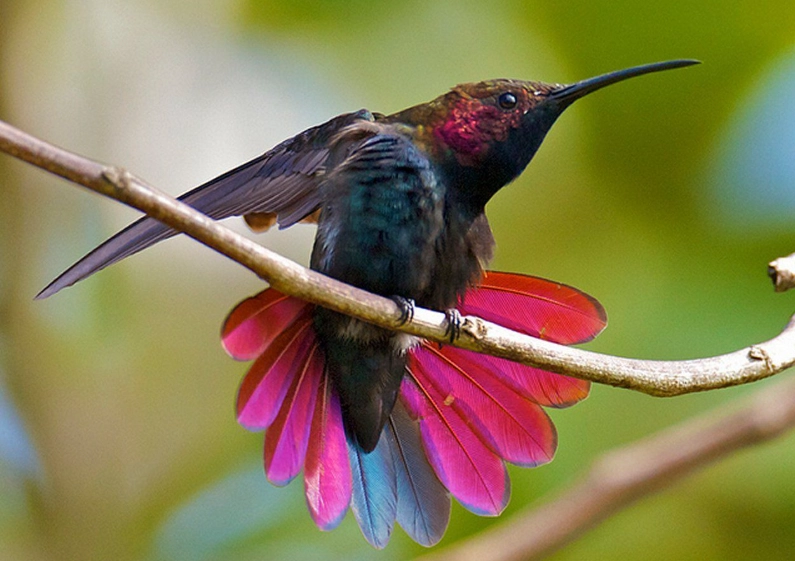
When to Go: The dry season (roughly December to April) is best. Trails are passable, rain is less likely to ruin your morning, and migratory birds from North America add to the list. But honestly, the endemics are there year-round. I've had great trips in May, just before the summer rains get heavy.
Sample Itineraries:
- The 3-Day Blitz: Day 1: Ecclesdown Road. Day 2: Blue Mountains/Hardwar Gap. Day 3: Rocklands Sanctuary. You'll miss the Cockpit Country specialists but get most others.
- The 7-Day Deep Dive: This is the way. Add 2 days for Cockpit Country (staying in Albert Town), a day for the Black River Lower Morass (for wetland birds and the West Indian Whistling-Duck), and a day for the Hellshire Hills (for the Jamaican Crow subspecies and dry forest birds).
Gear You Actually Need: Binoculars (8x42 is perfect), a field guide (the Birds of the West Indies by Raffaele et al. is the bible), a sound recording app on your phone (Merlin Bird ID is shockingly good for Jamaica), and sturdy, broken-in hiking boots. The limestone rocks are sharp and slippery. I learned that the hard way.
Common Challenges & Pro Tips from the Field
Here's where most blog posts stop. They give you the list and the locations, but not the gritty details of actually finding the birds.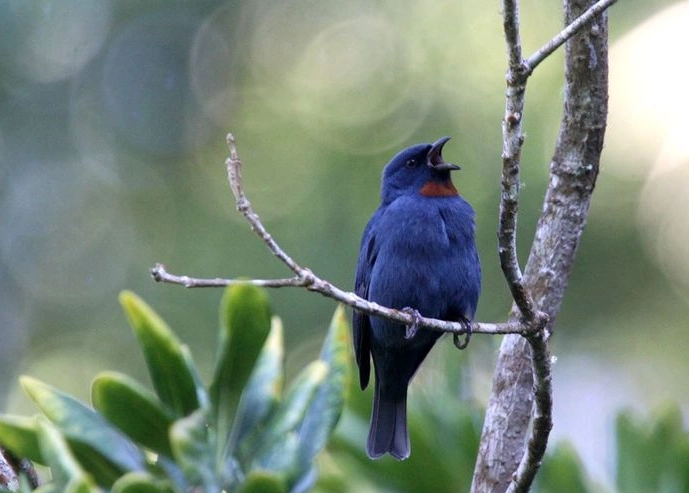
The Jamaican Blackbird Problem: Everyone wants it. The mistake is hiking the Blue Mountain Peak trail at dawn, not hearing it, and giving up. Try this: In the John Crow Mountains, around 1500m elevation, listen for its distinctive call around mid-morning when the fog lifts slightly. It often feeds in the canopy of Podocarpus trees. It's not a lowland bird. If you don't go high, you won't see it. Full stop.
Finding the Jamaican Owl: It's not in deep forest. Look for open cattle pastures with scattered, large, gnarled trees. Listen at dusk for a low, gruff "whuuuuh" call. They often perch on exposed branches. A spotlight (used responsibly and briefly) can help locate them. A local guide will know specific, reliable territories.
The "Similar Species" Trap: Is that a Jamaican Elaenia or a Greater Antillean Elaenia? The calls are different. Is that a female Jamaican Spindalis or a Stripe-headed Tanager? Spend time before your trip learning the songs and calls. Sight is only half the battle in a dense tropical forest.
Conservation Status & Responsible Birding in Jamaica
BirdLife International lists several Jamaican endemics as threatened, primarily due to habitat loss. The Black-billed and Yellow-billed Parrots suffer from poaching for the pet trade. When you bird here, you're a guest.
Always hire local guides when exploring sensitive areas like Cockpit Country. It supports the economy and gives locals a reason to protect the forest. Stick to established trails. Play bird calls sparingly and never for threatened species. Your presence should have minimal impact. Organizations like the BirdsCaribbean do fantastic work supporting conservation and research on the island.
Frequently Asked Questions (From a Birder's Perspective)
Do I need a guide to see the endemic birds of Jamaica?
For some, no. You can see Streamertails, Jamaican Orioles, and others on your own. For the tough ones—especially the Jamaican Blackbird, the parrots in Cockpit Country, and the owl—a good local guide is the difference between success and frustration. They know the exact spots, the calls, and the behavior. For a first-time visitor aiming for a high count, investing in a guide for key locations is the single best decision you can make.
What's the best time of year for birding in Jamaica to see all the endemics?
The dry season (December to April) offers the most predictable weather. But don't be afraid of the shoulder months like November or May. The birds are resident; they aren't going anywhere. The real factor is accessibility. After heavy rains, roads like Ecclesdown can get muddy, and trails in the mountains become slippery. Focus on the dry season for ease, but any time can be productive if you're prepared for rain.
Which Jamaican endemic bird is the most difficult to spot?
Hands down, the Jamaican Blackbird. Its habitat is the most restricted (high-elevation elfin forest), it's not common even there, and it can be quiet and forage high in the canopy. The Crested Quail-Dove is a close second—it's a shy, ground-dwelling bird in dense forest. You're more likely to hear its low coo or glimpse it fleeing across a trail than to get a prolonged view.
Can I see good birds without doing serious hiking?
Absolutely. Focus on locations like Rocklands Bird Sanctuary (you sit and they come to you), the grounds of good eco-lodges, and roadside birding on roads like Ecclesdown. You'll miss the Blackbird and the peak forest species, but you can easily see 15+ endemics with minimal exertion. Birding from your hotel balcony if it's near a garden can yield surprising results.
Reader Comments