You’re out on a trail, binoculars up, and there it is—a dark shape circling high overhead. Is it a Red-tailed Hawk? A Cooper’s? Maybe a harrier? That moment of uncertainty is what makes hawk identification so frustrating and so rewarding. Most guides overwhelm you with plumage details you can’t possibly see. Let’s cut through that. After years of guiding bird walks and watching hawks from my own backyard, I’ve learned that successful ID relies less on perfect photos and more on a few, consistently observable clues. Forget trying to spot the red tail from a mile away. We’re going to talk about shape, behavior, and the one mistake almost every beginner makes.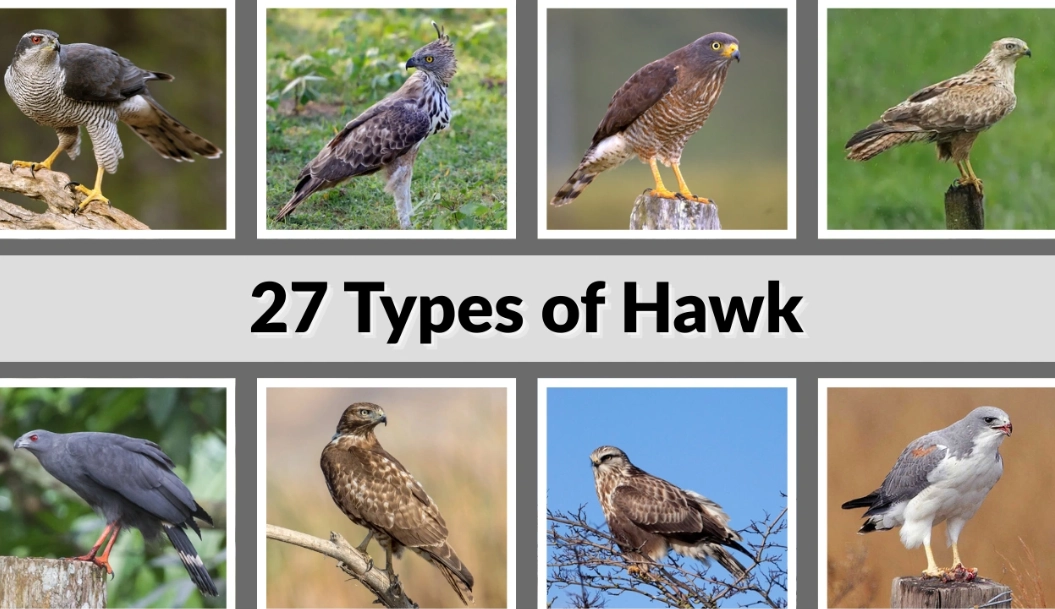
What’s Inside This Guide
Why Hawk ID Feels So Hard (And It’s Not Your Fault)
Field guides show perfect, close-up portraits. Real life gives you a blurry blob against a bright sky. The frustration is real, and it usually comes from three places.
First, we’re taught to look for color first. Bad move. Lighting changes everything. A Red-tailed Hawk’s famous tail can look brown, gray, or invisible in shadow. A “blue” Sharp-shinned Hawk might just be a Cooper’s in poor light. Color is the most variable and least reliable feature.
Second, hawks change clothes. Juvenile hawks often look radically different from their parents. A young Bald Eagle is a mottled brown mess for years before getting the white head and tail. If you’re only looking for the adult pattern, you’ll misidentify half the birds you see.
Lastly, we ignore context. Where is the bird? What is it doing? A hawk perched on a highway sign is behaving differently than one soaring over a marsh. That behavior narrows the possibilities instantly. A classic rookie error I see is someone calling every large, soaring hawk a Red-tail. Sure, it often is, but not if it’s over a wide-open marsh holding its wings in a steep V. That’s a harrier.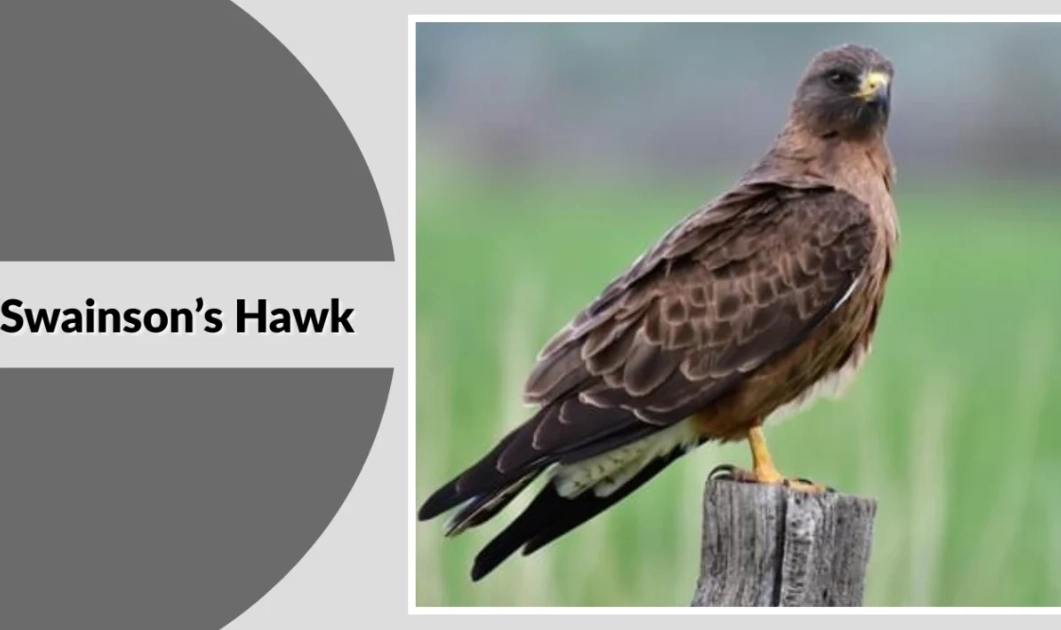
Master the Silhouette: Your #1 Identification Tool
Shape is constant. It doesn’t change with light, age, or season. Learning silhouettes is like recognizing a friend by their walk from far away. You’re not seeing their face, but you know it’s them.
When that dark shape goes across the sky, ask yourself three questions about its outline:
Wing Shape: Long and Slender vs. Short and Broad
Are the wings long and pointed, like a fighter jet? Think falcons (which, yes, are technically different, but often confused). Are they long but with splayed "fingers" at the tips? That’s typical of eagles and some buteos. Are they short, wide, and almost paddle-shaped? That screams Broad-winged Hawk. This single feature can split the hawk world into major groups.
Tail Shape and Proportion
Is the tail incredibly long, like a rudder? That’s an Accipiter (Cooper’s, Sharp-shinned). Is it short and fan-like? Think Buteo (Red-tailed, Red-shouldered). Is it pinched in the middle, giving an hourglass look? That’s a strong clue for a Swainson’s Hawk. Don’t just look at the tail pattern—look at its length relative to the wing.
Head Projection
Does the head stick out noticeably in front of the wings? A strong projection is a classic mark of an Accipiter or a falcon. If the head seems small and tucked in, barely peeking past the leading edge of the wing, you’re likely looking at a Buteo. This is huge for telling a Cooper’s Hawk (big head projection) from a crow (small head projection) in fast flight.
| Silhouette Feature | Buteo (Red-tailed, Red-shouldered) | Accipiter (Cooper’s, Sharp-shinned) | Northern Harrier |
|---|---|---|---|
| Wing Shape | Broad, rounded, often held in a slight dihedral (V) | Shorter, rounded, built for maneuverability | Long, slender, held in a distinct dihedral (V) |
| Tail Proportion | Shorter, wider, fan-shaped | Very long, acts like a rudder | Long and narrow |
| Flight Style | Powerful, deep wingbeats; often soars | Several rapid flaps followed by a glide | Low, buoyant, rocking glide over open ground |
Behavior Tells the Story: What the Hawk is Doing
A hawk’s job is to survive. How it hunts and moves is a massive identification clue. You can often get an ID before you see any plumage detail.
The Patient Perch Hunter: Red-tailed Hawks, Cooper’s Hawks. They sit for ages on a tree branch, pole, or cliff edge, scanning. Then a sudden, powerful strike. If you see a large hawk just sitting and staring for minutes on end, think Red-tail. A smaller, more upright hawk doing the same in a wooded area? Likely a Cooper’s.
The Low-Level Glider: Northern Harrier. This is a dead giveaway. No other common North American hawk flies like this—wings held in a pronounced V, skimming just feet above marshes or fields, often tilting side to side. If you see this, it’s a harrier. The white rump patch on males and females just confirms it.
The Aerial Soarer: Broad-winged Hawk, Swainson’s Hawk. These birds love to catch thermals and circle high. Broad-wings often form huge flocks (kettles) during migration. Their compact, stocky silhouette with short tail is key.
The Dashing Pursuer: Sharp-shinned Hawk, Merlin. Fast, agile, often low to the ground. They chase birds through thickets or across open spaces. A blur of motion more than a defined shape. If a small raptor zips through your backyard like a missile, it’s probably one of these.
I remember once watching a bird soar beautifully over a ridge. Its wings were broad, tail fanned. “Red-tail,” I thought confidently. Then it did a series of quick, snappy flaps followed by a tight glide. That flap pattern was all wrong for a Red-tail. I looked closer at the silhouette—the tail was too long, the head projection too strong. It was a juvenile Red-shouldered Hawk. The behavior corrected my lazy first impression.
Looking Beyond Color: The Real Field Marks That Matter
Okay, you’ve got the shape and behavior. Now you can bring in the details. But focus on high-contrast patterns you can actually see at a distance.
The Belly Band: Not all Red-tailed Hawks have one, but when they do, it’s a great marker—a band of dark streaks across a pale belly. Look for it when the bird banks in the sun.
Patagial Marks: This is a nerdy term for a super useful mark. It’s the dark comma-shaped bar on the leading edge of a Red-tailed Hawk’s wing, near the shoulder. It’s present on almost all Red-tails, adults and juveniles. No other common Buteo has it so consistently. If you see that dark leading edge on a soaring bird, you can call it a Red-tail with high confidence.
Transparent Wing Panels: On a flying Sharp-shinned or Cooper’s Hawk, look at the base of the outer wing feathers. They can appear paler, almost translucent, especially in younger birds. It’s a subtle but helpful clue when combined with shape.
White Rump: The Northern Harrier’s calling card. A bright white patch right above the tail, visible on both males and females in flight. Unmistakable.
Stop looking for “red shoulders” on a Red-shouldered Hawk. You’ll rarely see them. Instead, look for the heavily barred black-and-white tail and wings, and that checkered black-and-white back pattern on adults.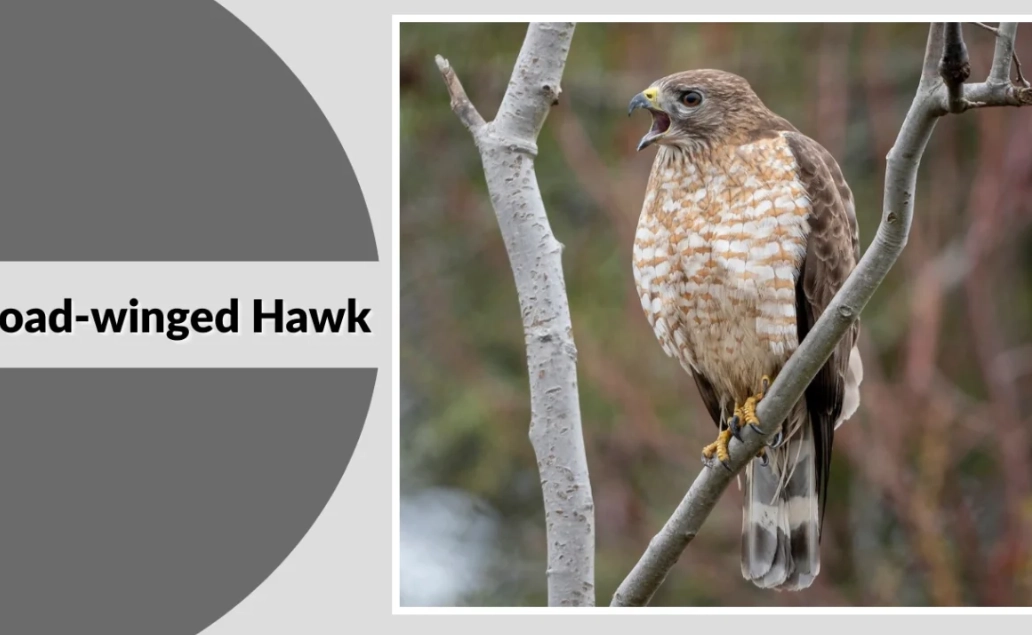
Putting It All Together: Side-by-Side Scenarios
Let’s walk through two common, tricky situations.
Scenario 1: The Large, Soaring Hawk Over an Open Field
Bird A: Broad, rounded wings held in a shallow V. Tail is short and wide, fanning slightly. Wingbeats are slow, powerful. You might see a dark belly band or dark patagial marks. Verdict: Red-tailed Hawk. The classic.
Bird B: Wings are also broad but seem more “paddle-shaped” and slightly shorter. Tail is short. The whole bird looks compact, almost chunky. It’s circling with dozens of others. Verdict: Broad-winged Hawk, especially likely during migration.
Scenario 2: The Medium-Sized Hawk in Woodland or Your Suburb
Bird A: Perched upright on a branch. Looks “neck-less” with a small head. If it flies, the tail is long and narrow with clear white bands. Wings are broad but more tapered. Call is a loud, repeated “kee-yah!”. Verdict: Red-shouldered Hawk.
Bird B: Larger head that projects well forward. Build is more like a football—barrel-chested with a long tail. Sits more horizontally. In flight, it has several quick flaps and a glide. Verdict: Cooper’s Hawk (if large) or Sharp-shinned (if very small).
The biggest leap in your hawk ID skills comes when you stop searching for a single “magic mark” and start absorbing the whole picture: the silhouette against the sky, the behavior over the landscape, and finally the supporting patterns. It becomes a puzzle, and solving it is the real joy of birding.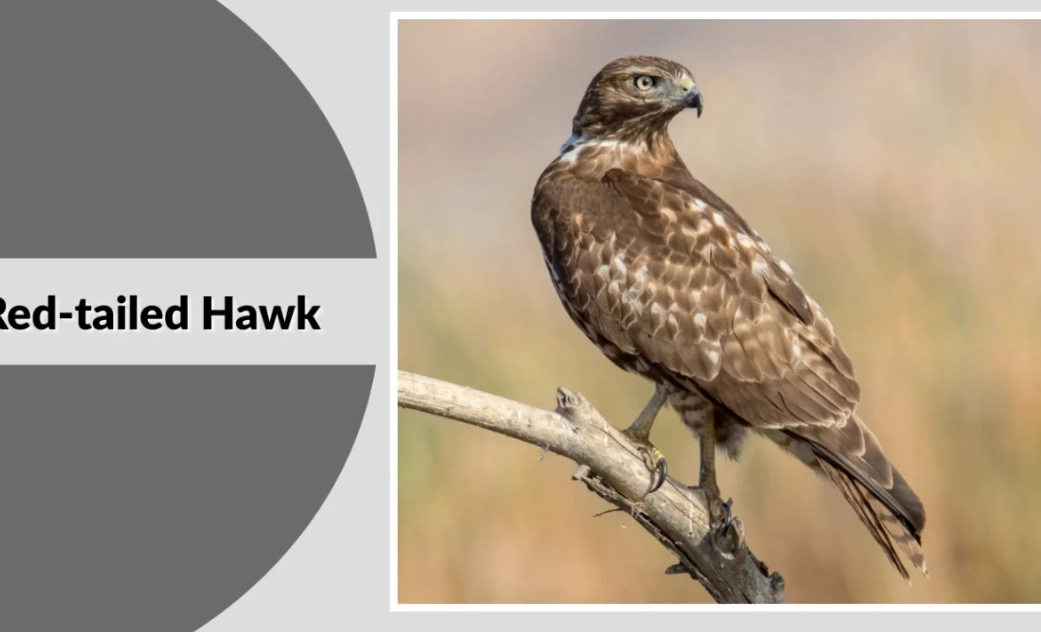
Reader Comments