What You’ll Discover
Let's be honest. You see a flash of feathers at the feeder, hear a weird chirp from the tree, and the question pops up: what bird is that? For years, I'd just shrug and say "some kind of bird." It felt like everyone else had this secret knowledge I didn't. Turns out, they didn't. They just knew a few simple tricks for bird identification for common species, the kind you see every day. That's what this is about. No fancy degrees needed, just a bit of focused looking and listening.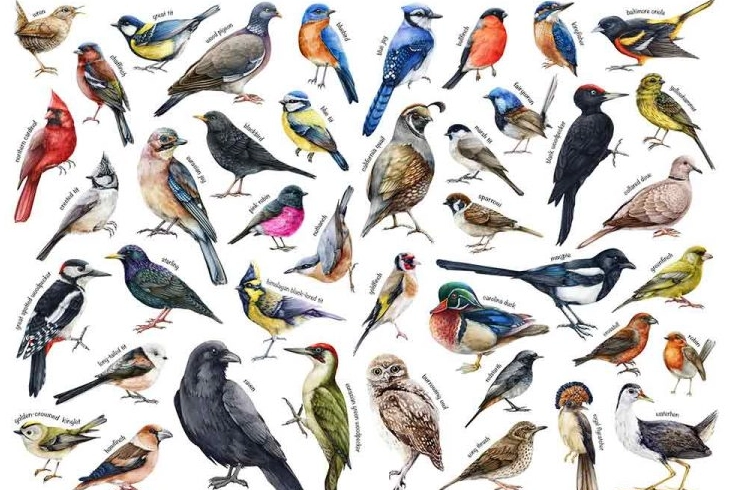
This whole bird identification thing isn't about memorizing a dusty old encyclopedia. It's more like learning to recognize your neighbors. You notice their shape, how they move, the sound of their voice. It makes a morning walk or staring out the kitchen window way more interesting. Suddenly, your backyard isn't just green space; it's a diner, a nursery, and an aerial highway all at once.
Why Bother Learning Bird ID?
Beyond the simple joy of putting a name to a face, knowing your local birds connects you to the rhythms of nature. You'll notice when the robins return, when the goldfinches turn from dull to brilliant yellow, and which hawk is patrolling the neighborhood. It turns background noise into a story. Plus, it's a fantastic excuse to just... slow down and look.
The Core Pillars of Bird Identification: Your Mental Checklist
When you're starting out, staring at a bird can feel overwhelming. It's a blur of color and motion. The key is to break it down. Don't try to absorb everything at once. Run through this mental list, one item at a time. It's the foundation of all reliable bird identification for common species.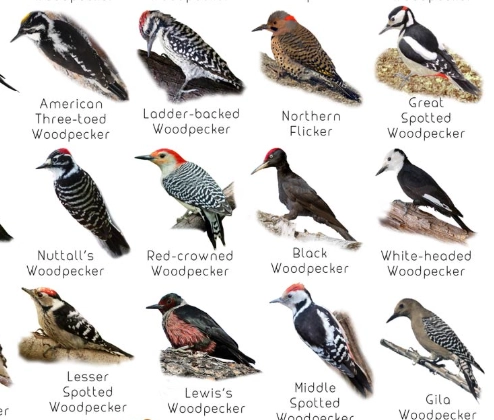
Size and Shape: The Silhouette is King
Forget color for a second. Color can be tricky—lighting changes it, females are often duller, and juveniles look totally different. Shape is constant. Is the bird shaped like a football on a stick (a robin)? A sleek torpedo with a pointy beak (a starling)? A tiny, round fluffball (a chickadee)?
Compare it to a bird you know well. Is it bigger than a robin? Smaller than a crow? Sparrow-sized or pigeon-sized? Get the silhouette right, and you've already eliminated half the possibilities.
Pro Tip: Pay special attention to the beak. A short, thick beak is built for cracking seeds (finches, sparrows). A long, thin, pointed beak is for probing into flowers (hummingbirds) or catching insects (warblers, flycatchers). A hooked beak means a predator (hawks, owls). The beak tells you its job.
Color and Markings: The Fine Details
Now, bring in the color. But be specific. Don't just say "red." Is it a bright crimson all over (like a male Northern Cardinal) or just a reddish patch on the head (like a House Finch)? Look for patterns.
- Eye-rings or stripes: Many warblers have bold eye-rings or stripes over the eye.
- Wing bars: Those pale lines across the wings are huge clues for identifying smaller birds.
- Breast spotting or streaking: Is the chest clean, spotted (like a thrush), or heavily streaked (like many sparrows)?
- Tail patterns: Does it have white outer tail feathers that flash when it flies (like a Dark-eyed Junco)?
I remember spending ages trying to identify a sparrow. It was just a little brown job. Then I noticed its single, dark central breast spot. Bingo. Song Sparrow. That one detail unlocked it.
Behavior and Habitat: Context is Everything
Where you see the bird and what it's doing are massive clues. A bird clinging upside-down on a tree trunk is almost certainly a nuthatch. A bird methodically hopping across your lawn, stopping to listen, then jabbing its beak into the soil is almost definitely an American Robin looking for worms.
Ask yourself:
- Where is it? High in a conifer? Scratching in leaf litter under a bush? Skimming over a pond?
- What's it doing? Pecking at bark? Hovering at a flower? Soaring in wide circles?
- How does it move? Does it bob its tail constantly (like a Eastern Phoebe)? Does it walk or hop?
A bird's chosen habitat narrows the field dramatically. You won't find a duck in a dense forest, and you won't find a woodpecker in the middle of a lake.
The Often-Forgotten Clue: Bird Sounds and Calls
This is the secret weapon for bird identification for common species. Often, you'll hear a bird long before you see it. Learning a few common sounds is a game-changer. You don't need to memorize complex songs at first. Just learn the common calls.
The American Robin has a cheerful, rising-and-falling whistled phrase: "cheerily, cheer up, cheer up, cheerily." The Northern Cardinal has a sharp, metallic "chip" call. The Black-capped Chickadee says its own name: "chick-a-dee-dee-dee." The mourning dove's coo is unmistakable once you know it.
I resisted learning sounds for ages—it seemed too hard. Then I focused on just one: the Blue Jay's loud, raspy "Jay! Jay!" call. Once I knew it, I realized they were everywhere. It made the woods feel more populated.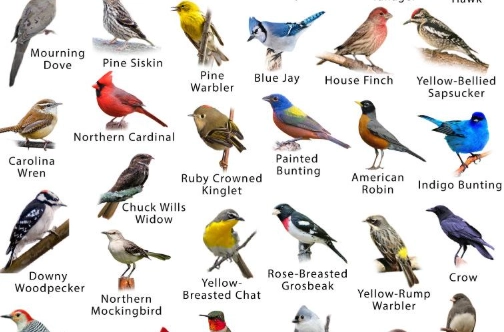
A Quick Warning: Don't use playback of bird calls to attract birds, especially during nesting season. It stresses them out and can draw them away from their nests, leaving eggs or chicks vulnerable. It's a major ethical no-no in the birding community. Just listen naturally.
Your Toolkit for Bird Identification Success
You don't need expensive gear to start. Your eyes and ears are the primary tools. But a few things can help immensely.
A Good Field Guide (The Old Reliable)
A physical book or a reputable app is your reference. I still love a physical guide because you can flip pages and compare side-by-side. A classic like the Sibley or National Geographic guide is fantastic. They're organized logically (often by bird family and shape) and have accurate illustrations showing birds in different poses, seasons, and sometimes ages.
The trick is to use it after you've observed the bird. Note down the key features (size, shape, color patterns, behavior) first. Then, open the guide. If you start by randomly flipping through hundreds of pictures, you'll just get confused.
Binoculars: Bringing the Bird Closer
You don't need $2000 binoculars. A decent pair in the $100-$200 range from a brand like Nikon or Celestron is perfect for beginners. Look for something labeled 8x42. The 8x means magnification (8 times closer), and the 42 is the diameter of the front lens in millimeters, which affects how much light it gathers. A 8x42 is a great, versatile choice for general birding.
The main thing is to use them. Practice focusing on stationary objects in your yard before you try to track a flitting bird.
Digital Aids: Apps and Online Resources
This is where technology shines for modern bird identification for common species.
- Merlin Bird ID by the Cornell Lab of Ornithology: This free app is a miracle for beginners. You can answer five simple questions (size, colors, location, etc.), and it gives you a list of likely birds. Its "Sound ID" feature can even listen and suggest what's singing around you in real time. It's scarily accurate and a fantastic learning tool.
- eBird: Also from Cornell, this is more for logging your sightings and exploring what birds others are seeing in your area. Checking the "Explore" maps before you go out can tell you what species are being reported nearby, which helps set expectations.
- All About Birds: The Cornell Lab's website is an incredible, free encyclopedia. Their bird guide pages have photos, range maps, detailed ID info, and, crucially, sound recordings.
I lean on Merlin constantly when I hear a new song. It's like having a patient expert in your pocket.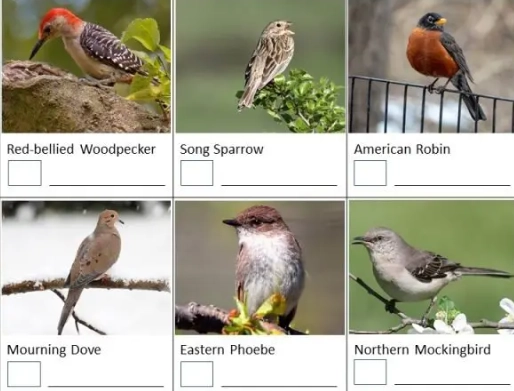
My Two Cents: I started with just a cheap pair of binoculars and a paperback guide I found at a used bookstore. The apps came later. Don't feel pressured to get all the gear at once. Start with what you have. The most important tool is your own curiosity.
Meet the Neighbors: A Closer Look at 5 Very Common Birds
Let's apply what we've learned to some birds you're almost guaranteed to see in much of North America. This practical bird identification for common species drill will make the process concrete.
| Bird Name | Size & Shape | Key Color & Markings | Behavior & Habitat | Signature Sound |
|---|---|---|---|---|
| American Robin | Large (for a songbird), football-shaped body, longish legs. | Gray-brown back, warm orange-red breast and belly, dark head, white patches around eyes and under tail. | Classic lawn bird. Hops, stops, cocks head to listen, then pulls up earthworms. Often seen in yards, parks, open woodlands. | Series of clear, rising and falling whistles: "cheerily, cheer up, cheer up, cheerily." Also a rapid, tutting alarm call. |
| Northern Cardinal | Medium, with a prominent crest (head feathers) and a thick, reddish beak. | Male: Vibrant red all over. Female: Warm tan/buff with reddish tinges on wings, tail, and crest. Both have black face mask. | Often seen at bird feeders (loves sunflower seeds). Pairs often stay together year-round. Found in shrubby areas, woodland edges, suburbs. | Loud, clear whistled phrases like "what-cheer, what-cheer" or "purdy, purdy, purdy." Sharp, metallic "chip" call. |
| Black-capped Chickadee | Tiny, round, with a large head relative to body. No neck to speak of. | Black cap and bib, white cheeks, gray back, buff-colored sides. | Fearless, acrobatic, and curious. Flits from branch to branch, often hanging upside down. Common at feeders (loves suet). Found in deciduous and mixed woods. | Namesake call: "chick-a-dee-dee-dee." A clear, whistled "fee-bee" song (second note lower). |
| Blue Jay | Large, robust songbird with a prominent crest. | Brilliant blue on wings, tail, and crest. White or light gray underside. Black "necklace" and markings on face and wings. | Loud, bold, and sometimes a bully at feeders. Intelligent. Often mimics hawk calls. Common in oak woods, parks, suburbs. | Loud, raspy "Jay! Jay!" call. A variety of rattles, whistles, and imitations. |
| Mourning Dove | Slender, graceful dove with a small head and long, pointed tail. | Soft, gray-brown body with pinkish hue on breast. Black spots on wings. Tail has white edges visible in flight. | Often seen perched on telephone wires or foraging for seeds on the ground. Fast, direct flight with whistling wing sounds. Ubiquitous in open country, farms, suburbs. | Soft, haunting, cooing: "coo-OO-oo-oo." Often mistaken for an owl by beginners. |
See how each one has a distinct combination of traits? Once you know these five really well, you'll have a solid base. New birds will stand out because they aren't one of these.
Leveling Up: Tackling Tricky Groups and Situations
Okay, you've got the basics down. Now for the real fun—the puzzles. Some birds are notoriously tough. Here's how to approach them.
Those Confusing Little Brown Birds ("LBBs"): Sparrows and Friends
This is the final boss for many beginners. A flock of small, streaky birds on the ground. Don't panic. Go back to your pillars.
- Bill: Is it thick and seed-cracking (sparrow/finch) or thin and pointy (warbler)?
- Head Pattern: This is huge. Look for stripes on the head. Is there a central crown stripe? Eyebrow stripes? A dark line through the eye?
- Breast: Heavily streaked? One central spot (Song Sparrow)? Clean (like some female finches)?
- Habitat: Are they in a weedy field (Savannah Sparrow)? Under a dense bush (White-throated Sparrow in winter)? At a feeder (House Sparrow)?
Start with just one or two common ones in your area. The House Sparrow (males have a gray crown and black bib) is often the first you'll learn, for better or worse. I find Chipping Sparrows (with a bright rusty cap and clean gray breast) are usually the next easiest.
Seagulls? Actually, Just "Gulls."
First, birders call them gulls. "Seagull" isn't really a species. And yes, they're a nightmare. They take years to reach adult plumage, changing through multiple molts. My advice for beginners? Unless you're at the coast and obsessed, just call it a gull. Seriously. Trying to differentiate between a first-winter Herring Gull and a first-winter Ring-billed Gull will make you want to throw your guidebook into the ocean. It's okay to leave some groups for later.
Hawks in Flight: Silhouette and Behavior
Seeing a hawk soaring is thrilling. Identifying it is a test. Forget color—look up at a bright sky and everything is a silhouette.
- Shape: Are the wings broad and rounded (like a Buteo, e.g., Red-tailed Hawk) or long and pointed (like an Accipiter, e.g., Cooper's Hawk)? Is the tail long or short, fanned or straight?
- Behavior: Is it soaring in wide, lazy circles (typical of Red-tailed Hawk)? Or making quick, agile dashes through woodlands (typical of Accipiters like the Sharp-shinned Hawk)?
- Location: A large hawk over an open field is likely a Red-tailed. A medium-sized hawk bursting through your backyard bird feeder area is probably an Accipiter after a meal.
The U.S. Fish and Wildlife Service website has great general info on birds of prey, which can help with understanding their roles.
Putting It All Into Practice: Your First Bird Walk
Now, let's go outside. You don't need to go to a wildlife refuge. Your local park or even a quiet neighborhood street is perfect.
- Go Slow. Walk 50 feet and stop for 5 minutes. Look and listen. Most beginners walk too fast and miss everything.
- Listen First. Close your eyes for a minute. How many different sounds do you hear? Try to locate one.
- Use Your Binoculars. Find a bird with your eyes first, then slowly raise the binoculars without losing it. It takes practice.
- Take Notes. Use your phone or a small notebook. Jot down quick descriptors: "size of robin, all gray, crested, pecking at bark." Even a crude sketch of a marking can help.
- Be Patient and Kind to Yourself. You will not identify every bird. You'll get frustrated. That's normal. Celebrate the ones you do figure out. The goal is to enjoy being outside and noticing more.
The process of bird identification for common species is a journey, not a destination. There's always more to learn. But that's the beauty of it. It gives you a reason to pay attention, season after season. That robin at your feeder in March isn't just a robin anymore. It's a sign that spring is finally, truly here. And knowing that feels pretty good.
So grab a guide, or just open your ears, and step outside. A whole world of feathered neighbors is waiting to be met.
Reader Comments