Let's be honest. If you're reading this, your local park isn't cutting it anymore. You've ticked off the common robins and sparrows, and now you're dreaming of quetzals in cloud forests, penguins on windswept shores, or birds-of-paradise performing impossible dances. You're ready for the big leagues. This isn't a list of nice places to see birds; this is a guide to the planet's most staggering, life-list-altering birding hotspots. Based on species diversity, endemism (birds found nowhere else), and sheer spectacle, these are the destinations that birders save up for and dream about. I've spent over a decade chasing feathers across continents, and these five places stand head and shoulders above the rest. Forget vague promises—here’s exactly what you'll see, when to go, and how to make it happen.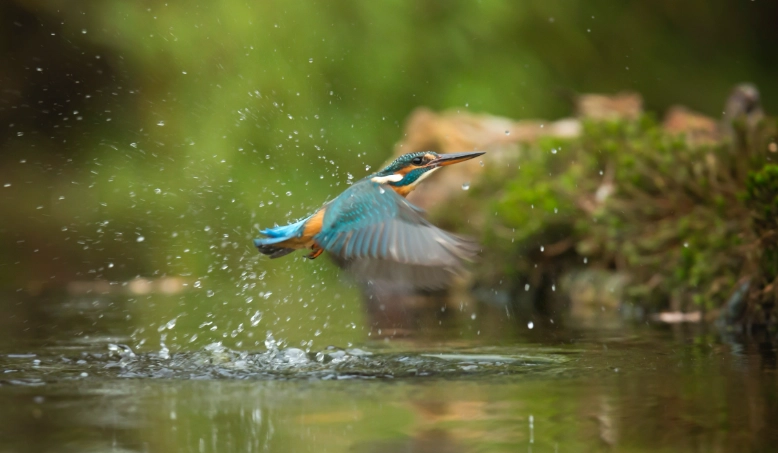
Your Birding Journey Starts Here
Costa Rica: The Neotropical Powerhouse
For North American birders, Costa Rica is the perfect gateway to the tropics. It's safe, tourist-friendly, and packs an unbelievable density of birds into a small area—over 900 species. The infrastructure is great, but the real magic is in its protected national parks and private reserves.
Must-Visit Spots & Target Birds
Monteverde Cloud Forest Reserve: This is where you go for the Resplendent Quetzal. The emerald green tail feathers of the male are arguably the most beautiful sight in birding. The best time is the breeding season, from February to July. You'll need a guide to find them reliably; local guides know specific fruiting trees. While you're there, listen for the haunting three-note call of the Black-faced Solitaire. The reserve opens at 7 AM; get there early to beat the crowds and catch the most bird activity. Entrance is around $25 for foreigners.
Carara National Park (near Jacó): This is the transition zone between dry and wet forest, meaning double the diversity. The star here is the Scarlet Macaw. You'll see and hear raucous flocks flying between roosting and feeding sites at dawn and dusk. Carara is also one of the best places to find the secretive Baird's Trogon and the fast-moving Fiery-billed Aracari. The park has well-maintained trails. Hire a guide at the entrance; their sharp eyes will spot things you'd walk right past.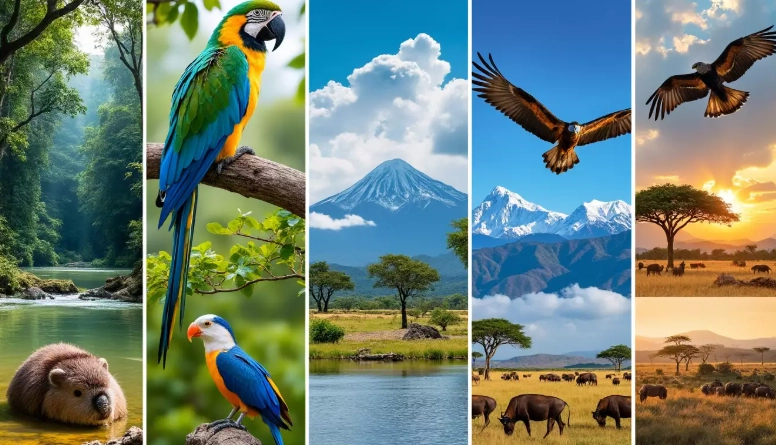
A Non-Consensus Tip: Everyone flocks to Monteverde, but for a more intimate cloud forest experience with equally amazing birds (including quetzals), try the San Gerardo de Dota valley. It's quieter, less commercialized, and the Savegre Lodge there is run by a legendary local family who are incredible bird finders.
Peru: From Andes to Amazon
If sheer numbers are your game, Peru is a strong contender for number one. With over 1,800 species, it offers an insane variety of habitats. The birding logistics are more challenging than Costa Rica, but the rewards are monumental.
The Manu Biosphere Reserve Circuit
This UNESCO World Heritage site is arguably the most biodiverse place on Earth. A classic 7-10 day trip starts in Cusco, descends through Andean cloud forest, and plunges into the Amazon lowlands. You'll need a licensed tour operator for this. In the cloud forest around Cock-of-the-Rock Lodge, you'll visit a lek (communal display ground) of the Andean Cock-of-the-rock—males are a screaming fluorescent orange. Further down, in the lowland rainforest, targets include the bizarre Hoatzin (a smelly, prehistoric-looking bird), countless macaws at clay licks, and a mind-boggling array of antbirds and woodcreepers.
| Destination | Key Species | Best Time to Visit | Travel Style & Notes |
|---|---|---|---|
| Monteverde, Costa Rica | Resplendent Quetzal, Three-wattled Bellbird | Dry Season (Dec-Apr) for access; Feb-Jul for Quetzals | Easy independent travel. Guided walks essential. |
| Manu, Peru | Andean Cock-of-the-rock, Amazonian Parrots, Hoatzin | Dry Season (May-Oct) - less rain, better road access | Requires a guided tour. Physically demanding. |
| Kruger Park, S. Africa | Southern Ground-Hornbill, Lilac-breasted Roller, Big 5 mammals | Dry winter (May-Sep) - sparse vegetation, animals at waterholes | Self-drive or guided safari. Excellent infrastructure. |
| Daintree, Australia | Southern Cassowary, Victoria's Riflebird | Dry Season (May-Oct) - cooler, less humid, fewer mosquitoes | Independent travel. Cassowaries are dangerous—keep your distance. |
| Galápagos, Ecuador | Blue-footed Booby, Waved Albatross, Darwin's Finches | Year-round. Dec-May: warmer, calmer seas. Jun-Nov: cooler, more active seas. | Live-aboard cruise is best for coverage. Land-based options limited. |
South Africa: Ease & Extraordinary Endemics
South Africa offers a unique blend of incredible birding and classic African safari. The roads are good, the English is widespread, and the Southern African Bird Atlas project has created fantastic resources. You can see over 300 species in a two-week trip focused on the east and south.
Kruger National Park: Yes, you go for the lions and elephants, but the birding is world-class. The Southern Ground-Hornbill, a turkey-sized black bird with a red face, is a major prize. You'll also see dazzling Lilac-breasted Rollers on every fence post and massive Lappet-faced Vultures at kills. Stay at rest camps like Satara or Lower Sabie. Get up for the dawn gate opening—that's when the birds (and predators) are most active.
The Cape Region: This is a separate biome (Fynbos) with its own set of endemics. Driving the coastal roads near Cape Point, look for the striking Orange-breasted Sunbird and the comical, terrestrial Cape Sugarbird. For pelagic seabirds like albatrosses and petrels, you need to take a dedicated pelagic boat trip from Simon's Town (seas can be rough, but it's unforgettable).
Australia: Where Everything is Weird & Wonderful
Australian birds feel like they're from another planet. They're loud, colorful, and often completely unfamiliar. The key here is targeting specific habitats for their unique specialists.
Daintree Rainforest, Queensland: This is the oldest tropical rainforest on Earth. The star is the Southern Cassowary, a giant, flightless, dinosaur-like bird with a blue neck and a horned helmet. They're endangered and elusive, but your best chance is early morning on the roads and trails around Cape Tribulation. Do not approach or feed them; they can be dangerous. In the same area, you'll find the spectacular Victoria's Riflebird (a bird-of-paradise) and the raucous Eclectus Parrot.
The Outback (e.g., Alice Springs region): A completely different world. Here, you search for arid-zone specialists like the pastel-colored Bourke's Parrot at waterholes at dusk, the intricate mounds of the Malleefowl, and the elegant Letter-winged Kite. Trips here often involve driving long distances on dirt roads. Go with a local birding guide who knows the specific waterhole locations.
Ecuador & The Galápagos: Evolution in Action
Ecuador mainland offers insane diversity (Mindo cloud forest is legendary), but the Galápagos Islands are in a league of their own for behavioral viewing. The birds here have no fear of humans, allowing you to observe their lives from inches away.
Galápagos Islands: This is less about a huge checklist and more about profound encounters. On Española Island, you can sit beside a nesting Waved Albatross as it performs its clacking bill courtship dance. On North Seymour, Blue-footed Boobies will sky-point and strut right past your feet. The famous Darwin's Finches are everywhere, offering a real-time lesson in adaptation. The only practical way to see the major islands is on a live-aboard cruise. Book well in advance. While expensive, it includes all transport, guides, and meals. A common mistake is trying to do it cheaply from a single island—you'll miss too much.
How to Plan Your Ultimate Birding Trip
Picking the destination is just step one. Making the trip successful requires a different mindset than a regular vacation.
Guides vs. Independent: In complex, biodiverse places like the Amazon or the Outback, a local bird guide is not a luxury—it's a necessity. They know the calls, the locations, and the behavior. I've tried both ways; going alone in Peru meant I missed 70% of what a guide found in the same patch of forest. For places like Kruger or Costa Rica's main parks, you can be more independent, but still join morning guided walks.
Timing is Everything: It's not just about dry vs. wet season. You need to align your trip with breeding seasons for specific displays (like quetzals or birds-of-paradise), or with migrations. For seabird pelagics, there are specific months when species are present. Research using resources like the Cornell Lab of Ornithology's Neotropical Birds website or regional birding association reports.
Budget Realistically: Birding trips have hidden costs. Park entrance fees in Central/South America add up quickly. Specialized tours or boat trips (Galápagos, pelagics) are major expenses. Don't skimp on optics—a good pair of binoculars (8x42 is a great all-rounder) and maybe a spotting scope for shorebirds or open landscapes are worth the investment.
Birding Trip FAQs: Expert Answers
I have limited time and budget. Which one of these destinations gives the most "bang for the buck"?
For a first major international birding trip, Costa Rica is the most efficient choice. The travel time from North America is short, the tourism infrastructure is excellent, and the concentration of species in accessible areas is unbeatable. You can see 300+ species in a 10-day trip without exhausting travel days internally. South Africa is a close second for ease, but the flight cost from the Americas is higher.
What's a common mistake birders make when visiting these hotspots for the first time?
Trying to cover too much ground. I see people plan a two-week trip to Peru that includes the Andes, the Amazon, and the coast. You spend half your time in transit, jet-lagged and frustrated. Pick one major biome or circuit—like the Manu road or the northern cloud forests—and explore it deeply. You'll see more birds, have better experiences, and actually enjoy the culture instead of just seeing it from a bus window.
 How important is knowing bird calls before I go?
In dense rainforest, it's more important than your eyesight. You will hear 90% of the birds before you see them. Spending a few weeks before your trip listening to recordings of your target species on apps like Merlin or xeno-canto is the single best preparation you can do. It turns a frustrating wall of green noise into a recognizable orchestra. A guide will still be better, but you'll be able to participate and understand what's happening.
Is it ethical to use playback to attract birds?
This is a hot topic. Most professional guiding associations have strict codes of conduct. Limited, judicious use of playback by an experienced guide to elicit a response from a hidden target species is generally considered acceptable. However, continuous, aggressive playback to force a bird into the open for a photo is stressful for the animal and is frowned upon. When choosing a guide or tour operator, ask about their playback policy. A good guide will prioritize the bird's welfare.
Reader Comments