You hear it first—a clear, cheerful caroling from a tree branch or a rooftop. Then you spot it: that familiar rusty-red chest against a grayish-brown back. The American robin (Turdus migratorius) is one of the most widespread and recognized birds in North America. But here's the thing most casual observers miss: this bird is a complete contradiction. It's a backyard regular that's actually a skilled long-distance migrant. It eats worms but thrives on berries. It symbolizes spring, yet many stick around through bitter winters. If you think you know the robin bird, I promise there's a layer of fascinating complexity underneath that friendly exterior. This guide is for anyone who's watched a robin tug at a worm and wondered what's really going on.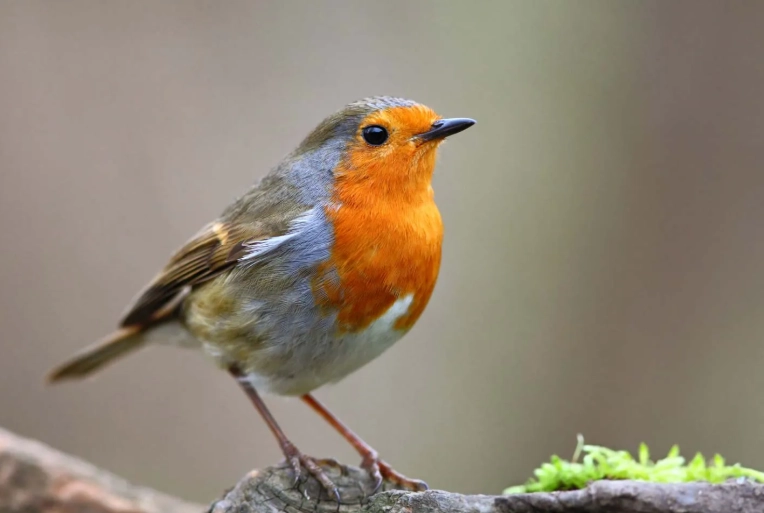
In This Article
How to Identify an American Robin (Beyond the Red Breast)
Yes, the orange-red breast is the giveaway. But relying on that alone can trip you up, especially with younger birds or in poor light. A proper identification uses a combination of features.
Adult males have the classic look: a dark, almost black head, that bright red breast, and a white patch under the tail. Their back is a warm gray-brown. Females are similar but paler overall; their head is more gray than black, and the breast color is often less vivid, sometimes more orange than red. It's a subtle difference you learn to see. The real challenge comes with juveniles. For weeks after leaving the nest, they lack the red breast entirely. Instead, they're covered in dark spots on a pale background, looking like a completely different species. The key is their shape and behavior—they have the same robin profile and are often seen following a parent around, begging noisily.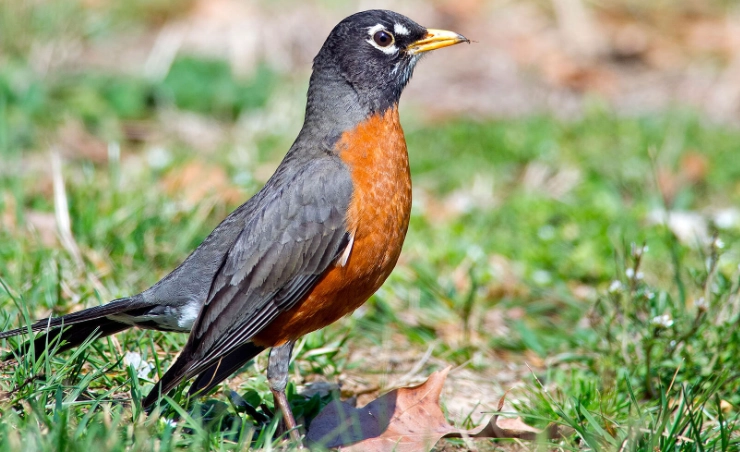
Quick ID Checklist: Look for the complete package. 1) Size & Shape: About the size of a small dove (9-11 inches), with a round body, long legs, and a fairly long tail. 2) Color Pattern: Gray-brown back, red/orange breast, dark head (darker in males), yellow bill. 3) Behavior: Often seen running and stopping on lawns, cocking its head to listen for worms. 4) Flight: Noticeable white corners on the underside of the tail when it flies away.
Where and When to Find Robins
Robins are incredibly adaptable, which is why they're so successful. You won't find them in dense forests or wide-open deserts, but almost everywhere in between.
In spring and summer, focus on open areas with short grass (perfect for worm-hunting) mixed with trees or shrubs for nesting. Think suburban lawns, parks, golf courses, and forest edges. Come fall and winter, their diet shifts dramatically to fruit. They abandon many lawns and gather in large, nomadic flocks in areas rich with berry-producing trees and shrubs. I've seen winter flocks of over 200 robins stripping a holly tree bare in a matter of hours. This seasonal shift in location is a major reason people mistakenly think all robins migrate south. Many do, but many also simply move from your backyard to a nearby wooded area or park with a good berry crop.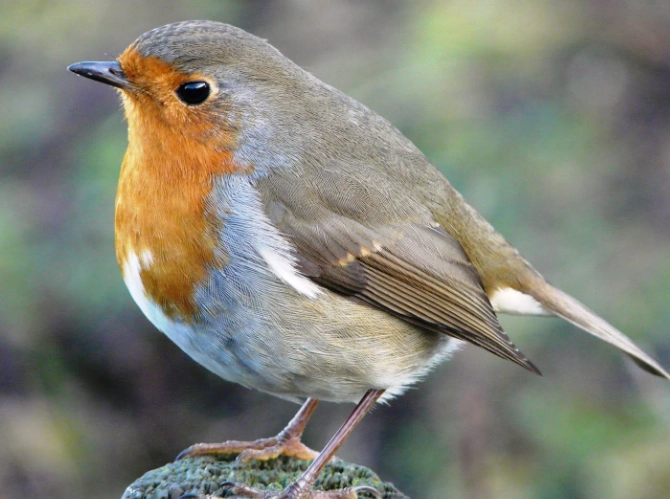
| Season | Primary Habitat | Key Behavior | What They're Eating |
|---|---|---|---|
| Spring/Summer | Lawns, gardens, parks, suburban areas | Territorial singing, nest building, foraging on ground | Earthworms, insects, some berries |
| Fall/Winter | Woodlands, hedgerows, parks with fruit trees | Large, social flocks, flying between roosts and food sources | Berries (juniper, holly, crabapple, etc.) |
Understanding Robin Behavior: From Song to Nesting
This is where the robin gets interesting. Let's break down what you're seeing and hearing.
The Dawn Chorus Leader
That familiar "cheerily, cheer up, cheer up, cheerily" song isn't just pretty. It's a male declaring ownership. He sings most intensely at dawn (hence the "dawn chorus") and again in the evening. A common mistake is thinking a singing robin is always perched high and visible. Often, they sing from inside a dense tree, making them frustratingly hard to spot. Pro tip: listen for the soft, whispered "muttering" version of the song. Males often practice this under their breath while foraging—it's a cool little secret to overhear.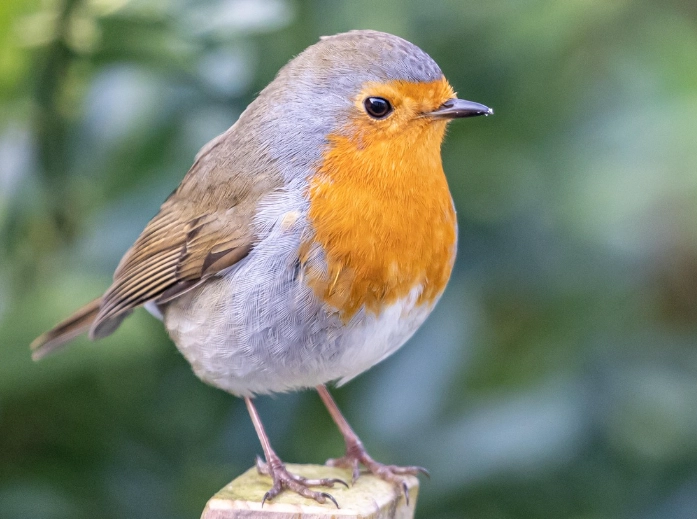
Nesting: A Messy, Determined Affair
Robin nests are everywhere: on porch ledges, in downspouts, on light fixtures, and of course, in tree forks. The female builds the nest over 2-6 days using grass, twigs, and paper, then lining it with a smooth layer of mud. This mud layer is crucial for structural integrity. They often raise 2-3 broods per season.
Here's the subtle error most guides don't mention: people panic when they find a nest with eggs unattended. But female robins don't start constant incubation until the last egg is laid. So seeing a nest with one or two cold eggs for much of the day is completely normal. Don't interfere.
The Famous Worm Hunt
They don't just "see" the worm. They're listening and feeling. A robin will stand motionless, often cocking its head (it's probably looking, not listening with that ear to the ground, despite the myth). It's detecting subtle movements in the soil. Then, a rapid stab and pull. On hard ground, you'll see them engage in a comical-looking tug-of-war.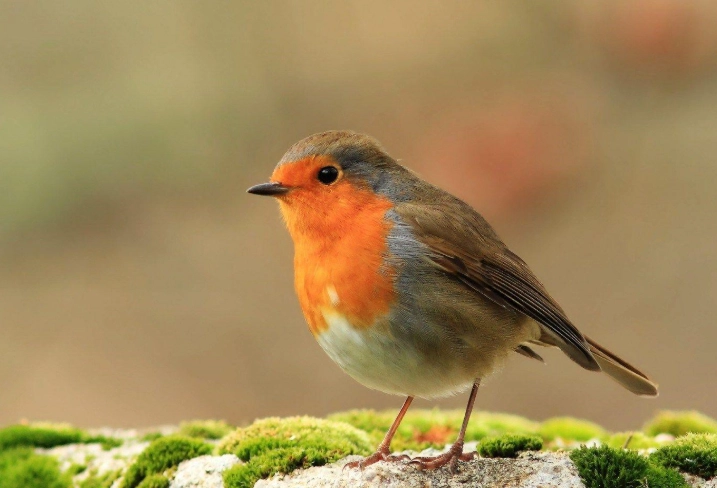
How to Attract Robins to Your Yard: A Practical Plan
Want robins as regular visitors? It's not about a fancy bird feeder. It's about creating a supportive environment. They are ground-feeding, fruit-eating, shrub-nesting birds. Work with that.
- Skip the Traditional Bird Seed. Robins rarely eat it. You're wasting money.
- Provide Water, Preferably on the Ground. A simple, shallow birdbath (just 1-2 inches deep) is a robin magnet. They love to bathe and drink. Keep it clean.
- Plant Native Berry Bushes. This is the single best thing you can do. Think serviceberry, dogwood, winterberry holly, and crabapple. These provide essential cold-weather food.
- Leave Some Lawn (But Make it Healthy). Reduce or eliminate pesticides. A healthy lawn has worms and insects. They'll do the pest control for you.
- Offer Supplemental Food in Pinch. In late winter when berries are gone and the ground is frozen, try placing chopped raisins, mealworms, or a bit of suet on a platform feeder or directly on the ground.
- Provide Nesting Sites. Allow some dense shrubs to grow. If you're handy, you can even put up a simple open nesting shelf under an eave to give them a safe alternative to your porch light.
It's a holistic approach. A birdbath surrounded by a berry-producing shrub near an open lawn is basically a robin resort.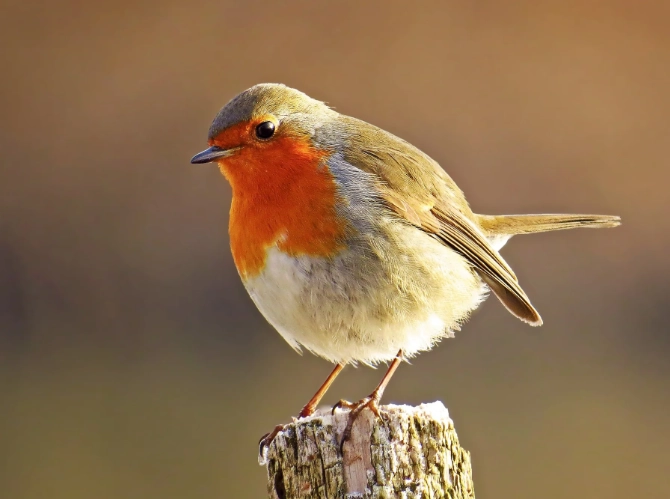
Your Robin Questions Answered
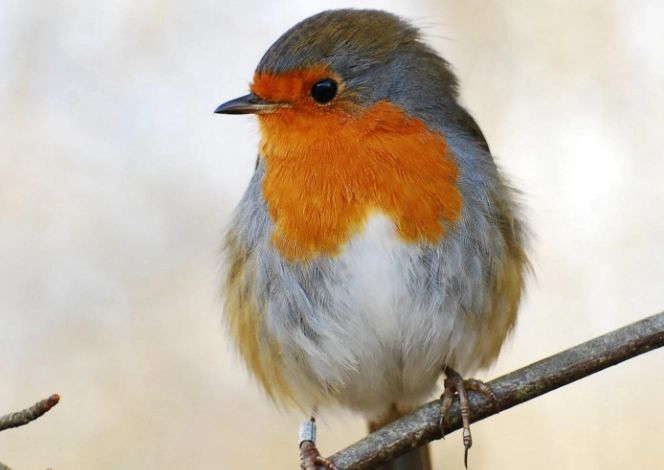
So next time you see that flash of red on the lawn, take a second look. You're not just seeing a cheerful herald of spring. You're watching a tough, adaptable survivor—a skilled migrant, a dedicated parent, and a fruit-loving forager all rolled into one familiar package. That's the real story of the American robin.
Reader Comments