Ghana's tropical rainforests are not just a wall of green. They're a living, breathing symphony of color and sound, home to some of West Africa's most spectacular and elusive birds. I've spent years with my binoculars pointed at the canopy here, and I can tell you, the experience is nothing short of magical. But it's also challenging. The light is tricky, the birds are masters of disguise, and the humidity can fog your lenses in seconds. This guide cuts through the overwhelm. I'll show you exactly where to go, what gear you really need (and what you don't), and share the subtle techniques local guides use to find birds most visitors completely miss.
What's Inside This Guide
Where to Find Ghana's Rainforest Birds
You can't just walk into any patch of forest and expect a show. Bird density and diversity vary massively. Based on countless dawn patrols, I recommend focusing on two primary, accessible locations. They offer different experiences, and your choice depends on what you're after.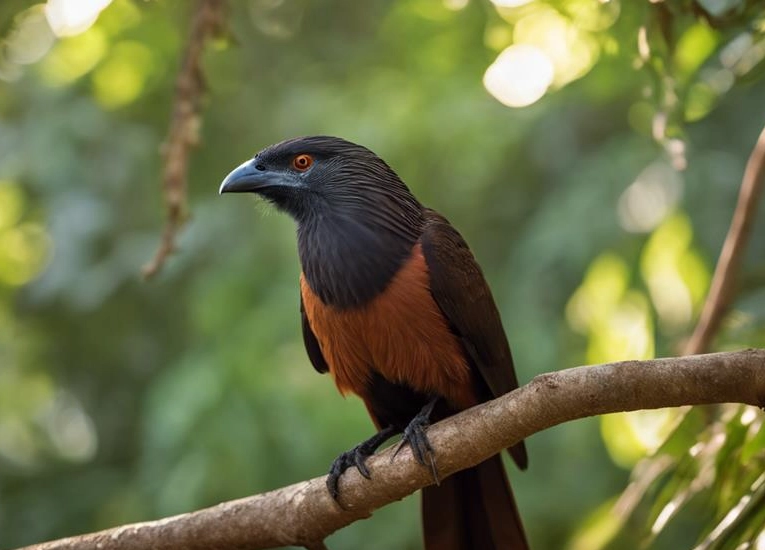
Kakum National Park: The Accessible Canopy Giant
Kakum is the poster child for Ghanaian ecotourism, and for good reason. Its famous canopy walkway is a game-changer. At 40 meters high, it puts you eye-level with birds that are mere specks from the forest floor.
Location & Logistics: The park is about 4 hours drive north of Accra, near Cape Coast. The town of Cape Coast is your best base, with a range of hotels. You'll need a car or to hire a driver for the final 30km from Cape Coast to the park entrance.
Pro Tip: Everyone does the canopy walk. For better birding, book a "Rainforest Hike" with a park ranger. These guided walks on the ground trails start earlier, are far less crowded, and rangers have an uncanny ability to spot well-camouflaged species like the African Piculet or Green-tailed Bristlebill that you'd walk right past.
Ankasa Conservation Area: The Untamed Wilderness
If Kakum feels curated, Ankasa feels raw. It's Ghana's wettest rainforest, denser, and less developed. The bird list here is incredible, but it demands more effort. This is where you go for true rarities.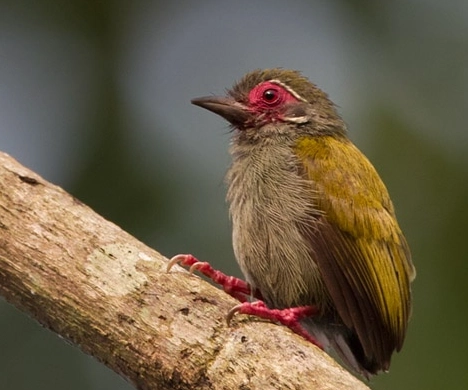
The trails can be muddy and challenging. You will not find a canopy walkway here. What you will find is a higher chance of encountering flocks of hornbills, the elusive White-breasted Guineafowl scratching in the leaf litter, and a heart-stopping array of kingfishers along its rivers.
Here’s a quick comparison to help you decide:
| Feature | Kakum National Park | Ankasa Conservation Area |
|---|---|---|
| Best For | First-time visitors, canopy perspectives, easy access. | Experienced birders, rare species, immersive wilderness. |
| Key Birds | Great Blue Turaco, Yellow-billed Turaco, Violet-backed Hyliota, Canopy Sunbirds. | White-breasted Guineafowl, Yellow-casqued Hornbill, Rosy Bee-eater, Forest Robin. |
| Access & Facilities | Paved road access, visitor center, canopy walkway, ranger guides. | Rough dirt road (4WD recommended), basic ranger station, simple trails. |
| Entrance Fee (Approx.) | GHS 60 for foreigners (includes walkway). Guided hikes extra. | GHS 40 for foreigners. Guide is mandatory and fee is separate. |
| Best Time of Day | 6:30 AM - 10:00 AM (canopy walk opens at 8:00 AM). | Dawn start (6:00 AM) is critical for activity. |
How to Plan Your Ghana Rainforest Birding Trip
Logistics can make or break your trip. Getting the timing and basics wrong means you might see 20 species instead of 60.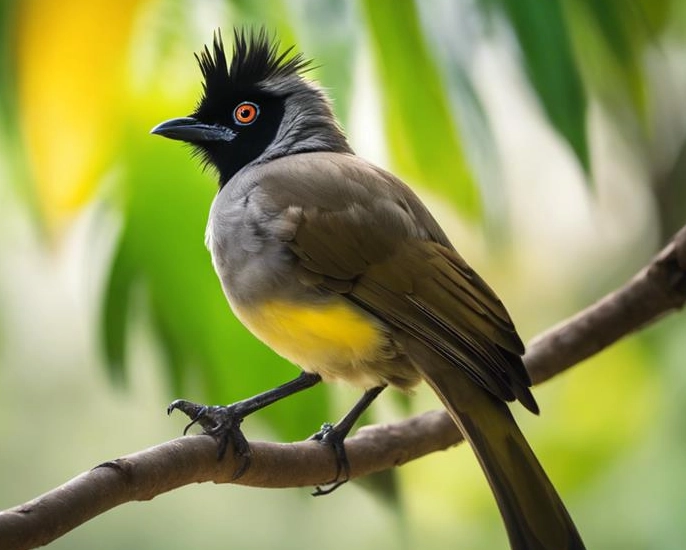
The When: The dry seasons (November to March, and July to August) are best. Trails are passable, mosquitoes are fewer, and birds are more concentrated around water sources. I avoid the peak rains (May-June, September-October) – the birding can still be good, but the constant downpours and leeches are a serious test of patience.
The How (A Sample 4-Day Itinerary):
- Day 1: Arrive in Accra. Drive to Cape Coast (4-5 hrs). Settle in, maybe a late afternoon visit to Cape Coast Castle to switch context.
- Day 2: Kakum Dawn. Up at 5:00 AM. Arrive at park gates by 6:15 AM for a ground trail hike with a ranger. Break for packed breakfast. Do the canopy walkway after 8:00 AM when it opens. Return to Cape Coast by early afternoon. Rest, review photos.
- Day 3: Ankasa Immersion. Very early start for the 2.5-hour drive to Ankasa. Full day of guided birding on the Nsuensa and Bamboo River trails. Pack all food and water. Return to Cape Coast exhausted and happy.
- Day 4: Optional second morning at Kakum for missed species, or visit nearby Brenu Beach to look for coastal birds like the Pied Kingfisher before driving back to Accra.
Hiring a reliable driver with a 4x4 for the Ankasa leg is non-negotiable. Local tour operators like Year of Return Tours or specialists listed on the Ghana Tourism Authority website can arrange this.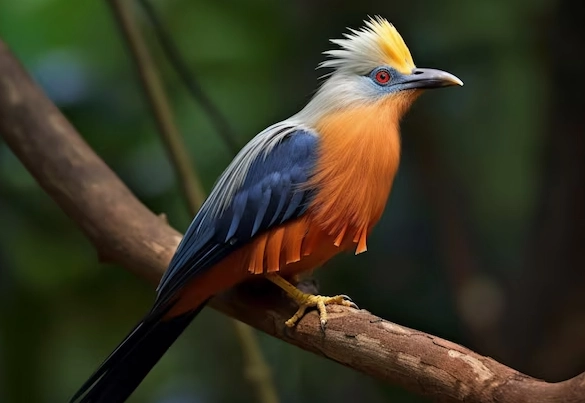
What Are the Best Techniques for Rainforest Birdwatching?
Rainforest birding is 80% listening and 20% looking. Your eyes will often fail you in the tangled understory. Your ears won't.
The Biggest Mistake Beginners Make: They scan the canopy silently. Instead, stop. Listen for five full minutes. Identify three different calls. Then move towards the most interesting one. Local guides are masters of this; they can identify a dozen species by sound before seeing one.
Essential Gear That Actually Works
Forget fancy gadgets. Here’s the kit I actually use and trust:
- Binoculars (8x42 or 10x42): Image stabilization is a luxury, but a wide field of view and good low-light performance are necessities. Waterproofing is mandatory.
- A Field Guide: The Birds of Ghana by Nik Borrow and Ron Demey is the bible. Have the physical book. Phone batteries die.
- Clothing: Light, breathable, long-sleeved shirts and trousers in muted colors (greens, browns). Not for camouflage, but for mosquito and scratch protection. A wide-brimmed hat breaks up your silhouette.
- Footwear: Sturdy, ankle-supporting hiking boots with aggressive tread. It will be muddy.
- Backpack Essentials: Rain cover for your pack, 2L of water, high-energy snacks, a small first-aid kit, zip-lock bags for keeping your phone/camera dry.
Leave the heavy tripod at home.
For photography, a DSLR or mirrorless with a 100-400mm or 150-600mm lens is the sweet spot. Flash is often useless due to the dense foliage. Crank up your ISO and be prepared for noisy images—it's part of the rainforest aesthetic.
Why Your Visit Matters for Conservation
Your presence as a responsible birder has a direct impact. Park entrance fees fund ranger salaries and anti-poaching patrols. Hiring a local guide provides vital income that makes protecting the forest more valuable than clearing it.
Organizations like the Ghana Wildlife Division and international partners like BirdLife International work on ground-breaking projects here, such as protecting the crucial migratory routes of species like the African Grey Parrot. When you visit, you're voting with your wallet for these forests to remain standing. Stick to marked trails, never lure birds with recorded calls (it stresses them), and carry out all your trash.
Reader Comments