Your Quick Guide to This Article
Forget the generic lists. After a decade of chasing birds from the boreal forests of Maine to the subtropical thickets of Texas, I've learned that the best US birding destinations aren't just about a high species count. They're about the experience—the reliable spectacle, the unique habitats, and the accessibility for birders of all levels. The United States, with its staggering range of ecosystems, offers some of the most rewarding birdwatching on the planet. Whether you're dreaming of a warbler-filled spring morning in the Great Lakes or a winter day surrounded by thousands of snow geese, this guide cuts through the noise to highlight five truly exceptional destinations. I'll give you the specifics—the exact spots, the can't-miss species, and the logistical nitty-gritty—so you can start planning.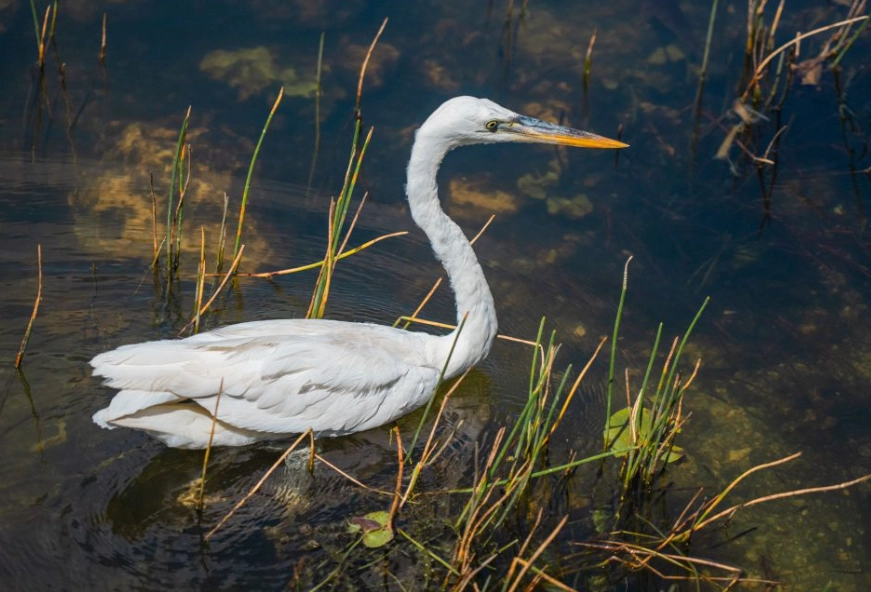
Huron-Manistee & Hiawatha National Forests, Michigan: The Warbler Capital
If you've never experienced the spring warbler migration in the northern Great Lakes, you're missing one of North America's greatest avian spectacles. This region, particularly around the Huron-Manistee National Forests and the Hiawatha National Forest in Michigan's Upper Peninsula, becomes a dripping, singing tapestry of color every May.
The magic happens because these forests are the first major landfall for millions of neotropical migrants crossing Lake Michigan and Lake Huron. Tired and hungry, they pour into the coastal woodlands.
What You'll See and Where to Go
Target Species: This is warbler heaven. Expect 20+ species in a good day, including Blackburnian, Cape May, Bay-breasted, Black-throated Blue, and the stunning Kirtland's Warbler (a conservation success story with managed viewing areas). You'll also get thrushes, vireos, and flycatchers.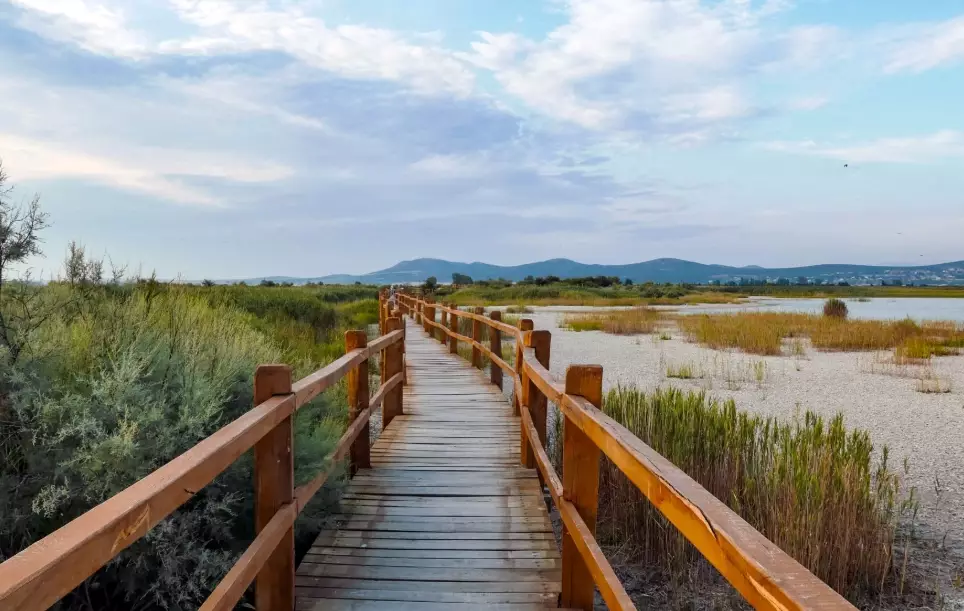
Pro Tip Everyone Misses: Everyone flocks to the famous hotspots like Whitefish Point. They're great, but they get crowded. For a more serene experience, try the network of two-track forest roads just inland from the lake shores. I've had better luck with cooperative birds along roads like FR 3458 near the Hiawatha's Brevoort Lake than at the packed observation platforms.
Key Location - Whitefish Point Bird Observatory: The famous lighthouse area acts as a migrant trap. Address: 14241 Whitefish Point Rd, Paradise, MI 49768. Operating Hours & Fees: The grounds are accessible dawn to dusk. There's a fee for the museum and boardwalk area (check their website for current rates). Getting There: It's a remote drive. Fly into Chippewa County International Airport (CIU) or drive from the Lower Peninsula. Be prepared for cool, windy weather even in May.
Southeastern Arizona's Sky Islands: A Desert Oasis
Southeastern Arizona is a lesson in biogeography. Isolated mountain ranges, called "Sky Islands," rise from the desert floor, creating pockets of cool pine forest just miles from saguaro cactus. This mix draws an incredible blend of Mexican species and North American classics.
Birding here is a road-tripping adventure. You can start the morning looking for Elegant Trogons in a sycamore canyon and end the day searching for nocturnal owls in a pine forest.
Crucial Stops on Your Circuit
Madera Canyon: A legendary spot in the Santa Rita Mountains. The Santa Rita Lodge has fantastic feeders attracting Arizona Woodpecker, Painted Redstart, and up to 15 species of hummingbirds in season. The public parking areas and trails along the canyon road are all productive. No entrance fee for the National Forest, but some private parking areas charge.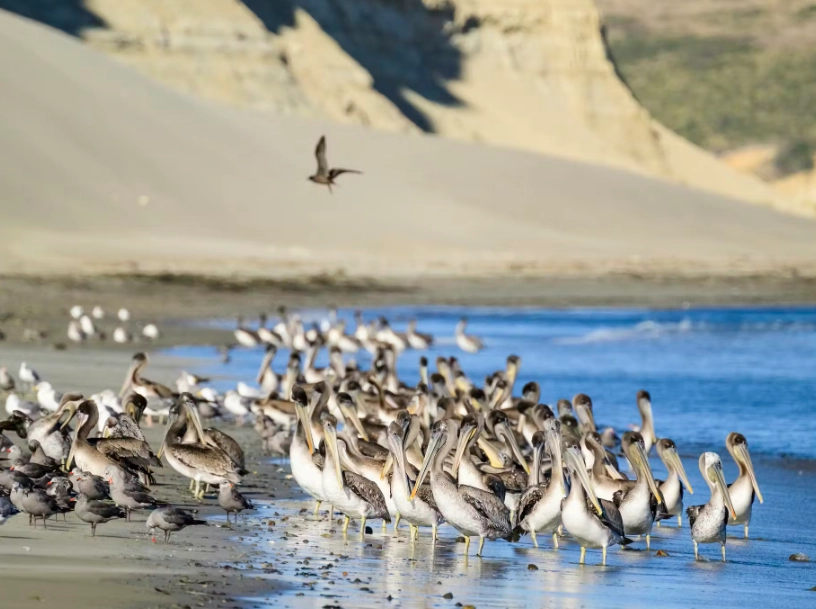
Ramsey Canyon Preserve (The Nature Conservancy): This is for hummingbirds. The preserve is famous for its feeder array, often swarmed by dozens of Violet-crowned, Broad-billed, and Magnificent Hummingbirds. Address: 27 E Ramsey Canyon Rd, Hereford, AZ 85615. Hours & Fees: Open daily but with limited entry to protect the habitat; a fee is required. Reservations are highly recommended, especially in spring and summer.
Getting Around: You need a car. Tucson International Airport (TUS) is the best hub. Plan to spend at least 3-4 days to hit the major canyons (Madera, Ramsey, Miller, Cave Creek).
Everglades National Park, Florida: The River of Grass
The Everglades is less a park and more a slow-moving, 50-mile-wide river of sawgrass flowing into Florida Bay. This unique ecosystem supports a bird list that's heavy on the dramatic and the wading.
Winter and early spring (December to April) are the prime times. Lower water levels concentrate fish, making the wading bird show unbeatable. The heat and mosquitoes from May to November can be brutal.
Navigating the Everglades for Birds
Anhinga Trail (Royal Palm Area): This is the park's most famous and accessible trail. A paved, wheelchair-accessible loop around a sawgrass marsh guarantees close views of Anhingas, herons, egrets, and alligators. It's always busy, but for good reason. Go at sunrise for the best light and activity. Shark Valley: A 15-mile loop road into the heart of the sawgrass prairie. You can bike it, take a tram tour, or walk a portion. The observation tower at the halfway point gives a panoramic view of the Glades. Look for Snail Kites, Limpkins, and vast flocks of waders. Flamingo Marina: At the very end of the main park road. Check the marina and nearby coastal prairies for shorebirds, terns, and the rare American Flamingo that occasionally wanders in. Boat tours into Florida Bay offer chances at seabirds and ospreys.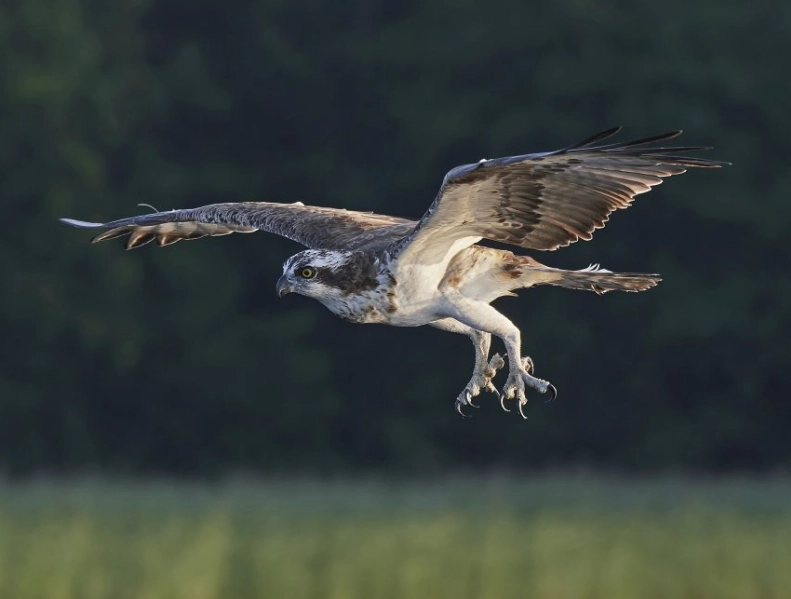
Park Entrance: The main Ernest F. Coe Visitor Center is near Homestead, FL. Fees: $35 per vehicle (valid 7 days). An annual America the Beautiful Pass works here. Logistics: Bring water, sunscreen, and insect repellent year-round. There is limited food and gas inside the park, so fill up and pack snacks in Homestead or Florida City.
California's Central Valley: A Winter Waterfowl Spectacle
From November through February, California's Central Valley transforms into one of the continent's most important waterfowl wintering grounds. Millions of ducks, geese, and swans descend on its flooded rice fields, managed wetlands, and wildlife refuges. The sheer scale of the flocks is humbling.
This is a different kind of birding—less about chasing rare forest gems and more about witnessing overwhelming abundance in an agricultural landscape.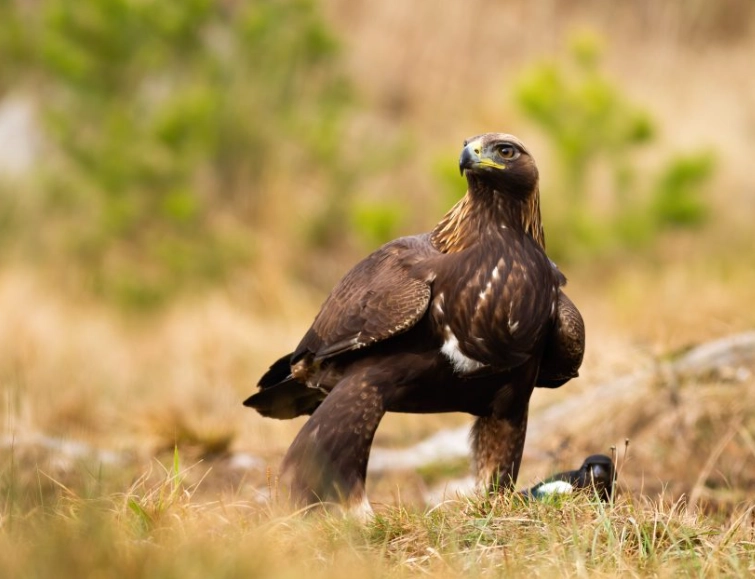
Top Refuges for the Show
| Refuge Name | Key Species & Experience | Location & Notes |
|---|---|---|
| Sacramento National Wildlife Refuge Complex | The flagship. Huge numbers of Snow Geese, Ross's Geese, Tundra Swans, and dabbling ducks (Northern Pintail, American Wigeon). The auto tour route is excellent. | Near Willows, CA off I-5. A small entrance fee per vehicle. The visitor center has good maps. |
| Merced National Wildlife Refuge | Famous for its massive, noisy flocks of Sandhill Cranes and Snow/Ross's Geese flying out to feed at dawn and returning at dusk. | South of Merced, CA. Has both an auto tour and a walking trail. Spectacular at sunset. |
| Los Banos Wildlife Area | A more local feel with great shorebird and raptor viewing in addition to waterfowl. Often less crowded. | Near the town of Los Banos. Free access. More of a patchwork of ponds and levees to explore. |
Fly into Sacramento (SMF) or San Francisco (SFO) and rent a car. You can easily visit 2-3 refuges in a weekend. Stay in towns like Davis, Modesto, or Merced. The fog can be thick in winter mornings, so plan for afternoon viewing if possible.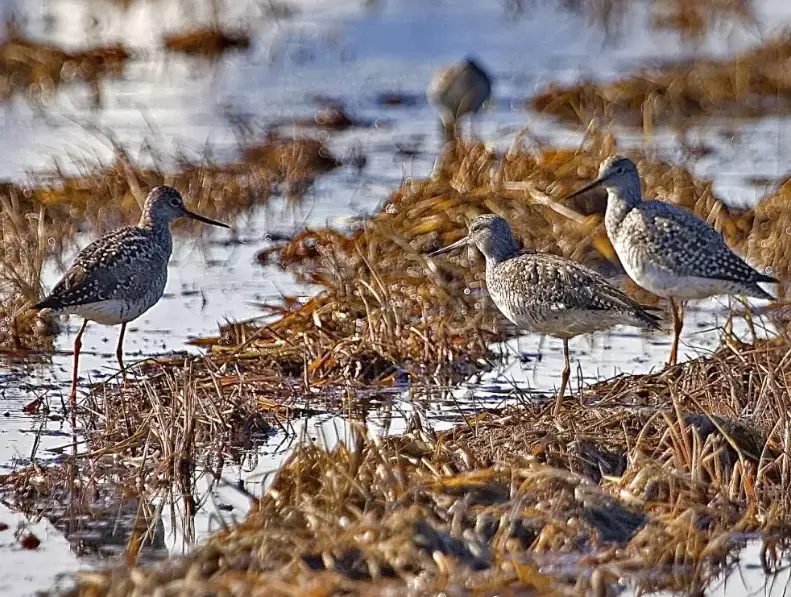
Cape Cod, Massachusetts: Seabirds & Shorebirds
Cape Cod, that arm of sand curling into the Atlantic, is a migrant trap and a seabird haven. The geography funnels landbirds in spring and fall, while the cold, nutrient-rich waters offshore attract an impressive variety of pelagic species close to land.
It's a four-season birding destination, but each season offers something different: winter for sea ducks, spring for songbird migrants, summer for terns and plovers, fall for raptor migration.
Must-Visit Spots on the Cape
Fort Hill Area (Eastham, part of Cape Cod National Seashore): The red maple swamp and open fields here are a magnet for migrating songbirds in May and September. I've seen incredible fallouts of warblers and thrushes here after a night of northeast winds. Coast Guard Beach & Nauset Marsh: For shorebirds and terns. Scan the mudflats of Nauset Marsh at low tide for Black-bellied Plovers, Whimbrels, and various sandpipers. Piping Plovers nest on the beaches in summer (respect closed areas).
Race Point (Provincetown): The very tip of the Cape. The Race Point Beach parking lot is a famous sea-watching location. In winter, scan for loons, grebes, scoters, and Northern Gannets. With a spotting scope, you might see whales. Monomoy National Wildlife Refuge: A remote barrier island accessible only by boat (charter from Chatham). It hosts huge nesting colonies of Common and Roseate Terns and is a critical stopover for shorebirds. A boat tour is the best way to experience it without disturbing the birds.
Access: Most locations are part of the Cape Cod National Seashore. A park pass is required for beach parking lots. Getting There: Fly into Boston (BOS) or Providence (PVD) and drive. Traffic on summer weekends is notoriously bad.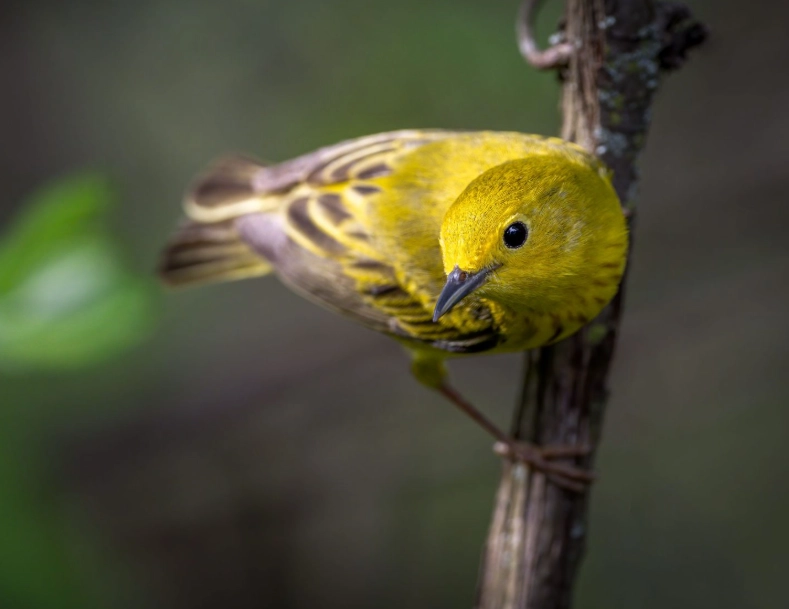
How to Plan Your Birding Trip
Choosing between these spots comes down to season, target species, and the kind of experience you want.
Season is Everything: Spring (April-May): Michigan (warblers), Arizona (hummingbirds, breeding specialties), Cape Cod (songbird migration). Winter (Dec-Feb): California Central Valley (waterfowl), Everglades (wading birds), Cape Cod (sea ducks). Late Summer/Fall (Aug-Oct): Southeast Arizona (monsoon season can be good), Cape Cod (raptor migration, shorebirds).
Gear Beyond Binoculars: A spotting scope is nearly essential for the waterfowl in California and the seabirds at Cape Cod. For Arizona and Florida, a field guide specific to the region is helpful. Download the eBird app from the Cornell Lab of Ornithology to find recent sightings and hotspots in real-time—it's a game-changer.
Connect with Locals: Check if your destination has an active birding listserv or Facebook group. Local birders often post rare sightings and can offer hyper-current advice. Respect private property and birding ethics—always.
Birding Trip FAQ: Your Questions Answered
I have limited time. Which one or two destinations offer the highest diversity for a first-time visitor to US birding?
For sheer numbers and variety in a compact area, southeastern Arizona is hard to beat, especially in spring. The circuit of canyons gives you desert, oak woodland, and pine forest birds within a short drive. For a classic, high-intensity migration spectacle, Michigan's Upper Peninsula in May is unforgettable. If you only have a weekend, pick one and focus on its core hotspots rather than trying to cover too much ground.
What's a common mistake people make when planning a birding trip to these hotspots?
Underestimating the physical environment. In Arizona, you need way more water than you think and must start at dawn to avoid the searing midday heat. In the Everglades, people forget insect repellent and suffer for it. In Michigan, they don't pack for cold, wet weather in May. Research the typical conditions for your month and prepare for the worst-case scenario. Comfortable feet and staying hydrated/fed are as important as your optics.
Are these places suitable for birders with young children or limited mobility?
Some are better than others. The Anhinga Trail in the Everglades and many of the auto tour routes in California's refuges are perfect for all abilities. The boardwalks at places like Whitefish Point or Ramsey Canyon are also accessible. The two-track roads of Michigan or the steep trails in some Arizona canyons are more challenging. Always check the specific trail or refuge website for accessibility information. A successful family trip often means choosing one or two easy, productive spots rather than a packed itinerary.
Do I need to hire a local guide to be successful?
Not necessarily, but it can drastically improve your results, especially in complex habitats like the Sky Islands or for finding specific target birds. Guides know the exact territories, calls, and recent patterns. For a first-time visitor with a tight schedule, a half-day guided trip can be a worthwhile investment to learn the lay of the land. For the waterfowl spectacles in California or the warbler waves in Michigan, you can have a fantastic time self-guiding with eBird and a good map.
How can I ensure my birding trip is ethical and doesn't disturb the birds?
Follow the American Birding Association's Code of Birding Ethics. Key points: keep a respectful distance from nests and feeding birds (use your scope); never use playback calls excessively in popular areas; stay on designated trails to protect fragile habitats; and be mindful of other birders. In places with nesting Piping Plovers or terns, obey all posted closures—they exist for the birds' survival.
Reader Comments