You're ready to buy a new optic, but the choice between a spotting scope, binoculars, and a telescope is paralyzing. Get it wrong, and you're stuck with an expensive paperweight. I've spent over a decade guiding people through this exact decision, from birders on muddy trails to amateur astronomers in their backyards. Let's cut through the marketing jargon. The right tool isn't about which one is "best"—it's about which one is best for what you actually plan to do.
What's Inside This Guide
Understanding the Core Differences: Magnification, Portability, and Purpose
Think of it like this: binoculars are your everyday hiking boots, spotting scopes are your high-powered camera on a tripod, and telescopes are your portal to another dimension. The biggest mistake beginners make is fixating on magnification numbers alone. A 60x telescope sounds powerful, but try using it to watch a moving bird—it's a nightmare.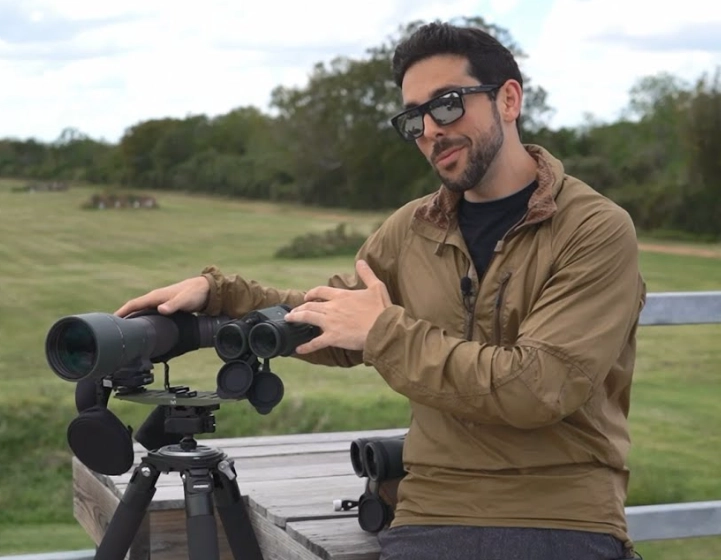
The real separation comes from three things: how much they magnify, how you hold them, and what they're designed to look at.
>Almost always (sturdy mount crucial)| Feature | Spotting Scope | Binoculars | Telescope (Astronomical) |
|---|---|---|---|
| Typical Magnification | High (20x to 60x+) | Low to Medium (8x to 12x) | Very High (50x to 300x+) |
| Primary Use | Terrestrial, long-range observation (birding, wildlife, surveillance) | Terrestrial, general-purpose viewing (birding, sports, travel) | Astronomical observation (planets, stars, galaxies) |
| Mount Required | Almost always (tripod essential) | Rarely (handheld) | |
| Portability & Ease of Use | Low. Bulky, requires setup. | High. Compact, instant use. | Very Low. Often heavy, complex setup. |
| Field of View | Narrow at high power | Wide | Extremely narrow at high power |
| Typical Price Range (Entry-Level) | $300 - $600 | $100 - $300 | $200 - $500 (for basic models) |
Notice something? The spotting scope sits awkwardly in the middle. It's not as grab-and-go as binoculars, nor as powerful for space as a telescope. Its kingdom is detailed, stationary, long-distance viewing on Earth.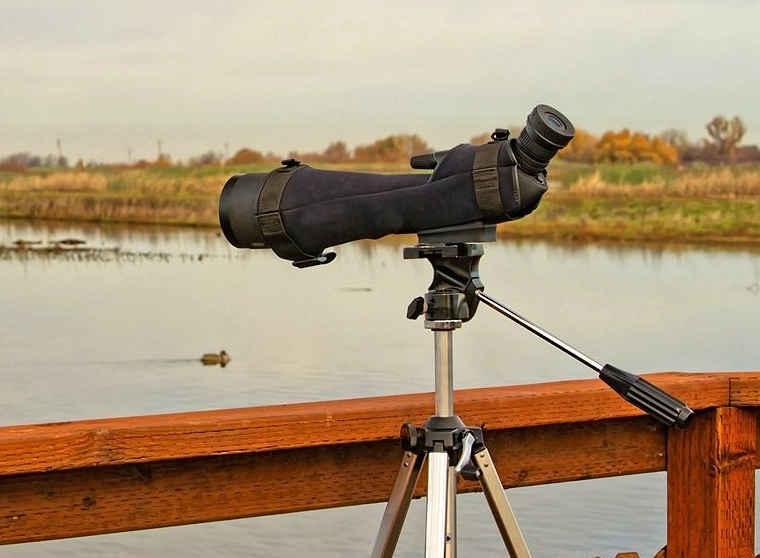
Spotting Scopes: The Long-Range Specialist
A spotting scope is essentially a small, rugged telescope optimized for daylight. Its job is to pull distant subjects closer with stunning clarity. Forget hand-holding it. At its typical 20-60x magnification, even your heartbeat creates a blurry mess. A solid tripod isn't a suggestion; it's part of the instrument.
When a Spotting Scope is Your Best Bet
You need one if your primary activity involves sitting in one place and studying a fixed area. Think a bird blind overlooking a lake, a mountainside scanning for wildlife, or a competition shooting range. I've seen people try to use high-power binoculars for this. The result is shaky arms after ten minutes and a missed opportunity.
Digiscoping—attaching a smartphone or camera—is a major advantage here. Models like the Celestron Regal M2 80ED ($500-$700) or the Swarovski ATX/STX modular system ($$$$) are built with this in mind. For birders documenting rare species, this combo is unbeatable.
Binoculars: The Versatile All-Rounder
This is where most people should start. Binoculars give you two-eyed viewing (more comfortable for the brain), a wide field of view, and instant usability. The classic birding and general-use configuration is 8x42. The 8x means things look 8 times closer. The 42mm is the diameter of the front lenses—bigger means a brighter image, especially at dawn or dusk.
The Magnification Trap
Ever tried hand-holding a 20x binocular? Don't. The shake is unusable. For handheld stability, 10x is about the practical maximum for most people. I recommend the Nikon Monarch M7 8x42 (around $350) or the Vortex Diamondback HD 10x42 (around $250) as fantastic starting points. They're bright, sharp, and have a lifetime warranty.
Binoculars excel at scanning. You're in a forest tracking a warbler's movement, at a boat race following the action, or on a safari quickly bringing animals into view. That wide view and portability are irreplaceable.
Telescopes: The Deep-Space Machine
Here's the critical, often-missed point: Most consumer telescopes are designed to look up, not across. An astronomical telescope like the popular Celestron NexStar 130SLT (around $500) or a Dobsonian reflector inverts or flips the image. This doesn't matter for Saturn's rings, but it's disorienting and incorrect for looking at a landscape or a bird.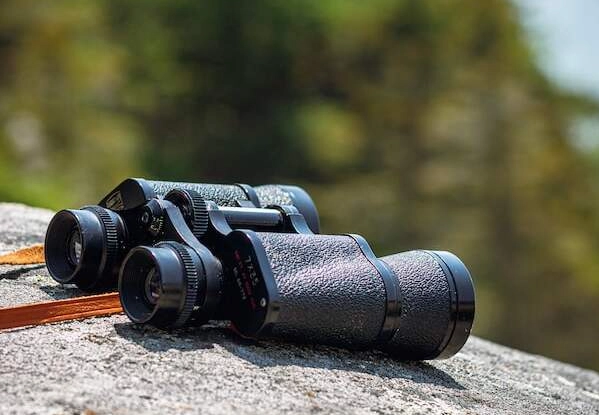
They also have incredibly narrow fields of view at high power. Finding a specific galaxy is a skill. Finding a specific hawk in a tree a mile away is an exercise in frustration.
Can you use a telescope for terrestrial viewing? Yes, but you need an additional erecting prism to correct the image, and you'll still battle with a tiny field of view and awkward viewing angles. It's a compromise.
How to Choose: A Decision Framework Based on Your Primary Use
Stop asking "which is better?" Start asking "what's my #1 activity?"
Scenario 1: You're a birder or wildlife enthusiast.
* For general birding, hiking, and active spotting: Start with a quality 8x42 or 10x42 binocular. This is your workhorse. Budget at least $200.
* For detailed observation of distant, stationary subjects (shorebirds, raptor nests, waterfowl on a lake): Add a spotting scope (65mm or 80mm objective) and a tripod. This is your specialty tool.
Scenario 2: You're an aspiring astronomer.
* Start with a pair of astronomy binoculars (like 10x50) to learn the night sky—they're fantastic for wide views of the Milky Way. Then, invest in a dedicated astronomical telescope with a stable mount. A spotting scope is a poor substitute here.
Scenario 3: You're a traveler, sports fan, or general user.
* A compact 8x32 or 10x32 binocular is all you need. It fits in a daypack, works instantly, and enhances concerts, hikes, or city tours. A spotting scope or telescope would be absurd overkill.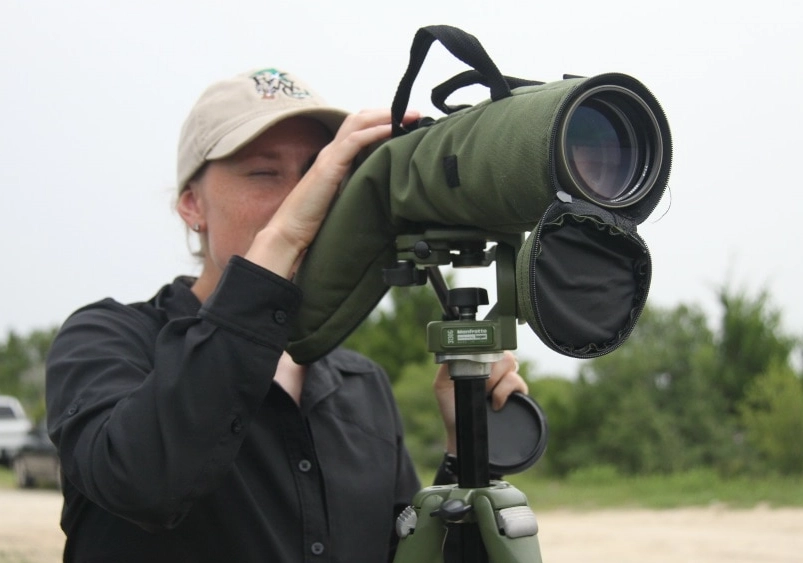
Beyond the Specs: Practical Tips and Common Pitfalls
Spec sheets lie by omission. Here's what they don't tell you.
Stability is everything after 10x. A $1000 scope on a $50 wobbly tripod is a $1000 waste. Factor a robust tripod and head (like a fluid video head for smooth panning) into your spotting scope budget.
Lens coatings matter more than you think. Fully multi-coated lenses transmit more light, giving a brighter, higher-contrast image. This is crucial in low light. It's often the difference between a $150 and a $400 binocular.
Try before you buy, or buy from a place with a great return policy. How the eyecups fit your face, the weight in your hands, the smoothness of the focus wheel—these are personal. I've returned seemingly perfect binoculars because the focus dial turned the wrong way for my muscle memory.
One more pitfall: waterproofing and fog-proofing (nitrogen purging). If you're going outdoors in varying conditions, this isn't a luxury. It's insurance against a $500 paperweight.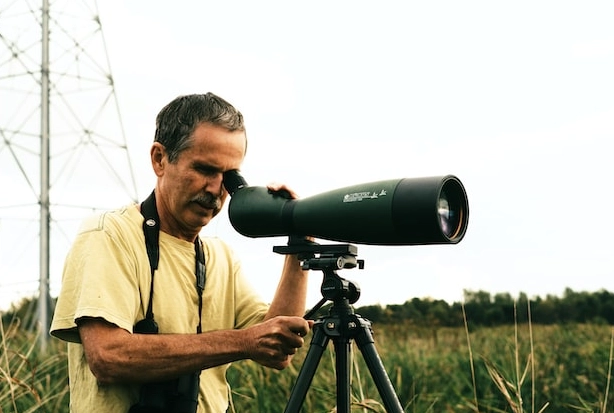
Reader Comments