So you're looking for the best bird watching places in the US? You've come to the right place. Forget the generic lists that just name the same five national parks. After years of chasing feathers from coast to coast, I've put together a guide to the truly iconic spots that deliver unforgettable sightings, season after season. These are the places where migration spectacles happen, where rare species turn up, and where the sheer diversity will make your head spin. Let's get straight to it.
Your Quick Guide to America's Top Birding Spots
1. Everglades National Park, Florida: The Subtropical Wonder
This isn't just a swamp. It's a slow-moving river of grass stretching to the horizon, a unique ecosystem that supports birdlife you simply won't find anywhere else in the country. The mix of freshwater marl prairies, coastal mangroves, and pine rocklands creates niches for an astounding variety of species.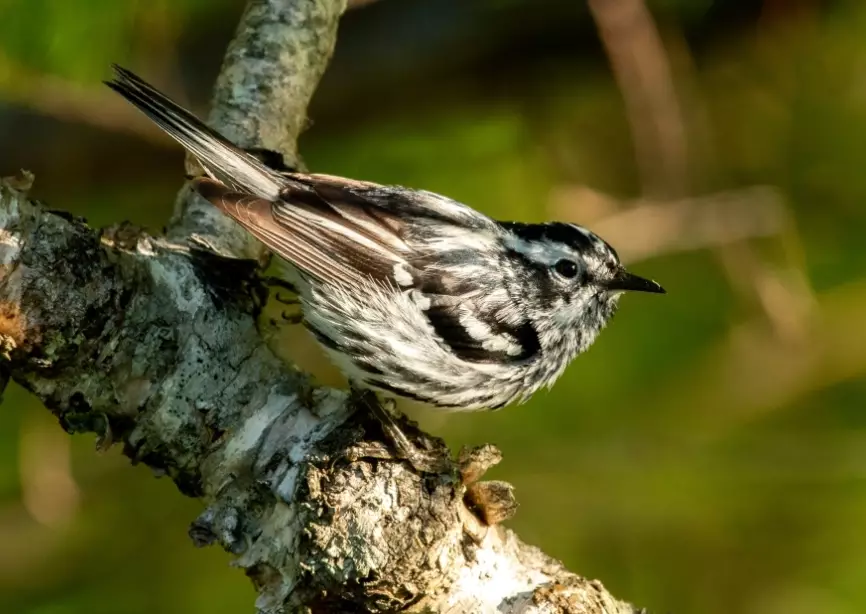
Why It's Special
The star attractions are the wading birds. Great Egrets, Wood Storks, Roseate Spoonbills, and of course, the namesake Anhingas are present year-round and are remarkably easy to see. But the real thrill for many is the chance at Florida specialties like the Snail Kite (look for them perched over the sawgrass), the secretive Black-whiskered Vireo, and the diminutive Mangrove Cuckoo. In winter, the park swells with migratory warblers and shorebirds.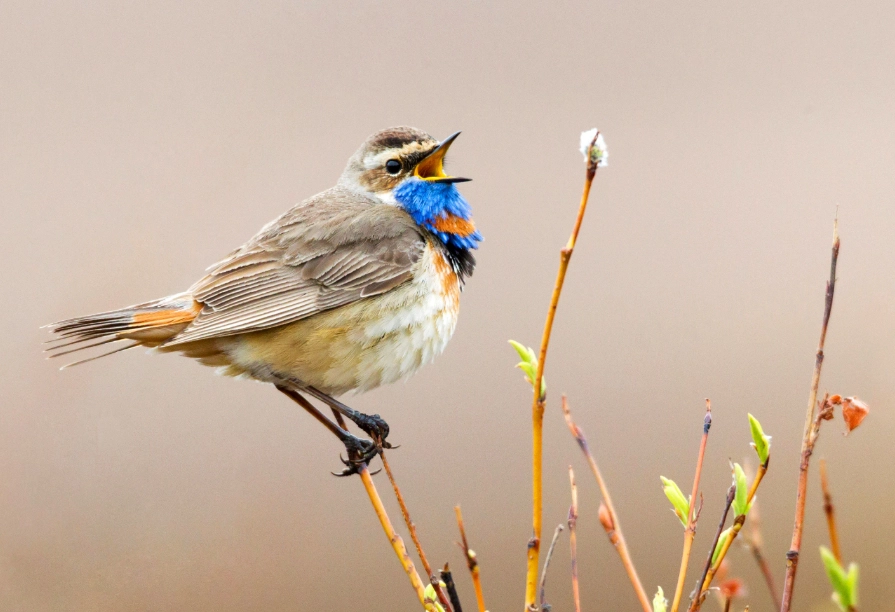
Practical Details & Trip Planning
- Best Season: Dry season (December to April). Fewer mosquitoes, lower water levels concentrate birds, and weather is pleasant.
- Target Birds: Snail Kite, Limpkin, Roseate Spoonbill, Wood Stork, Black-whiskered Vireo, Short-tailed Hawk, Mangrove Cuckoo (summer).
- Address & Access: Main entrance is near Homestead, FL. 40001 State Road 9336, Homestead, FL 33034.
- Fees: $30 per vehicle (valid 7 days). Consider the America the Beautiful pass if visiting multiple parks.
- Hours: Park is open 24/7. Ernest F. Coe Visitor Center: 9 AM - 5 PM.
- Getting There: Fly into Miami (MIA) or Fort Lauderdale (FLL). It's about a 1-hour drive from Miami. A car is absolutely essential.
- Don't Miss: Anhinga Trail (easy, paved), Shark Valley Tram Road (bike or tram), and the road to Flamingo at the very southern tip.
2. High Island, Texas: The Spring Migration Superhighway
If you want to witness one of North America's great natural events, be in High Island in April. This small town on the upper Texas coast is the first landfall for millions of neotropical migrants crossing the Gulf of Mexico. When conditions are right—a cold front with north winds—the birds pour in, exhausted, landing in the town's famous oak motte sanctuaries in mind-boggling numbers.
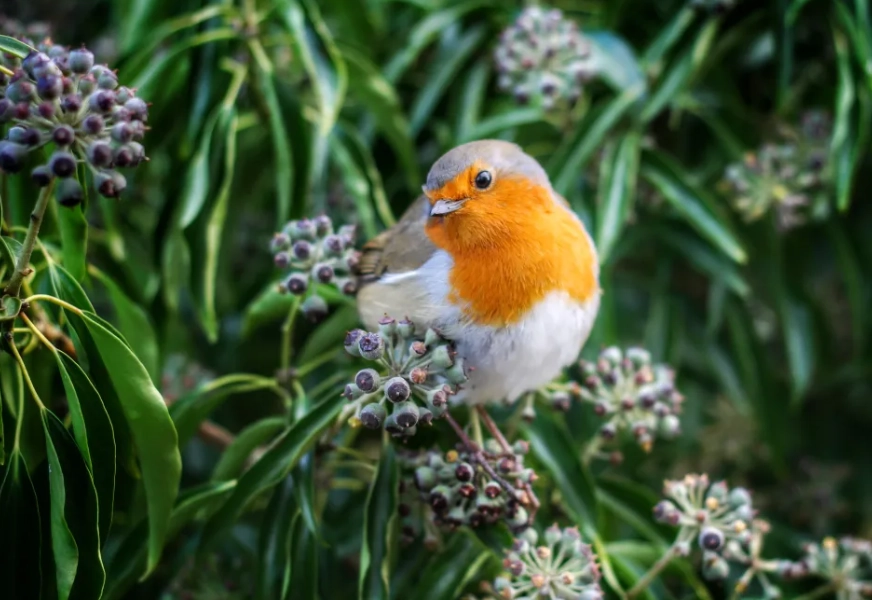
I've seen days where every tree seemed to drip with warblers—Cerulean, Blackburnian, Hooded, you name it. The ground is hopping with thrushes and tanagers. It's chaotic, overwhelming, and utterly spectacular.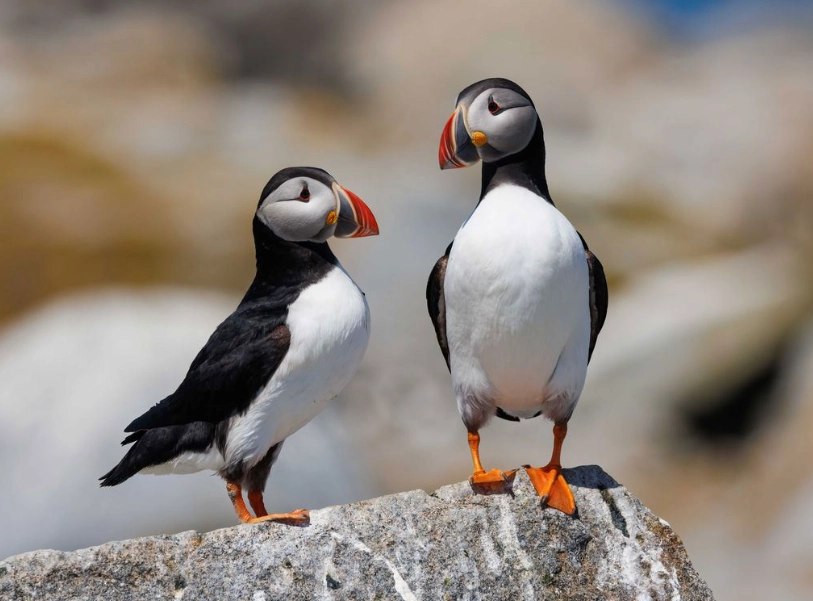
Planning for the "Fallout"
The key thing to understand is that this is a weather-dependent phenomenon. You can't just show up any April day and expect a show. You need to watch the forecasts for a pattern of south winds (allowing birds to depart Central America) followed by a shift to strong north winds and possibly rain over the Gulf (which tires them out). The Houston Audubon Society manages the sanctuaries and provides excellent updates.
Practical Details & Trip Planning
- Best Season: Mid-March through early May, with peak warbler movement typically in mid-April.
- Target Birds: 30+ species of warblers, Scarlet Tanager, Rose-breasted Grosbeak, Indigo Bunting, Swainson's Thrush, and raptors like Mississippi Kite.
- Address & Access: The main sanctuaries are Smith Oaks and Boy Scout Woods, right in High Island, TX. Small daily fee required (cash or check), which goes directly to habitat conservation.
- Fees: Around $10-12 daily per sanctuary for non-members.
- Hours: Sanctuaries open sunrise to sunset during spring season.
- Getting There: Fly into Houston (IAH or HOU). It's about a 1.5 to 2-hour drive east. Combine with a trip to the nearby Bolivar Flats shorebird hotspot.
- Local Vibe: It's a communal, festival-like atmosphere during a big fallout. Everyone is friendly and sharing sightings.
3. Mono Lake Basin, California: The Alkaline Lake Oasis
Mono Lake looks like it's from another planet. Towering tufa formations rise from its salty, alkaline waters. For birds, it's a critical stopover on the Pacific Flyway, providing food and rest that can't be found for hundreds of miles in the arid Great Basin. The sheer number of birds here, especially in late summer, is staggering.
More Than Just the Lake
While the lake itself hosts hundreds of thousands of Eared Grebes and phalaropes, the surrounding sagebrush habitats are just as rewarding. This is premier country for sagebrush specialists. A common mistake is to spend all your time at the South Tufa area and miss the gems in the brush. Drive the roads around Lee Vining and Conway Summit.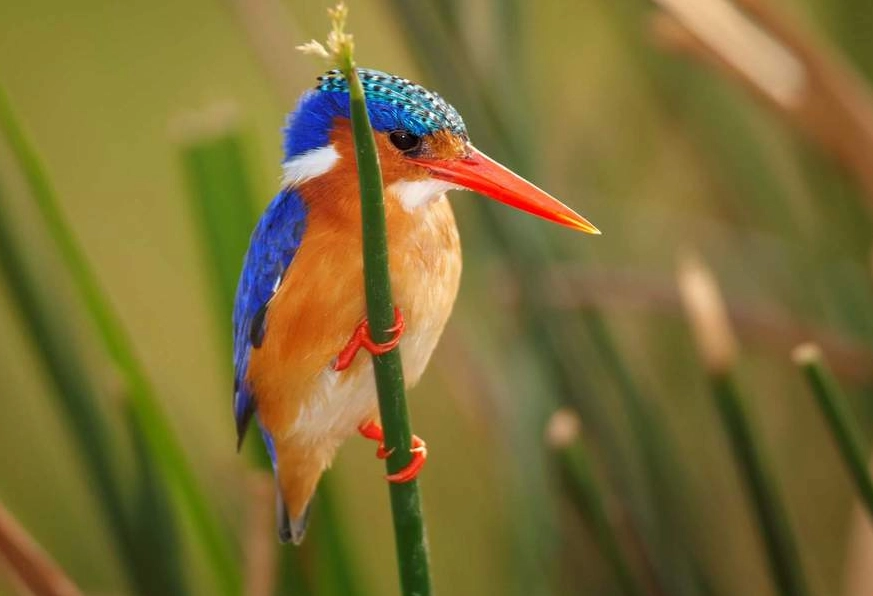
Practical Details & Trip Planning
- Best Season: Late July through September for peak shorebird and phalarope numbers. Spring (May-June) is excellent for migrating songbirds and nesting species.
- Target Birds: Wilson's and Red-necked Phalarope (in the thousands), California Gull (major colony here), Eared Grebe, Sage Thrasher, Green-tailed Towhee, Brewer's Sparrow, Gray Flycatcher.
- Address & Access: Mono Lake Tufa State Natural Reserve. South Tufa area is off Hwy 120 East. Lee Vining Canyon and Lundy Canyon are key adjacent areas.
- Fees: $3 per person for South Tufa area (self-pay station).
- Hours: Access areas are generally sunrise to sunset.
- Getting There: Fly into Reno, NV or Mammoth Lakes, CA. It's about a 1.5-hour drive from Mammoth. Lee Vining is on the eastern entrance to Yosemite National Park (Tioga Pass).
- Essential: Bring a scope. The birds are often distant on the lake. Sun protection and water are a must—it's high desert.
4. Kodiak Island, Alaska: The Rugged Frontier
This is for the birder who wants adventure alongside their checklist. Kodiak is famous for its brown bears, but the birding is equally epic. The mix of rich North Pacific waters, dramatic coastline, and lush interior forests creates a unique avian community. You'll see species here that are difficult or impossible to find in the Lower 48.
The pace is different. You're not ticking off a hundred species a day. You're savoring quality over quantity, often in breathtaking solitude.
Coastal vs. Interior Birding
Your trip will have two distinct flavors. The town of Kodiak and the road system offer access to spruce forests for Varied Thrushes and Townsend's Warblers, and bays for sea ducks. To see the true pelagic specialists and massive seabird colonies, you need to take a boat trip or fly to a remote lodge. This is non-negotiable for the full experience.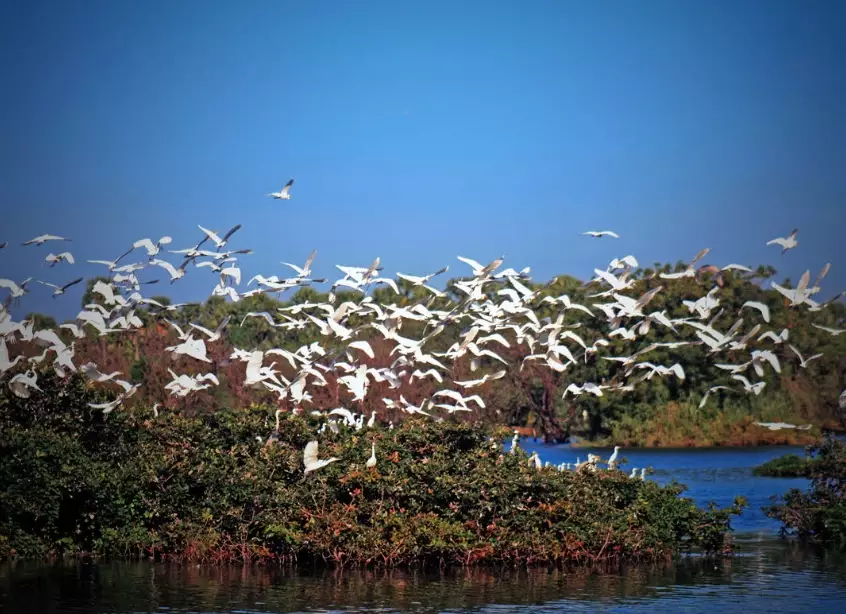
Practical Details & Trip Planning
- Best Season: May through July. Long days, active breeding season, and generally the best weather.
- Target Birds: Tufted Puffin, Horned Puffin, Red-faced Cormorant, Kittlitz's Murrelet, Rock Ptarmigan, Aleutian Tern, Emperor Goose (winter/spring).
- Address & Access: Kodiak Island. Start at the Kodiak National Wildlife Refuge Visitor Center in town.
- Fees: No general entry fees. Boat charters or flightseeing tours are a significant cost (worth every penny).
- Getting There: Commercial flights from Anchorage (ANC) to Kodiak (ADQ).
- Critical Planning Step: Book boat tours (for puffins and murrelets) and any remote lodges many months in advance. This is not a last-minute destination.
- Gear Note: Waterproof everything. Rain is frequent. A good spotting scope is crucial for distant seabirds and cliffs.
5. Southeast Arizona: The Sky Island Melting Pot
Nowhere else in the US packs such a concentrated punch of exotic and sought-after species. The "Sky Islands"—mountain ranges that rise like islands from the desert sea—pull in birds from the Sierra Madre of Mexico. You can start your morning in saguaro cactus desert looking for Gila Woodpeckers, drive up 5,000 feet into oak woodlands for Elegant Trogons and Mexican Jays, and end your day in cool pine forest hearing the eerie call of the Flammulated Owl.
Habitat Hopping is the Game
Your success depends on understanding the elevation gradient. Research which birds are found at which specific elevations and habitats. The Tucson Audubon Society website is an invaluable resource with detailed site guides.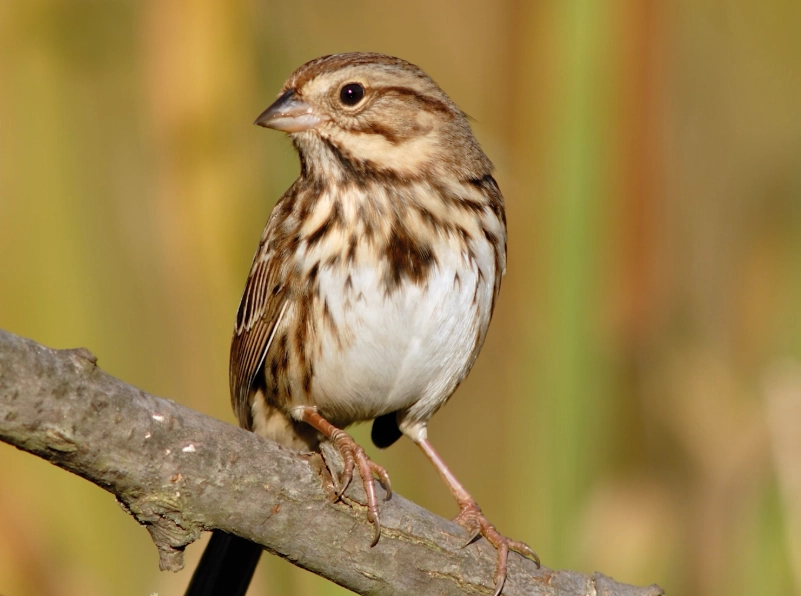
Practical Details & Trip Planning
- Best Season: April through September. Late spring/summer brings in the northern Mexican specialties (trogons, sulfur-bellied flycatchers). The monsoon season (July-August) is lush and active, though hot. Fall and winter have their own charms with raptors and sparrows.
- Target Birds: Elegant Trogon, Rivoli's Hummingbird, Painted Redstart, Mexican Jay, Arizona Woodpecker, Whiskered Screech-Owl, Five-striped Sparrow, numerous hummingbird species at feeders.
- Key Locations: Madera Canyon, Ramsey Canyon, Miller Canyon (for hummingbirds), Patagonia-Sonoita Creek Preserve, the Chiricahua Mountains.
- Fees: Varies. Some spots are free (roadsides), some have small day-use fees (e.g., $8 at Madera Kubo B&B feeder area), and some are private properties requesting a donation.
- Getting There: Fly into Tucson (TUS) or Phoenix (PHX). Tucson is closer to most hotspots. A high-clearance vehicle is helpful for some rugged mountain roads but not always mandatory.
- Pro Move: Spend multiple days based in one or two areas (e.g., Sierra Vista region) rather than trying to crisscross the entire southeast daily.
Reader Comments