You see them everywhere. On city sidewalks, in parking lots, and yes, in your garden. House Sparrows, those little brown birds, are so common we often stop really seeing them. That's a mistake. For anyone curious about birdwatching, sparrows are the perfect starting point. They're accessible, full of personality, and understanding them unlocks a deeper appreciation for all backyard birds. But here's the thing most beginners miss: attracting and observing sparrows isn't just about tossing out bread crumbs. It's a subtle game of providing the right resources and knowing what to look for.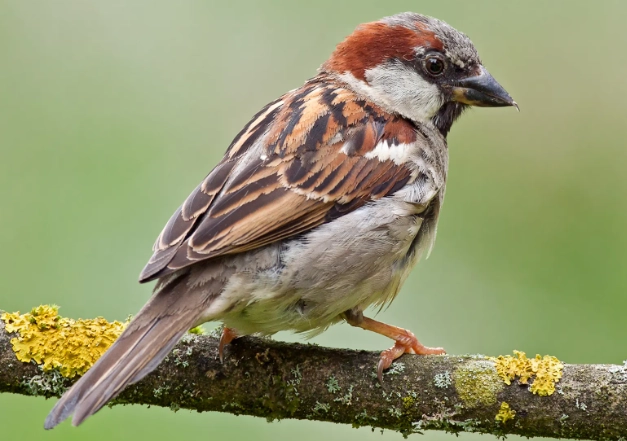
What’s Inside?
How to Attract Sparrows to Your Garden (The Right Way)
Most advice says "put up a feeder." That's only 20% of the story. Sparrows are social, ground-feeding birds with specific needs. To get them to visit and stay, you need to think like a sparrow.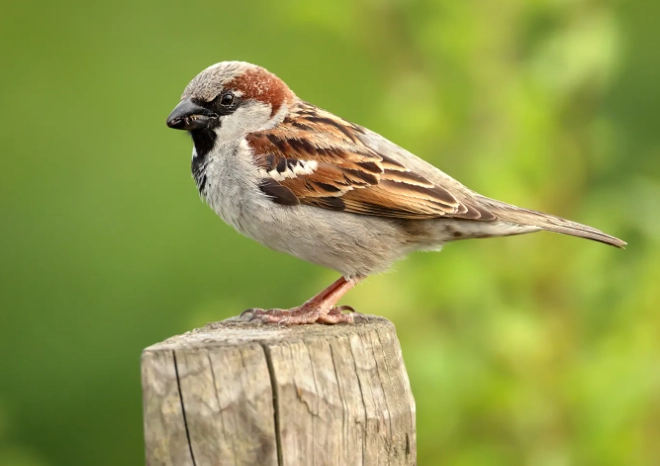
Food: It's Not Just Any Seed
Forget the fancy mixes with colorful pellets. House Sparrows and their relatives are seed specialists with a strong preference for white proso millet, cracked corn, and wheat. I've watched them meticulously pick these out of mixed seed, scattering the more expensive sunflower hearts I put out for finches. It's frustrating if you're not prepared.
Here’s what works better:
- Platform Feeders or Ground Trays: Sparrows are not acrobats. They prefer flat, open spaces where they can feed in a group. A simple tray feeder mounted on a post, or even a cleared patch of ground under a bush, works wonders.
- Seed Choice: Buy a "wild bird mix" heavy on millet and corn. Or, be bold and buy a bag of pure white millet. Scatter a handful on the ground in the morning. You'll likely see results within a day.
- Feeding Hack: In winter, sprinkle seed near dense shrubs or evergreen hedges. It gives them a quick escape route, which makes them feel secure enough to feed longer.
Shelter and Safety: The Real Estate Matters
Sparrows won't settle in a wide-open, manicured lawn. They need cover. Dense, thorny shrubs like pyracantha, hawthorn, or even a messy brush pile provide perfect roosting and nesting spots. They also offer protection from hawks and cats.
If you want them to nest, consider a sparrow-specific nest box. Unlike bluebird boxes, House Sparrows prefer boxes with a larger entrance hole (about 1 1/4 inches) placed under the eaves of a building or on a wall. It mimics their natural nesting sites in building crevices.
Let's be honest about cats. An outdoor cat is the single biggest deterrent to a thriving sparrow population. If you're serious about attracting birds, this is the hardest but most necessary conversation. Keeping cats indoors or using a bell collar can make a huge difference.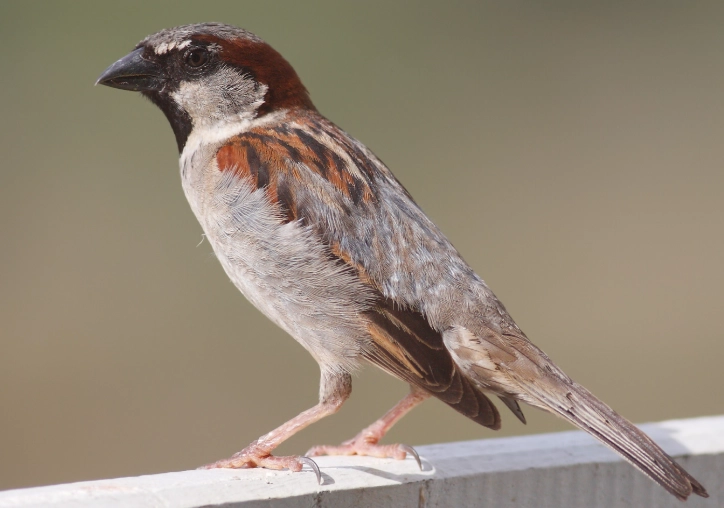
Sparrow Identification Guide: Telling the Brown Birds Apart
"Little brown job" is a common birder term for a reason. Many sparrow species look similar at first glance. The key is to stop looking for color and start looking for patterns: facial stripes, breast markings, and tail shapes.
Here’s a cheat sheet for the most common sparrows you might confuse.
| Species | Key Field Marks | Habitat & Habits | Voice |
|---|---|---|---|
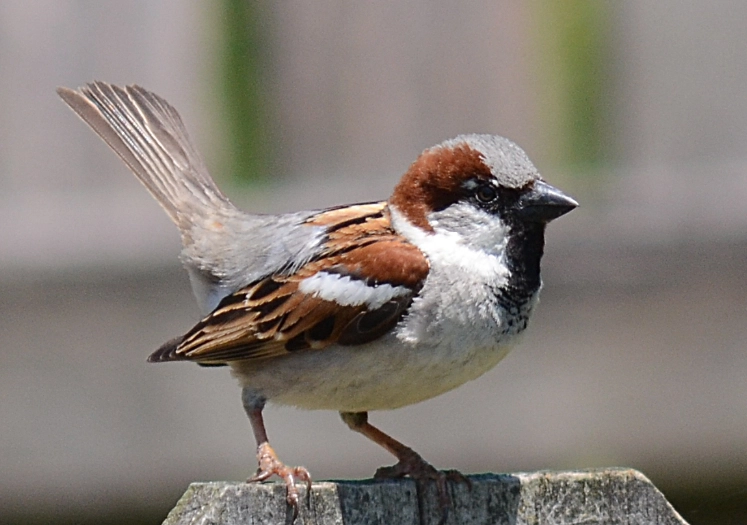
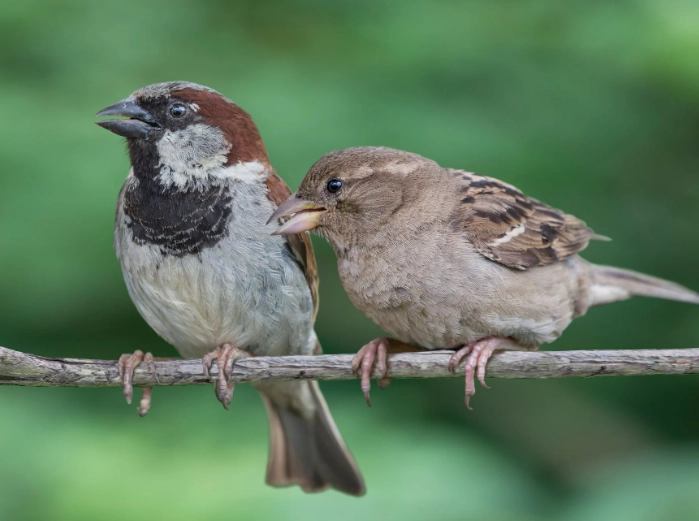
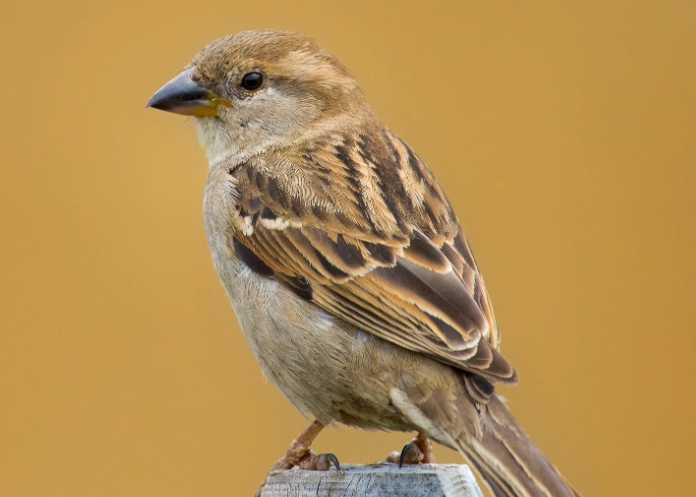
| House Sparrow | Male: Gray cap, black bib, chestnut nape. Female: Plain buff-brown with a pale eyebrow stripe and a dull back. | Strongly associated with human development. Nests in building crevices, noisy and social. | Loud, monotonous chirps and chatters. |
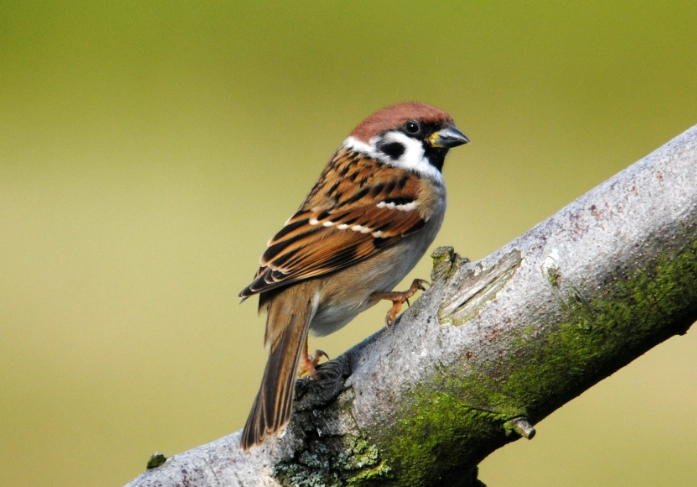
| Tree Sparrow | Rusty-red cap, black spot on white cheek, two thin white wing bars. | More rural, found in hedgerows, woodland edges. Often in small flocks. | A sharp, metallic "teck" call. |
| Song Sparrow | Heavy brown streaks on white breast that converge into a central dark spot. Long, rounded tail. | Loves brushy areas, marsh edges, gardens with thick cover. Often sings from a low perch. | A variable, melodious song often starting with 2-3 clear notes: "Maids! Maids! Maids! Put on your tea-kettle-ettle-ettle." |
| White-throated Sparrow | Bright white throat, black-and-white or tan-and-white striped head, yellow spot between eye and bill. | Winter visitor in many areas. Forages on the ground in flocks, often kicking leaves. | Beautiful, whistled song: "Oh-sweet-Canada-Canada-Canada" or "Poor-Sam-Peabody-Peabody-Peabody." |
| Fox Sparrow | Large, heavily built. Rusty-red tail and wings, breast heavily streaked or spotted with rusty red/brown, often looking like a single blurry blob. | Scratches vigorously in leaf litter with a distinctive two-footed hop. Prefers dense thickets. | A loud, clear, sliding whistle. |
The biggest mistake new birders make is trying to memorize every detail from a photo. Instead, in the field, ask yourself three questions: 1) What's on its face? (Look for eye lines, mustache stripes, cheek patches). 2) What's on its chest? (Streaks, spots, a clear bib?). 3) How is it moving? (Hopping, scratching, clinging to grass stems?). This process is more reliable than a perfect memory.
For authoritative reference, I always double-check tricky sightings against the Cornell Lab of Ornithology's All About Birds guide. Their photos and sounds are unmatched.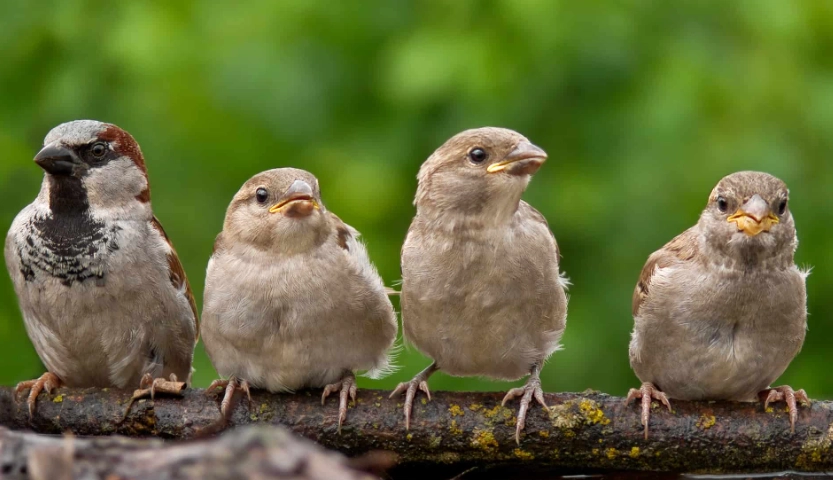
Observing Sparrow Behavior: From Squabbles to Nesting
Once you can identify them, the real fun begins. Sparrows have complex social lives. Watch a flock of House Sparrows at a feeder. It's not a free-for-all. There's a hierarchy. Dominant males often get the prime spots, while younger birds wait on the periphery.
In spring, watch for males puffing up their chests, dragging their wings, and chasing each other in comical, bouncy flights. That's courtship and territorial defense. If you're lucky enough to have a nest nearby, you'll see the constant to-and-fro of parents carrying insects (for the chicks) and later, seeds.
Their dust-bathing ritual is a spectacle. They find a patch of dry, fine soil, squat down, and wiggle violently, throwing dust over their feathers. It helps control parasites. Finding one of their dust bath "bowls" is a sure sign you have resident sparrows.
A personal observation: I once watched a male House Sparrow spend 20 minutes carefully stripping the fibers from a discarded burlap sack to line its nest. It wasn't just collecting; it was testing, pulling, and selecting specific strands. This attention to detail in a bird we call "common" changed my perspective entirely.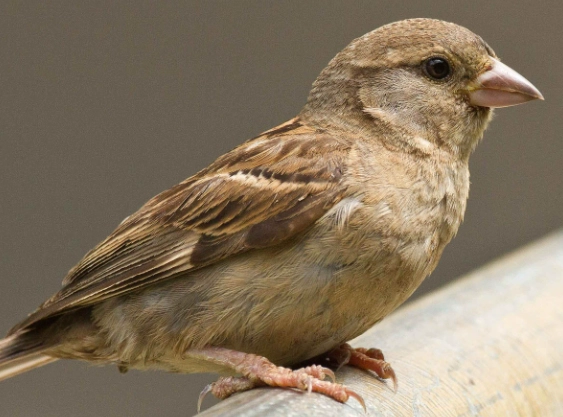
Seasonal changes are key. In fall and winter, many sparrow species form mixed flocks. You might find White-throated, Song, and Fox Sparrows foraging together. It's a great opportunity to compare them side-by-side. Listen, too. Their winter contact calls are much softer and subtler than their spring songs.
Your Sparrow Questions, Answered
How can I stop sparrows from taking over my bird feeder and scaring other birds away?
What's the difference between a sparrow and a bunting or a finch?
Are sparrows considered pests? I've heard they're invasive.
What's the best way to attract sparrows in winter?
How long do sparrows typically live?
Reader Comments