You see them everywhere. On city sidewalks, perched on fast-food signs, squabbling under your feeder. The house sparrow is so common we often stop really seeing it. That's a mistake. This little bird, often dismissed as just a "city pigeon in small form," has a fascinating story. It's a global traveler, a complex social creature, and understanding it can transform your backyard birdwatching from passive watching to active engagement.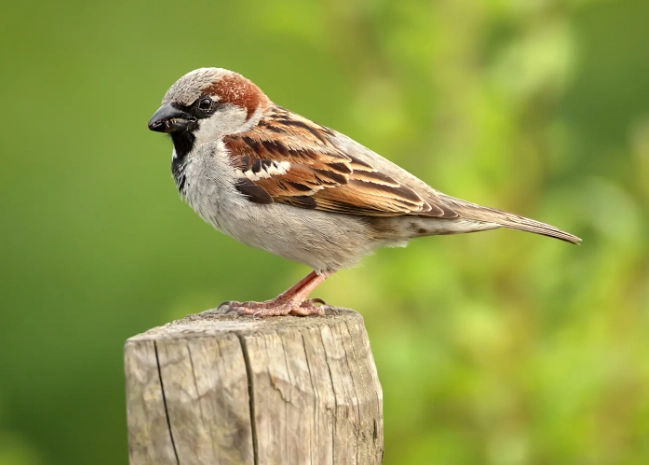
I've spent over a decade watching them, from my urban balcony to rural farms. I've made the classic identification blunders and learned the hard way what actually works to attract them (and what just feeds the squirrels). This guide cuts through the generic facts. We'll get into the nitty-gritty of telling them apart from their doppelgangers, setting up a yard they'll actually move into, and interpreting their noisy, chaotic social dramas.
In This Article
Spot the Difference: Foolproof House Sparrow Identification
Most bird guides give you the basics: male has a gray crown, black bib, and chestnut nape. Female is plain brown with a streaky back. That's enough to separate them from a blue jay, but the real test comes with their close cousins. The most common mix-up? House Sparrows vs. native American sparrows (like song sparrows or chipping sparrows).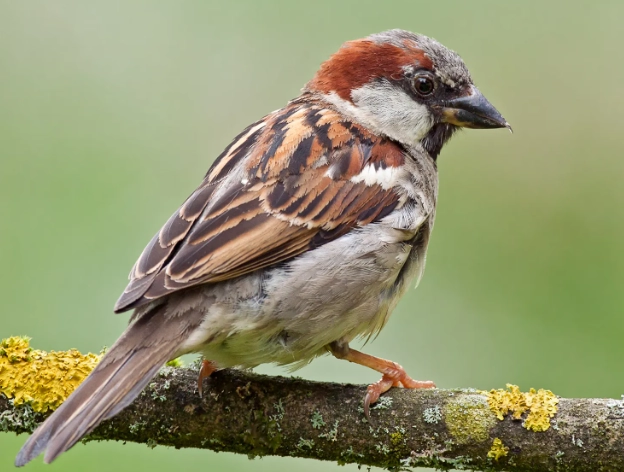
Here's the expert shortcut most beginners miss: look at the beak. House sparrows have a thick, conical, seed-cracking beak—it looks stout and powerful. Most native North American sparrows have thinner, more pointed beaks. It's the difference between a pair of pliers and a pair of tweezers.
Let's get specific. The number one identification pitfall in Europe and parts of Asia is confusing the male house sparrow with the Eurasian tree sparrow. I've watched seasoned birders do a double-take.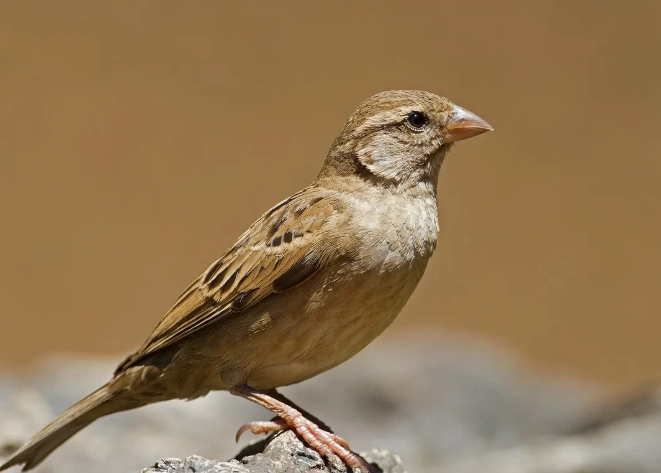
| Feature | Male House Sparrow | Male Eurasian Tree Sparrow |
|---|---|---|
| Crown | Uniform gray | Rich chestnut brown |
| Cheek Patch | White, unmarked | White with a distinct black spot |
| Bib | Black, extending onto chest | Smaller, neat black bib |
| Call | Loud, repetitive "cheep" | Softer, more metallic "tek" calls |
Listen. The house sparrow's vocal repertoire is limited but loud. Their classic call is that insistent, non-musical "cheep" or "chirrup." It's the soundtrack to urban environments. You won't get a beautiful song from them like a song sparrow, but their chatter tells a story of constant social negotiation.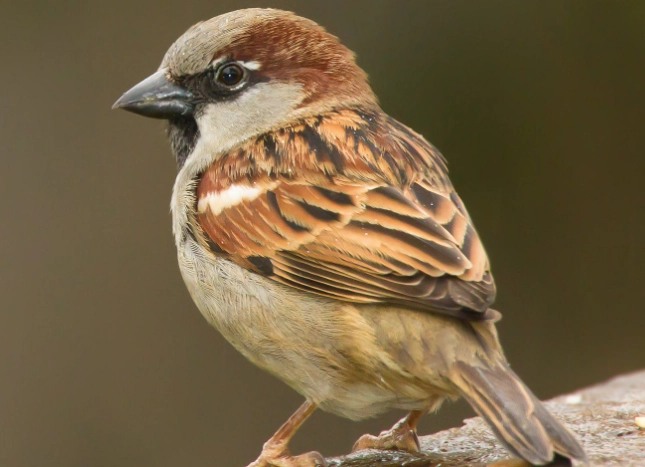
Building a Sparrow Magnet: Your Backyard Blueprint
Attracting house sparrows isn't about fancy, expensive gear. It's about understanding their core needs: food, water, shelter, and a place to raise a family. They're opportunists, but they have preferences.
Food: It's Not Just About the Seed
Sure, they love white proso millet and cracked corn. A simple platform feeder or hopper filled with a quality mix like Cornell Lab of Ornithology recommends will get their attention. But here's the subtle error many make: they only offer dry seed.
House sparrows feed their young almost exclusively on insects. If you want a breeding pair to stick around, you need to provide the protein. A healthy lawn (not a pesticide-treated one) that allows for insects is key. I've noticed my sparrow activity doubles when I also put out dried mealworms in a shallow dish during spring and summer. They go nuts for them.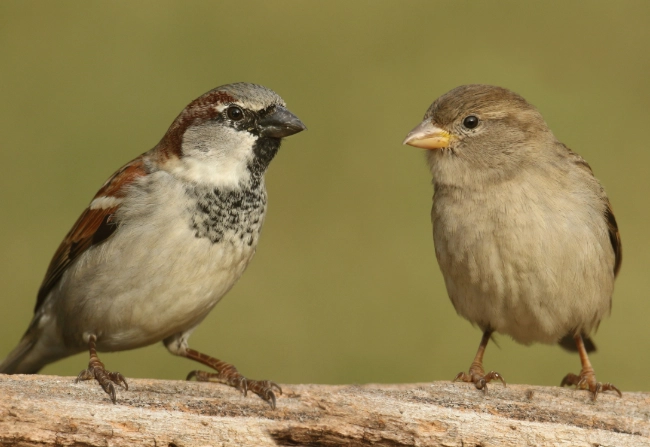
Shelter and Nesting: Think Messy, Not Neat
The name says it all: house sparrow. They evolved alongside us, nesting in our structures. A perfectly manicured yard with no cover is a no-go.
- Shrubs and Brush Piles: Dense, thorny shrubs like pyracantha or barberry provide perfect cover from predators like hawks and cats. A simple brush pile in a corner of the yard is a sparrow hotel.
- Nest Boxes (The Right Kind): They will use birdhouses, but the standard bluebird box with a 1.5" hole won't work. They need a larger entrance, about 1.75 inches. Place it under the eaves of a building or on a pole, 8-12 feet high. Don't be surprised if they stuff it full of grass, feathers, and even trash—they're not tidy builders.
- Water Source: A simple birdbath is a bigger draw than you think. Keep it shallow (1-2 inches max) and clean it regularly. They use it for drinking and bathing, and it becomes a social hub.
My own setup? A platform feeder with a mix heavy on millet, a dish for mealworms near a dense shrub, a simple concrete birdbath, and a nest box under my garage eave. It's not glamorous, but it's sparrow central from March to October.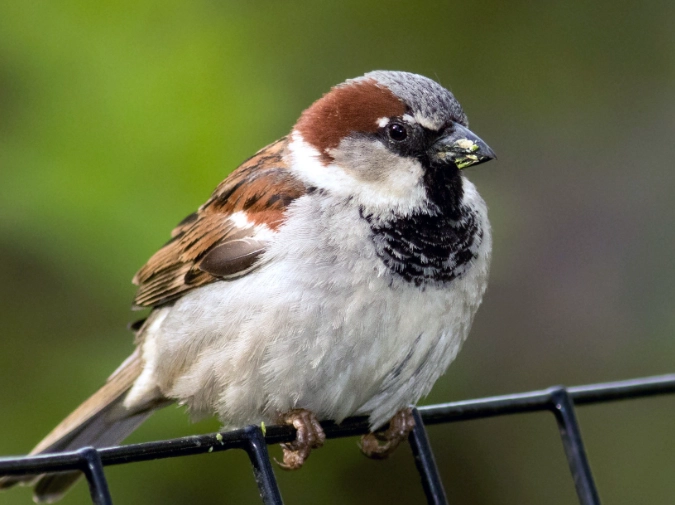
Beyond the Chirp: The Social Lives of House Sparrows
Watch a group for more than a minute. It's not random chaos. You're looking at a complex, hierarchical flock. Studies, like those referenced by the American Birding Association, show they have distinct social structures.
Males establish dominance through posture and aggression. You'll see the dominant birds claiming the prime spots at the feeder or bath. Females choose mates based on the quality of a male's territory (like that good nesting spot under your eaves) and the size of his black bib—a larger bib often signals higher status.
Their breeding season is long and prolific. They can raise 2-3 broods per year with 4-6 eggs each. Both parents feed the young. This high reproductive rate is a key reason they've been so successful globally, though it creates conflict where they outcompete native cavity-nesters like bluebirds.
That's the double-edged sword of the house sparrow. Their adaptability and resilience, which make them so interesting to observe, are the same traits that cause ecological concerns in non-native regions. Observing them responsibly means enjoying their antics while also supporting native bird populations through appropriate habitat management.
Reader Comments