For countless birdwatchers across North America, the first sighting of a dark-eyed junco scratching in the leaf litter is a sure sign that the seasons are turning. That flash of white tail feathers as it flits away, the crisp contrast of its slate-gray hood against a pale belly—it’s a familiar and welcome winter visitor. But here’s the thing most beginner guides don’t tell you: calling it just a "snowbird" sells this complex little sparrow spectacularly short. I’ve spent over a decade tracking their movements, and I’m still surprised by their behaviors. This guide isn’t just a rehash of field marks. We’re going deep into their world, from the confusing regional variations that trip up experts to the subtle feeding habits that most backyard setups completely miss.
What’s Inside: Your Junco Journey
How to Identify a Dark-eyed Junco: Beyond the ‘Slate-colored’ Look
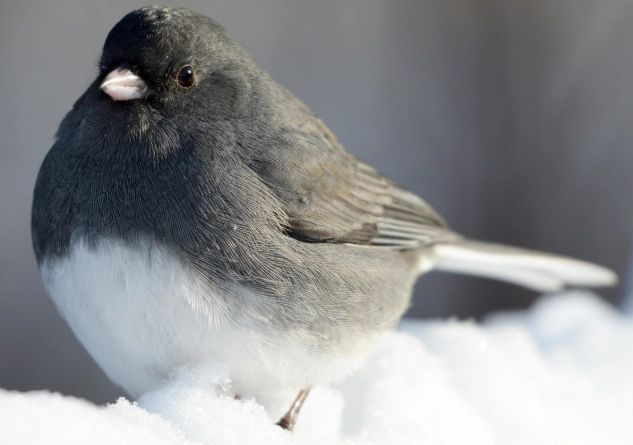
Okay, let’s start with the basics. The classic "slate-colored" junco—the one most people in the East know—is a study in monochrome. Think of a male: a neat, dark gray head and back that looks like it’s been dipped in charcoal, a clean white belly, and that tell-tale pinkish bill. Females are similar but often browner-gray. The white outer tail feathers are a dead giveaway in flight.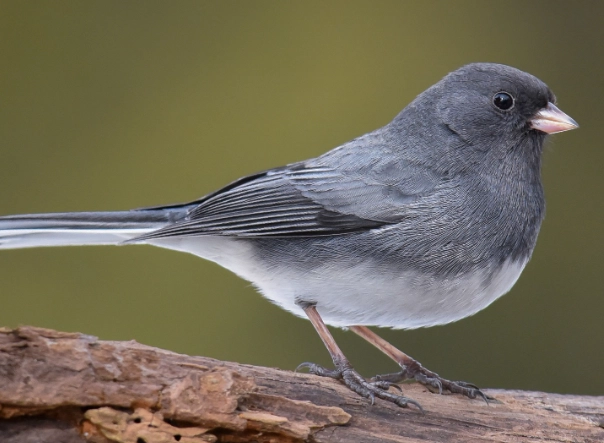
But this is where it gets messy, and where most online resources stop. The "dark-eyed junco" is actually a complex of several former species, and their looks change dramatically across the continent. If you’re in the West and you’re only looking for the slate-gray version, you’ll be completely lost.
The Major Regional Forms (It’s Not Just One Bird)
Here’s a quick cheat sheet. If you see a junco that doesn’t match the classic description, check this table.
| Form Name | Primary Region | Key Identification Features | Common Mistake |
|---|---|---|---|
| Slate-colored | East of the Rockies | Uniform slate gray upperparts, white belly. Males darker. | Confusing females with other sparrows. |
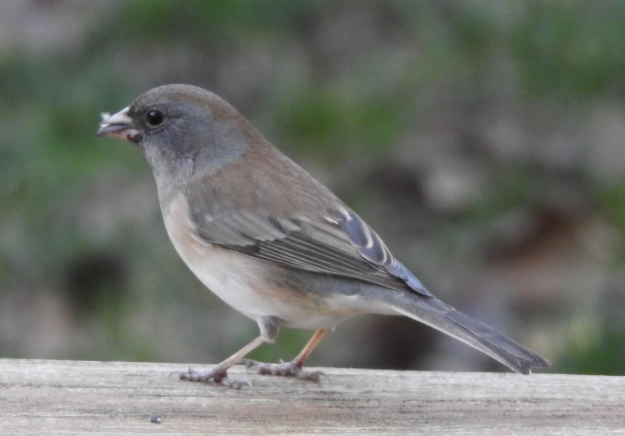
| Oregon | West Coast, Interior West | Black or dark gray hood, rich reddish-brown back, white belly. Females have a lighter brown back. | Thinking it’s a completely different species. The hood and back contrast is key. |
| Pink-sided | Northern Rockies & Intermountain West | Gray head, pinkish-brown flanks, pale gray back. Very colorful. | Overlooking it as a variant of the Oregon form. |
| Gray-headed | Southwest, Southern Rockies | Full gray hood and back, but with a distinct reddish patch on the back (the "cape"). | Missing the small but crucial reddish patch. |
I once spent a whole morning in Oregon convinced I was seeing a new bird, only to realize it was just a female Oregon junco—the brown back threw me off completely. The lesson? Location, location, location. Check a range map from a source like the Cornell Lab of Ornithology’s All About Birds guide before you decide what you’re seeing.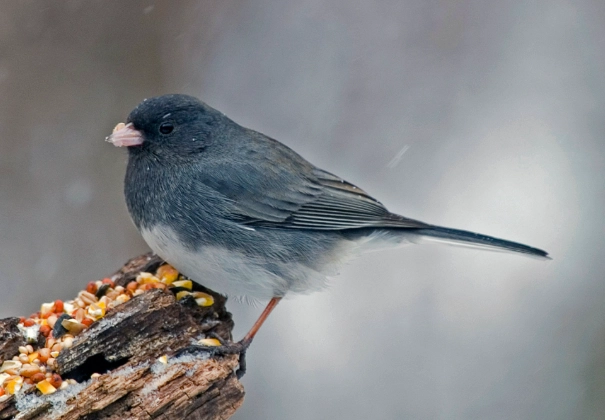
How to Attract Dark-eyed Juncos to Your Yard: A Practical Guide
You want juncos in your garden? It’s less about fancy feeders and more about mimicking their natural dining room. They are ground-feeding specialists. Hanging a tube feeder full of nyjer seed is useless to them. They want a buffet at their feet.
Step 1: The Right Food in the Right Place
Forget the expensive blends. Juncos are seed-crunching machines with a simple palate.
Top Seed Choices:
- White Proso Millet: This is the absolute favorite. It’s small, easy to eat, and often the main component in the seed they kick out of mixed blends. I buy it in bulk.
- Black Oil Sunflower Seeds: They’ll eat these, but often after the millet is gone. They crack them open on the ground.
- Cracked Corn: A good, cheap option for scattering.
The Feeding Station Setup:
Don’t just toss seed on the lawn. Create a dedicated ground-feeding area.
- Find a Sheltered Spot: Near a bush, under a tree, or beside a garden bed. Juncos are nervous feeders; they need quick cover from hawks and cats.
- Use a Low Platform or Tray: A simple tray feeder on legs, just a few inches off the ground, keeps seed cleaner than the bare earth. You can even use a large baking sheet.
- Or, Go Natural: Simply clear a small patch of ground (about 3x3 feet) under some cover and sprinkle seed there daily.
Step 2: Water and Shelter Are Non-Negotiable
A shallow birdbath with a gentle slope is a junco magnet, especially in winter when other water is frozen. Keep it clean and ice-free with a heater. For shelter, leave some areas of your garden a little messy—leaf piles, brush piles, or dense evergreen shrubs provide crucial overnight roosting spots from wind and cold.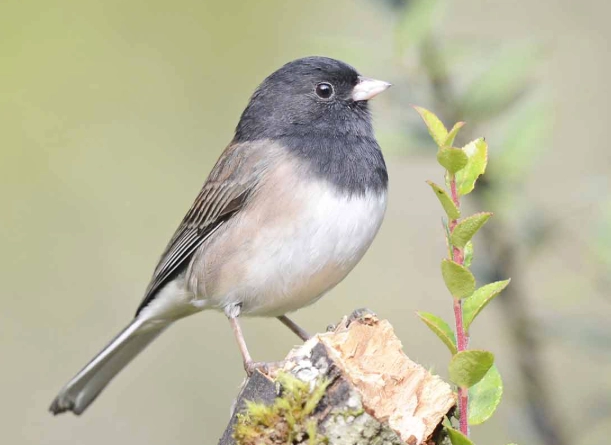
Understanding Junco Behavior and Social Structure
This is the stuff you won’t find in a standard field guide. Juncos have a nuanced social world.
Watch a flock at your feeder. You’ll quickly see a pecking order. Adult males are usually dominant, followed by adult females, then first-year birds. The dominant birds get the prime feeding spots. They don’t fight much; it’s more about subtle posturing and quick displacements.
Here’s a subtle error many make: assuming the juncos at your winter feeder are a stable family group. They’re not. Research using banded birds shows that winter flocks are fluid. Individuals may stay for a few days or a few weeks, then move on, replaced by others. Your "regulars" might be several different birds that just look alike. This fluidity is why providing consistent food is so important—you’re supporting a stream of travelers, not just one static group.
Their migration is another fascinating puzzle. They are "leap-frog" migrants. Birds that breed farthest north (in Canada) often winter farthest south (in the southern US). Birds that breed in the mid-latitudes (like the Appalachians) may only move downslope or a short distance south. This is why some people see them year-round, while for others, they are a strict winter-only guest.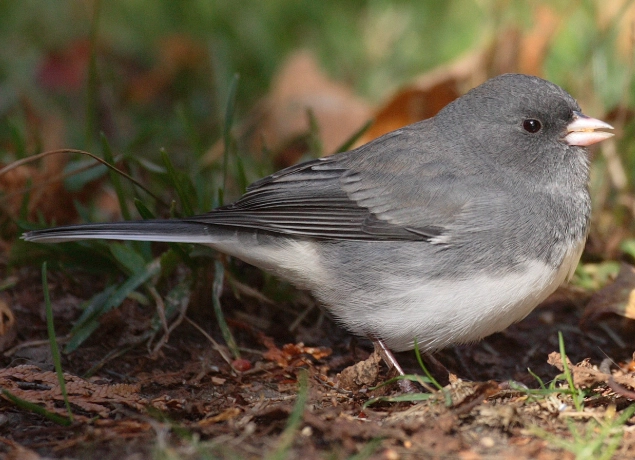
Want to contribute to science? Report your sightings to community science projects like eBird. Your data helps scientists at organizations like the USGS track population trends through programs like the Breeding Bird Survey.
Your Dark-eyed Junco Questions Answered
Reader Comments