You’ve got your binoculars, a field guide, and you’re heading to a prime spot. But you might be missing one of the most critical pieces of gear: the right clothes. I’ve watched more birds flush into the distance because of a bright shirt than I care to admit. The wrong color doesn’t just make you look out of place—it actively tells every bird within a hundred yards, “Human here, be alarmed.” Let’s cut through the vague advice and get specific about what colors to leave in the closet, and more importantly, why.
Your Quick Guide to Birding Clothing
Why Bird Vision Makes Your Clothes Matter
Birds don’t see the world like we do. It’s not just about being “bright.” Their eyes have four types of color receptors (tetrachromatic vision), while we have three. This means they see a broader spectrum of color, including ultraviolet light. Research from institutions like the Cornell Lab of Ornithology highlights how critical color and pattern are in avian life, from mate selection to foraging. A stark, solid block of color—especially one that doesn’t occur naturally in large, moving patches in their environment—is a giant warning flag. Movement amplifies this effect. A waving white sleeve in a green forest is about as subtle as a car alarm.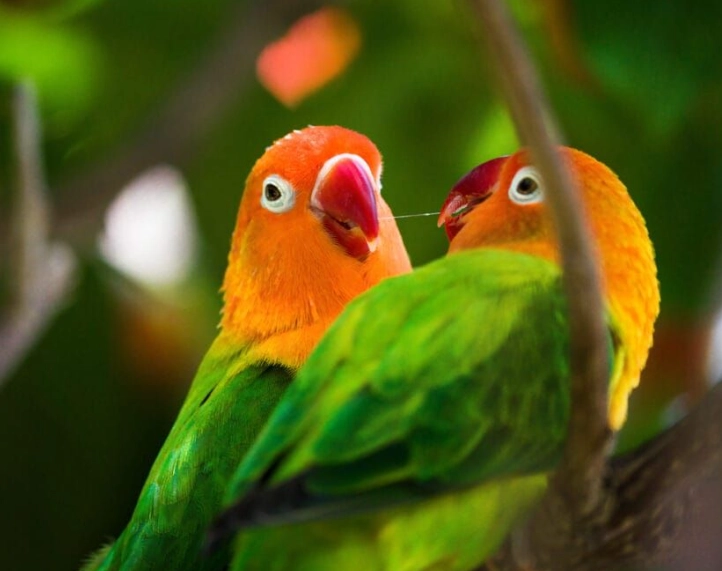
The Worst Colors to Wear for Birding (and Why)
Let’s get specific. These are the colors that will most likely compromise your birding success, ranked by their “scare factor.”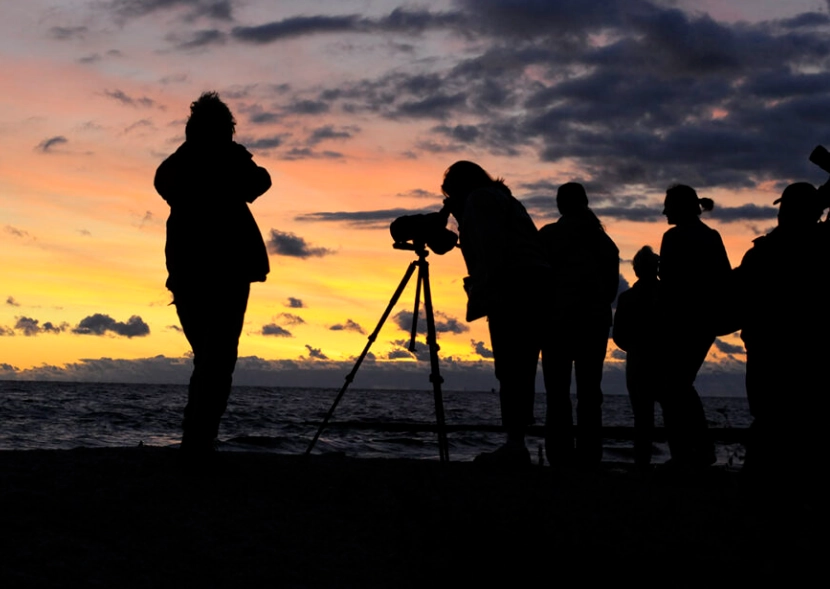
| Color | Why It's a Problem | Common Offending Items |
|---|---|---|
| White & Bright Pastels | Reflects maximum light, creating high contrast against any natural background. It’s the color of flashing danger signals in the animal kingdom. | T-shirts, hats, socks, rain jackets, baseball caps. |
| Bright Red, Orange, Hot Pink | These are “alert” colors in nature. Many birds use reds and oranges in displays for aggression or mating. Your red hat can be misinterpreted as a rival or a major threat. | Fleeces, hiking shirts, backpacks, bandanas. |
| Royal Blue & Vivid Purple | Rare as large, solid objects in nature. They stand out sharply against greens, browns, and grays. Deep blues can appear very dark and unnatural to birds. | Rain gear, puffy jackets, technical shirts. |
| Fluorescent/Neon Anything | Catastrophic for birding. These colors are literally engineered to be seen by the human eye from great distances. Birds see them even more vividly. | Running gear, safety vests, some modern hiking apparel. |
| Solid Black | Tricky one. In deep shade, it can be okay. But in sunlight, it creates a harsh, solid silhouette that’s easy to pick out. It can also get very hot. | Black jeans, black raincoat, black backpack. |
The core issue isn’t just the hue, but the combination of color, solidity, and movement. A small red logo on a muted shirt is less problematic than an entire sky-blue jacket.
Material Matters Too
It’s not just color. A shiny, nylon rain jacket in olive green can be worse than a matte cotton shirt in a slightly lighter shade. The glare from synthetic materials acts like a mirror, catching and throwing light in unpredictable flashes. Always opt for matte, non-reflective fabrics. Cotton, wool, and matte-finish technical fabrics are your friends. Leave the patent leather and shiny windbreakers at home.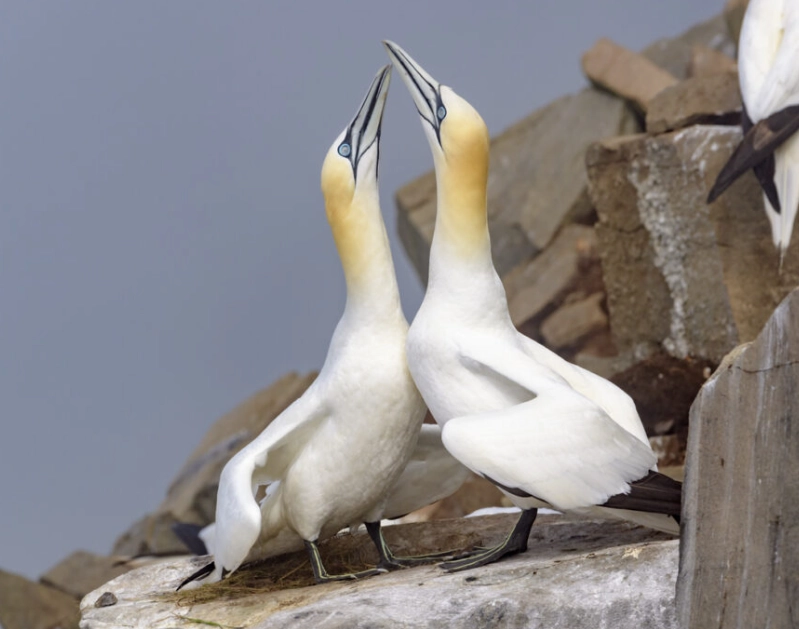
Practical Clothing Strategies for Different Birding Environments
“Wear earth tones” is too simplistic. The right color depends entirely on where you are.
Deciduous & Mixed Forest (Spring/Summer): Think medium greens, browns, and dark olives. You’re blending with leaves and shadow. Avoid the khaki trap—light khaki can be too bright in the understory. Go for darker tan or mossy green.
Wetlands & Marshes: Colors shift here. In reed beds, tans, pale browns, and muted olives work. If you’re in a blind overlooking open water, darker grays and browns are better to blend with the shadows inside the blind. Bright sky reflected on water means anything on your upper body is silhouetted.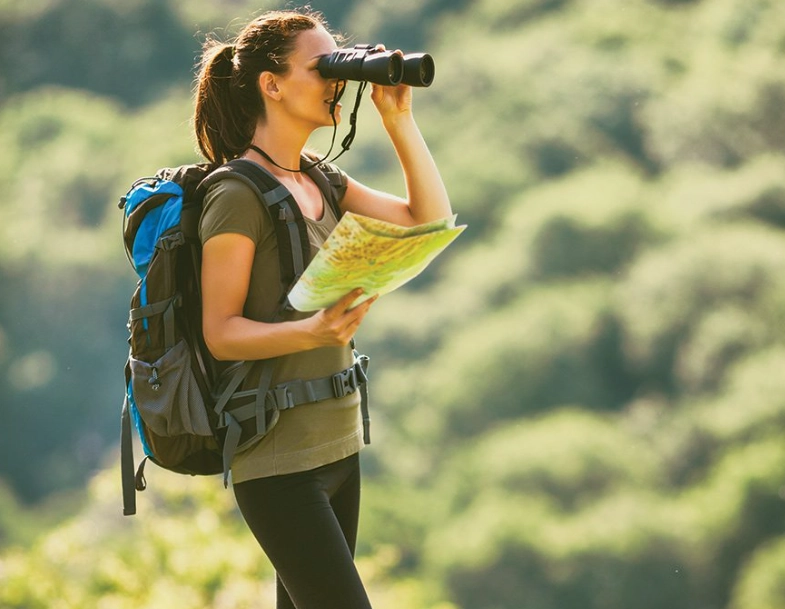
Grasslands & Fields (Autumn/Winter): Ditch the green. You’ll stick out against dead grass. Here, tans, browns, grays, and dull golds are king. A gray jacket is often more effective than a green one in a winter field.
Desert & Canyon Country: Surprisingly, very dark colors can be a mistake against light sand and rock. Light tans, stones, muted rusty reds, and pale browns mimic the environment. But again, matte finishes are critical to avoid looking like a shiny pebble.
Advanced Tips and Common Misconceptions
Here’s where experience talks. Most beginners focus only on their shirt and jacket, but birds have a 340-degree field of view.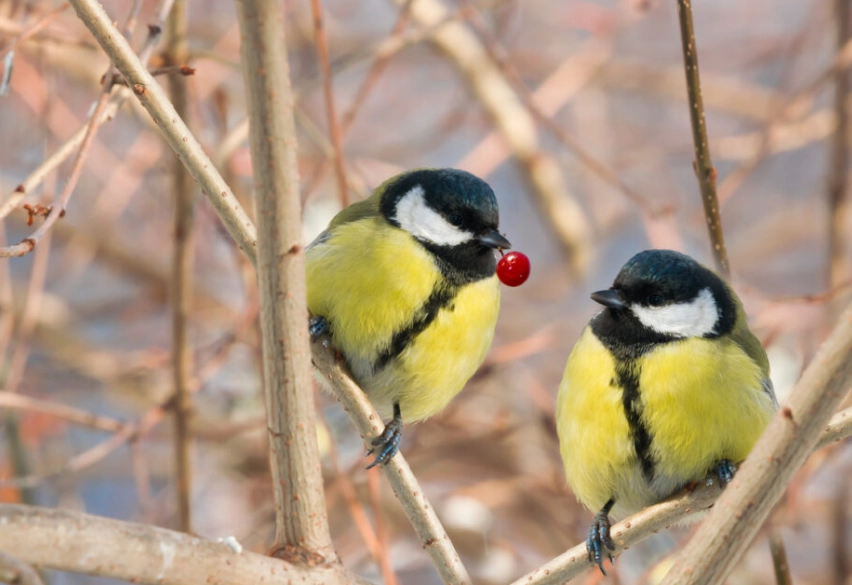
Don’t Forget Your Legs & Hat: Blue jeans are a nearly universal birding faux pas. They are a huge, solid block of often-vivid blue. Opt for brown, green, or dark gray pants. A white baseball cap is a beacon on top of your body. Use a dull green, brown, or gray hat.
The “Skyline” Problem: When you’re on a ridge or against the sky, your silhouette is everything. Color matters less, but shape matters more. Crouching or sitting instantly makes you less “human-shaped.”
One Common Misconception: You don’t need to look like a soldier in full camouflage. In fact, some heavily patterned modern camo can look unnatural. The goal is to be visually uninteresting, not invisible. Muted, patterned, earth-toned casual clothing works perfectly.
A Negative Opinion: I think the birding community sometimes overstates the fear of scaring birds. A robin in your backyard won’t flee from a red shirt. This advice is crucial for observing wary species in their natural habitat—warblers, raptors, shorebirds, most waterfowl. If you’re just watching feeder birds from a window, wear whatever you want.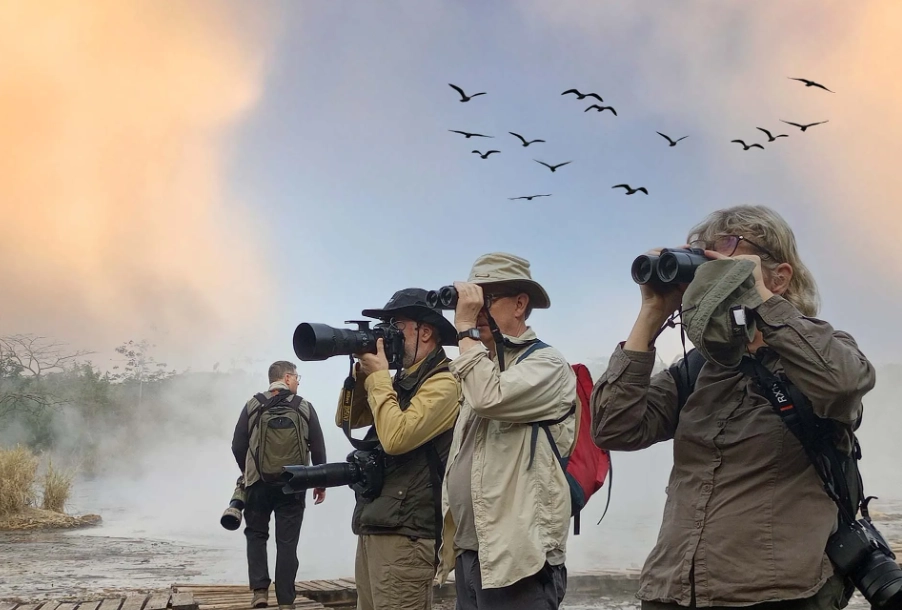
Your Birding Clothing Questions Answered
Ultimately, choosing the right colors for birding isn’t about following arbitrary rules. It’s about understanding the sensory world of your subject. By wearing muted, matte, earth-toned clothing, you’re not hiding. You’re showing respect. You’re saying, “I’m here to observe, not to disturb.” And the reward is closer views, more natural behaviors, and the profound satisfaction of feeling like a part of the landscape, not just a visitor crashing through it.
Reader Comments